As North America undergoes an unprecedented industrial renaissance driven by the digitization of grids, rapid expansion of hyperscale data centers, and the shift toward electric vehicles (EV), the demand for highly reliable electrical system components has surged. Chicago, Illinois—historically established as the transportation and industrial nexus of the United States—remains at the epicenter of this transformation. Serving as a crucial logistics corridor and home to primary manufacturing nodes, the Chicago area requires premium electrical infrastructure components that conform to strict quality guidelines, high ampacity thresholds, and harsh environmental tolerances.
To support these requirements, globally integrated manufacturing partnerships are essential. High-power distribution systems, commercial transit networks, and renewable energy substations in the Midwest demand advanced components that minimize losses, resist mechanical stress, and prevent electrical failure. Through deep domain expertise, this whitepaper evaluates the manufacturing landscape, modern technological requirements, and regulatory frameworks vital for supplying high-performance electrical assemblies to both Chicago and global export markets.
The Chicago Metropolitan Area (including regions such as Elk Grove Village, the largest industrial park in the United States, and the Calumet industrial zone) has seen a dramatic expansion in data center footprints, automated manufacturing, and heavy transit networks like CTA and Metra. These facilities operate around the clock, meaning any component failure could lead to catastrophic downtime and substantial financial losses.
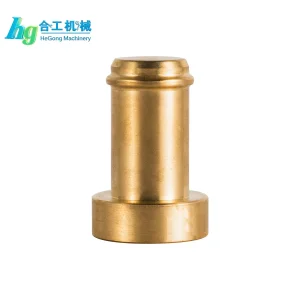
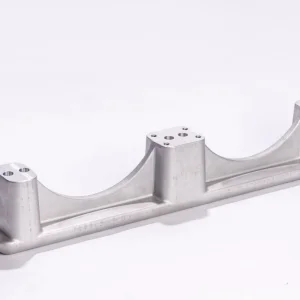
Local utilities and EPC (Engineering, Procurement, and Construction) companies require local-grade components designed to withstand severe seasonal temperature swings while carrying heavy electrical loads. This requires the use of specialized metals—such as forged aluminum brackets for structural high-voltage lines, and precision-engineered brass and copper contacts that resist oxidation in highly humid or corrosive environments.
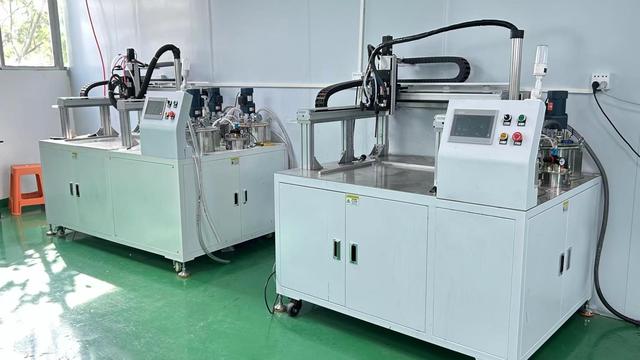
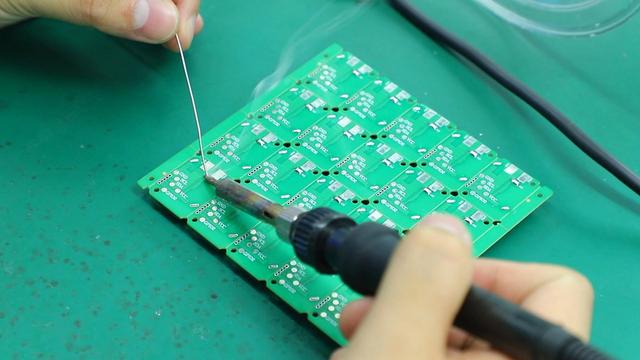
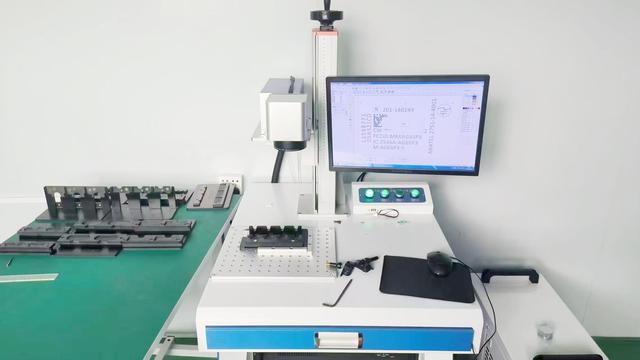
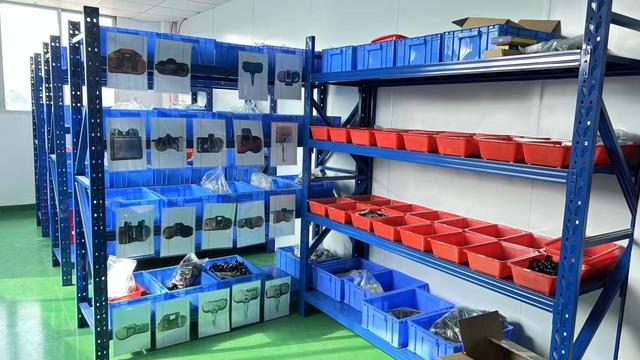
To meet the strict engineering requirements of North American industrial systems, we partner with world-class facilities capable of delivering precision at scale. Guangzhou Mayumi Auto Co., Ltd. is a professional manufacturer specializing in automotive parts and vehicle component solutions for global OEM, aftermarket, and commercial vehicle markets. Established in 2011, the company is located in Guangzhou, Guangdong Province, one of China's major automotive manufacturing centers. Operating from a modern production facility covering 25,000 square meters and supported by a workforce of more than 280 employees, Mayumi Auto has developed comprehensive capabilities in product development, precision manufacturing, quality control, and international supply chain management.
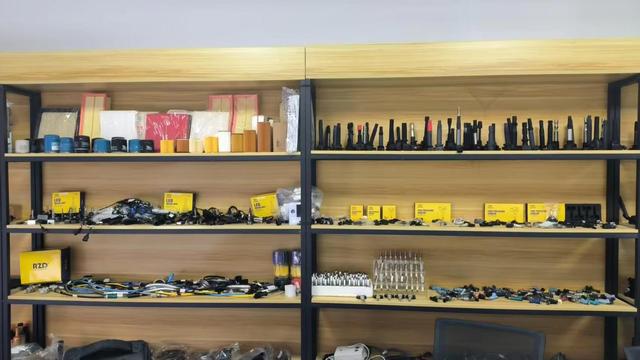
The company focuses on the production of suspension components, brake system parts, steering system components, engine-related parts, chassis assemblies, drivetrain components, and other automotive solutions designed for passenger vehicles, commercial vehicles, and specialty transportation applications. Through continuous investment in advanced machining equipment, automated production technologies, and testing systems, Mayumi Auto delivers products engineered for durability, reliability, and consistent performance.
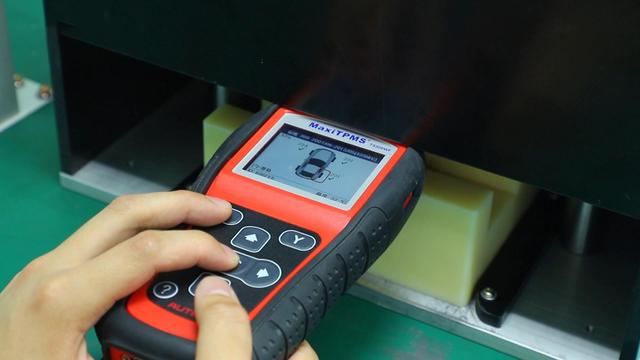
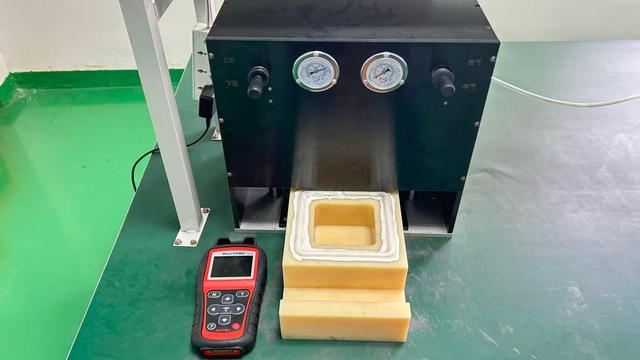
Quality assurance is integrated throughout the manufacturing process, from raw material inspection and precision machining to assembly verification and final performance testing. The company follows stringent quality management procedures to ensure products meet international industry requirements and customer specifications.
Mayumi Auto also provides flexible OEM and ODM manufacturing services, supporting customers with customized product development, private-label production, technical design optimization, and application-specific automotive solutions. Its engineering and production teams work closely with global partners to deliver efficient and scalable manufacturing support.
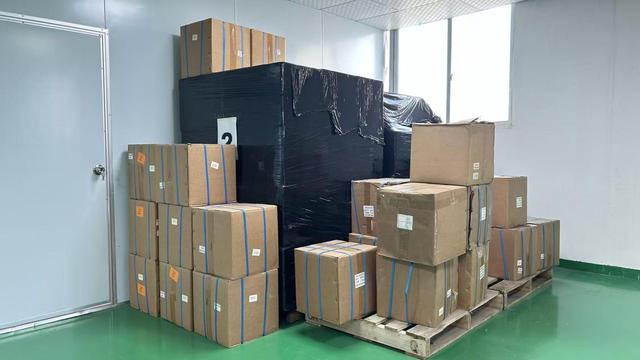
Today, Guangzhou Mayumi Auto Co., Ltd. exports its products to North America, Europe, South America, the Middle East, Southeast Asia, and other international markets. By combining manufacturing expertise, engineering innovation, and customer-focused service, the company continues to provide dependable automotive component solutions that support the evolving needs of the global automotive industry.
Utilized for high-conductivity applications. Pure copper busbars ensure minimal heat buildup under continuous loads, supporting system longevity and lowering thermal signatures.
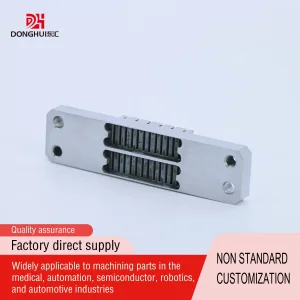
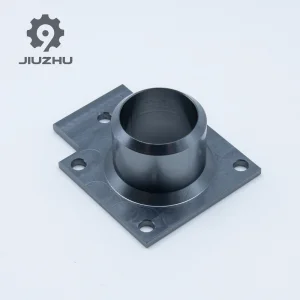
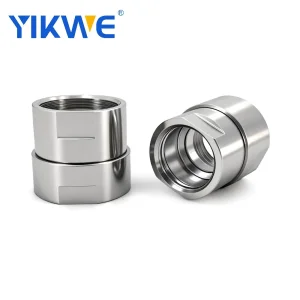
For applications where tolerances must be kept tight, CNC-milled brass and aluminum components offer precise interfaces that reduce structural friction and contact resistance.
Specially structured arc-extinguishing cores handle the high voltage and current demands of metropolitan railway networks, safely routing electric arcs away from critical circuits.
The choice of material determines the safety factor and efficiency of any electrical grid. While standard copper is widely used, applications in heavy industrial switchgear require specialized H70 brass and high-purity oxygen-free copper. These materials boast low electrical resistance, preventing the accumulation of high temperatures that cause degradation in distribution panels.
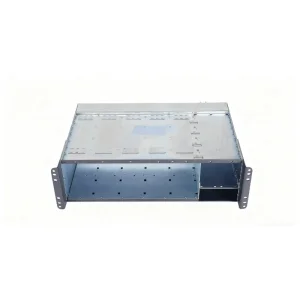
Furthermore, SPCC steel stamping components provide structural integrity. SPCC (Steel Plate Cold Commercial) is selected for its high dimensional accuracy and clean surface finish, making it suitable for brackets, mountings, and enclosures used in NEMA electrical assemblies. Applying a zinc or nickel plating over these stamped parts prevents galvanic corrosion, ensuring longevity in Chicago's humid and industrial environments.
The industry is transitioning toward "Smart Components"—standard physical parts integrated with sensor channels or designed to support real-time thermal monitoring. As the industry advances to 2030, standard switchgear components must adapt to higher voltage thresholds, especially with the introduction of 1500V DC solar arrays and ultra-fast commercial EV charging networks.
Our design methodology integrates advanced thermodynamic simulations, ensuring that every bracket, busbar, and joint is modeled to optimize heat dissipation. By selecting materials with high thermal conductivity, we assist global system integrators in reducing overall cabinet dimensions while maintaining compliance with UL and NEC standards.

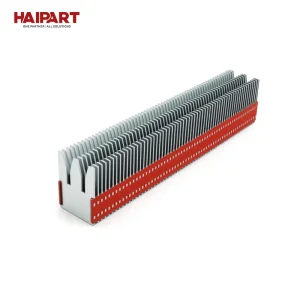
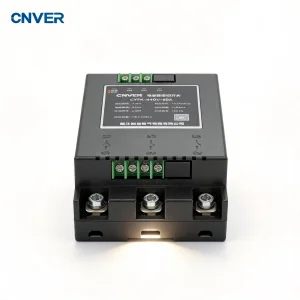
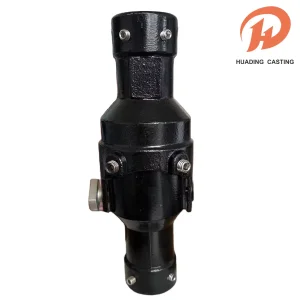
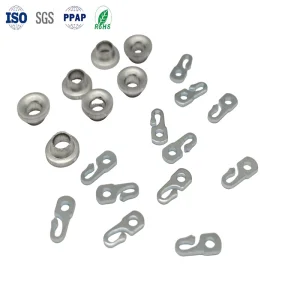
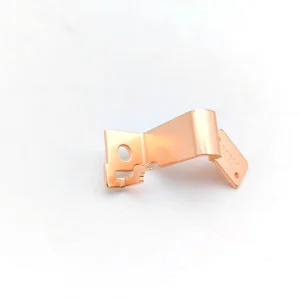
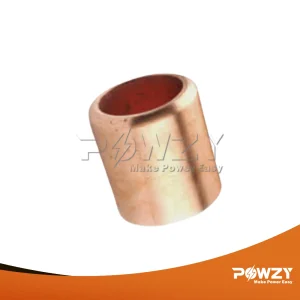

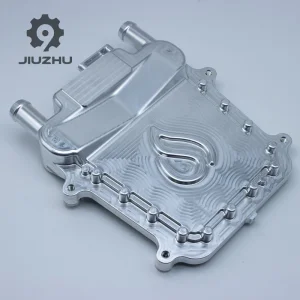
Manufacturing electrical components for high-voltage and low-voltage distribution grids requires strict alignment with internationally recognized regulatory frameworks. For the Chicago and broader US markets, compliance with Underwriters Laboratories (UL) standards, specifically UL 891 (switchboards) and UL 67 (panelboards), is mandatory. These certifications guarantee that copper and brass alloys utilized in terminals and disconnect mechanisms can withstand physical stresses, electrical overloads, and elevated temperatures without structural degradation.
In addition, safety policies demand compliance with RoHS (Restriction of Hazardous Substances) and REACH protocols, confirming that no dangerous compounds are present in plastic housings, insulating coatings, or surface platings. By partnering with advanced production facilities like Guangzhou Mayumi Auto Co., Ltd., which follows stringent testing, we implement structured tracking protocols. Every shipment of raw copper, steel plates, or machined brass is backed by material mill sheets and trace certificates.
Modern distribution stations are migrating from centralized grids to smart grids, which require robust hardware to handle intermittent loads from wind and solar power. Fluctuations in input voltage can cause sudden thermal expansion and contraction, which stresses terminal contacts. Our precision-machined brass components and copper busbars are designed to manage these cycles, preventing contact loosening and micro-arcing.
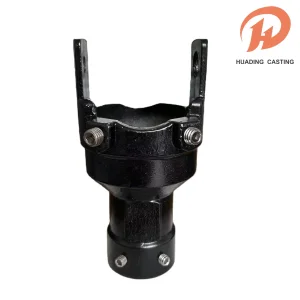
By sourcing custom brackets and connectors with consistent mechanical properties, utility engineers in the Chicago area can confidently implement grid upgrades, optimize regional power transmission, and support EV charging hubs.
 Mayumi Auto