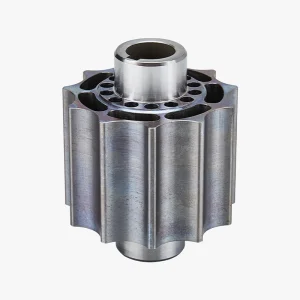
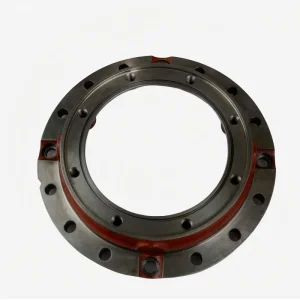
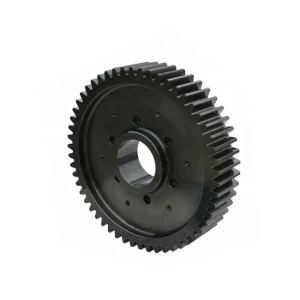
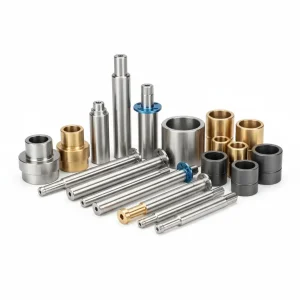
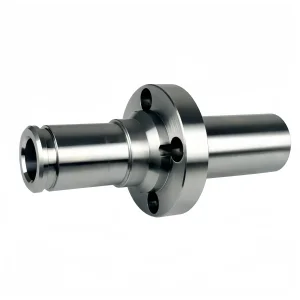
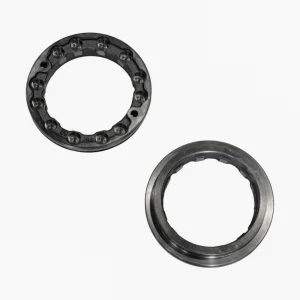
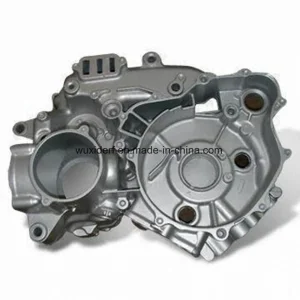
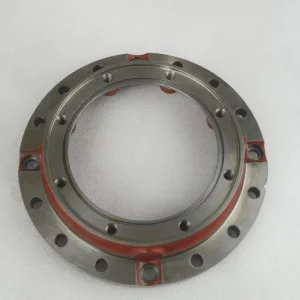
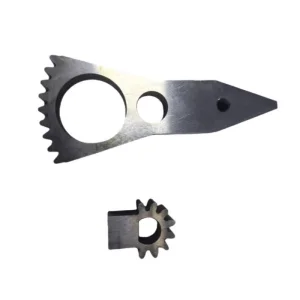
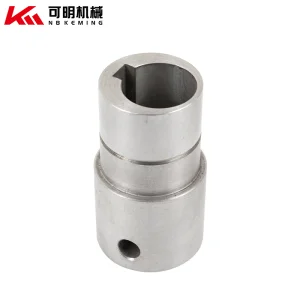
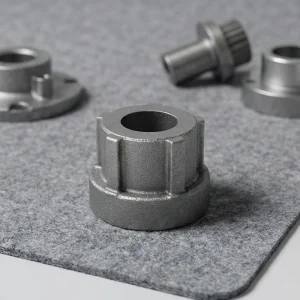
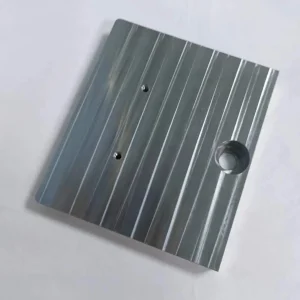
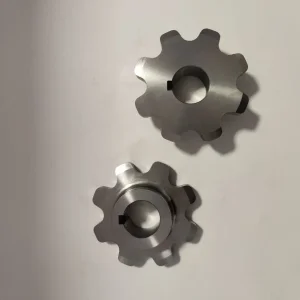
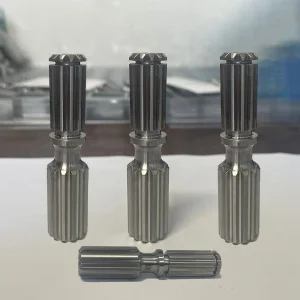
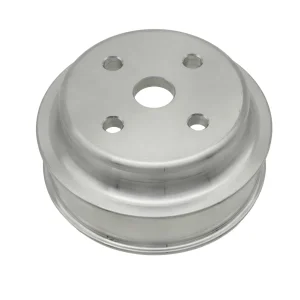
Explore our core selection of precision-machined gears, shafts, sleeves, and castings designed for high-performance industrial applications.
In the modern industrial landscape, high-precision transmission components form the structural foundation of kinetic systems, direct-drive mechanisms, and complex multi-axis machinery. From automotive drivetrains to industrial robotics, the demand for mechanical efficiency, component durability, and dimensional accuracy has escalated dramatically. As mechanical systems transition to high-frequency and high-torque environments, standard component designs are being replaced by highly customized metallurgical formulations and specialized surface coatings.
Global procurement strategies have evolved beyond simple cost-efficiency calculations. Today, tier-one manufacturers and engineering companies look for suppliers that can integrate Design for Manufacturability (DFM), advanced metallurgical testing, and predictable logistics operations. The global shift towards electrification in passenger and commercial vehicles, alongside the rapid integration of robotic automation in warehouses and assembly lines, has created a major demand for lightweight, low-backlash, and high-performance transmission assemblies.
The rapid shift to electric drivetrains demands extremely quiet, high-RPM gear systems with tight dimensional tolerances to minimize high-frequency noise and vibration.
Modern automated machinery relies on planetary gears and micro-shafts capable of transferring massive torque loads without increasing the system's physical footprint.
Surface treatments like gas nitriding, induction hardening, and physical vapor deposition (PVD) are standard steps to extend the working life of heavy-use machinery.
To succeed in this evolving market, manufacturing partners must offer full-process engineering capability. This spans from initial structural modeling and material selection to high-volume manufacturing, advanced non-destructive testing (NDT), and local import compliance. Standardizing on ISO-certified and IATF-registered facilities ensures that products will perform reliably in demanding operational environments.
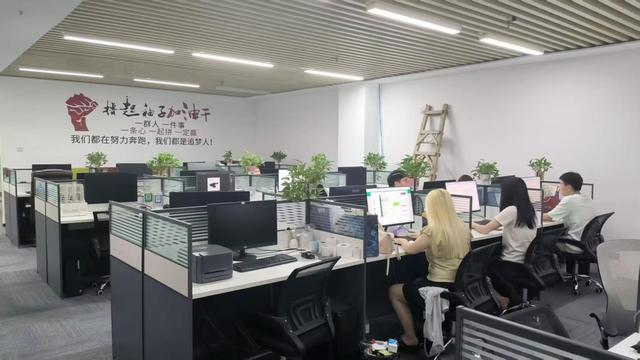
Guangzhou Mayumi Auto Co., Ltd. is a specialized manufacturer of automotive parts and custom vehicle component solutions for global OEM, aftermarket, and commercial vehicle markets. Established in 2011, the company is situated in Guangzhou, Guangdong Province, one of China's primary automotive manufacturing and supply hubs. Operating from a modern production facility spanning 25,000 square meters and supported by a team of over 280 professionals, Mayumi Auto maintains complete capabilities in product development, precision CNC machining, quality control, and international supply chain management.
We focus on manufacturing suspension components, brake systems, steering system components, engine-related parts, chassis assemblies, drivetrain parts, and custom transmission components for passenger cars, commercial transport, and specialty machinery. Through regular investments in advanced machining equipment, automated manufacturing lines, and coordinate measuring machines (CMM), we deliver components engineered for long-term durability and consistent performance.
Quality assurance is built directly into our production processes, starting from initial raw material inspection and precision machining to assembly verification and final load testing. Our strict quality control systems help us meet international industry standards and precise customer specifications. Mayumi Auto also offers flexible OEM and ODM services, assisting partners with customized designs, private-label manufacturing, technical optimization, and project-specific transmission components.
Developing reliable transmission components requires careful material selection and precise manufacturing processes. The industry technical roadmap highlights a transition towards lightweight metal alloys, high-precision tooth profiles, and advanced surface engineering. Below is an overview of the technical parameters and materials driving modern drivetrain development:
We use specific materials to meet different application demands, including:
Our machining processes are designed to hit extremely tight tolerances for high-performance applications:
Looking forward, transmission designs will continue to focus on weight reduction and lower friction to optimize energy efficiency. Integration of composite materials and high-precision gear designs will become more common. In the robotics and aerospace sectors, the adoption of planetary gear reducers with zero-backlash ratings is driving the need for extremely precise milling and finishing techniques. Our engineering and manufacturing processes are constantly updated to align with these changing industry needs.
Guangdong's industrial corridors provide a highly efficient manufacturing ecosystem for precision metal components. Sourcing from Guangzhou allows global buyers to benefit from a complete supply chain that handles every stage of production—from raw metal casting and specialized forging to advanced heat treatment and surface finishing. This regional concentration reduces logistics times, simplifies material sourcing, and speeds up product turnaround.
Our regional supply networks offer exceptional flexibility, allowing us to adapt production lines to match changing demand patterns, customize batch sizes, and provide fast prototyping services. Supported by direct access to major shipping ports in Guangzhou, Shenzhen, and Hong Kong, we offer efficient international shipping options to North America, Europe, South America, and Southeast Asia.
Direct integration with local material refiners, specialized heat-treatment plants, and testing facilities ensures consistent component quality.
Flexible tooling and CNC programming enable us to support both low-volume prototype builds and large-scale OEM production runs.
Our location provides access to major air and sea shipping hubs, helping us optimize shipping costs and delivery timelines.
We design and manufacture transmission components for a wide range of industrial applications, ensuring each part meets the specific operating demands of its target environment:
Commercial vehicles and heavy trucks require transmission parts that can handle constant high torque and load stress. Our forged gear shafts, planet carriers, and variable-speed partitions are heat-treated to achieve a hardened outer layer and a tough core. This improves component wear resistance and helps prevent failures in demanding commercial driving conditions.
Robotic joints and automated conveyor systems require low-backlash, highly repeatable gearboxes. We produce high-precision shafts, motor couplers, and planetary gears using precision CNC grinding. This helps minimize position errors, reduce noise levels, and ensure smooth motion profiles.
Weight and structural reliability are critical factors for drones and aerial platforms. Our specialized components, including anodized aluminum connectors and micro-gearboxes, are machined to reduce weight while maintaining the necessary structural strength.
Farming equipment operates in harsh environments with exposure to dirt, moisture, and variable mechanical loads. Our tractor transmission housings and casting components are built using corrosion-resistant aluminum and specialized alloys to ensure long-term durability in outdoor applications.
Quality management is integrated throughout our manufacturing processes, from incoming raw material verification to final component inspection. We implement standardized quality checks to ensure every transmission component meets specified dimensional and material requirements.
We use spectrometer analysis to verify the chemical composition of incoming alloys, alongside ultrasonic testing to detect potential internal structural defects.
Using coordinate measuring machines (CMM) and optical profile projectors, we verify that critical gear profiles, bores, and threads align with engineering blueprints.
Our testing laboratory conducts microhardness testing, surface roughness analysis, and torque-load testing to confirm that parts meet specified operational ratings.
Our manufacturing documentation includes full material traceability, process parameters, and dimensional inspection sheets. These records provide transparency and trace verification for safety-critical automotive, medical, and aerospace applications.
Find answers to common questions regarding engineering specifications, customization options, and international shipping.
For standard prototype parts, we typically deliver within 10 to 15 working days. This includes initial CAD review, material sourcing, CNC programming, machining, and surface treatment. High-volume casting or forging tooling may require 30 to 45 days for tooling design, fabrication, and initial sample verification.
We use controlled heat-treatment processes like induction hardening or case carburizing. This allows us to create a wear-resistant surface layer (case depth adjusted per engineering requirements) while maintaining a ductile core that can absorb shock loads without cracking.
Yes, our engineering team works directly with standard CAD formats including STEP, IGES, and DWG. We review your designs to ensure manufacturability and can recommend materials, tolerances, and surface treatments to optimize performance and production cost.
We generally recommend structural aluminum alloys like 6061-T6 or 7075-T6, which are then clear or color anodized. These materials provide a high strength-to-weight ratio and good corrosion resistance, making them well-suited for payload-sensitive aerospace and robotics applications.
Our production lines operate under strict quality management procedures designed to align with ISO 9001 and IATF 16949 standards. This ensures structured trace controls, regular equipment calibration, and consistent quality metrics from raw materials to final packaging.
Explore more specialized gears, reducer components, and customized assemblies from our manufacturing catalog.
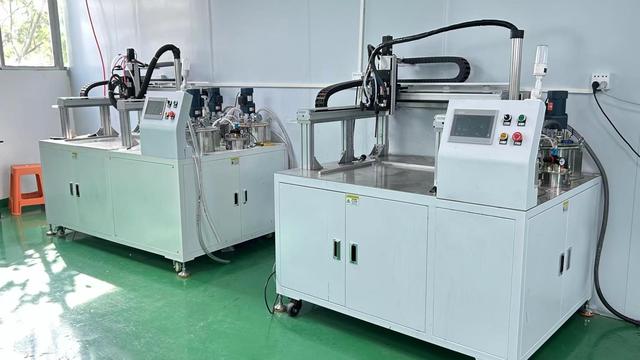
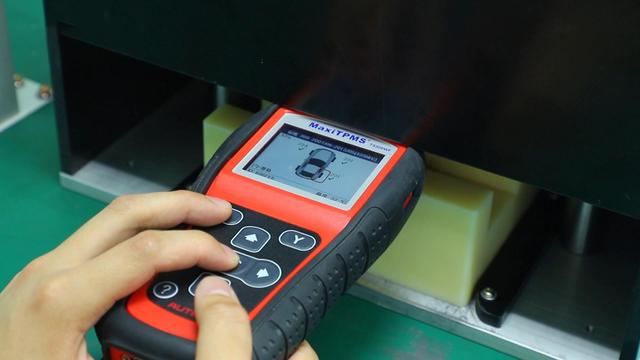
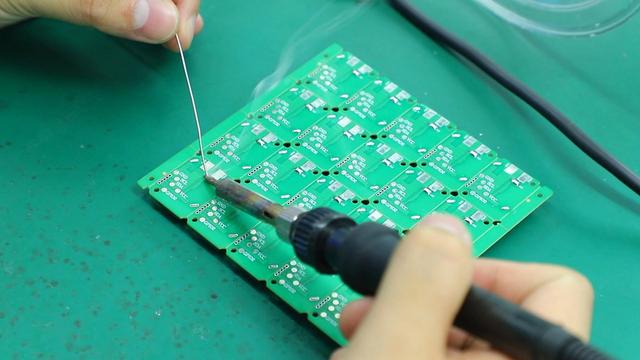
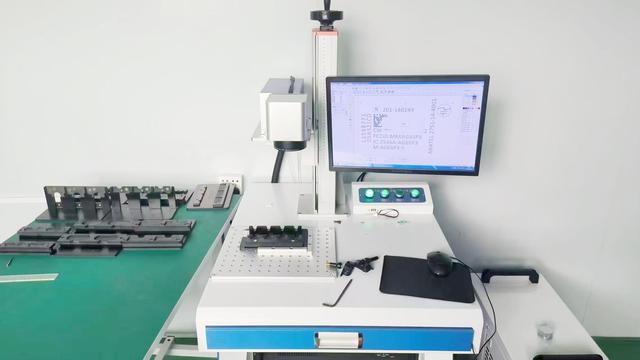
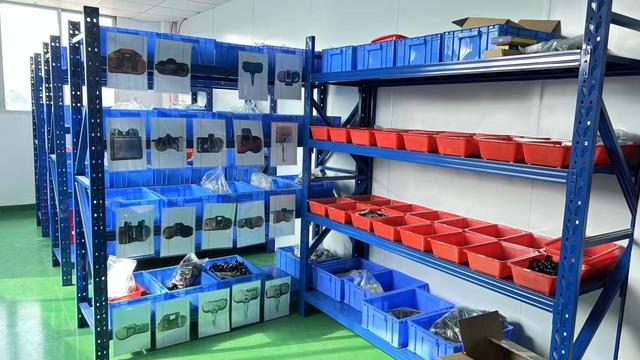
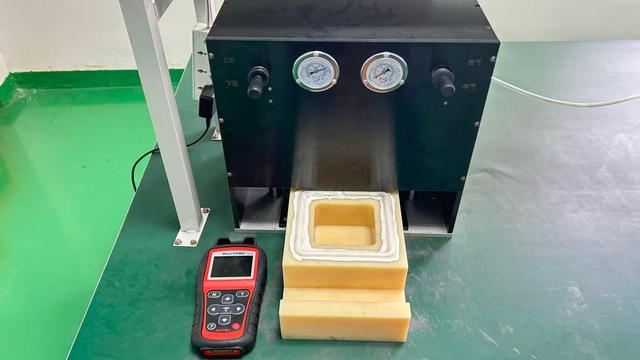
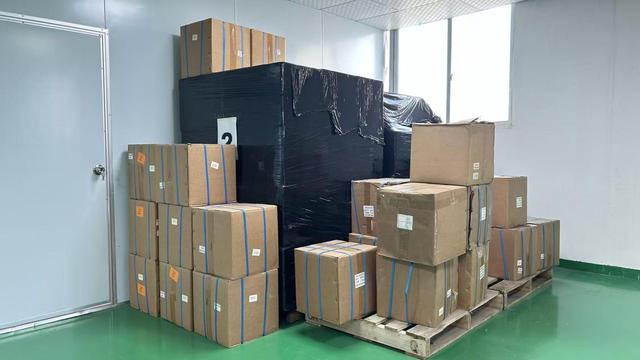
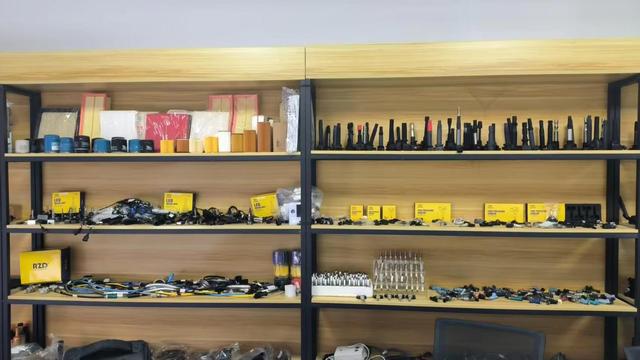
A look inside our 25,000 square meter facility, showcasing our production lines, testing laboratories, and CNC machining centers.
 Mayumi Auto