Explore our flagship mechanical and electronic fuel system components engineered for critical applications.
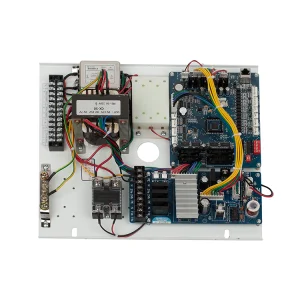
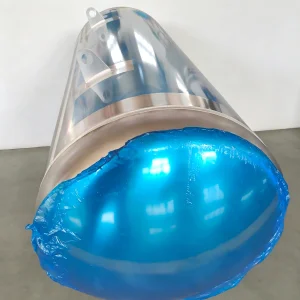
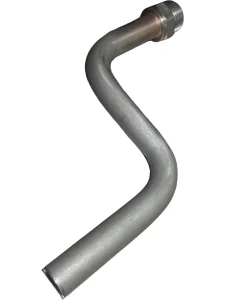
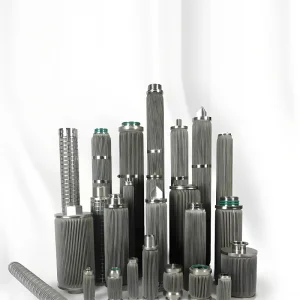
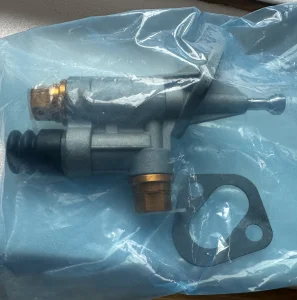
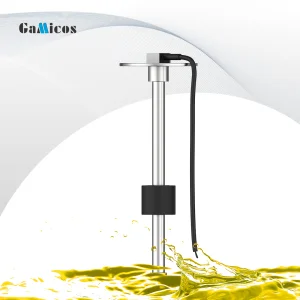
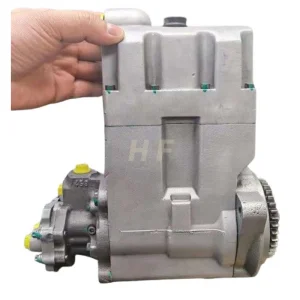
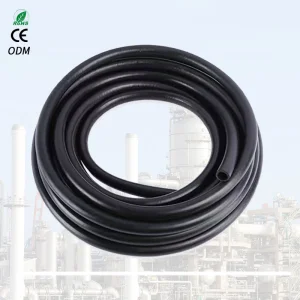
Modern internal combustion engines, marine power plants, and distribution terminals require absolute precision in fluid dynamics. Fuel system components serve as the critical interface between bulk fluid storage and high-pressure atomization, where tolerances are measured in microns and system pressures regularly exceed 2,000 bar in modern common rail layouts. As global standards for emissions and performance tighten, the engineering design parameters of transfer conduits, filtration assemblies, control electronics, and pumping mechanics must rise to meet strict physical and regulatory benchmarks.
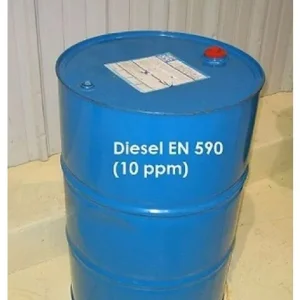
Providing functional reliability at this scale involves an intersection of chemical resistance (such as compatibility with ultra-low sulfur diesel EN590 or volatile aviation fuels), structural metallurgy (such as utilizing passivated Stainless Steel 304 and 316), and electronic monitoring (evidenced by float-type level gauges and digital control loops). The pursuit of maximum thermal efficiency and low emissions makes the selection of components critical for global operators.
We specialize in designing systems that control pressure differentials, filter particulate contaminants down to 2 microns, and verify continuous level telemetry across complex operating envelopes.
A premier manufacturer specializing in automotive parts and vehicle component solutions for global OEM, aftermarket, and commercial markets.
Established in 2011 in Guangzhou, Guangdong Province, we run a 25,000 square meter factory. Our team of 280+ skilled employees focuses on precision machining, assembly, and strict testing.
Our engineering and production teams work closely with global partners to provide custom product development, private-label manufacturing, technical design optimization, and custom solutions.
We export components to North America, Europe, South America, the Middle East, and Southeast Asia. We meet the strict international standards of aftermarket and fleet customers.
How our components operate under intense pressure, extreme weather, and strict regulations.
Construction machinery, dump trucks, and specialized engineering vehicles operate in dusty, high-vibration, and variable-load environments. Our aluminum alloy fuel tanks and high-pressure fuel hose assemblies are engineered to withstand continuous structural vibrations. Flexible fuel line systems prevent fatigue cracks, while high-capacity filters keep out particles, protecting downstream fuel injectors.
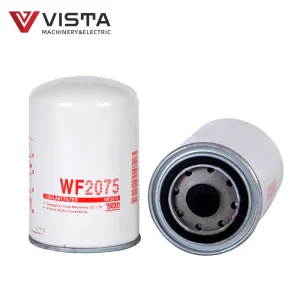
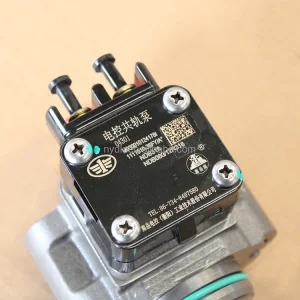
Emergency backup power and continuous remote generators rely on clean fuel delivery. The implementation of high-performance fuel filters (e.g., WF2075) and common rail components ensures stable injection. This stabilizes engine speed and output frequency. Level sensors (e.g., float-type measuring gauges) connect with building management software to support real-time inventory monitoring and fuel safety.
Fuel dispensers and keypads at commercial refueling depots must operate reliably through millions of duty cycles. The control panels, keypads, and related electronics must resist fuel fumes, rain, UV rays, and physical wear. Integrated filtration at the dispenser keeps sediment out of vehicle tanks, protecting downstream fuel systems.
Aviation fuel handling requires strict adherence to density and flash point parameters (e.g., Jet A-1 turbine fuel with 775-840 kg/m³ density and >38°C flash point). From transportation to high-altitude injection, fuel lines and seals must handle pressure drops and sub-zero temperatures. This prevents fuel freezing and maintains consistent flow rates.
| Phase / Technology | Core Focus Area | Key Features |
|---|---|---|
| Phase I: Ultra-High Pressure | Common Rail Optimization | Operating pressure up to 2,500+ bar, fine atomization, multi-injection timing. |
| Phase II: Alt Fuel Adaptability | HVO, Biodiesel, Synthetic Fuels | Elastomers designed for chemical resistance, prevents corrosion from biofuels. |
| Phase III: Hydrogen & E-Fuels | Zero-Emission Transport | Gas-tight seals, high-strength storage alloys, integrated pressure safety venting. |
| Phase IV: Smart Sensors (IoT) | Predictive Maintenance | Real-time flow monitoring, water-in-fuel indicators, cloud-connected diagnostics. |
The transition toward cleaner transportation requires fuel systems to evolve on two main fronts: compatibility with low-carbon alternative fuels and the addition of digital diagnostic sensors.
Sustainable Aviation Fuels (SAF), hydrotreated vegetable oils (HVO), and biodiesel blends interact differently with materials than traditional petroleum. Our research team focuses on developing seals, pipes, and filter media that resist the chemical degradation associated with synthetic fuels. Simultaneously, we are exploring gas-tight containment structures for high-pressure gaseous hydrogen fuel systems.
On the digital side, integrating smart sensors into filters and injection systems helps fleets detect water contamination or pressure drops early. This allows operators to perform maintenance before components fail, reducing downtime.
Leveraging Guangzhou's automotive industrial ecosystem to deliver reliable, high-quality components.
Our facility in Guangzhou is surrounded by advanced material suppliers, heat treatment facilities, and testing labs. This geographical proximity reduces logistics times and ensures a steady supply of raw materials.
We invest in CNC machinery and automated assembly lines to keep production tolerances tight. Every component undergoes strict quality checks at multiple stages to ensure performance consistency across batches.
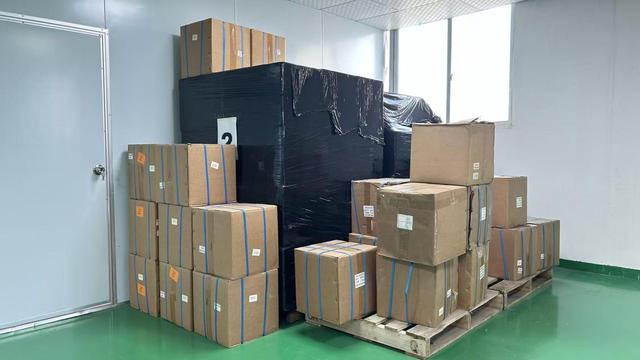
With close proximity to the Port of Guangzhou and Port of Shenzhen, we coordinate container shipments, customs documentation, and global freight networks efficiently. This helps ensure timely delivery to international buyers.
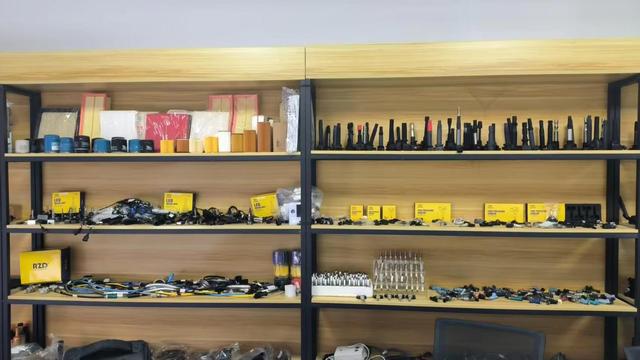
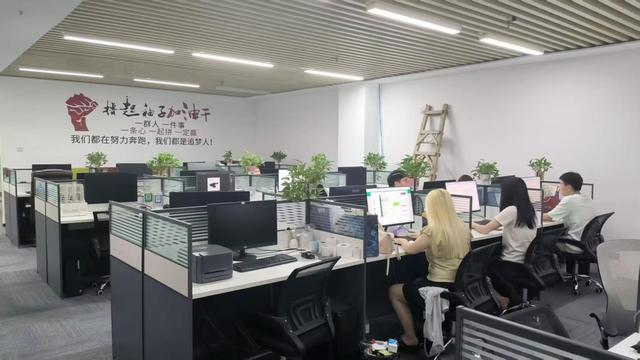
Take a look inside our 25,000 square meter plant, highlighting our clean assembly spaces and machinery.
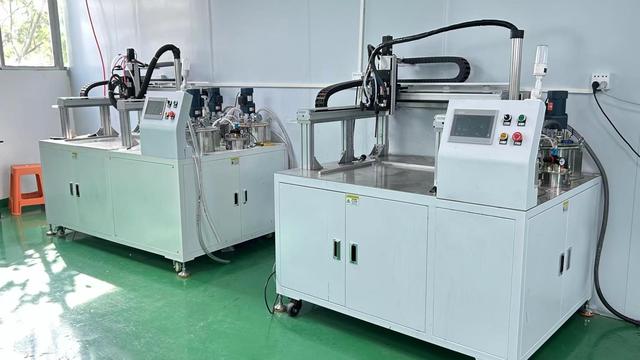
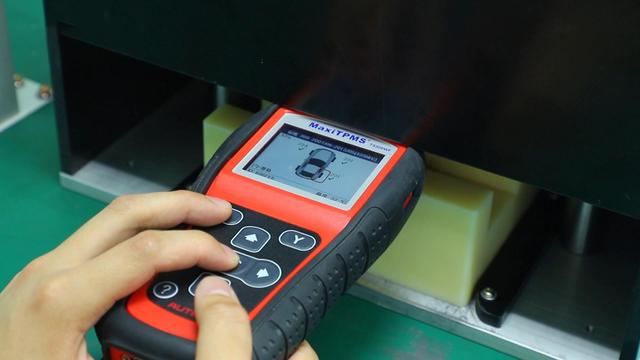

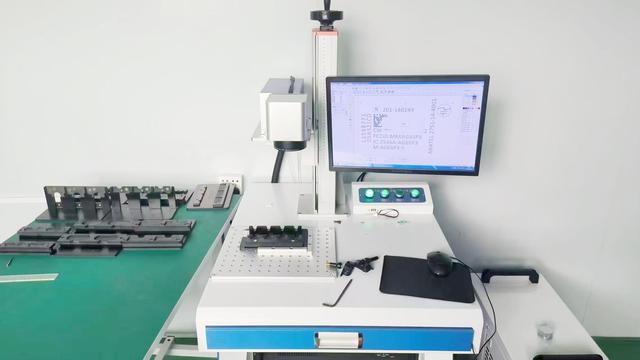
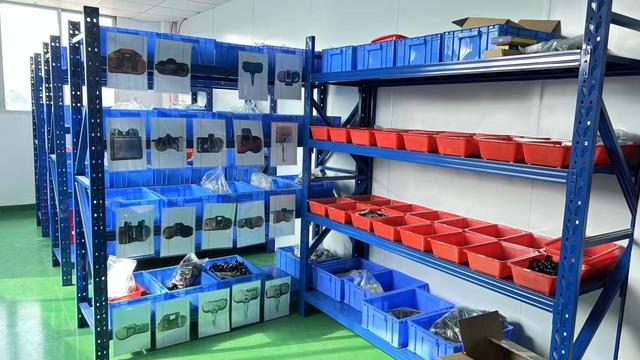
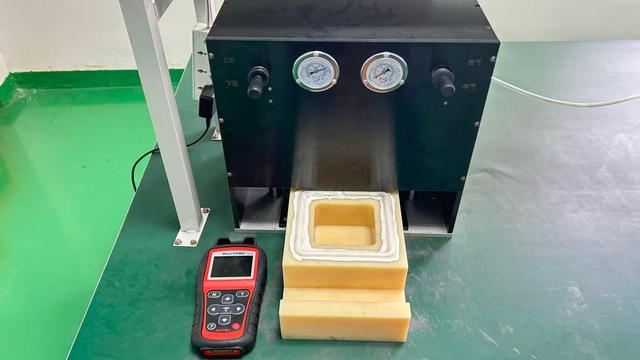
We perform rigorous checks on our fuel system components to ensure reliability in challenging environments. The manufacturing process begins with incoming raw material testing, checking the alloy composition of stainless steel and aluminum to confirm strength and corrosion resistance. Precision-machined parts then undergo dimensional analysis to verify tolerance conformity.
Components undergo simulated lifecycle testing to evaluate performance under pressure spikes and thermal cycling. Completed systems are pressure tested to check for leaks and confirm seal integrity. This step-by-step quality approach helps us deliver parts that meet international standards and keep engines running reliably.
Answers to common technical questions about fuel system design, material choice, and ordering.
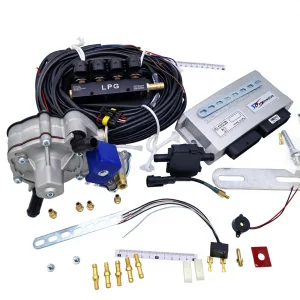
Complete your vehicle and station fuel systems with our certified auxiliary assemblies.

 Mayumi Auto