Explore our high-performance structural, mechanical, and molded exterior parts developed to meet rigorous international quality certifications.
The transition toward electrification, automated driving, and circular economy principles is rewriting the standard for industrial components.
The global automotive and industrial machinery sectors are undergoing an unprecedented shift. As manufacturers push for longer-range electric vehicles (EVs) and lower carbon emissions across commercial fleets, the design, weight, and integration of body & exterior components have become key drivers of performance. Modern engineering requires exterior panels and structural systems to do more than shield inner chassis; they must actively improve vehicle dynamics, streamline thermal regulation, and withstand harsh operational environments.
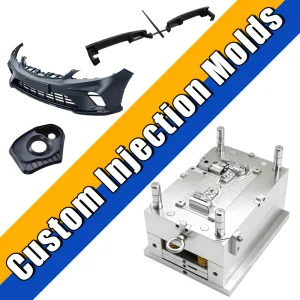
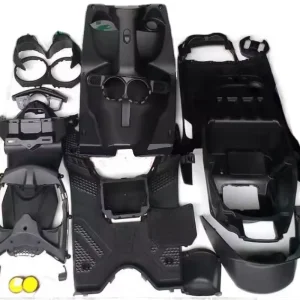
One of the dominant design patterns is the integration of multi-material setups. Historically, vehicle bodies relied almost entirely on traditional deep-drawing steel. Today, factories leverage composite matrix structures: lightweight aluminum structural parts (e.g. Al6061 and Al6063) for door frames and bumpers, high-impact polycarbonate/ABS blends for modular body kits, and carbon fiber reinforcement for critical structural supports. Achieving seamless joint integrity between these dissimilar materials, while preventing galvanic corrosion, requires precision tooling and specialized insert injection molding capabilities.
Reducing the drag coefficient (Cd) is critical for range extension in battery-powered vehicles. Sleek, flush-fitting components, integrated active air flaps, and aerodynamic underbody panels are now standard requirements for Tier-1 suppliers.
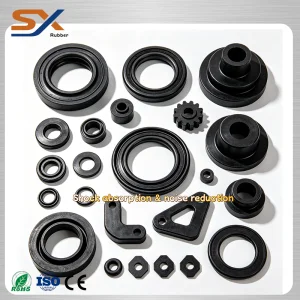
Without standard combustion engines, cabin noise becomes more noticeable. Advanced UV-resistant EPDM rubber gaskets (60A durometer) are engineered to minimize wind noise and prevent moisture ingress around lighting assemblies and body pillars.
Global regulations enforce vehicle end-of-life recyclability. Manufacturers are specifying eco-friendly, recyclable thermoplastics and bio-based composites that maintain high tensile strength and chemical resistance over years of environmental exposure.
A deep look at our modern production capabilities, engineered quality assurance, and global supply chains.
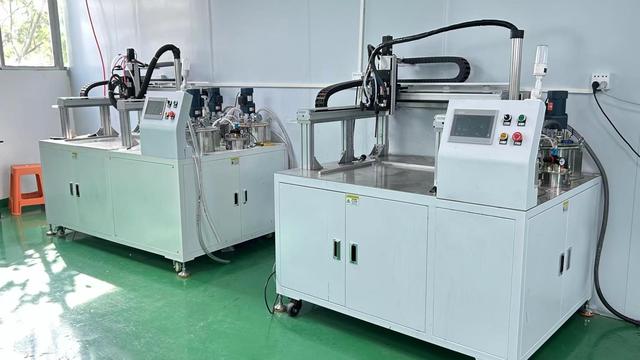
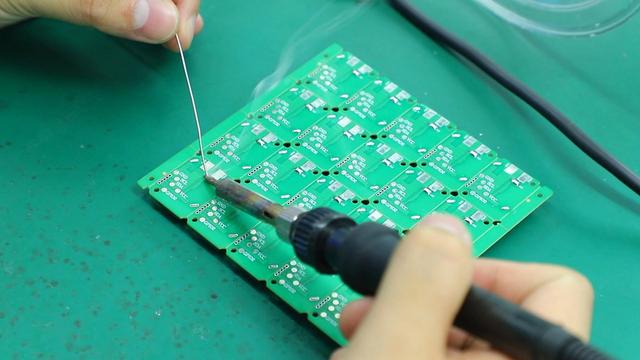
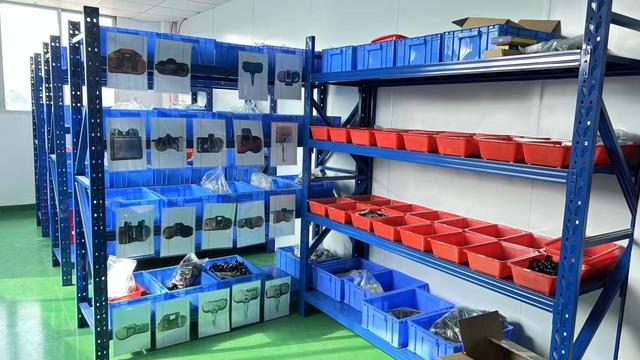
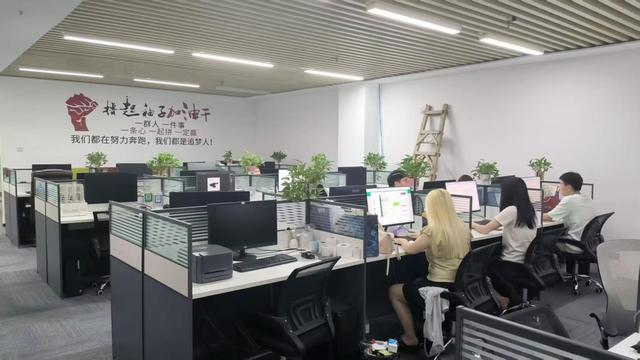
Operating from the industrial manufacturing heart of South China, Guangzhou Mayumi Auto Co., Ltd. represents the next level of China's Factory 4.0 transformation. Our facility covers a modern production footprint of 25,000 square meters and employs over 280 highly skilled technicians, design engineers, and QA inspectors. We have built integrated production capabilities that transition seamlessly from raw material validation to precision component manufacturing, sub-assembly testing, and global logistics dispatch.
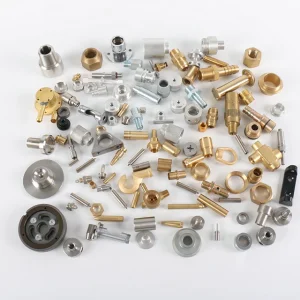
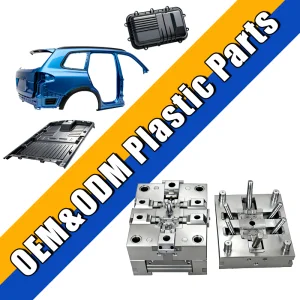
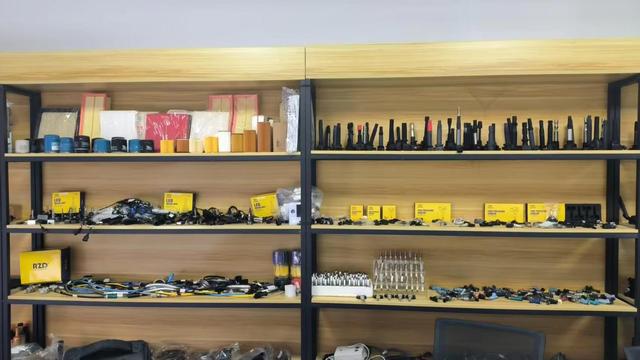
Originally established in 2011, Mayumi Auto has expanded beyond its core focus on high-precision suspension systems, steering components, and braking components to become a leading OEM and ODM manufacturer of structural exterior components. We provide customizable production services across advanced stamping, high-pressure injection molding, precision CNC machining, and specialized EPDM rubber extrusion.
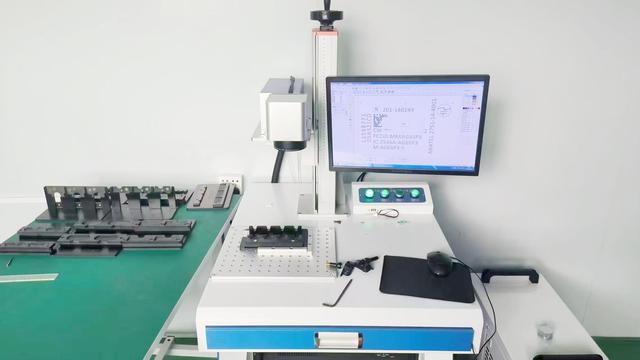
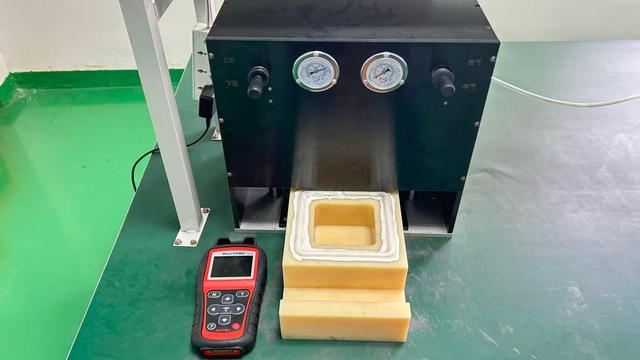
Our Factory 4.0 infrastructure leverages connected machinery and real-time production monitoring. By optimizing stamping die cycles, injection melt temperatures, and high-speed CNC cutting parameters, we ensure that every batch of steel, aluminum, or composite plastic matches your technical drawing tolerances (often within ±0.01 mm margins).
Global procurement teams must balance unit costs, technical performance, and raw material supply security.
Managing the procurement of body and exterior components requires strict risk management. Modern procurement teams face fluctuating material costs, shipping bottlenecks, and changing environmental regulations. When searching for an overseas manufacturing partner, industrial buyers require more than just low labor rates; they need comprehensive raw material traceability, reliable QA documentation, and predictable lead times.
At Guangzhou Mayumi Auto, we address these challenges through structured material supply lines and redundant production capacity. Our strategic partnerships with premier domestic raw material suppliers ensure stable access to specialty steel sheets, engineering-grade plastics (ABS, PA66, Polycarbonate), and synthetic EPDM elastomers. This shielding of our manufacturing lines from sudden material market swings allows us to provide stable pricing and consistent manufacturing timelines to partners worldwide.
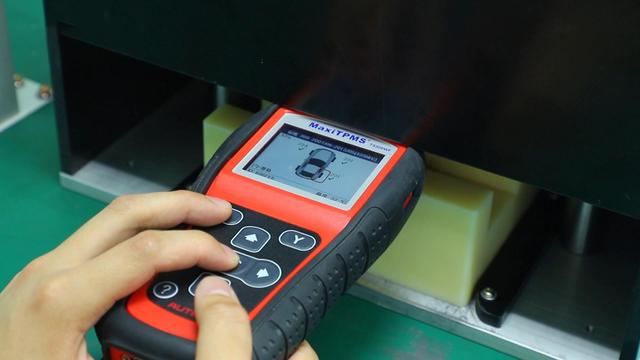
Every shipment is accompanied by detailed chemical composition reports, tensile strength certifications, and dimension verification sheets to guarantee compliance with your internal quality requirements.
Our engineering team performs comprehensive Design for Manufacturability (DFM) reviews on client CAD models, optimizing part parting lines, wall thickness, and metal insert positioning to minimize tooling wear and production costs.
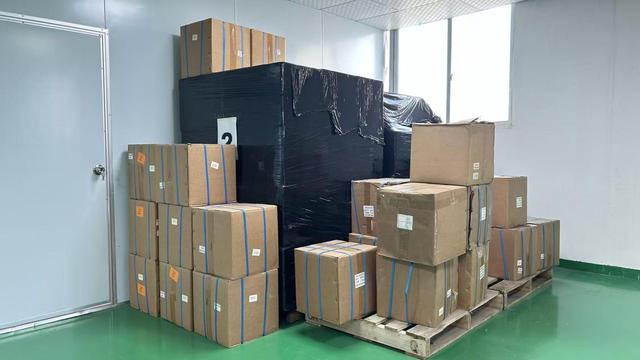
Located near major ocean cargo terminals in South China, we offer direct access to global shipping channels. We provide custom packaging, export clearing, and flexible Incoterms (FOB, CIF, DDP) to simplify international transport.
From commercial logistics fleets to precision agricultural excavators and customized passenger SUVs.
Automotive and structural body parts must perform reliably under diverse real-world conditions. A heavy-duty freight truck traversing highway networks requires different material characteristics than a micro-excavator working on urban demolition sites. By matching raw material specifications to the operational environment, we build products that deliver long-term durability in the field.
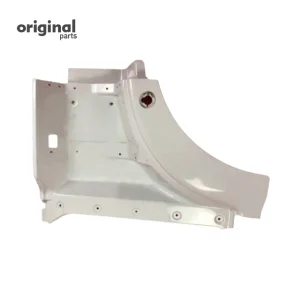
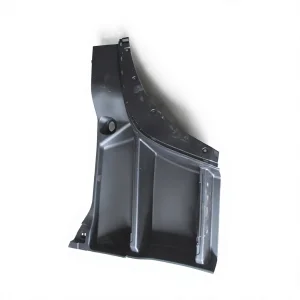
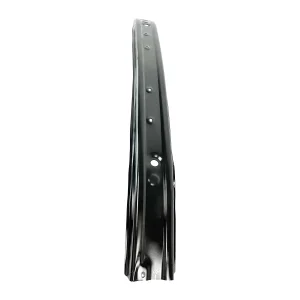
Heavy duty trucks demand structural panels capable of enduring constant structural vibration, thermal cycles, and high physical impacts. Components like the Sinotruk Right Fender and front cab components are pressed from treated alloys and engineering polymers to maintain paint adhesion, prevent rust propagation, and shield vital engine bay components from debris.
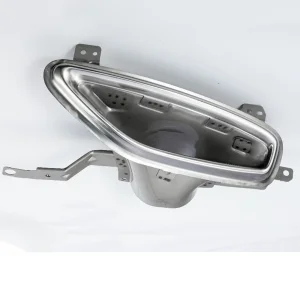
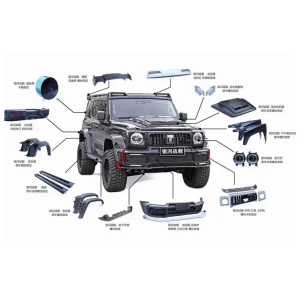
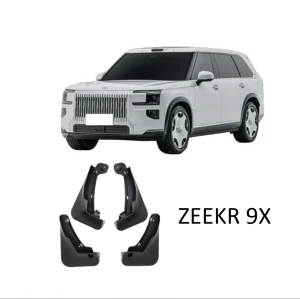
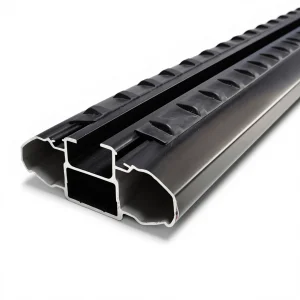
Electric vehicle architectures require significant weight reduction to offset battery pack weight. Modern platforms utilize thin-wall aluminum alloy stampings, composite under-trays, and aerodynamic roof rails (such as our custom AL6061/AL6063 roof rail systems) to reduce overall weight while protecting structural safety cells.
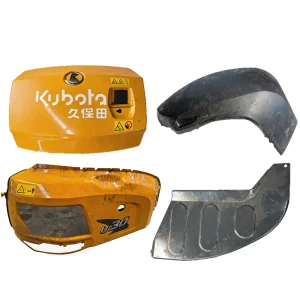
Heavy machinery, such as the Kubota U30-6 excavator panels, works in high-abrasion environments filled with dust, mud, and mechanical impact. Our heavy-gauge steel panels and outer components undergo anti-corrosion chemical baths and powder coating to ensure lasting durability under severe conditions.
Get answers to common technical queries about material characteristics, tooling development, and custom OEM processes.
Our complete range of custom-fabricated sheet metal parts, ABS plastic fairings, and complete body kit upgrades.
 Mayumi Auto