Explore our top-tier precision-engineered drivetrain, structural components, and high-conductivity electrical transmission parts designed for critical OEM applications.
A critical macro-level overview of global commercial and industrial transmission trends, material sciences, and the shift towards electrification.
The global automotive and industrial transmission components market is undergoing a structural paradigm shift. Historically centered around internal combustion engines (ICE), the modern drivetrain industry is demanding higher levels of mechanical precision, torque capacity, and structural lightweighting to support next-generation propulsion systems. From commercial logistics vehicles to high-speed rail lines and consumer electric vehicles, transmission components are the fundamental nodes that dictate energy efficiency, power transfer efficiency, and overall system lifetime.
According to international industrial supply chain reports, global demand for precision machined gear shafts, suspension geometries, and complex rotary components is expanding at a CAGR of over 6.2%. This growth is heavily driven by the integration of advanced metallurgy protocols and the stringent standards imposed by Tier-1 OEM manufacturers. To remain competitive, Chinese manufacturers and exporters are rapidly pivoting toward smart manufacturing systems, integrating multi-axis CNC machines with coordinate-measuring machines (CMM) and dynamic testing benches to guarantee reliability on a macro level.
At Guangzhou Mayumi Auto Co., Ltd., we understand that supply chain stability, high-tensile material properties, and absolute compliance with international dimensional standards are paramount. By selecting premium grades of carbon steel, lightweight high-strength aluminum alloys, and specialized carbon fiber elements, we provide industrial buyers with transmission components that perform reliably under high cyclic load distributions and harsh thermal environments.
Detailing the technical framework, equipment base, and metallurgical processes that support Mayumi Auto's precision output.
Operating from our state-of-the-art 25,000 square meter facility in Guangzhou—one of China's primary automotive and industrial manufacturing corridors—Mayumi Auto has deployed a highly vertically-integrated manufacturing pipeline. With over 280 experienced technicians and engineers, we manage projects from raw ingot procurement and forge press manipulation down to final surface finishing and microscopic analysis.
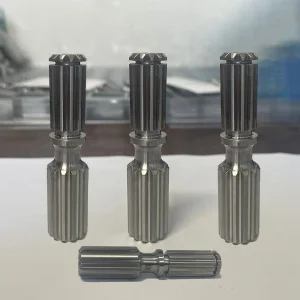
We utilize multi-axis CNC lathes and milling stations to maintain dimensional tolerances within ±0.005mm. This extreme precision ensures that spline gears, shafts, and linkages align perfectly within transmission casings, minimizing rotational friction and power loss.
To withstand extreme mechanical stresses, our components undergo specialized heat treatment processes, including vacuum induction hardening and gas carburizing. This creates a highly wear-resistant outer surface casing while maintaining a ductile core to absorb sudden mechanical shocks.
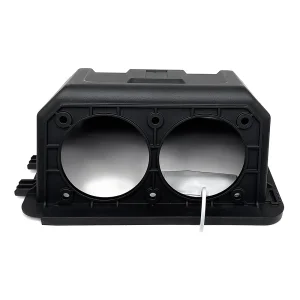
Our plastic component division utilizes modern hot-runner injection molding machines to form automotive interior components, engine-related structural housings, and complex polymer details. Utilizing carbon-fiber reinforced polyamides and engineering-grade polymers, we achieve high-tensile parts with minimized weight profiles.
Analyzing the application of our specialized drivetrain and component matrix across diverse heavy industry landscapes.
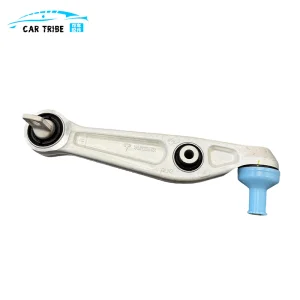
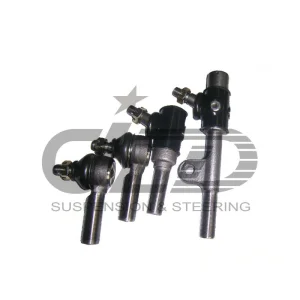
In passenger vehicles, particularly the growing Electric Vehicle (EV) segment, components like the Tesla Model Y Front Lower Control Arm undergo massive dynamic loads during cornering and acceleration. To guarantee occupant safety and handling accuracy, these control arms are hot-forged from aerospace-grade aluminum alloys, delivering high stiffness-to-weight ratios. Similarly, our tie rod ends designed for rugged platforms like the Toyota Land Cruiser are treated with protective anti-corrosion coatings to resist road grime, humidity, and off-road mechanical fatigue.
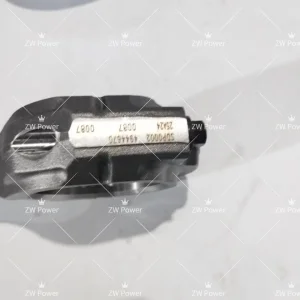
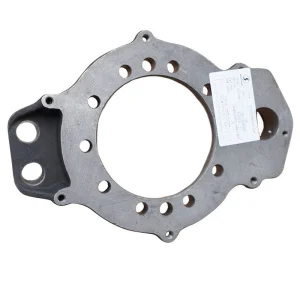
Commercial heavy trucks operate on tight logistical schedules, meaning any drivetrain or engine component failure leads to catastrophic operational delays. We produce components designed for massive diesel engine configurations, such as the Cummins Connecting Rod G4944670. By utilizing fracture-splitting manufacturing processes and balancing within strict micro-gram margins, we reduce engine vibration and increase long-term crankshaft longevity. Additionally, our heavy-duty brake systems, including brake calipers for platforms like Shacman Heavy Trucks, undergo high-pressure thermal cycle testing to avoid brake fade under sustained downhill braking.
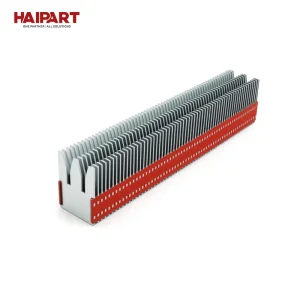
Beyond standard roadways, our production technologies serve critical transit infrastructure. The High-Reliability Arc-Extinguishing Core Component for multi-layer grid railway electrical systems represents our capability to venture into highly specialized, safety-critical railway component fabrication. Under high-voltage switching scenarios, the structural integrity of the arc-extinguishing grid prevents grid failure, proving our design capability to meet extreme reliability demands set by government railway operators.
How Mayumi Auto ensures compliance with global automotive engineering metrics and delivers seamless localized support.
To maintain active status as a Tier-1 and Tier-2 supplier to North America, Europe, South America, the Middle East, and Southeast Asia, Mayumi Auto relies on a robust Quality Management System (QMS). Our manufacturing workflows are structured under the global standard IATF 16949:2016, which dictates rigorous preventative control measures over production variations.
Every shipment of carbon steel gear shafts, control arms, and engine tensioner pulleys is accompanied by detailed metallurgical certs, coordinate measurement verification sheets, and hardness test logs. We operate a complete material traceability protocol: every batch of raw steel or alloy is assigned a unique tracking code from the foundry level, through machining, and to the final packaging stage. This ensures that in the highly unlikely event of a component failure, root-cause analysis can be conducted instantly, safeguarding the customer’s brand integrity and avoiding costly recalls.
On a localized level, Mayumi Auto offers comprehensive engineering consulting and support. We provide digital CAD/CAM rendering, FEA (Finite Element Analysis) simulating stress points on key structural components, and rapid 3D prototyping prior to cutting industrial steel molds. This collaborative approach minimizes time-to-market and ensures that custom-designed components fit seamlessly into our clients' existing assembly setups.
Adapting to the future: our research and development direction in the era of smart mobility and lightweight drivetrains.
The future of automotive and industrial transport lies in electrification, digitalization, and minimized carbon footprints. At Mayumi Auto, our engineering team is actively executing a product roadmap focused on three key areas:
1. NVH (Noise, Vibration, and Harshness) Reduction: Because electric motors run quietly compared to ICE engines, gear meshing and transmission noise are much more noticeable. We are implementing sub-micron grinding techniques for our gear shafts and utilizing polymer dampening materials inside structural chassis components to absorb high-frequency vibrations.
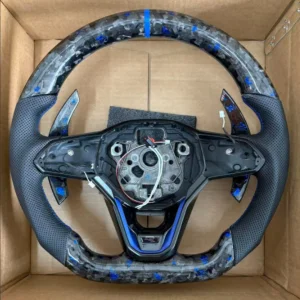
2. Lightweight Material Integration: We are expanding our forged carbon fiber steering wheel production and high-grade aluminum casting techniques to help automakers reduce curb weight, which directly translates to extended battery range for EVs and reduced fuel consumption for commercial trucks.
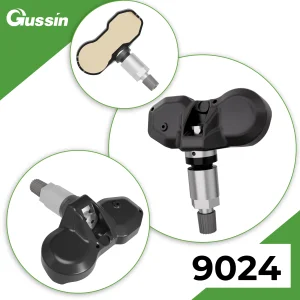
3. Smart Drivetrain Sensors: Integrating wireless, battery-less sensors directly into mechanical assemblies. Our expertise in OEM 433.92MHz Tire Pressure Sensor (TPMS) Systems is paving the way for embedded temperature and stress tracking sensors directly inside commercial truck wheel hubs and suspension arms to facilitate predictive fleet maintenance.
Professional answers to key procurement, engineering, and logistics questions from global industrial buyers.
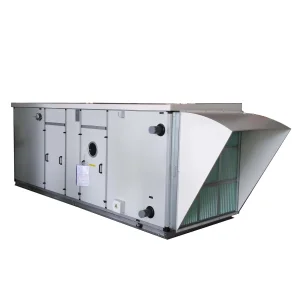
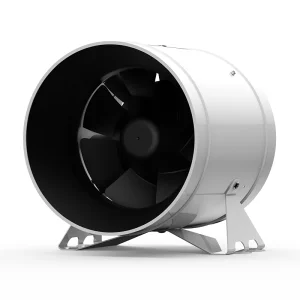
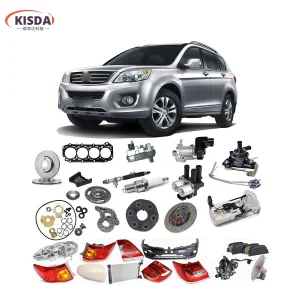
Discover our comprehensive range of specialty ventilation systems, cabin enhancements, and high-duty diesel engine chassis parts.
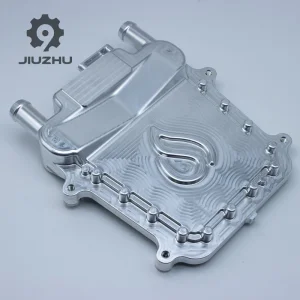
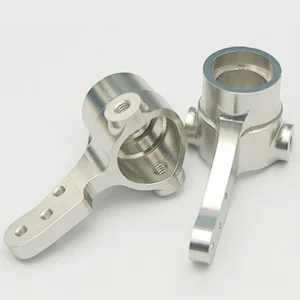
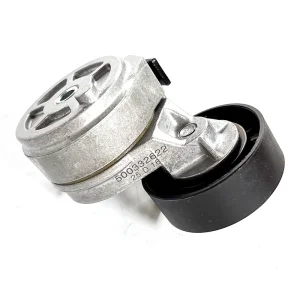
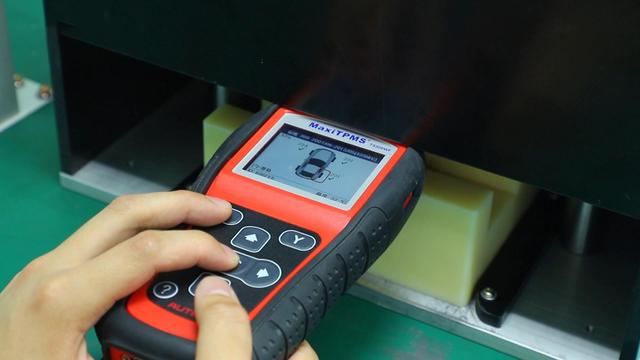
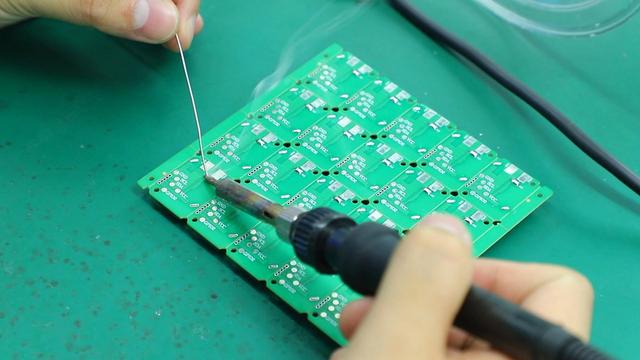
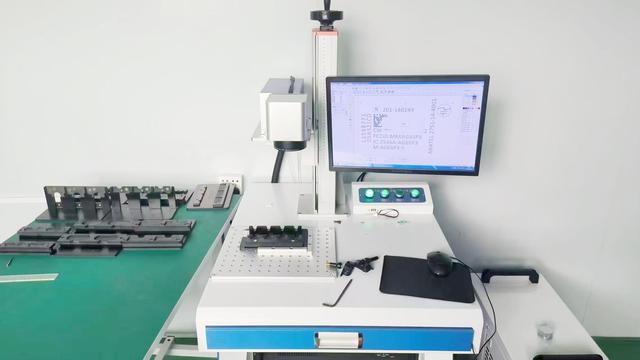
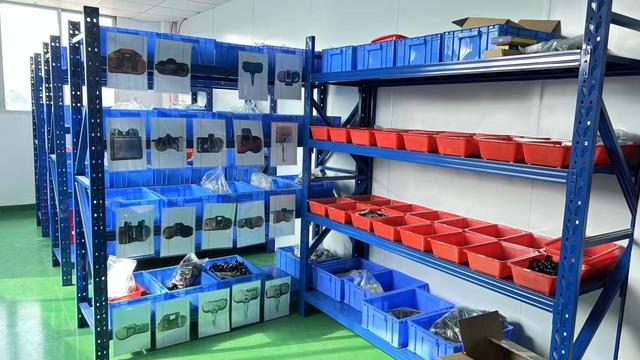
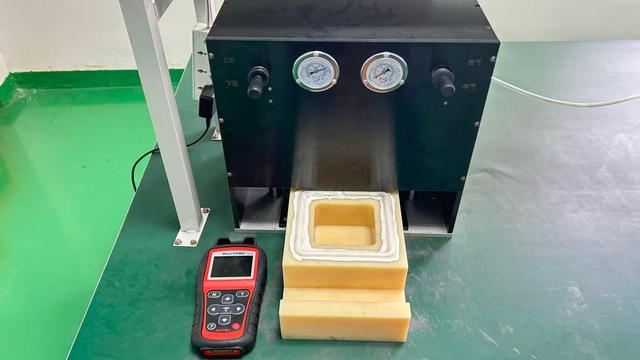
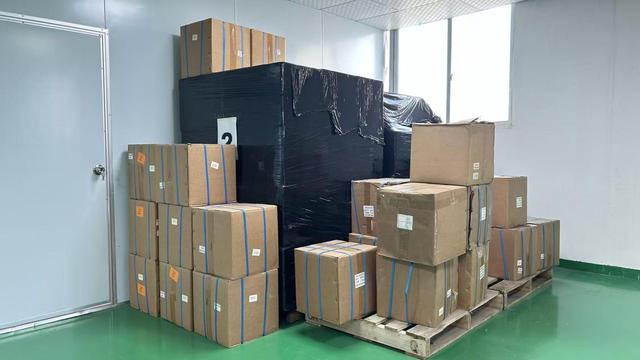
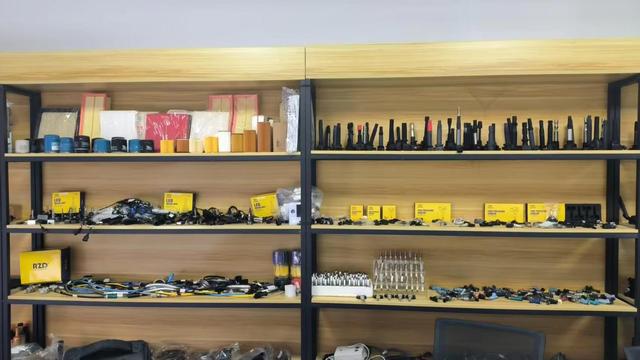
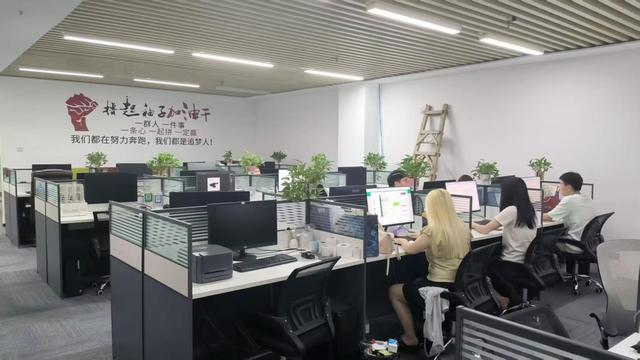
Visualizing our 25,000 square meter plant, advanced automation equipment, and quality control departments.
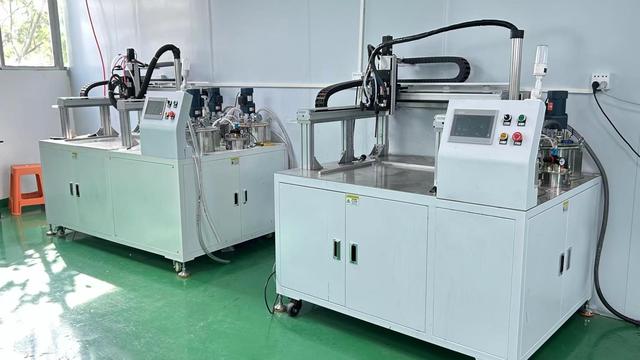
 Mayumi Auto