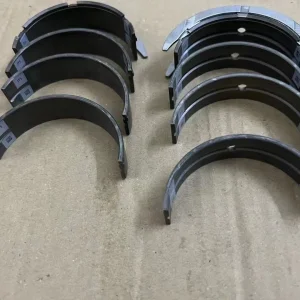
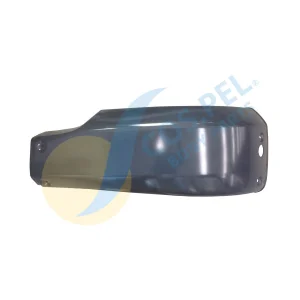
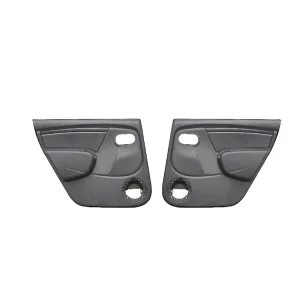
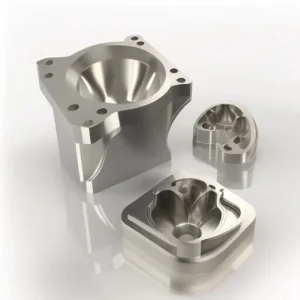
Premium manufacturing components and custom metal assemblies for automotive, industrial, and heavy-duty system integrations.
An in-depth analysis of the regulations, market changes, and structural engineering requirements shaping liquid energy storage worldwide.
In the modern industrial landscape, liquid hydrocarbon containment remains a cornerstone of logistical continuity, backup electrical generation, and heavy transportation mechanics. As global regulatory bodies tighten safety parameters, the market for CE Certified Fuel Tanks has witnessed a major paradigm shift. No longer are fuel tanks treated as simple steel containment vessels; today, they are highly engineered fluid dynamics systems designed to resist chemical erosion, mitigate vapor loss, and withstand seismic or kinetic impacts.
Geopolitically, the demand for certified liquid fuel storage solutions is bifurcated between high-density urban energy hubs requiring backup generator support and heavy industrial sectors like mining, shipping, and intermodal transport. In Europe, the strict enforcement of the European Agreement concerning the International Carriage of Dangerous Goods by Road (ADR) and European Standard EN 12285 for steel tanks has mandated that fuel containment units undergo strict type examination and quality verification before entering the market.
Similarly, the rapid development of remote power stations, backup energy grids for AI-driven data centers, and marine auxiliary fuel setups has highlighted the importance of double-walled construction, advanced leak prevention systems, and fail-safe fluid levels. For procurement officers and fleet managers, sourcing from a manufacturer capable of meeting these strict criteria is critical to protecting structural assets and maintaining compliance.
Decoding the stringent validation protocols, mechanical testing, and safety parameters required for industrial fuel containment.
Under CE directives, each tank must undergo non-destructive testing (NDT), including pneumatic pressure testing up to 0.3 bar, hydrostatic validation, and dye-penetrant checks on all critical joints to guarantee zero leaks.
EN 12285-1 and EN 12285-2 require double-walled configurations where the outer skin functions as a secondary barrier, preventing oil or fuel contamination in the event of primary structural fatigue.
Tanks undergo thorough chemical pretreatment followed by epoxy-phenolic inner linings and polyurethane outer coatings to prevent rust and galvanic reactions with modern low-sulfur diesel and jet fuels.
CE certification is a comprehensive validation of a manufacturer’s quality control system. To display the CE mark on industrial fuel containers, factories must prove adherence to standard welding protocols (ISO 3834), use only certified structural carbon steels or marine-grade aluminum, and supply complete material trace documentation. This ensures that every tank can safely contain volatile petrochemicals under extreme environmental conditions without compromising structural integrity.
Established in 2011, delivering premium manufacturing engineering, high-precision auto parts, and global supply chain integrations.
Guangzhou Mayumi Auto Co., Ltd. is a professional manufacturer specializing in automotive parts and vehicle component solutions for global OEM, aftermarket, and commercial vehicle markets. Established in 2011, the company is located in Guangzhou, Guangdong Province, one of China's major automotive manufacturing centers. Operating from a modern production facility covering 25,000 square meters and supported by a workforce of more than 280 employees, Mayumi Auto has developed comprehensive capabilities in product development, precision manufacturing, quality control, and international supply chain management.
The company focuses on the production of suspension components, brake system parts, steering system components, engine-related parts, chassis assemblies, drivetrain components, and other automotive solutions designed for passenger vehicles, commercial vehicles, and specialty transportation applications. Through continuous investment in advanced machining equipment, automated production technologies, and testing systems, Mayumi Auto delivers products engineered for durability, reliability, and consistent performance.
Quality assurance is integrated throughout the manufacturing process, from raw material inspection and precision machining to assembly verification and final performance testing. The company follows stringent quality management procedures to ensure products meet international industry requirements and customer specifications.
Mayumi Auto also provides flexible OEM and ODM manufacturing services, supporting customers with customized product development, private-label production, technical design optimization, and application-specific automotive solutions. Its engineering and production teams work closely with global partners to deliver efficient and scalable manufacturing support.
Today, Guangzhou Mayumi Auto Co., Ltd. exports its products to North America, Europe, South America, the Middle East, Southeast Asia, and other international markets. By combining manufacturing expertise, engineering innovation, and customer-focused service, the company continues to provide dependable automotive component solutions that support the evolving needs of the global automotive industry.
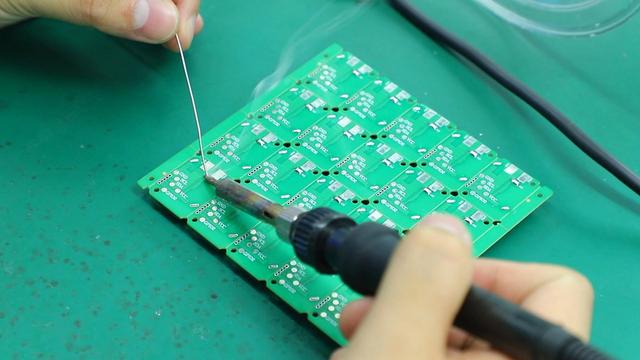
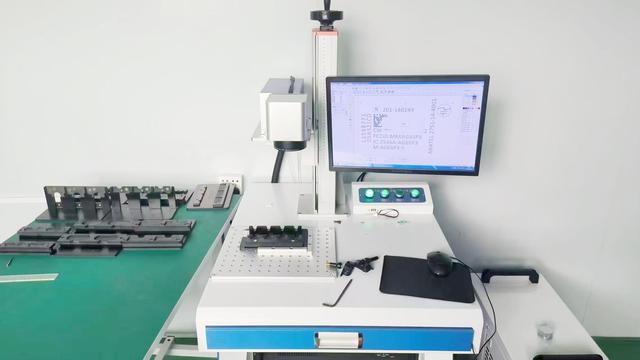
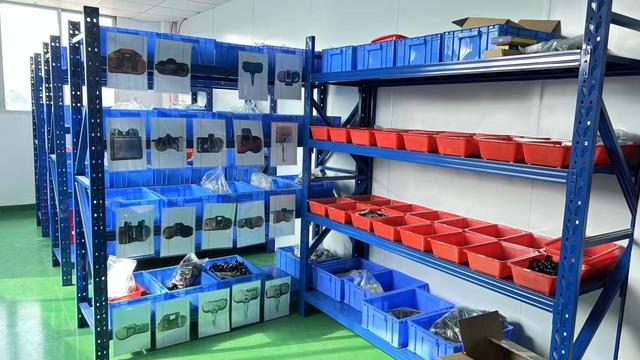
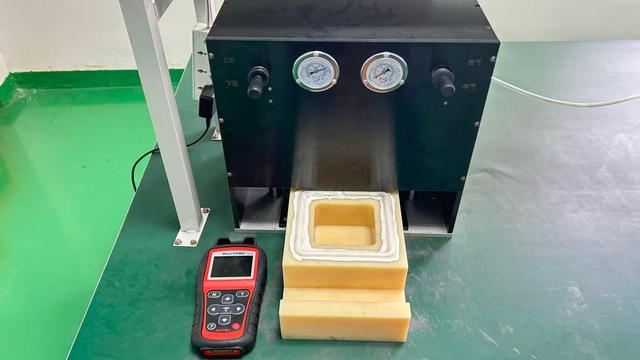
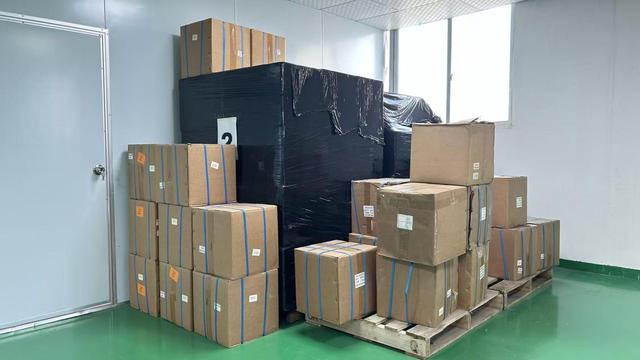
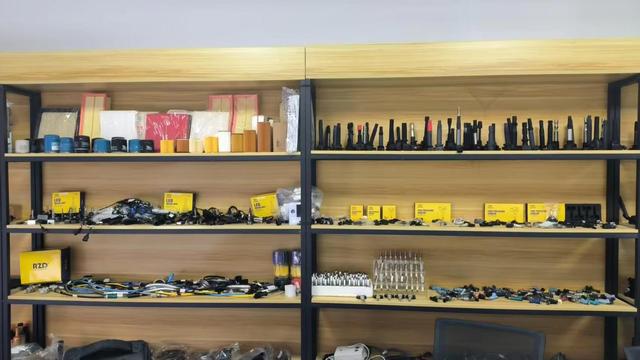
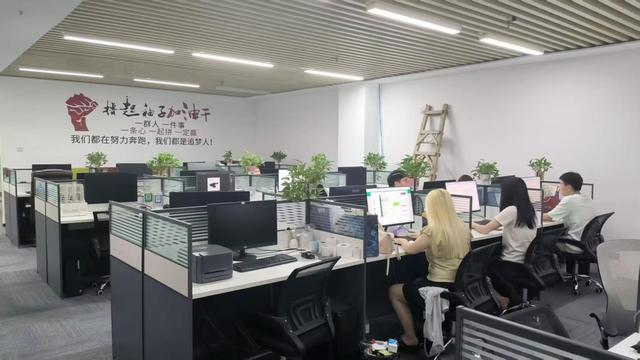
Exploring the industrial framework that allows Guangzhou to deliver high-quality, cost-effective metal engineering globally.
China’s industrial manufacturing sector has transitioned from high-volume production to precision-engineered, smart manufacturing. The South China automotive and industrial cluster, centered in Guangzhou, Guangdong Province, offers major logistics and production advantages for international purchasers.
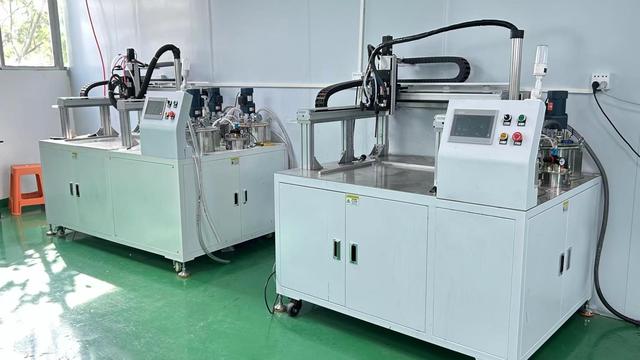
By leveraging automated robotic welding cells, high-powered CNC sheet metal lasers, and integrated surface coating facilities, Chinese manufacturers can reduce fabrication times while maintaining tight tolerances. This cluster-based approach ensures immediate access to certified steel mills, customized gaskets, dynamic sensor components, and specialized anti-corrosion finishes.
Furthermore, Guangzhou’s proximity to major international shipping hubs like Nansha and Shenzhen ports allows for streamlined logistics. Deep integration of design, raw material sourcing, production, and port delivery reduces export times, helping global enterprises keep their supply chains agile and responsive.
How CE-certified fuel tanks are configured to perform under various regional requirements and harsh operational settings.
Designed for data centers, hospitals, and critical communication hubs, these tanks feature integrated automated leak sensors, fuel polishing ports, and double-walled steel structures to maintain constant readiness.
Engineered for commercial over-the-road vehicles, our transport fuel tanks feature internal baffles to manage fluid sloshing, ensuring vehicle stability and reducing structural stress during sudden stops.
Built using corrosion-resistant 5083/5086 grade aluminum or 316L stainless steel, these auxiliary fuel tanks withstand saltwater environments while meeting strict marine safety certifications.
Essential guidance for procurement managers to verify manufacturing quality and prepare for new environmental standards.
The fuel containment industry is shifting toward smart tank technologies. Modern tanks now feature digital telemetry, enabling real-time volume monitoring, automated leak alerts, and temperature adjustments. These systems integrate directly with fleet management software, reducing manual inspections and minimizing environmental risk.
Answering major technical, regulatory, and logistical questions regarding industrial fuel storage tanks.
Premium electrical, PCB, safety, and exhaust system components manufactured to global industrial standards.
 Mayumi Auto