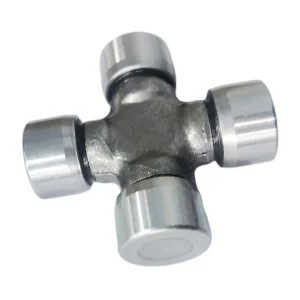
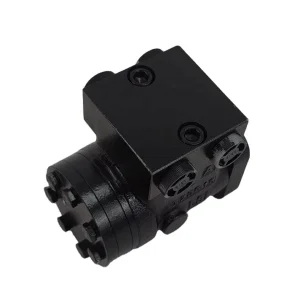
High-reliability mechanical and electronic steering components calibrated to withstand Swedish environmental variables.
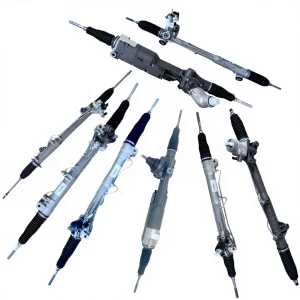
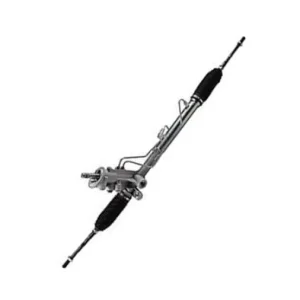
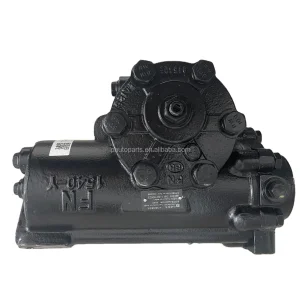
Sweden maintains a highly sophisticated automotive industrial sector, anchored by globally recognized commercial truck OEM heavyweights and progressive passenger car manufacturers. The Scandinavian operating environment places unique demands on vehicle safety systems. With winter temperatures plunging well below -30°C in Northern regions such as Norrbotten and Västerbotten, the integrity of metal castings, hydraulic fluids, and synthetic rubber seals is vital to road safety.
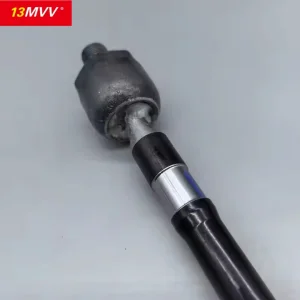
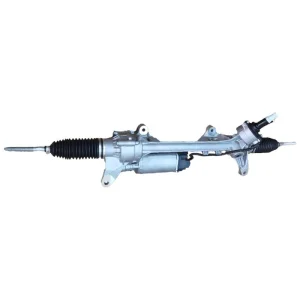
For Swedish fleet operators, distributors, and workshop networks, importing steering components that can survive the dual challenges of extreme sub-zero cold and aggressive chemical de-icing salts (predominantly calcium chloride and sodium chloride) is essential. Steering racks, outer joints, tie rod ends, and power steering oil seals must perform reliably under thermal expansion disparities and severe mechanical vibration. This demands components manufactured under strict metallurgical controls and featuring high-grade elastomeric formulations.
The global automotive steering market is undergoing a major evolution, driven by electrification, Advanced Driver Assistance Systems (ADAS), and the pursuit of autonomous driving. Traditional Hydraulic Power Steering (HPS) systems are increasingly replaced by Electric Power Steering (EPS) and Electro-Hydraulic Power Steering (EHPS). This shift is especially pronounced in Sweden, where the market adoption rate of electric passenger and commercial vehicles is among the highest in Europe.
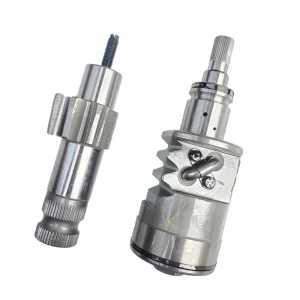
EPS systems remove the parasitic engine load associated with traditional hydraulic pumps, optimizing battery range. Crucially, EPS acts as an enabler for safety features such as Lane Keep Assist (LKA), Traffic Jam Assist, and Automated Parking. The next developmental stage, Steer-by-Wire (SbW), completely removes the mechanical steering column linkage, using electronic sensors and actuators to transmit driver inputs. This advancement demands absolute component reliability, forcing manufacturers to double down on signal redundancy, structural metallurgy, and high-speed communications architectures within the steering rack assembly.
Modern automotive procurement managers in Gothenburg, Stockholm, and Malmö prioritize supply chain diversification and resilience. Relying solely on localized European Tier-1 suppliers has introduced vulnerabilities in raw material access and pricing stability. Leading Swedish distributors are establishing direct partnerships with advanced manufacturing hubs in East Asia to secure a balanced procurement mix.
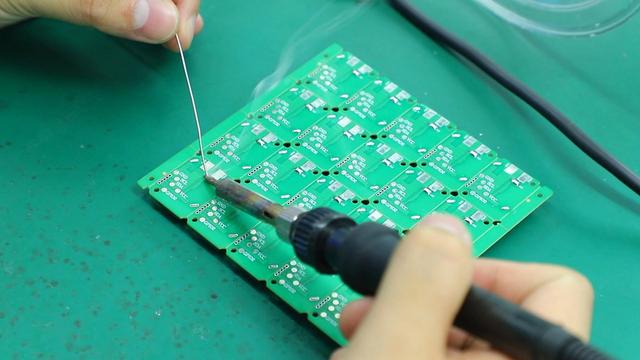
A resilient steering component supply chain depends on consistent quality control (IATF 16949 standards), stable pricing, and reliable lead times. In steering gear production, even minor deviations in bearing play, surface roughness of the rack bar, or oil seal tolerances can cause premature component failure. Progressive manufacturers address these challenges by implementing automated end-of-line verification, multi-stage pressure testing, and real-time tracing of heat-treatment batches.
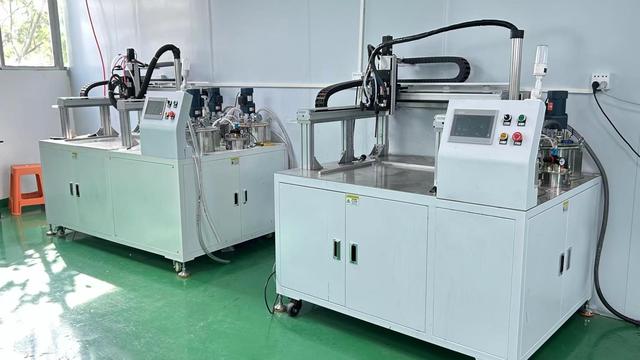
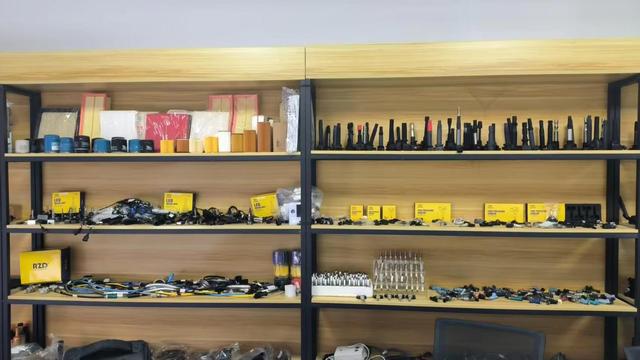
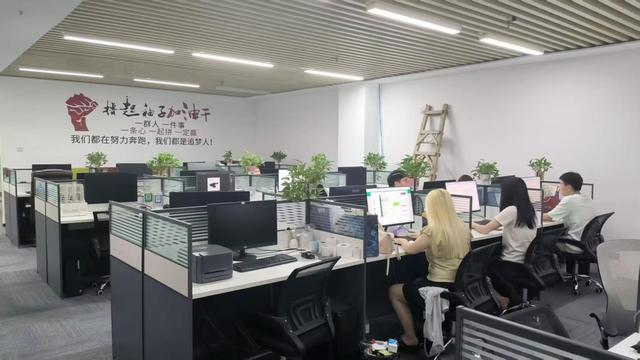
Guangzhou Mayumi Auto Co., Ltd. is an established automotive component manufacturer specializing in steering, suspension, and braking systems. Founded in 2011 and based in Guangzhou, Guangdong Province—a leading automotive hub in China—our 25,000 square meter smart factory features advanced automated machinery and testing equipment.
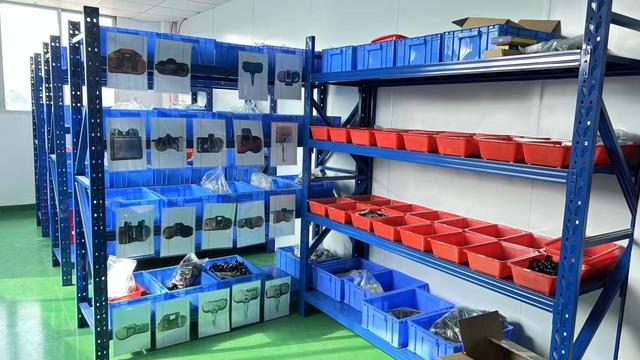
Our workforce of more than 280 professionals includes specialized materials scientists and mechanical design engineers. We focus on providing high-quality aftermarket and OEM/ODM parts that match original manufacturer performance. By integrating raw material sourcing, automated precision machining, heat treatment, and dyno testing under one roof, we guarantee consistent quality at competitive prices for Swedish and global distributors.
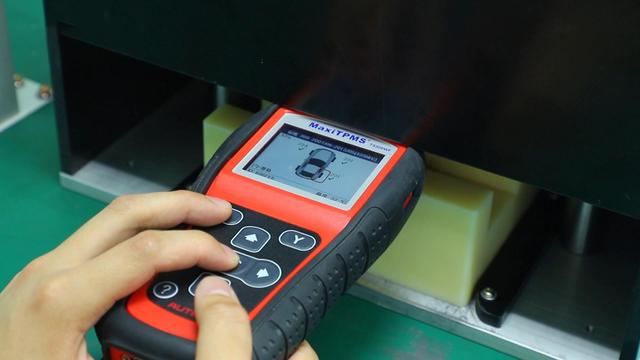
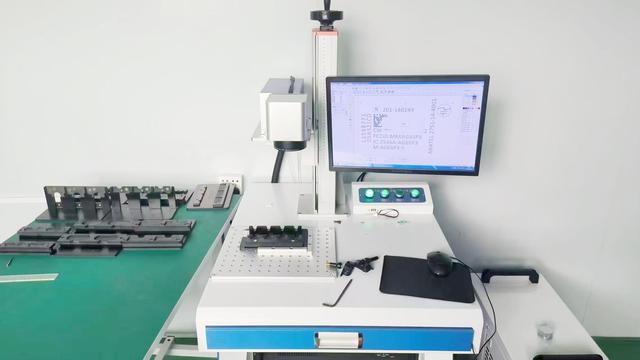
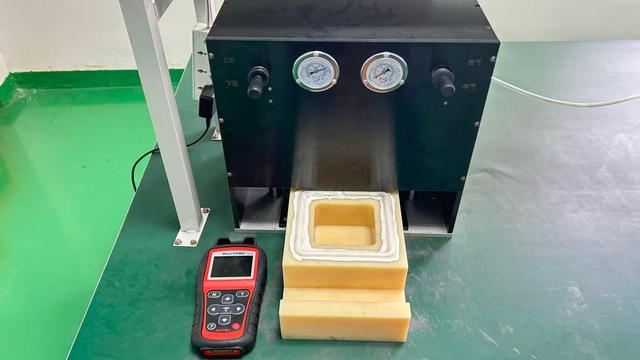
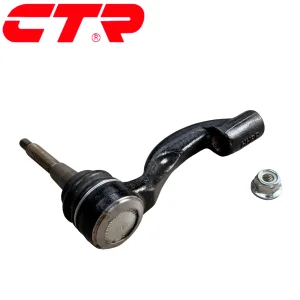
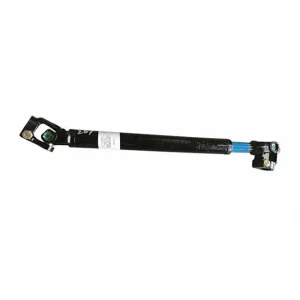
Our engineering department follows the rigorous quality management standards of IATF 16949. Every steering rack, universal joint, and tie rod end is manufactured using high-precision equipment. Our quality control protocol includes automated coordinate measuring machines (CMM) for micrometer-exact tolerances, dynamic hydraulic sealing tests, and environmental testing chambers that simulate extreme winter operations down to -45°C. This level of quality control ensures our steering components maintain their physical properties and hydraulic integrity on Sweden’s challenging road networks.
To prevent steering failures in Nordic climates, specific adjustments must be made to standard steering component manufacturing. Standard lubricants become highly viscous at -30°C, causing heavy steering input and premature wear on the internal rack gear. Mayumi Auto uses fully synthetic low-temperature greases containing specialized synthetic hydrocarbon base fluids and lithium complex thickeners, maintaining viscosity stability across a thermal range of -45°C to +130°C.
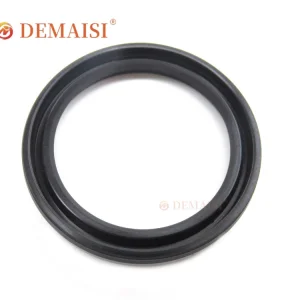
In addition, rubber seals are prone to micro-cracking and brittleness in cold environments, which can lead to hydraulic fluid leakage and steering failure. Our steering gears utilize Demaisi high-quality power steering oil seals, manufactured from hydrogenated nitrile butadiene rubber (HNBR) and polyacrylate elastomers. These materials maintain elasticity and seal integrity in the presence of road grime, moisture, and road salt, ensuring reliable operation for Swedish fleet owners.
Answers to engineering and logistics questions from Swedish automotive buyers.
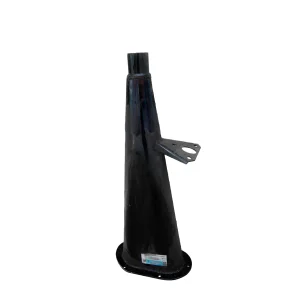
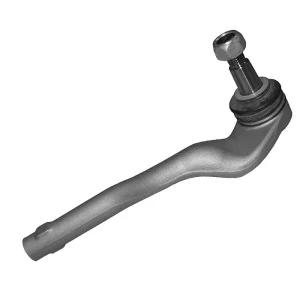
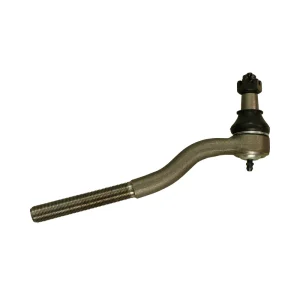
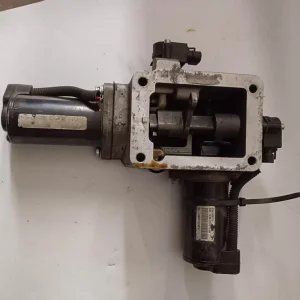
Explore our full line of steering shafts, joints, seals, and assemblies designed for passenger, commercial, and marine vehicles.
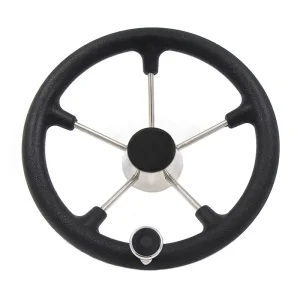
Get technical consultations, precise CAD drawings, and volume pricing estimates tailored for Swedish automotive logistics and warehouse distribution.
 Mayumi Auto