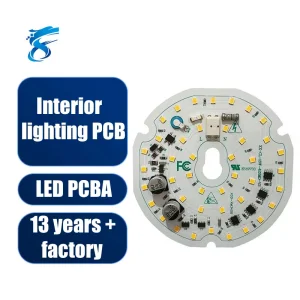
Engineered for high reliability, thermal efficiency, and precision fit within commercial LED structures.
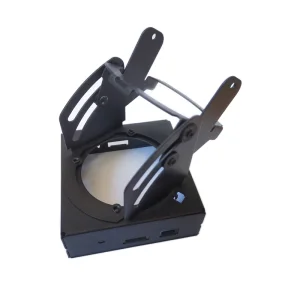
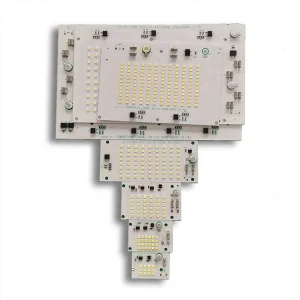
An in-depth analysis of environmental adaptation, technical compliance, and structural trends shaping commercial and industrial illumination in Australia.
Australia presents one of the most demanding operational environments in the world for electronic and mechanical lighting components. Elevated UV indices, high coastal salinity levels (resulting in rapid corrosion of sub-par metals), and extreme thermal fluctuations require components with exceptional mechanical integrity. For outdoor municipal, sports, and industrial lighting, thermal management is paramount. Heat dissipation must be highly optimized because ambient temperatures in locations such as Western Australia or the Northern Territory can regularly exceed 45°C.
Standard components fail prematurely under these conditions due to thermal runaway or plastic degradation. For this reason, professional component specification dictates the use of highly pure aluminum extrusions (such as 6063-T5 grade for linear channels) and specialized UV-stabilized polycarbonate or PMMA lenses. These materials maintain transparency, structural strength, and optical characteristics over decades of exposure without yellowing or cracking.
Selling, distributing, or installing electrical hardware in Australia mandates absolute alignment with joint Australia/New Zealand Standards (AS/NZS). The primary standard governing luminaires is AS/NZS 60598 (covering general safety requirements and tests). Any electronic lighting component, including LED drivers, Driver-on-Board (DOB) modules, and track rails, must comply with EMC directives (AS/NZS CISPR 15) and bear the Regulatory Compliance Mark (RCM) as verification of safety and electromagnetic non-interference.
| Component Type | Applicable Standards | Key Testing Parameters Required | Australian Scheme Alignment |
|---|---|---|---|
| LED Modules & PCBs | AS/NZS IEC 62031, AS/NZS 60598.2.1 | Thermal safety, insulation resistance, photobiological safety. | RCM Approval / SAA Certification |
| Track Light Rail Systems | AS/NZS 60570 | Mechanical load rating, grounding continuity, creeping distances. | Electrical Safety Approval (EESS Level 3) |
| Outdoor Diffusers / Lenses | AS/NZS 60598 (Thermal & UV) | Glow wire test (650°C/850°C), UV stabilization retention. | IK Impact & IP Ingress Ratings |
| Electronic Control Modules | AS/NZS 61347, AS/NZS CISPR 15 | Harmonic limits, electromagnetic compatibility, surge protection. | EMC Compliance / ERAC Registry |
Non-compliance in public or commercial installations carries immense financial and legal risks. Projects funded under state energy savings programs, such as the Victorian Energy Upgrades (VEU) or the NSW Energy Savings Scheme (ESS), require all components and final assemblies to be pre-registered and approved. Our manufacturing pipelines are built around these precise performance thresholds, ensuring seamless integration into Australian commercial workflows.
Bridging Chinese high-precision manufacturing capacity with localized distribution requirements across Australia.
Utilizing high-end metal stamping, progressive die systems, and state-of-the-art aluminum extrusion to ensure micrometer-level structural accuracy for critical housing and track assemblies.
Every component batch undergoes rigorous testing, including integrating sphere tests, high-temperature environmental aging chamber simulation, mechanical load testing, and insulation tests.
Optimized freight networks linking our manufacturing hub in Guangdong with major Australian ports (Sydney, Melbourne, Brisbane, Fremantle), facilitating reliable lead times and customs clearing.
The global sourcing paradigm requires a deep understanding of local installation speed and labor costs. In Australia, commercial electrical labor is highly regulated and expensive. Therefore, we design components with plug-and-play topology—such as magnetic track connectors, pre-wired control modules, and toolless mounting brackets—which significantly reduce on-site installation time, making your projects more competitive during the bidding phase.
Smarter, circular, and highly integrated component ecosystems designed for the next decade.
As the built environment becomes increasingly automated, lighting is evolving from a static utility into a dynamic sensor network. The future of lighting system components lies in structural integration. Over the next five years, we are driving innovation in three key zones:
HCL systems regulate circadian rhythms by mimicking natural daylight shifts. This requires advanced multi-channel LED chips and Driver-on-Board (DOB) architectures capable of smooth, flicker-free dimming (down to 0.1%) and color temperature tuning (from 1800K to 6500K). Our advanced control modules and high-uniformity LED PCBs are engineered to support complex architectural protocols including DALI-2, Casambi, and KNX.
In accordance with Australia's National Waste Policy, architects and specifiers demand components that support circular economic cycles. We are optimizing our custom sheet metal stamping and plastic injection molding to utilize recycled aluminum alloys and biodegradable polymers. These materials maintain standard-grade performance characteristics while dramatically lowering the embodied carbon footprint of the building lifecycle.
For industrial manufacturing and automated quality inspection lines across Brisbane and Adelaide, we are scaling production of high-uniformity, high-frequency LED ring lights. These units operate on specialized wavelengths (UV/IR) to run micro-defect detection protocols, ensuring zero visual noise or flicker for ultra-high-speed industrial scanning cameras.
Explore our complete range of specialized mechanical, optical, and electronic parts designed for high-performance integrations.

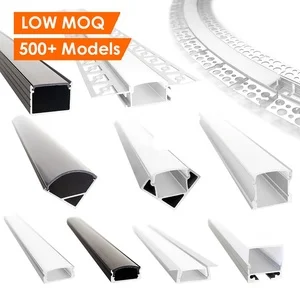
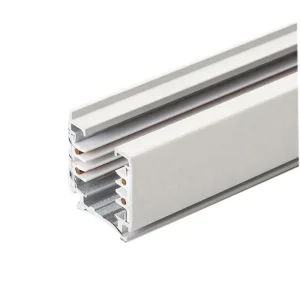
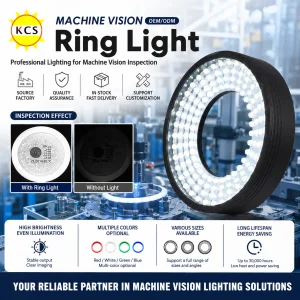
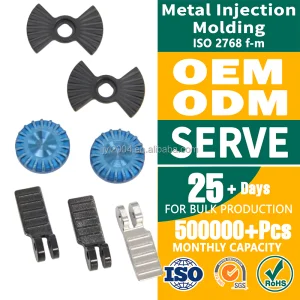
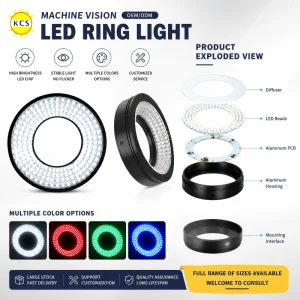
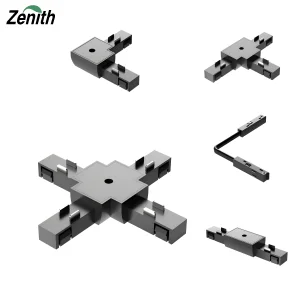
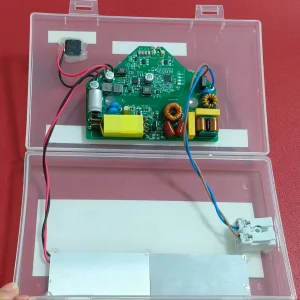
Combining heavy precision tooling engineering, high-volume capacity, and global export operations.
To guarantee the mechanical reliability of architectural and industrial lighting systems, our primary structural fabrication lines leverage the highly sophisticated precision engineering frameworks of our parent enterprise group, Guangzhou Mayumi Auto Co., Ltd.
The company focuses on the production of suspension components, brake system parts, steering system components, engine-related parts, chassis assemblies, drivetrain components, and other automotive solutions designed for passenger vehicles, commercial vehicles, and specialty transportation applications. Through continuous investment in advanced machining equipment, automated production technologies, and testing systems, Mayumi Auto delivers products engineered for durability, reliability, and consistent performance.
Quality assurance is integrated throughout the manufacturing process, from raw material inspection and precision machining to assembly verification and final performance testing. The company follows stringent quality management procedures to ensure products meet international industry requirements and customer specifications.
Mayumi Auto also provides flexible OEM and ODM manufacturing services, supporting customers with customized product development, private-label production, technical design optimization, and application-specific automotive solutions. Its engineering and production teams work closely with global partners to deliver efficient and scalable manufacturing support.
Today, Guangzhou Mayumi Auto Co., Ltd. exports its products to North America, Europe, South America, the Middle East, Southeast Asia, and other international markets. By combining manufacturing expertise, engineering innovation, and customer-focused service, the company continues to provide dependable automotive component solutions that support the evolving needs of the global automotive industry.
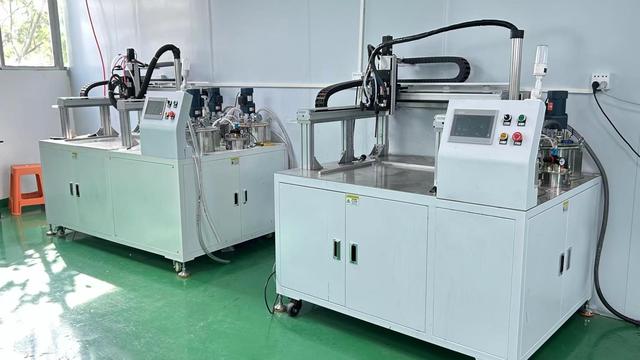
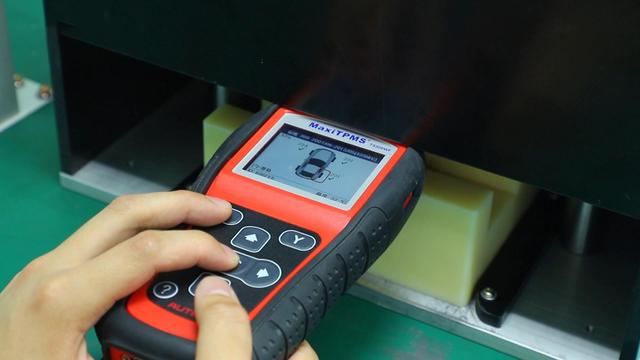
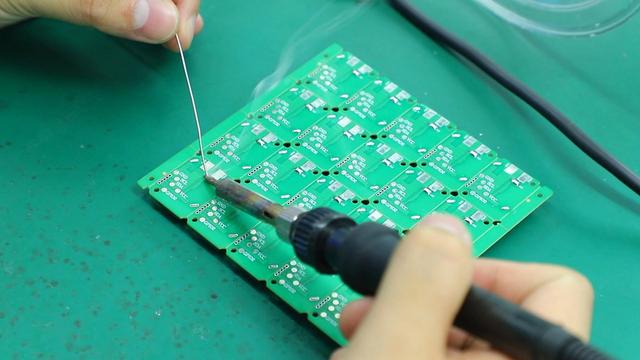
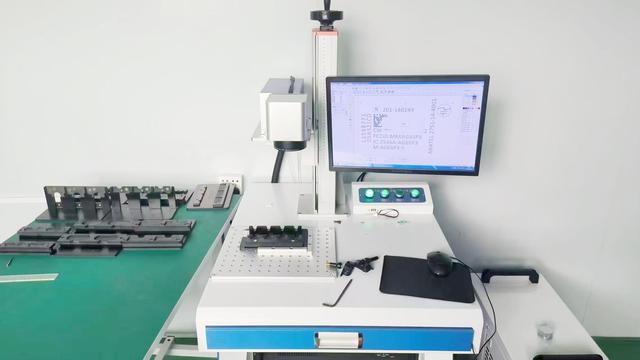
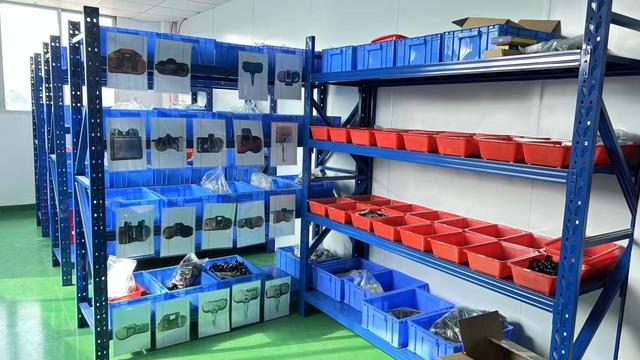
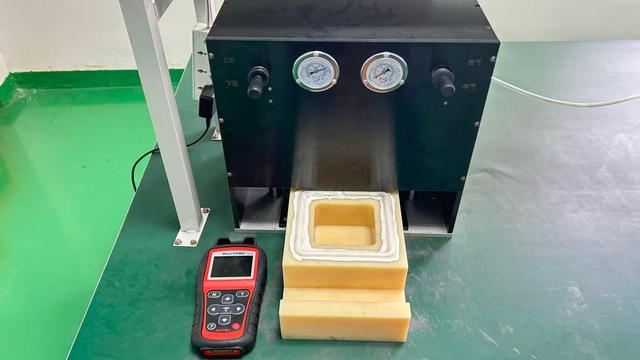
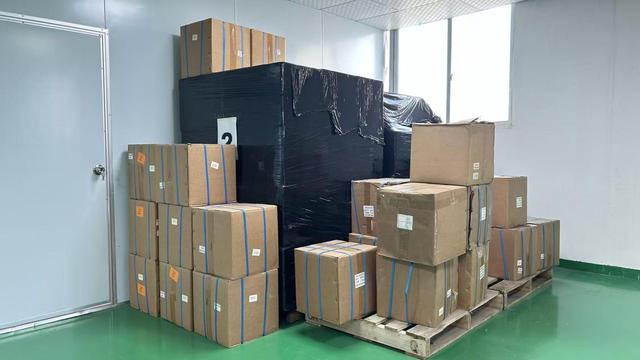
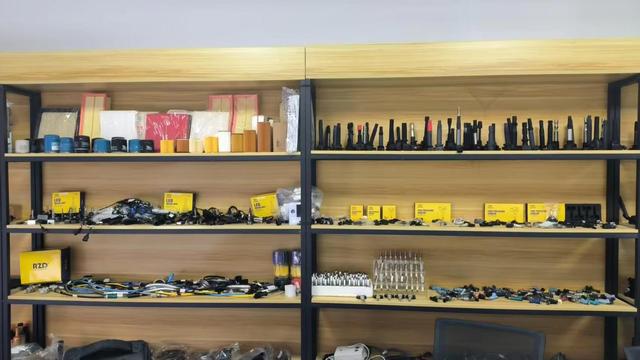
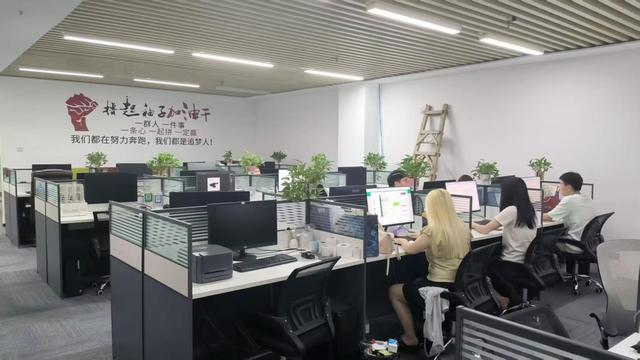
Direct photographic evidence from our 25,000 m² factory environment, showcasing automatic pressing machines, CNC lines, and assembly divisions:
Expert answers addressing the critical compliance, mechanical, and logistical questions commonly raised by Australian engineering projects.
We follow strict electrical design guidelines matching joint AS/NZS requirements. All electronic lighting components such as LED PCBs, drivers, and 4-wire track light systems are manufactured in factories running ISO 9001/14001 structures and undergo testing parameter checks to meet AS/NZS 60598, AS/NZS CISPR 15, and ERAC equipment safety rules. We supply complete test report documentation and assistance for SAA/RCM filings.
Yes. Leveraging our parent company's high-capacity stamping and carbon steel/stainless steel tooling structures, we support OEM/ODM services for light fixture accessories. We process client CAD/BIM specifications directly into automated manufacturing loops, maintaining tolerances within tight engineering margins.
We utilize optical-grade, UV-stabilized polycarbonate (PC) and PMMA resins supplied by leading global chemical manufacturers. These materials undergo accelerated weathering trials (UV-A / UV-B exposure tests) to ensure that diffusers, light guides, and modular lenses maintain high light transmission with minimal color shift over years of direct sunlight exposure.
Standard production runs require 25 to 35 days from technical confirmation, depending on the complexity and volume of components. Transit to major Australian gateways (Fremantle, Melbourne, Sydney, Brisbane) ranges from 12 to 18 days via sea cargo, with air freight alternatives available for urgent project retrofits.
 Mayumi Auto