Heavy-duty hardware optimized for the tropical climate and high-intensity port operations across Panama Canal zones.
A technical guide to fuel delivery component engineering, sourcing, and climate-resilient adaptation in Central America's primary logistics corridor.
Panama serves as the absolute epicenter of Latin American logistics. Powered by the Panama Canal, the Colon Free Zone (Zona Libre de Colón), and an extensive transoceanic railway network, the country operates under unprecedented industrial pressure. Heavy-duty transportation systems, maritime container vessels, port terminal equipment, and localized power plants run 24/7/365. Inside this relentless environment, the integrity of engine fuel systems stands as the single point of failure that can disrupt million-dollar trade routes.
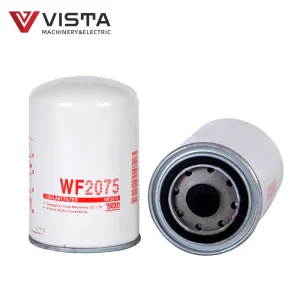
Furthermore, Panama's unique tropical maritime climate—characterized by high relative humidity (often exceeding 85%), elevated ambient temperatures, and corrosive salt-spray atmosphere—demands unparalleled resistance from metallic and elastomeric fuel system parts. High moisture absorption in diesel storage terminals accelerates microbial contamination and paraffin crystallization. This makes the implementation of advanced micro-filtration systems, water separators, and robust common rail injection systems not merely an upgrade, but a operational necessity to avoid catastrophic injector seizure and high-pressure pump scoring.
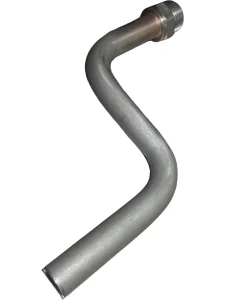
Tropical marine environments accelerate corrosion in carbon-steel fuel lines by up to 300% compared to inland dry regions. Upgrading to grade 304 or 316 stainless steel fuel inlet lines is critical to prevent microscopic iron oxides from bypassing filtration and destroying Common Rail injectors operating at 2,500+ bar pressure.
Guangzhou Mayumi Auto Co., Ltd., established in 2011, has stood at the forefront of China's automotive and heavy-machinery component manufacturing sector for over a decade. Operating out of a highly advanced 25,000 square-meter production facility in Guangdong Province, we harness the power of integrated regional supply chains and state-of-the-art CNC machining centers to engineer components that match or exceed original equipment manufacturer (OEM) standards.
Our manufacturing ethos revolves around rigorous quality control at every phase of processing. By employing advanced metal alloys, custom vulcanized rubber formulations (such as HNBR and Viton for our wear-resistant fuel hoses), and specialized coating processes (including chemical-nickel plating and diamond-like carbon coatings), we deliver fuel system components that directly counter the corrosive and abrasive wear profiles found in Panama's transport sectors.
We manage our production lines under IATF 16949:2016 quality management system standards. This is the gold standard for global automotive supply chains. Our fuel system components undergo systematic verification procedures:
| Fuel Component Family | Material Specifications | Optimized Performance Characteristics | Panama Target Applications |
|---|---|---|---|
| Fuel Inlet Pipes | Stainless Steel 304 / 316L | Corrosion-proof, high vibration resistance | Marine vessels, generators, port crane engines |
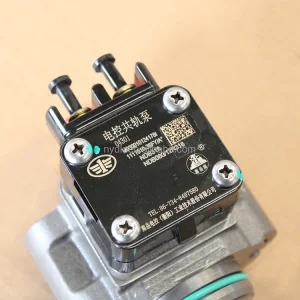
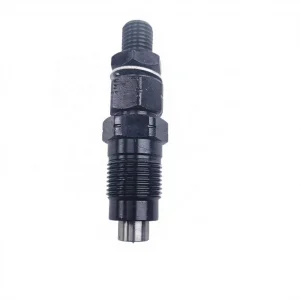
| Common Rail Injectors | DLC-coated steel needles | 2,500+ bar threshold, ultra-fine atomization | Heavy commercial transport, container trucks |
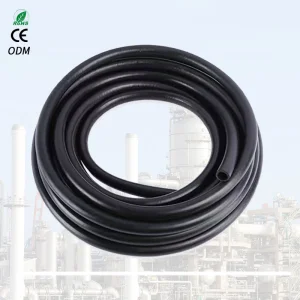
| Fuel Delivery Hoses | Viton / NBR reinforced compounds | Biodiesel compatible, temperature stable up to 150°C | Urban transit buses, diesel engine assemblies |
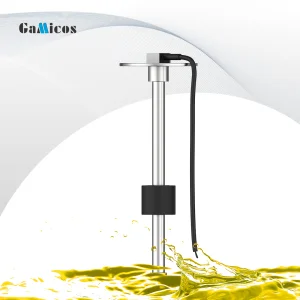
| Level Gauges & Sensors | SUS316 tube with magnetic floats | Precise fuel-level telematics, liquid segregation | Fuel station bulk tanks, mining machinery |
Production Capacity
Technical Experts
Certified Quality
Leak & Flow Tested
Providing customized fuel component engineering solutions across Panama's critical economic sectors.
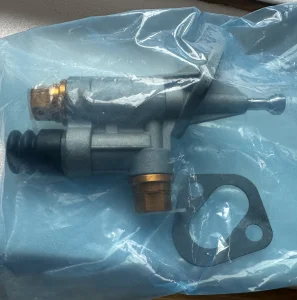
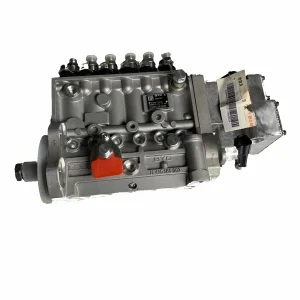
Intermodal transport between the Port of Balboa on the Pacific coast and the Port of Cristobal on the Atlantic side requires highly reliable diesel trucks. Operating in continuous stop-and-go patterns under heavy loads causes thermal cycling that rapidly degrades substandard fuel filters and fuel pumps. Our high-performance fuel delivery pumps and wear-resistant hoses ensure stable fuel volume and pressure, reducing unexpected downtime and fleet maintenance overheads.
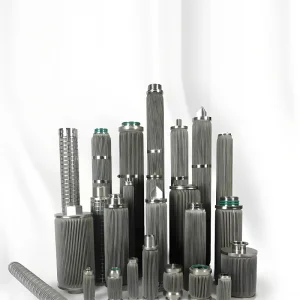
Panama’s lock systems, digital control hubs, and refrigeration logistics warehouses rely heavily on emergency standby generators (e.g., Cummins, Caterpillar, and Weichai engines). Since these generators may sit idle for long periods before being forced to run at maximum output, fuel aging and tank water condensation are major concerns. Our premium fuel-water separators, stainless steel filtration setups, and float sensors guarantee that clean fuel is delivered instantaneously to prevent engine lockup during critical power interruptions.
Panama is a leading hub for marine refueling (bunkering). The transfer of heavy marine fuel oil and light diesel fuels requires heavy-duty pumps, sensors, and stainless steel fuel assembly pipes capable of handling high viscosity and resisting marine biological corrosion. Guangzhou Mayumi Auto provides specialized components matching marine-grade tolerances, safeguarding transshipment fuel flow and accuracy.
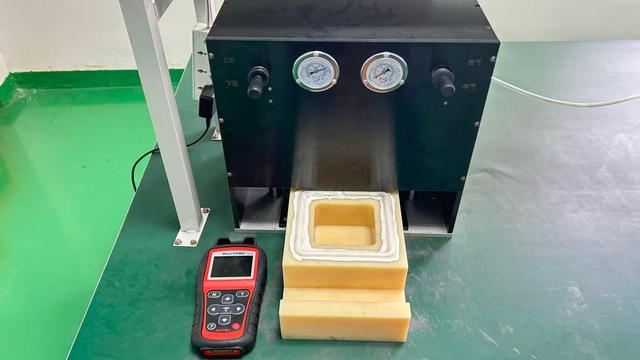
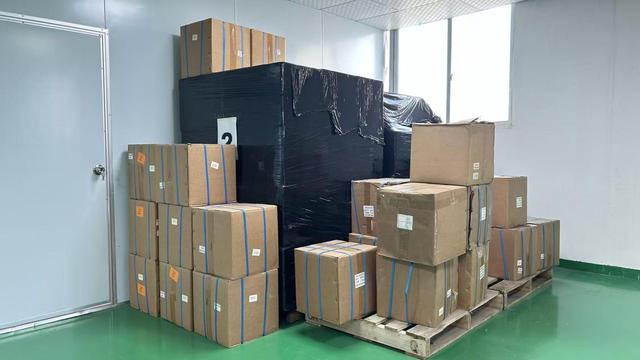
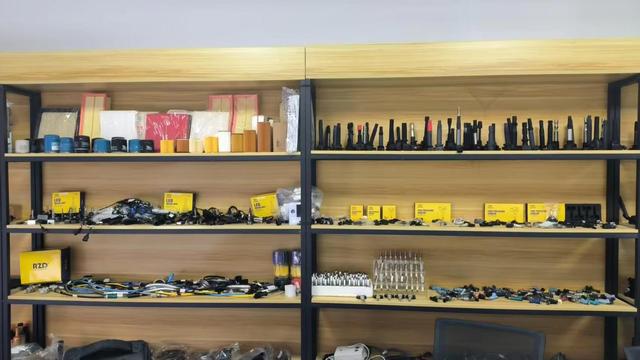
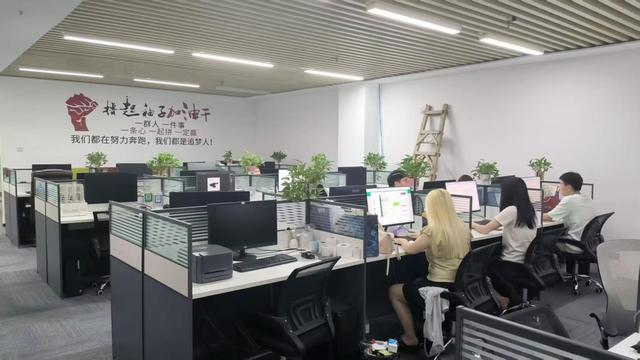
Take a virtual tour of our 25,000 square-meter precision manufacturing facility, raw material testing labs, and assembly workshops.
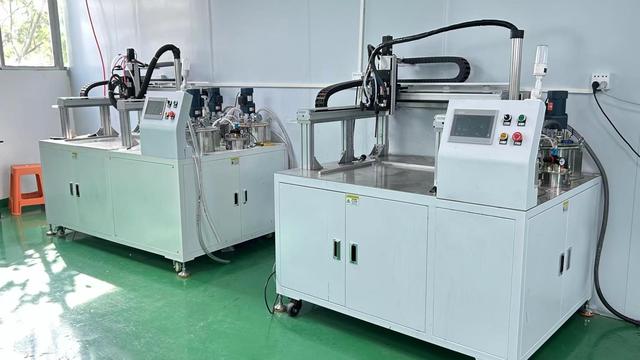
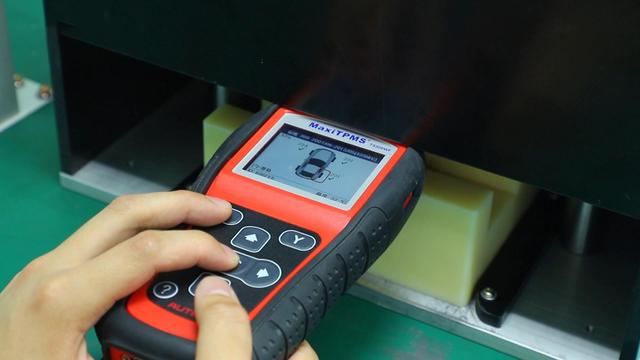
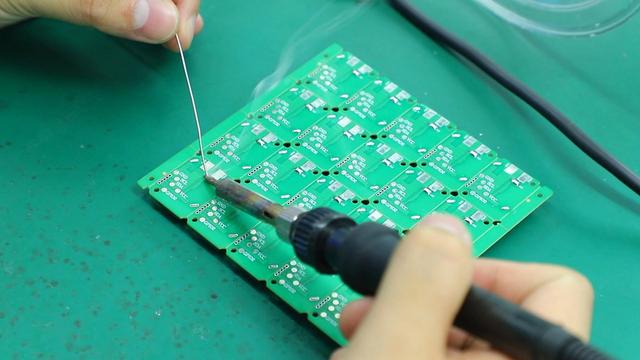
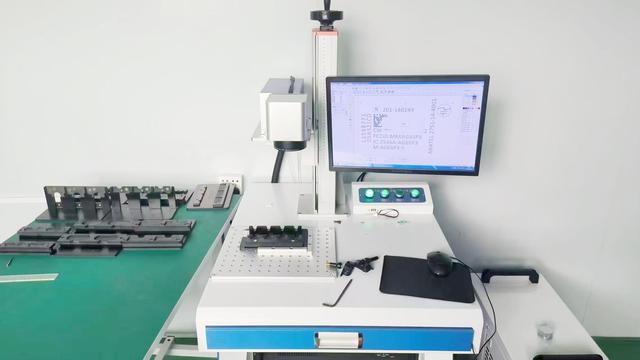
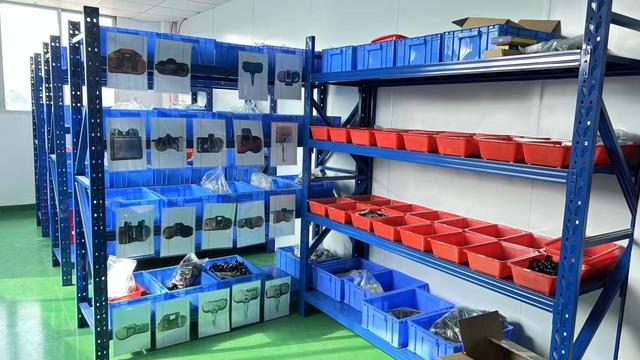
Understanding the transition to ultra-low sulfur fuels and high-pressure common rail injection in Latin America.
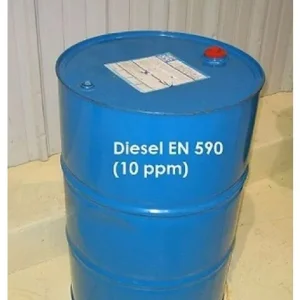
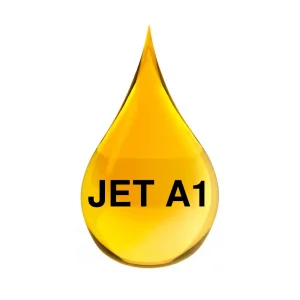
The global energy landscape is transitioning, and Panama is keeping pace. Environmental mandates for marine fuel oil limit sulfur to 0.50% (and 0.10% in specific Emission Control Areas). For land-based logistics, there is a push to adopt ultra-low sulfur diesel (ULSD) and high-quality EN590 standards. While cleaner fuels reduce environmental impact, they have lower lubricity than older, high-sulfur diesel formulas. This places a much greater load on fuel system components, which now face increased friction and wear.
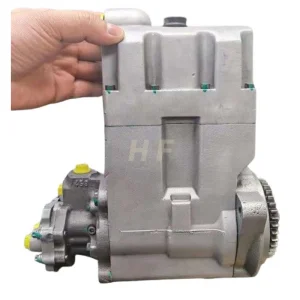
Guangzhou Mayumi Auto addresses this challenge by refining the metallurgy of our common rail components. We utilize advanced diamond-like carbon (DLC) coatings on pump plungers and fuel injector needles. These coatings reduce friction coefficients and prevent micro-welding and premature component wear, even when running fuel with limited lubricating properties.
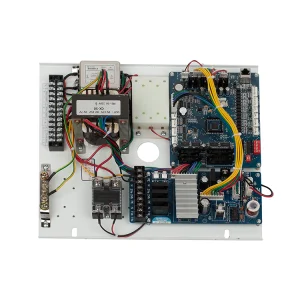
Furthermore, our smart fuel dispenser electronics, equipped with precise keypad controls and real-time telematics flow sensors, enable Panama fuel retailers to monitor and prevent fuel theft, track temperature expansions, and minimize errors at the pump.
Direct engineering answers for procurement managers and mechanical engineers in Panama.
Our complete catalog of pumps, injectors, hoses, repair kits, level sensors, and specialized fuels for Panama distributors.
Optimize your fleet efficiency and source high-durability fuel systems customized for Panama's maritime and terrestrial logistics. Talk to our technical sales engineers for bulk pricing and OEM specifications.
Send Inquiry Now Mayumi Auto