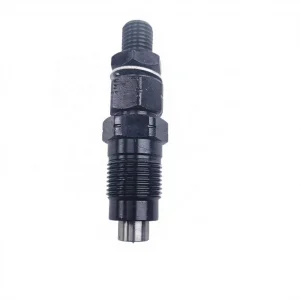
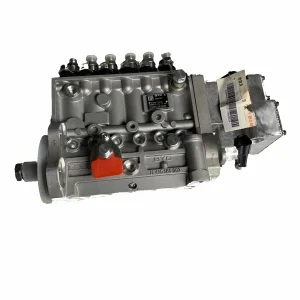
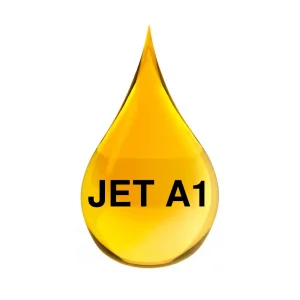
Precision-engineered components meeting European EN590 standards, optimized for heavy transport, industrial infrastructure, and passenger vehicles.
As the capital of Moldova, Chisinau has steadily transitioned from a regional trade outpost to a strategic logistics and manufacturing hub nestled between Eastern Europe and the European Union markets. The Free Economic Zone "Expo-Business-Chisinau" and nearby industrial corridors have attracted significant automotive sub-assembly plants, wiring harness facilities, and custom engineering companies looking for high proximity to EU border Crossings.
In the domain of internal combustion engine optimization and commercial logistics, the demand for precision-engineered fuel system components has reached new heights. Heavy-duty agricultural equipment, municipal transit systems, and transit logistics trucks passing through Moldova require high-reliability components that withstand dynamic fuel quality variants and drastic thermal shifts between summer and winter.
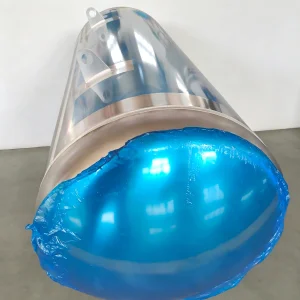
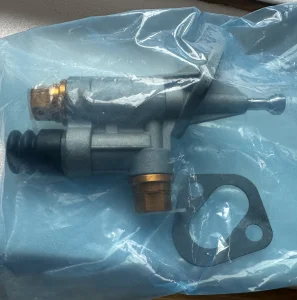
By leveraging Chinese manufacturing powerhouses like Guangzhou Mayumi Auto Co., Ltd., industrial buyers in Chisinau are establishing robust supply chains to procure OEM-quality fuel filters, common rail valves, transfer pumps, and custom aluminum fuel tanks that conform to CE and ISO-9001 certifications.
Deploying advanced mechanical design to optimize thermal efficiency, reduce emissions, and safeguard fuel delivery across complex industrial platforms.
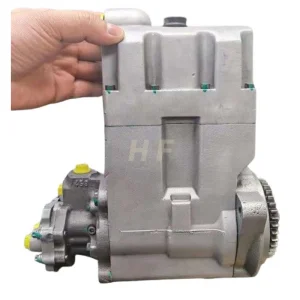
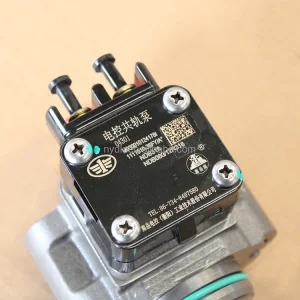
As emission regulations in the EU tighten toward Euro 6 and Euro 7, high-pressure fuel delivery demands tighter tolerances down to the sub-micron scale. Our common rail systems reduce mechanical drag and improve atomization dynamics for optimized thermal output.
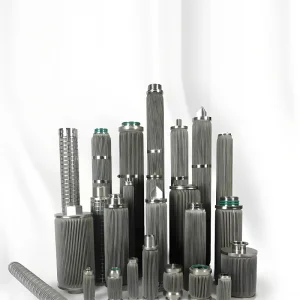
Particulate wear in injectors remains the leading cause of diesel engine downtime. Modern multi-stage fuel filtration integrates water-in-fuel (WIF) sensor ports and double-density microfiber media to trap impurities without impeding flow rates.
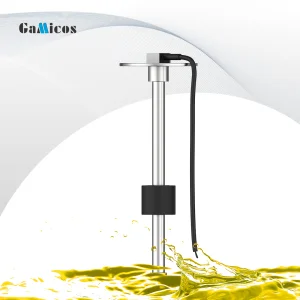
Integrating high-accuracy float-measuring fuel level sensors into commercial fuel management programs allows fleet managers in Chisinau to monitor real-time fuel consumption, identify theft points, and streamline logistics operations.
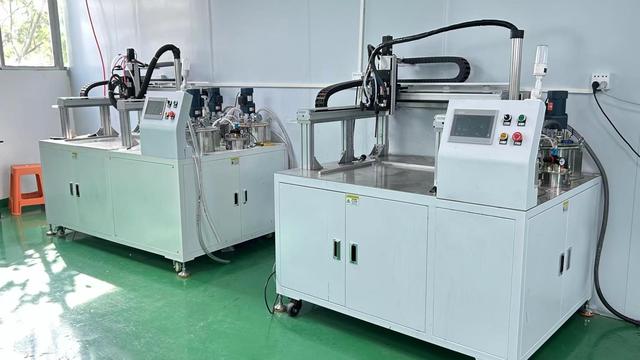
Guangzhou Mayumi Auto Co., Ltd. is a professional manufacturer specializing in automotive parts and vehicle component solutions for global OEM, aftermarket, and commercial vehicle markets. Established in 2011, the company is located in Guangzhou, Guangdong Province, one of China's major automotive manufacturing centers. Operating from a modern production facility covering 25,000 square meters and supported by a workforce of more than 280 employees, Mayumi Auto has developed comprehensive capabilities in product development, precision manufacturing, quality control, and international supply chain management.
The company focuses on the production of suspension components, brake system parts, steering system components, engine-related parts, chassis assemblies, drivetrain components, and other automotive solutions designed for passenger vehicles, commercial vehicles, and specialty transportation applications. Through continuous investment in advanced machining equipment, automated production technologies, and testing systems, Mayumi Auto delivers products engineered for durability, reliability, and consistent performance.
Quality assurance is integrated throughout the manufacturing process, from raw material inspection and precision machining to assembly verification and final performance testing. The company follows stringent quality management procedures to ensure products meet international industry requirements and customer specifications.
Mayumi Auto also provides flexible OEM and ODM manufacturing services, supporting customers with customized product development, private-label production, technical design optimization, and application-specific automotive solutions. Its engineering and production teams work closely with global partners to deliver efficient and scalable manufacturing support.
Today, Guangzhou Mayumi Auto Co., Ltd. exports its products to North America, Europe, South America, the Middle East, Southeast Asia, and other international markets. By combining manufacturing expertise, engineering innovation, and customer-focused service, the company continues to provide dependable automotive component solutions that support the evolving needs of the global automotive industry.
All operations from casting to high-precision machining adhere strictly to international manufacturing standards, facilitating seamless regional integration and fast-track shipping logistics directly to commercial clients in Chisinau.
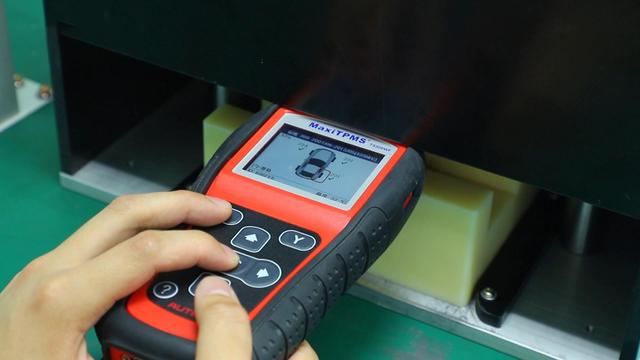
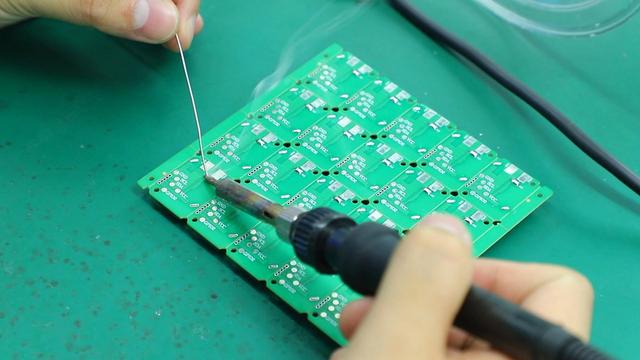
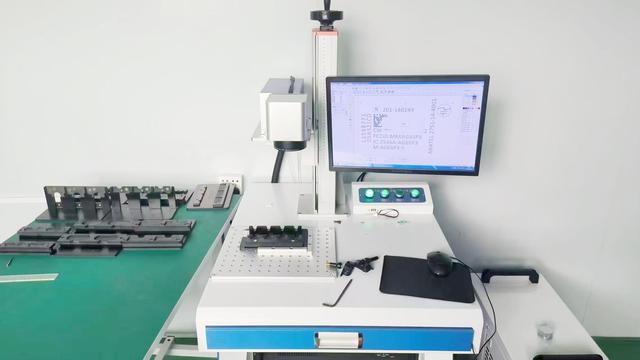
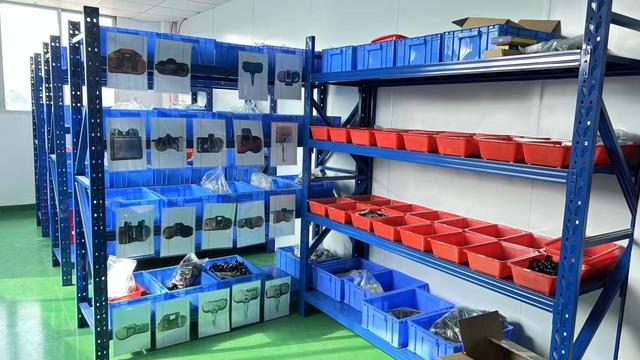
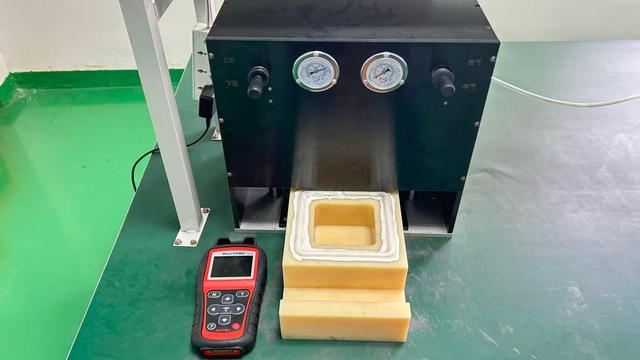
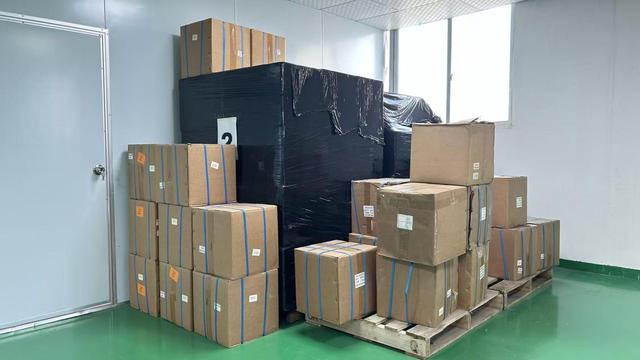
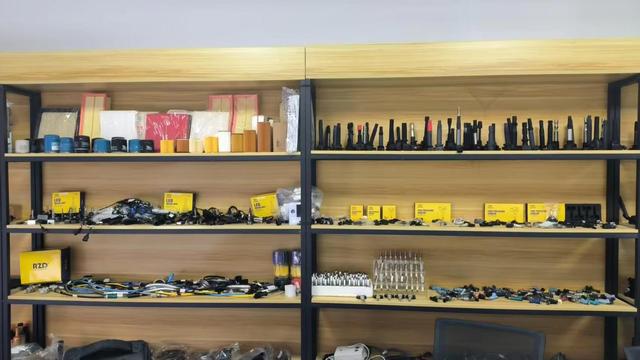
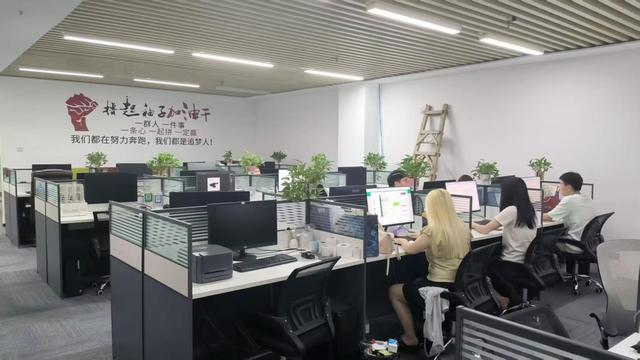
A full range of high-performance sub-systems, repair kits, level meters, and distribution equipment optimized for heavy machinery and transport operations.
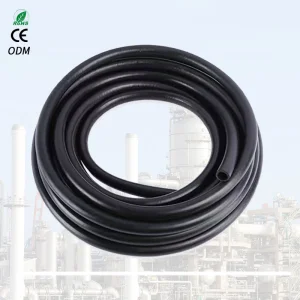
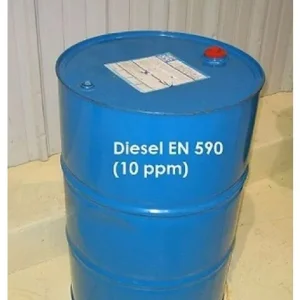
Modern diesel fuels, particularly those blending biofuels or low-sulfur variants (like EN590), exhibit specific physical and chemical behaviors that challenge traditional fuel lines. For example, high-performance rubber hoses must incorporate multi-layered barriers, combining Nitrile (NBR) and Chlorosulfonated Polyethylene (CSM) to eliminate permeation and thermal degradation. This keeps the hose flexible down to temperatures of -40°C while maintaining resistance to aromatic fuel components and heat buildup up to 125°C under the hood.
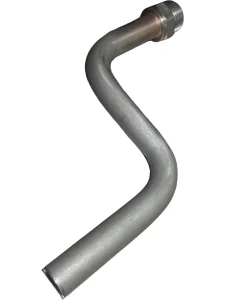
Furthermore, piping components—such as Weichai Fuel Inlet assemblies—leverage high-grade 304 or 316 stainless steels. These alloys contain crucial chromium-nickel compositions that resist stress-corrosion cracking and localized pitting caused by water condensation in fuel tanks during high-humidity seasons in Eastern Europe.
In high-pressure common rail injection (HPCR) systems, fuel pressures routinely exceed 2,000 bar. Under such extreme mechanical conditions, even microscopic fuel impurities will trigger high-velocity erosion on control valve seats, causing cylinder misfires and fuel pressure drop-off. The precision components produced by Mayumi Auto use hardened tool steel alloys treated with carbonitriding and Diamond-Like Carbon (DLC) coatings. This ensures that needle clearances are kept to less than 2 microns, preserving precise injection timing over millions of cycles.
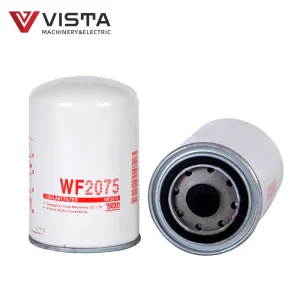
In municipal construction environments around Chisinau, diesel powertrains operate in highly dust-choked environments. This makes specialized filtration vital. A secondary generator or heavy engine fuel filter (e.g., WF2075) must incorporate high-capacity cellulose-synthetic media to achieve a 98.7% filtration efficiency at 10 microns. This keeps abrasive silica dust from entering critical pump elements, extending the system's operational lifespan.
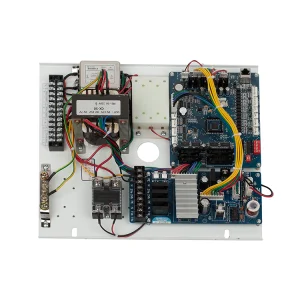
Commercial refueling operations require high-precision flow rate calibration and durable control interfaces. The integration of modern keypad controllers and wear-resistant distribution valves ensures consistent volumetric metering, minimizing dispensing errors. This safeguards distribution networks against operational losses while meeting stringent European regulatory approvals.
Get answers to common technical, quality control, and supply chain logistics questions from our team of application engineers.
Connect with our technical engineering team to request detailed spec sheets, custom OEM quotes, or discuss bulk distribution logistics to Chisinau and the wider European market.
Send Inquiry Now Mayumi Auto