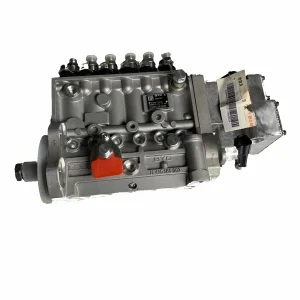
Premium components optimized for Vietnam's heavy-duty engineering machinery, gas station networks, and modern common rail diesel requirements.
Hanoi, the administrative heart of Vietnam, has emerged as the nucleus of a rapidly expanding automotive and heavy manufacturing cluster in Northern Vietnam. The surrounding industrial zones in Vinh Phuc, Bac Ninh, and Hung Yen are strategically positioning themselves as global supply chain alternatives for Tier-1 and Tier-2 automotive component suppliers. The demand for highly reliable fuel system components has reached a critical inflection point, driven by the expansion of local logistics networks, heavy-duty mining operations in the northern highlands, and the growth of domestic vehicle OEMs.
Operating in this market requires a deep understanding of local environmental and operational stressors. Vietnam's subtropical and tropical monsoon climates feature elevated ambient temperatures and sustained high relative humidity, which accelerate the chemical degradation of standard elastomeric seals and catalyze corrosion in low-grade fuel system alloys. OEMs and aftermarket fleet managers in Hanoi are increasingly looking to import advanced, specialized components that utilize SUS304, SUS316, and high-durability fluorosilicone or nitrile polymers. Implementing these materials ensures component structural integrity, mitigating runtime failure rates for transit networks and municipal machinery.
The regulatory landscape in Hanoi is aligning rapidly with European emission frameworks. The government of Vietnam has systematically tightened fuel emissions rules, mandating Euro 5 equivalent specifications for newly registered internal combustion vehicles. This policy shift forces a technological overhaul. Standard diesel mechanical distribution systems must be upgraded to high-pressure common rail (HPCR) technology, which operates at pressures exceeding 2,000 bar. This level of operation demands extreme tolerance control during the manufacturing stage.
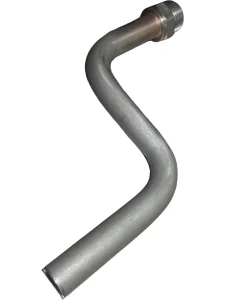
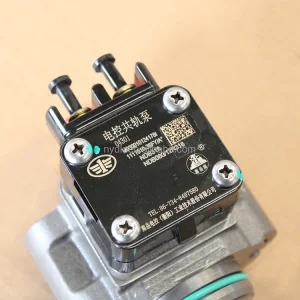
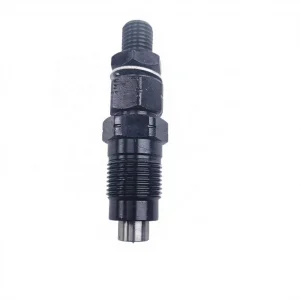
At these high pressures, fuel system components cannot afford even sub-micron variances. High-pressure pumps, common rail piping assemblies, and fuel injectors must deliver precise fuel atomization to ensure complete combustion. Any deviation leads to higher carbon buildup, compromised particulate filter performance, and accelerated wear on the engine. For companies supplying components to Hanoi's logistics and transit fleets, sourcing components with proven ISO 9001 and IATF 16949 credentials is no longer optional—it is a critical requirement for market access.
Fuel systems operating in tropical zones require strict material integrity specifications. Under sustained heat cycles and humidity, basic steels oxidize rapidly, contaminating the fuel system. This is why leading component manufacturers utilize SUS304 and SUS316 alloys for critical components. The high chromium and nickel content of these stainless steels provides an innate passivation layer, offering excellent protection against corrosion even when exposed to low-grade or high-sulfur fuel reserves.
For sealing components, the selection of elastomer grades is critical. Standard rubber compounds degrade, crack, and lose elasticity when exposed to modern aromatic fuels, biofuels, and aggressive fuel additives, leading to drop-pressure failures. Modern engineering utilizes fluorocarbon elastomers (FKM / Viton) and high-performance nitrile compounds (NBR). These materials maintain their chemical structure and mechanical properties across a wide temperature range, ensuring zero vapor emission leakages and maintaining high pressure levels within the system.
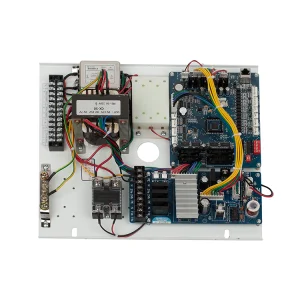
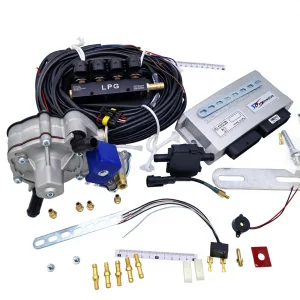
The integration of advanced digital elements is defining the next generation of fuel systems. In Hanoi's rapidly modernizing industrial zones, simple mechanical flow meters and switches are giving way to digital control loops. Modern fleet operators rely on 3D Digitronic control kits, which utilize sophisticated microprocessors to monitor and adjust fuel injection rates dynamically based on load data, engine speeds, and barometric changes.
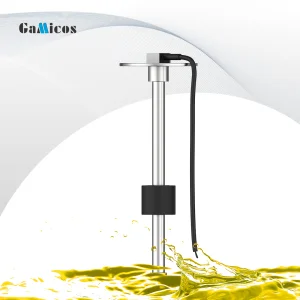
Additionally, fuel level sensing technologies have evolved beyond simple resistive mechanical floats. Advanced digital liquid-level gauges, using capacitance or magnetostrictive principles, provide real-time fuel volume tracking accurate to within millimeters. This prevents fuel theft and helps optimize route logistics by offering precise fuel consumption telemetry. This technology is critical for municipal bus systems, major construction projects, and delivery fleets looking to streamline their operating expenses in the Hanoi metro area.
Comprehensive systems design for regional aviation hubs, commercial transport corridors, and modern retail fuel stations.
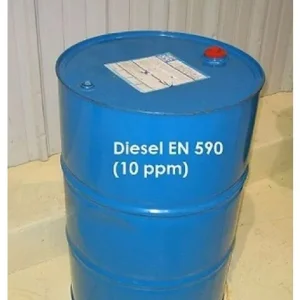
Specialized high-density, high-flashpoint Jet A-1 turbine fuel delivery assemblies designed to match the throughput demands of Noi Bai International Airport.
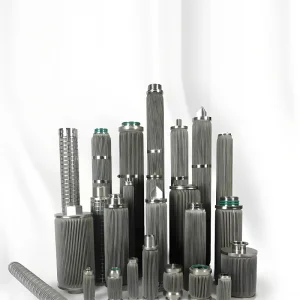
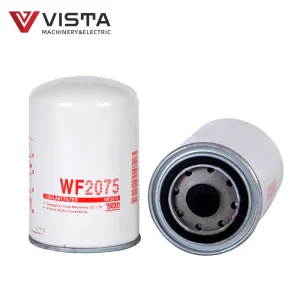
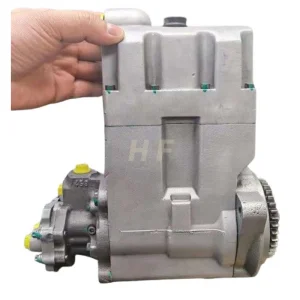
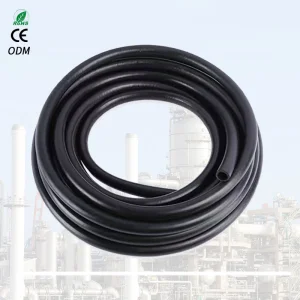
High-efficiency Common Rail pumps, fuel lines, and filtration kits designed for commercial buses, delivery trucks, and logistics vehicles operating in Hanoi's core.
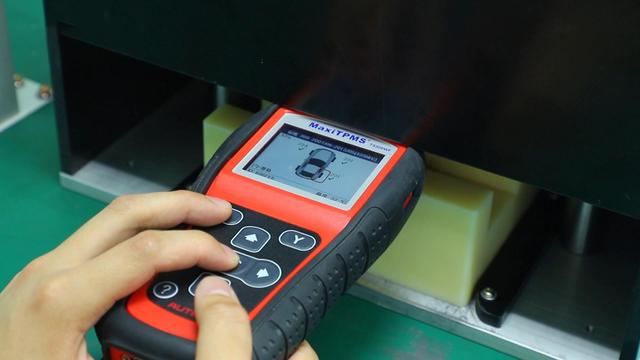
Integrated anti-static keypads, precision meters, and control interfaces engineered for fuel station operators seeking to upgrade to automated, cloud-managed systems.
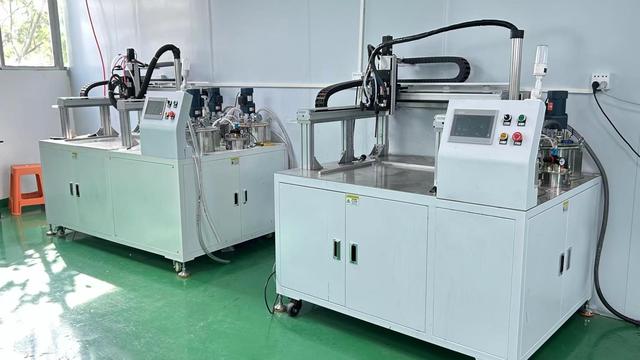
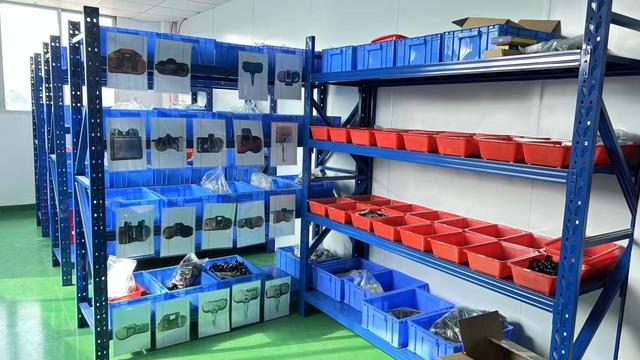
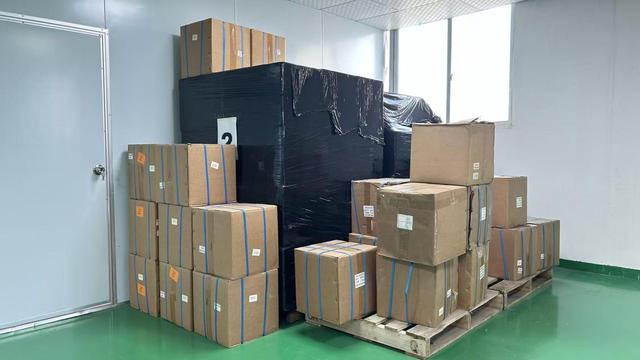
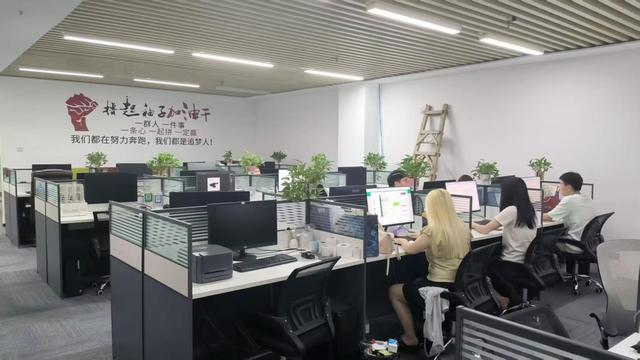
Guangzhou Mayumi Auto Co., Ltd. is a professional manufacturer specializing in automotive parts and vehicle component solutions for global OEM, aftermarket, and commercial vehicle markets. Established in 2011, the company is located in Guangzhou, Guangdong Province, one of China's major automotive manufacturing centers. Operating from a modern production facility covering 25,000 square meters and supported by a workforce of more than 280 employees, Mayumi Auto has developed comprehensive capabilities in product development, precision manufacturing, quality control, and international supply chain management.
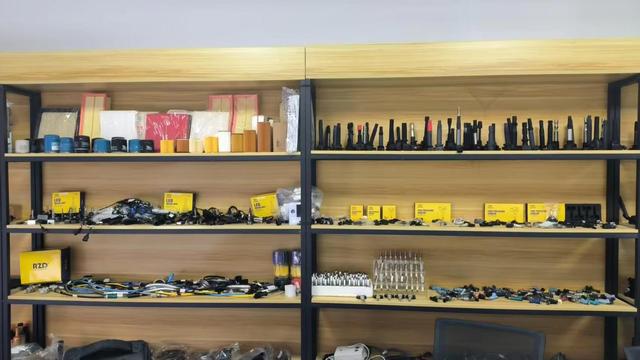
The company focuses on the production of suspension components, brake system parts, steering system components, engine-related parts, chassis assemblies, drivetrain components, and other automotive solutions designed for passenger vehicles, commercial vehicles, and specialty transportation applications. Through continuous investment in advanced machining equipment, automated production technologies, and testing systems, Mayumi Auto delivers products engineered for durability, reliability, and consistent performance.
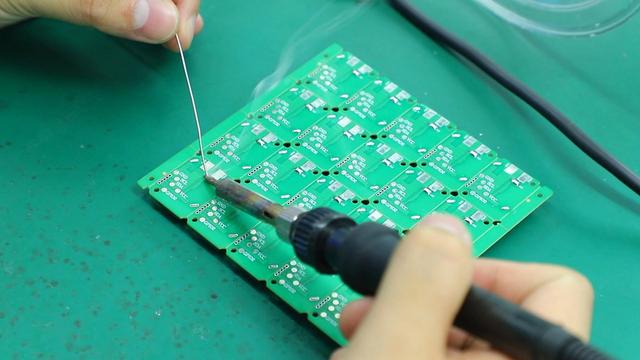
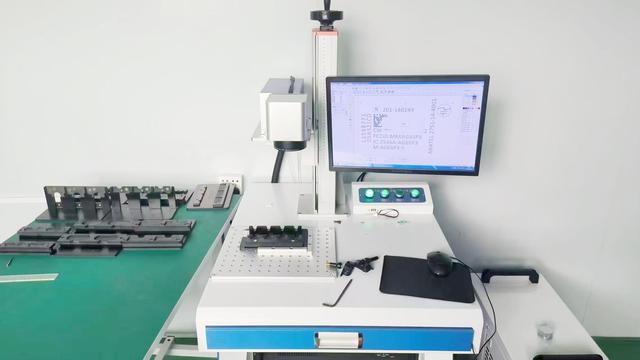
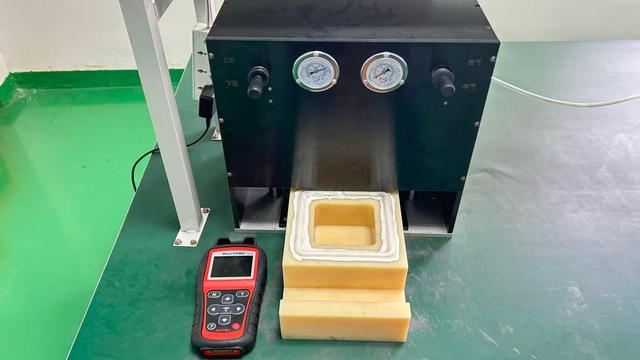
Quality assurance is integrated throughout the manufacturing process, from raw material inspection and precision machining to assembly verification and final performance testing. The company follows stringent quality management procedures to ensure products meet international industry requirements and customer specifications.
Mayumi Auto also provides flexible OEM and ODM manufacturing services, supporting customers with customized product development, private-label production, technical design optimization, and application-specific automotive solutions. Its engineering and production teams work closely with global partners to deliver efficient and scalable manufacturing support.
Today, Guangzhou Mayumi Auto Co., Ltd. exports its products to North America, Europe, South America, the Middle East, Southeast Asia, and other international markets. By combining manufacturing expertise, engineering innovation, and customer-focused service, the company continues to provide dependable automotive component solutions that support the evolving needs of the global automotive industry.
Explore our full technical catalog, featuring solutions designed for high performance, compliance, and industrial durability in Hanoi and regional markets.
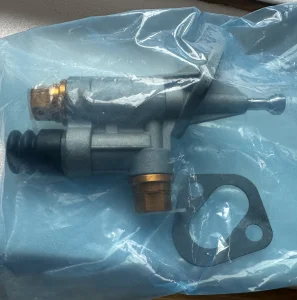
In-depth responses from our engineering department regarding installation, compatibility, and compliance in Northern Vietnam.
 Mayumi Auto