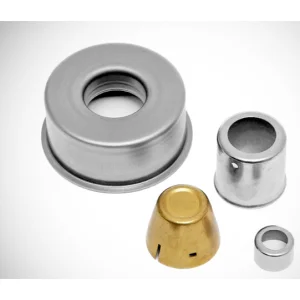
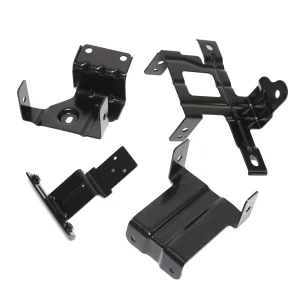
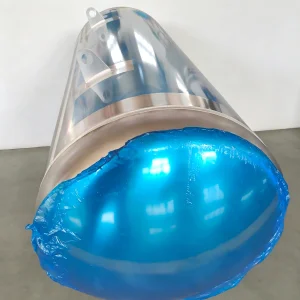
Advanced automotive assemblies, structural systems, and precision metal fabrication solutions manufactured under strict OEM protocols.
Established
Modern Facility
Precision Experts
Dynamic Balancing Quality
In modern mechanical engineering, the propeller shaft (also frequently designated as the driveshaft or cardan shaft) stands as the primary structural element responsible for transmitting torque and rotational kinetic energy from the transmission assembly to the final drive differentials. Because of the dynamic shifts in positioning caused by suspension movement, these shafts must continuously navigate variable angles and axial lengths. Achieving smooth power delivery under these conditions demands exceptional mechanical compliance, precision balance, and physical resilience.
SEO Insight & Information Gain: When searching for reliable propeller shaft suppliers, procurement departments prioritize more than raw cost metrics. They look closely at torsional yield strengths, rotational critical speeds, and the mechanical design of universal joints (U-joints) and constant velocity (CV) joints to avoid system failure under load.
Every propeller shaft is subjected to compound loads consisting of torsional shear stresses, cyclical bending stresses, and high axial push-pull forces. The structural integrity of the tube, the quality of the splines, and the dynamic alignment of the universal joints determine the operational life of the entire drivetrain. A minor deviation in geometry can cause high-frequency vibrations that stress adjacent parts like the transmission casing, differential gears, and output shaft bearings.
Guangzhou Mayumi Auto Co., Ltd. is a professional manufacturer specializing in automotive parts and vehicle component solutions for global OEM, aftermarket, and commercial vehicle markets. Established in 2011, the company is located in Guangzhou, Guangdong Province, one of China's major automotive manufacturing centers. Operating from a modern production facility covering 25,000 square meters and supported by a workforce of more than 280 employees, Mayumi Auto has developed comprehensive capabilities in product development, precision manufacturing, quality control, and international supply chain management.
The company focuses on the production of suspension components, brake system parts, steering system components, engine-related parts, chassis assemblies, drivetrain components, and other automotive solutions designed for passenger vehicles, commercial vehicles, and specialty transportation applications. Through continuous investment in advanced machining equipment, automated production technologies, and testing systems, Mayumi Auto delivers products engineered for durability, reliability, and consistent performance.
Quality assurance is integrated throughout the manufacturing process, from raw material inspection and precision machining to assembly verification and final performance testing. The company follows stringent quality management procedures to ensure products meet international industry requirements and customer specifications.
Mayumi Auto also provides flexible OEM and ODM manufacturing services, supporting customers with customized product development, private-label production, technical design optimization, and application-specific automotive solutions. Its engineering and production teams work closely with global partners to deliver efficient and scalable manufacturing support.
Today, Guangzhou Mayumi Auto Co., Ltd. exports its products to North America, Europe, South America, the Middle East, Southeast Asia, and other international markets. By combining manufacturing expertise, engineering innovation, and customer-focused service, the company continues to provide dependable automotive component solutions that support the evolving needs of the global automotive industry.
Why China has become the global hub for high-performance propeller shaft production and technological innovation.
Using premium steel alloys such as 40Cr, 45# carbon steel, and 20CrMnTi, Chinese manufacturers apply induction hardening and precise heat treatments to build components with high surface hardness and strong, ductile cores.
Leading factories employ computer-controlled dynamic balancing machines to analyze rotational imbalance. Operators weld balancing weights within tight tolerances to keep residual unbalance values within ISO 1940 standards.
Located within major industrial hubs like Guangdong, manufacturers benefit from localized supply chains. They source steel tubing, precision bearings, splines, and rubber dust boots nearby, lowering production lead times and costs.
The automotive and industrial sectors are shifting toward lightweight designs, high efficiency, and quiet operation. These forces are driving technical changes in how propeller shafts are designed and manufactured:
Traditional steel driveshafts are strong but heavy, which increases rotational inertia and limits fuel efficiency. New carbon fiber composite propeller shafts can cut weight by up to 50% while offering higher torsional stiffness. These composite tubes also dampen NVH naturally, allowing engineers to replace complex multi-piece metal shafts with a single-piece carbon fiber design.
Electric motors deliver maximum torque instantly, placing high shear stress on drivetrain components. To handle these demands, propeller shafts require upgraded spline geometries, robust weld joints, and custom constant velocity joints that prevent mechanical wear over millions of load cycles.
Friction welding has become the standard for attaching end yokes to drive tubes. By rotating one part under pressure against another, friction generates the heat needed for a solid-state weld. This method avoids the heat-affected zones of traditional arc welding, creating a stronger joint with minimal deformation.
| Material Profile | Torsional Yield Strength (MPa) | Density (g/cm³) | Vibration Damping Capacity | Primary Application Range |
|---|---|---|---|---|
| Low-Carbon Alloy Steel (40Cr) | ≥ 785 | 7.85 | Moderate | Heavy Utility Trucks & Heavy Off-Road Equipment |
| Structural Aluminum Alloy (6061-T6) | ≥ 276 | 2.70 | High | Lightweight RWD Passenger Vehicles |
| Carbon Fiber Reinforced Polymer (CFRP) | ≥ 1200 | 1.60 | Excellent | High-Performance Sports Cars & High-RPM Industrial Shafts |
Adapting propeller shaft designs to different working environments, operational loads, and torque configurations.
Designed for multi-axle heavy trucks operating under continuous stress. Features induction-hardened splines and high-capacity universal joints to handle sustained high-torque hauling.
Engineered for loaders, excavators, and dump trucks. Built with advanced dust-proof seals and impact-resistant yoke geometries to withstand mud, dust, and rocky terrains.
Engineered for low NVH, high RPMs, and smooth performance. Features dual-cardan joints and rubber-damped center bearings to reduce drivetrain vibration.
Equipped with quick-disconnect mechanisms and safety shear bolts. Built to transmit reliable PTO power to implements in dusty, demanding field conditions.
For international procurement teams, ensuring product reliability is essential. Guangzhou Mayumi Auto Co., Ltd. implements strict testing steps across every manufacturing phase to ensure compliance with standards like ISO 9001 and IATF 16949:
Incoming steel batches undergo spectral analysis to verify their chemical composition. Hardness and grain-size tests confirm the raw stock matches mechanical specifications.
Non-destructive ultrasonic testing checks friction-welded joints for internal voids, cracks, or alignment errors, securing the strength of critical stress points.
Completed shafts are tested on high-speed dynamic balancers. The computer shows the exact angle and weight needed for corrections, keeping vibrations to a minimum.
Every propeller shaft is assigned a tracking code that links to its material batch report, heat treatment logs, dynamic balancing data, and final dimensional inspection sheets. This level of traceability helps global buyers source components with confidence.
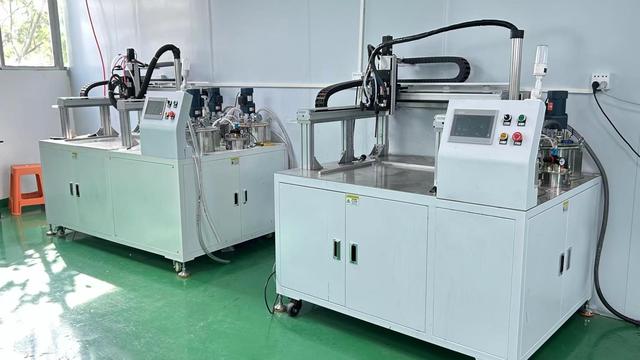
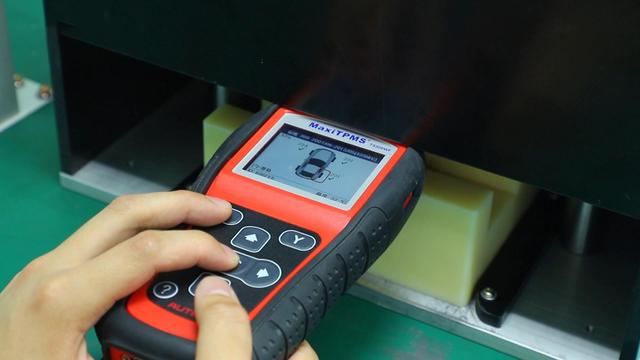
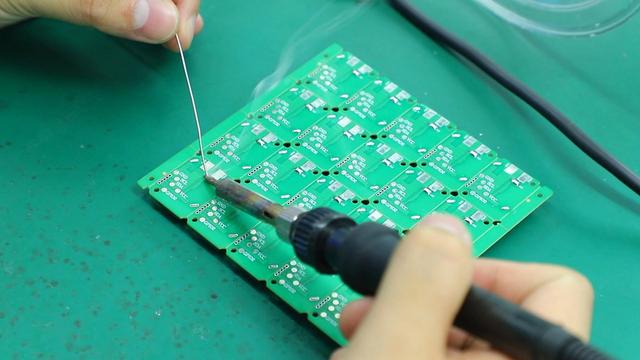
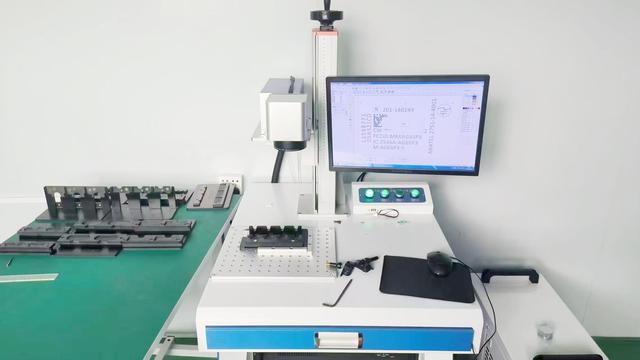
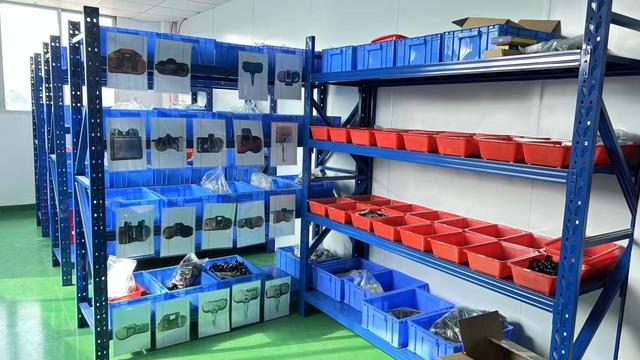
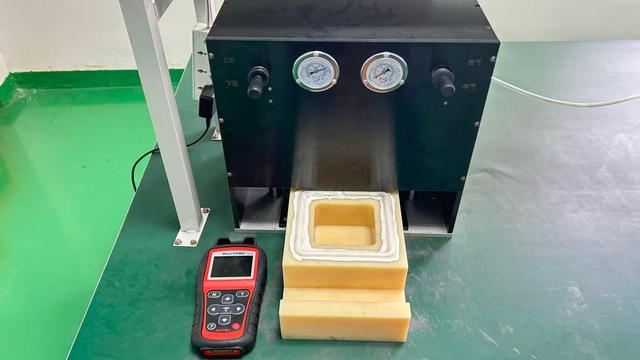
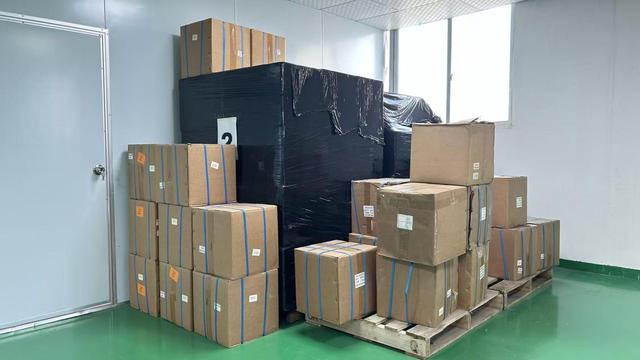
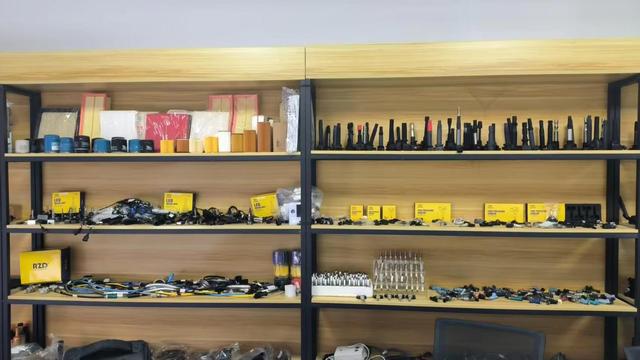
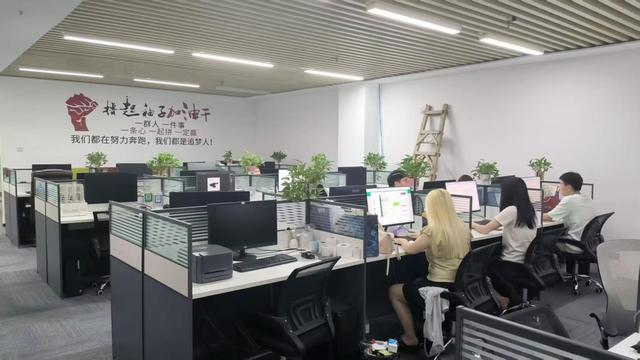
A look at Guangzhou Mayumi Auto's specialized manufacturing units, assembly lines, and raw material processing stations.
Answering common questions about mechanical specifications, customization processes, and quality standards.
For heavy-duty applications, we primarily utilize high-grade carbon steel alloys such as 40Cr, 45# Steel, or 20CrMnTi. These steels undergo specialized induction hardening and heat treatments to achieve high outer hardness and excellent core toughness, ensuring they can handle repeated torsional stress without failing.
Proper dynamic balancing reduces high-frequency vibration during operation. Unbalanced shafts can trigger resonant vibrations that damage the differential pinion bearings, transmission tail-shaft bushings, and universal joints. We balance our assemblies to G1.6 and G2.5 grades for smooth operation and long service life.
Yes. Guangzhou Mayumi Auto offers comprehensive OEM and ODM support. Our design team collaborates with global partners to calculate torque demands, design custom splines, adjust shaft lengths, and manufacture prototype units that undergo physical validation before production.
We use friction welding for key joint interfaces, followed by non-destructive ultrasonic testing (UT) and magnetic particle testing (MT). These steps verify the weld is fully fused and free from internal micro-cracks or gas pockets before final assembly.
Located in Guangzhou, near major deep-water ports like Nansha and Shenzhen, we coordinate container shipments, custom crating, and complete export documentation. This close proximity helps us maintain efficient, timely shipping to North America, Europe, the Middle East, and Southeast Asia.
Explore more high-performance mechanical solutions, custom engine mounts, fuel systems, and precision cast parts.
 Mayumi Auto