Custom OEM Seat Brackets Supplier & Suppliers

Precision-Engineered Structural Mounting Solutions for Automotive, Aerospace, and Industrial Applications

Executive Briefing: The Architecture of Structural Integrity

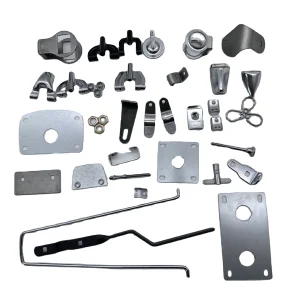
In modern automotive engineering and industrial heavy-machinery design, the seat bracket serves as the foundational interface between the human operator and the chassis. Far from being simple sheet metal stamps, custom OEM seat brackets are critical safety systems designed to withstand dynamic crash loads, mitigate NVH (noise, vibration, and harshness), and support optimal ergonomics.

As a leading supplier in global automotive manufacturing, Guangzhou Mayumi Auto Co., Ltd. (established in 2011) delivers advanced vehicle component solutions from a state-of-the-art 25,000 square meter manufacturing plant in Guangzhou, China. With a dedicated workforce of over 280 highly skilled professionals, we specialize in bridging the gap between custom industrial design requirements and mass-production scalability. Our custom OEM seat brackets are engineered to meet stringent global standards, utilizing advanced finite element analysis (FEA), high-yield steel alloys, and robotic welding lines to ensure long-term structural reliability.

Rigorous Safety Standards

Every custom seat bracket is designed and verified to satisfy severe crash-test metrics, ensuring passenger survival by maintaining mechanical locked configurations under high-impact deceleration.

Cost-Efficiency & Lightweighting

Through smart gauge reduction and the deployment of High-Strength Low-Alloy (HSLA) steel, we minimize component weight without sacrificing structural yield margins.

Ergonomic Vibration Dampening

Our custom structures act as natural isolators, absorbing low-frequency road vibrations and improving ride quality across passenger and commercial vehicles.

Guangzhou Mayumi Auto: Manufacturing Scale at a Glance

Leveraging over a decade of precision automotive manufacturing experience to deliver robust seat brackets, suspension parts, braking components, and custom structural assemblies to Tier-1 buyers globally.

25,000+
Sqm Facility Area
280+
Expert Personnel
2011
Year of Establishment
6+
Global Export Regions

Sourcing Dynamics: Sourcing OEM & Custom Seat Brackets

Industrial procurement teams from automotive OEMs, motorsport operations, defense transportation, and agricultural machinery firms face complex requirements when selecting seat mounting suppliers. A seat bracket is a highly regulated item, and sourcing standard catalog parts often fails to meet the packaging, angle, crash path, and load configurations of specialized vehicular cabins.

1. Structural Load Mitigation and Materials Selection

For high-performance applications, custom brackets must be fabricated with carefully chosen materials that balance weight against tensile strength. Standard mild steels yield too easily under dynamic deceleration, while overly brittle alloys can snap under shock loading. We utilize specialized metallurgy:

  • High-Strength Low-Alloy (HSLA) Steels: Ideal for heavy-duty commercial truck seat brackets where fatigue life and weldability are paramount.
  • Dual-Phase (DP) Steels: Used in lightweight structural components, offering excellent energy absorption and yield strength up to 1000 MPa.
  • 5000 & 6000 Series Aluminum Alloys: Selected for electric vehicle (EV) lightweighting initiatives, offering an optimal weight-to-strength ratio alongside natural corrosion resistance.
  • 4130 Chromoly Steel: Specially reserved for motorsports and racing frame integrations where extreme torsional rigidity is required.

2. Technical Stamping & Forming Processes

Quality starts with precision fabrication. Our factory leverages advanced CNC bending, progressive die stamping, and fine blanking equipment to maintain tolerances within ±0.05mm. In our 25,000-square-meter facility, we implement a multi-stage production sequence:

First, finite element analysis (FEA) software simulates the stress-strain behavior of the bracket design under forward, rearward, and lateral crash loads. Next, tooling designers construct customized progressive dies. Steel sheets undergo decoiling, leveling, and high-tonnage stamping, followed by secondary operations such as robotic MIG/TIG welding, hardware insertion, and surface treatment. The final stage incorporates advanced powder coating or e-coating to prevent corrosion from moisture and road salt ingress.

FEA Simulation

Virtual simulation predicts deformation pathways and structural vulnerabilities, allowing optimization of steel thickness and geometry prior to tooling release.

Robotic Welding

Automated welding cells ensure absolute consistency in weld penetration, eliminating manual human variance and potential joint failure points.

E-Coating / Powder Coating

Electronic deposition coating (e-coat) ensures 100% surface coverage even within tight channels, yielding 500+ hours of salt spray resistance.

3. Global Industry Solutions and Applications

Different markets present distinct structural requirements. Custom OEM seat brackets must be tailored accordingly:

  • Commercial Fleets & Heavy Machinery: Construction equipment, mining trucks, and long-haul transport cabs require seat brackets featuring suspension damping mounts and height adjustments to protect operators from repetitive vibration injuries (Whole Body Vibration mitigation).
  • Electric Vehicles (EVs): EVs require weight minimization to maximize battery range. Brackets are engineered with complex geometries that maintain strength while reducing physical material bulk.
  • Motorsports and Performance Cars: Race-ready brackets require low-profile seating positions, multi-point harness attachments, and compatibility with FIA safety regulations.
  • Military & Defense Vehicles: Blast-resistant seating systems require heavy-gauge steel brackets designed to withstand high-velocity vertical shockwaves from under-vehicle explosions.

Technical Roadmap: The Future of Seat Bracket Engineering

As the automotive sector migrates toward autonomous driving systems and flexible cabin layouts, the requirements for seat brackets are changing. Standard fixed floor mountings are giving way to intelligent structural designs that integrate safety, flexibility, and sensor connectivity.

Smart Integration

Integrating load cells and weight classification sensors directly into the seat bracket assembly for advanced airbag deployment controls.

High-Cycle Durability

Optimizing fatigue limits for ride-sharing and urban mobility platforms, where seats undergo high-frequency adjustments daily.

Multi-Material Hybrid Bonding

Joining ultra-high-strength steel with aluminum or carbon fiber composites using advanced structural adhesives and mechanical fasteners.

Decarbonized Production

Utilizing green steel and low-emission manufacturing pathways to meet global corporate ESG and environmental targets.

Adaptive Cabin Structures for Autonomous Driving

Future autonomous vehicles will feature swivel, reclining, and sliding seats, allowing passengers to work, relax, or sleep during travel. In these configurations, the seat bracket must support occupant loads across various layout variations. This requires dynamic sliding tracks, rotational locks, and reinforced floor anchorage systems that maintain load-path integrity regardless of the seat's position. Mayumi Auto's R&D department is actively prototyping multi-axis locking brackets designed to meet safety protocols for variable cabin seating layouts.

Localization Support & Compliance Assurance

Operating a global automotive business requires adherence to strict quality control systems. At Guangzhou Mayumi Auto Co., Ltd., our processes conform to international quality regulations. Our operations are governed by IATF 16949 certification standards, which regulate trace materials, manufacturing control plans, tool calibration, and preventative maintenance protocols.

We work closely with logistics partners in North America, Europe, South America, the Middle East, and Southeast Asia to support JIT (Just-in-Time) delivery demands. For specialized OEM projects, we offer comprehensive PPAP (Production Part Approval Process) Level 3 documentation, including design records, material lab test certificates, dimensional layout reports, and control plans. This documentation ensures that the brackets delivered to your assembly line perform as specified, with zero variation between production runs.

Complete OEM/ODM Customization Capabilities

Our engineering support services are tailored to fit your development lifecycle:

  • Rapid Prototyping: Initial sample fabrication utilizing laser cutting, temporary tooling, and manual assembly to allow physical testing prior to investing in production dies.
  • Custom Tooling Design: In-house mold fabrication shop allows us to optimize tool wear-life, minimizing down-time and reducing production costs.
  • Regulatory Compliance Testing: Coordination with independent testing labs to perform FMVSS (Federal Motor Vehicle Safety Standards), ECE, and GB certification test protocols.
  • Traceability Systems: Barcoding and laser etching of serial numbers directly onto components to allow complete material and shift tracking throughout the supply chain.

Procurement & Technical FAQ

1. What materials are standard for custom OEM seat brackets?
We utilize high-yield strength structural steels including Q355B, HSLA grades (such as Domex 700 or equivalent), and Dual-Phase steels for light-weight structural configurations. For marine or specialized performance applications, we supply brackets in 5000/6000 series anodized aluminum alloys or JIS-certified 4130 chromoly steel.
2. How does Guangzhou Mayumi Auto ensure crash-test compliance?
We employ computer-aided engineering (CAE) using Finite Element Analysis (FEA) to simulate impact scenarios. Physical sample batches undergo static load tests, cyclic fatigue test runs, and dynamic drop testing in certified laboratories to meet standards such as FMVSS 207/210 and ECE R17.
3. What is the standard MOQ (Minimum Order Quantity) for custom brackets?
For custom-stamped components requiring unique tooling, our MOQ generally ranges from 500 to 2,000 units, depending on the component's size, tooling complexity, and material specifications. We also offer prototype support runs for early-stage development phases.
4. What surface finishes do you apply to seat brackets?
Our standard anti-corrosion coatings include Cathodic Electrodeposition (e-coating), durable electrostatic polyester powder coating, hot-dip zinc galvanization, and zinc plating. We achieve upwards of 500 to 1,000 hours of salt spray test performance depending on client requirements.
5. Can you accommodate CAD designs and native files from CATIA, SolidWorks, and NX?
Yes, our engineering group works with native CATIA, SolidWorks, Autodesk Inventor, and Siemens NX files, as well as universal formats such as STEP, IGES, and DWG for tool design and manufacturing compatibility.
6. Do you support private labeling and custom packaging for global aftermarket brands?
Yes. We provide flexible OEM and ODM services, including custom laser engraving, product labeling, barcodes, custom instruction sheet placement, and retail-ready packaging solutions.
7. What quality certifications does Mayumi Auto hold?
We operate under a strict quality management framework structured to ISO 9001 and IATF 16949 standards. This guarantees complete traceability from raw material ladle analysis to the final stamped component.
8. What is the lead time for tooling fabrication and production delivery?
Typically, tooling design and fabrication require 30 to 45 calendar days. Once tooling is approved and PPAP is signed off, standard production runs take 25 to 35 days, depending on order volume and scheduling.

Our Plant, Tooling Operations & Manufacturing Facilities

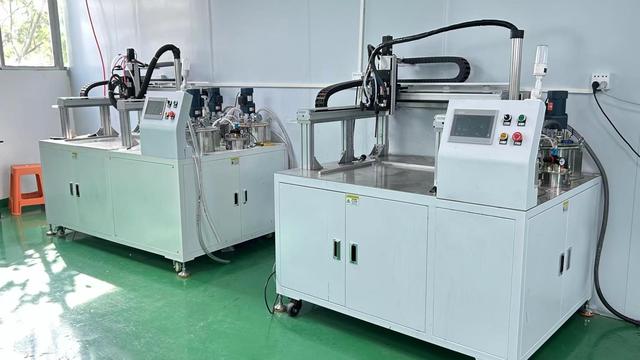
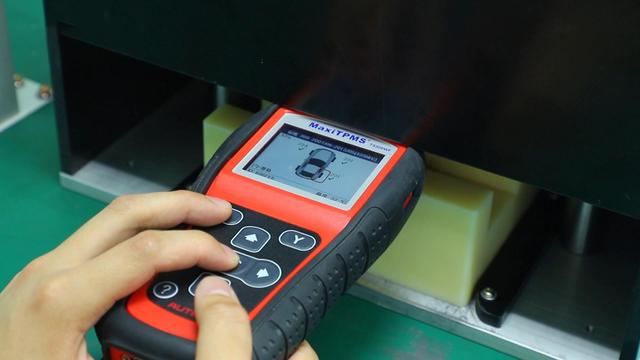
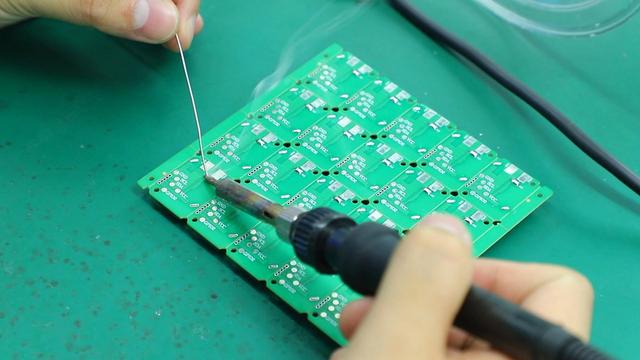
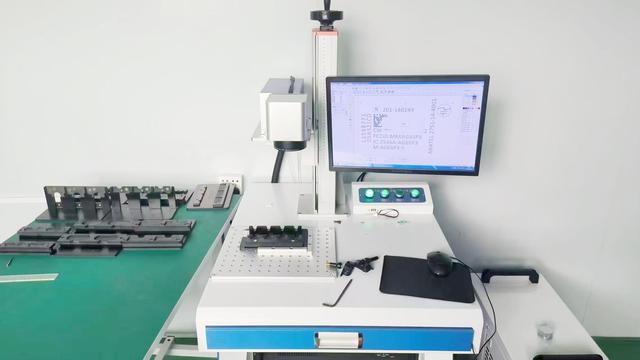
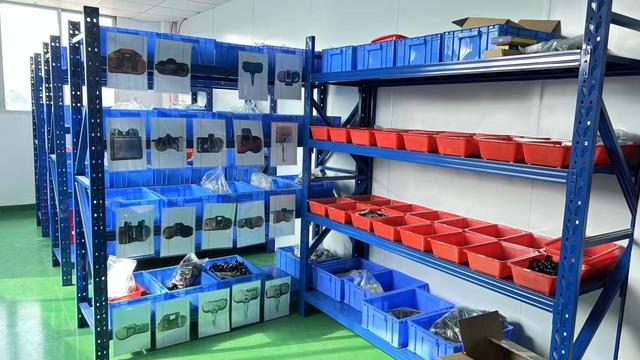
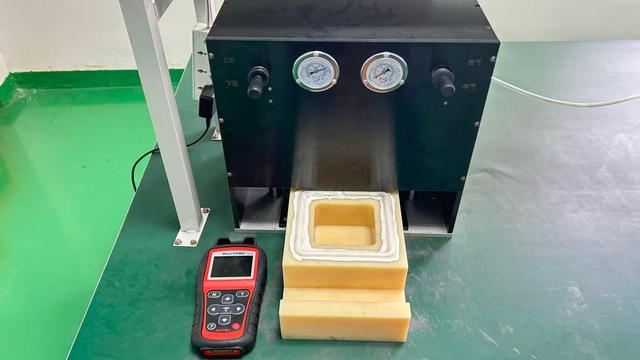
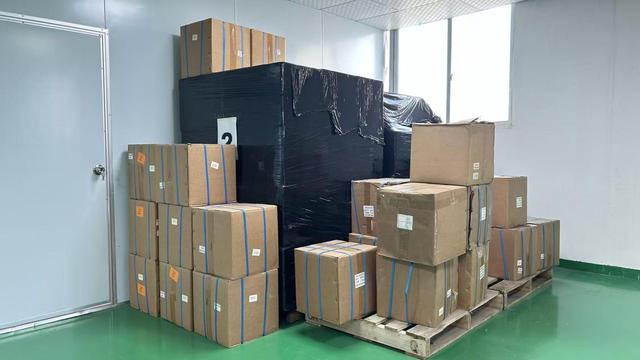
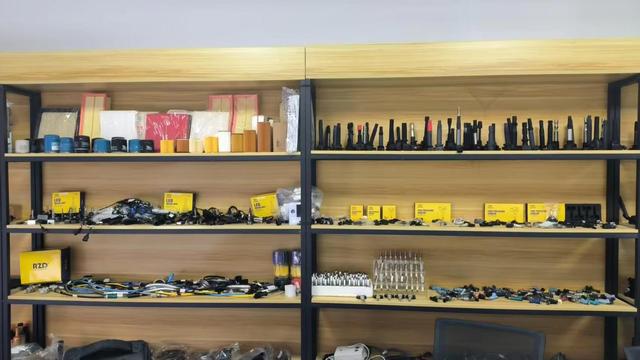
Guangzhou Mayumi Auto Co., Ltd. continuously invests in advanced precision machining equipment, automated manufacturing systems, and quality verification tests. Below is an inside look at our modern production facilities, raw material verification checks, and testing systems.