Engineered components matching high-durability metrics and global compliance regulations.
Uncovering industrial benchmarks, engineering transitions, and supply chain paradigms for Tier-1 buyers.
Key metrics determining how manufacturers optimize next-generation deceleration systems.
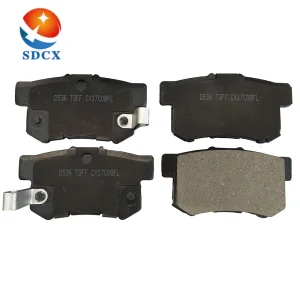
Heavy regulatory measures in both the European Union and North America now require brake pads to feature copper-free friction formulations. Modern suppliers must employ advanced ceramic and metallic matrix structures that maintain friction coefficients (0.35 to 0.45) across vast thermal ranges without releasing hazardous particulate matter.
Engineered venting arrays in brake rotors, combined with heat-resistant surface treatments (such as Geomet coatings), prevent thermal cracking and fluid boiling under high cyclic stress, ensuring reliable braking profiles on steep descents and continuous stopping environments.
Precision machining and multi-layer constraint damper shims (such as rubber-metal-rubber compositions) are utilized to eliminate caliper excitation frequencies, matching premium expectations for silent passenger-cabin environments in the EV segment.
A standard-setting Chinese manufacturer driving engineering excellence in automotive systems.
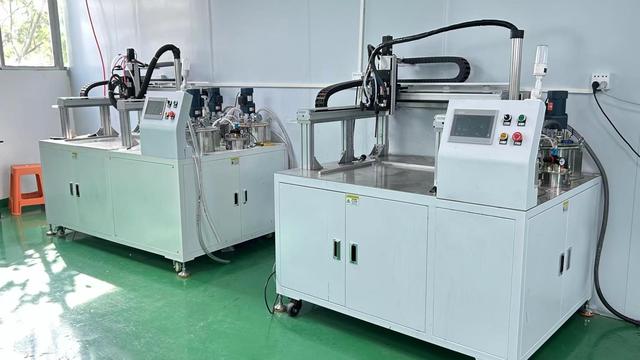
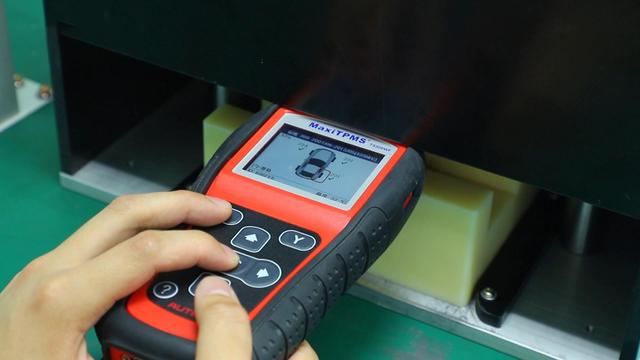
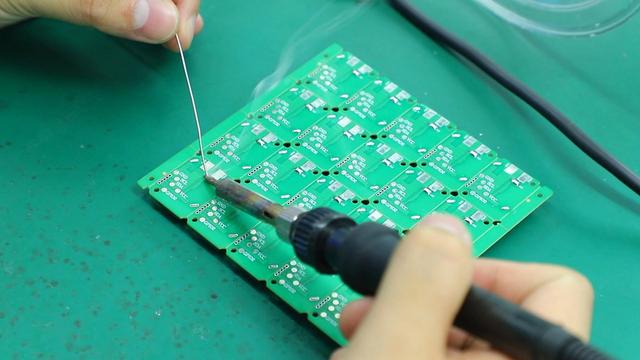
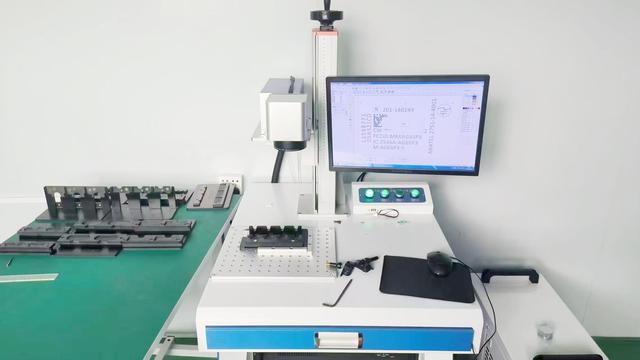
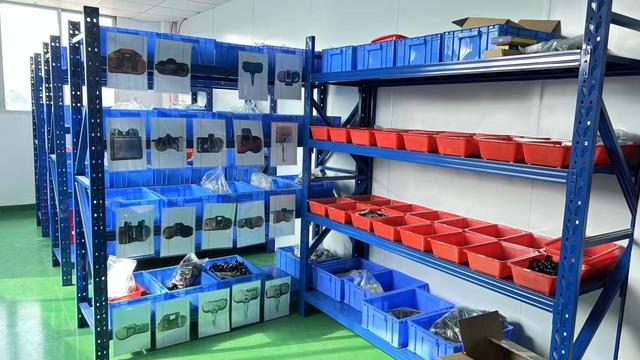
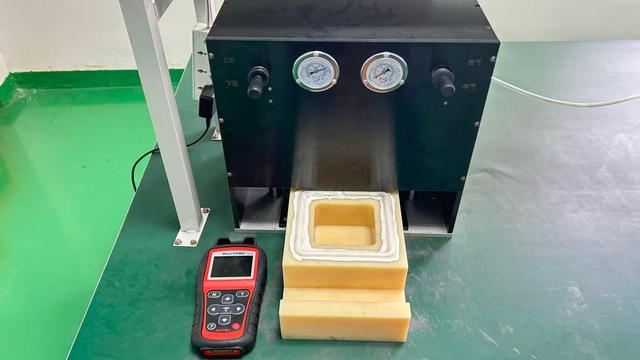
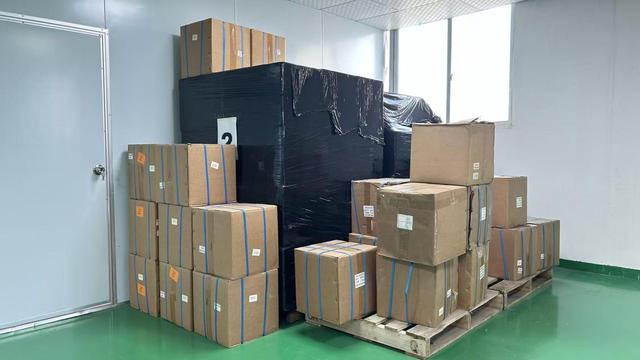
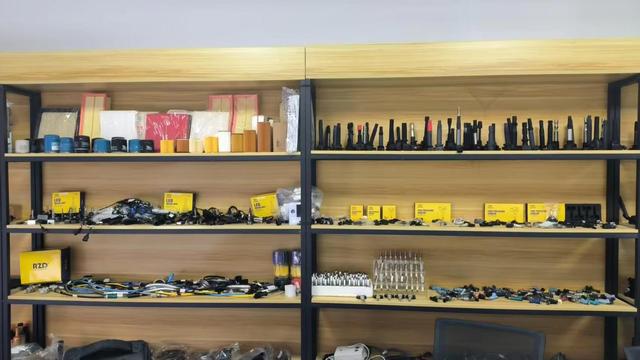

Optimized automation, resource allocation, and logistical efficiency for demanding global markets.
Adapting automotive engineering solutions to meet distinct regional environments.
Brake components for alpine regions are engineered to resist high heat build-up. Vented rotors with directional cooling vanes dissipate intense heat, preventing fluid fade and ensuring reliable stopping power during long mountain descents.
Formulated to operate down to -40°C, these rubber seals and friction compounds resist thermal cracking, ensuring immediate brake engagement even in extreme cold-weather operations.
Designed with anti-corrosion protective coatings (such as Dacromet or zinc flakes), these components are highly resistant to salt water damage, making them suitable for coastal transport and damp climates.
Answers to key technical questions from procurement specialists and automotive buyers.
All components are manufactured in strict compliance with the IATF 16949 quality framework. Friction parts destined for European markets carry the necessary ECE R90 designations, whereas components targeted at North America conform to SAE J661 standards.
Our engineering team works directly from client blueprints, CAD designs, or physical component samples. With in-house rapid prototyping and dynamic CNC tooling capability, we can iterate prototype variants and run dynamic dyno tests to match client specifications before entering bulk fabrication.
We use advanced ceramic formulations and NAO (Non-Asbestos Organic) compositions that replace copper with inert structural silicates and metal oxides. This ensures full compliance with environmental standards while maintaining consistent friction levels.
For established standard catalog components, the average production lead time is 30 to 45 days. For specialized OEM/ODM projects requiring tool development, typical project lead times range from 60 to 75 days, including testing and validation phases.
Guangzhou is one of China's primary shipping and logistics centers, with immediate access to Nansha port and Shenzhen's container terminals. This proximity ensures simplified customs clearance and efficient shipping to global ports.
An expansive selection of specialty components for commercial fleets, internal engine blocks, and vehicle assemblies.
 Mayumi Auto