Explore our industrial-grade spare parts and components precision-engineered for heavy machinery, automotive configurations, and precision systems.
An in-depth analysis of structural integrity, engineering requirements, and European market certification pathways.
In modern drive systems, synchronization is paramount. Whether in complex automotive powertrains or high-speed industrial assembly robotics, timing belts serve as the non-slip mechanical link ensuring that camshafts, pulleys, and linear actuators move in perfect unison. Unlike traditional roller chains, advanced synchronous belts provide a low-maintenance, quiet, and highly efficient power transmission medium.
However, the physical stress placed on these elements is immense. Tensile loads, cyclic fatigue, ozone exposure, and operating temperatures ranging from -30°C to over 120°C demand precise engineering. Obtaining CE Certification is not merely a legal checkbox for European market entry; it acts as a declaration of conformity under the Machinery Directive 2006/42/EC and related harmonized standards. Manufacturers must demonstrate compliance in structural tensile limits, fire retardancy, anti-static properties, and non-toxicity of polymers (RoHS/REACH alignment).
Industrial timing belts comprise four critical structural layers: the backing polymer, the tensile cord element, the rubber teeth, and the protective tooth jacket. High-tier manufacturers leverage specialized elastomer formulations, prioritizing HNBR (Hydrogenated Nitrile Butadiene Rubber) for automotive application envelopes due to its superior oil and heat resistance, while utilizing chloroprene or polyurethane for high-torque industrial machinery.
The tensile cord, typically composed of continuously wound fiberglass cords or carbon fiber, defines the belt's dimensional stability under heavy load conditions. By optimizing tooth geometry—transitioning from legacy trapezoidal profiles to modern curvilinear designs like HTD (High Torque Drive) and STD (Super Torque Drive) profiles—engineers can distribute shear stresses more evenly across the elastomer body, reducing the incidence of catastrophic tooth shear and prolonging system lifespan.
A professional manufacturer specializing in automotive parts and vehicle component solutions for global markets.
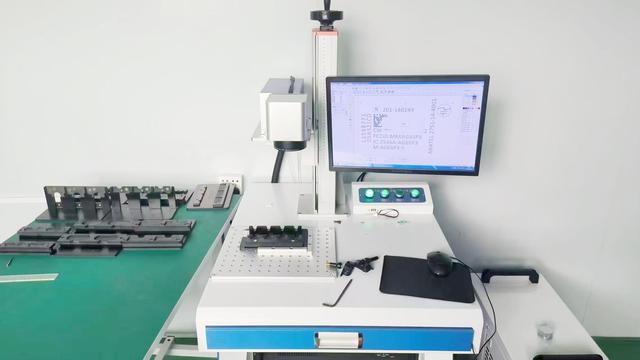
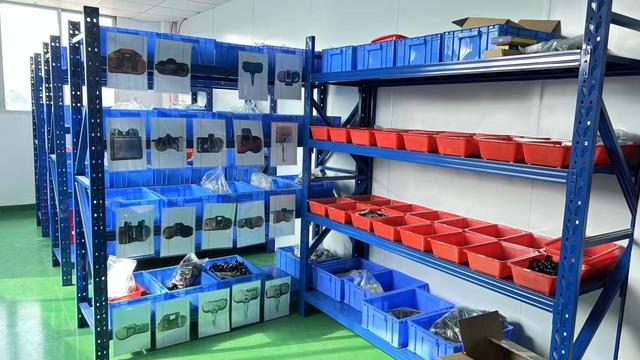
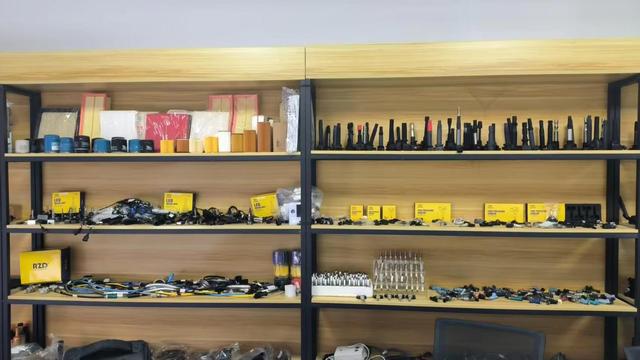
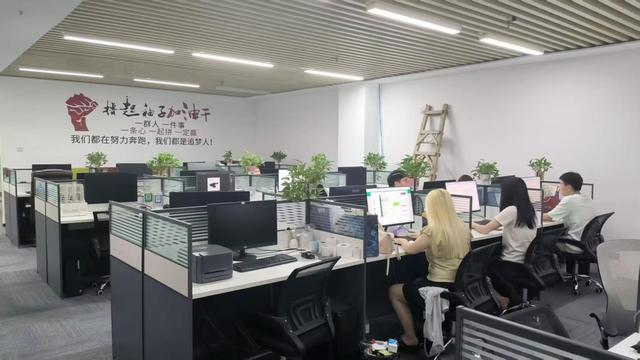
Established in 2011, Guangzhou Mayumi Auto Co., Ltd. is a leading manufacturer specializing in automotive parts and vehicle component solutions for global OEM, aftermarket, and commercial vehicle markets. Operating from a modern production facility covering 25,000 square meters in Guangzhou, Guangdong Province, the company leverages advanced machining equipment, automated production technologies, and stringent testing methodologies.
With a workforce of more than 280 employees, Mayumi Auto manages comprehensive operations including raw material inspection, precision machining, assembly verification, and final quality control. The product portfolio includes suspension components, brake system parts, steering system components, engine-related parts, chassis assemblies, and drivetrain components.
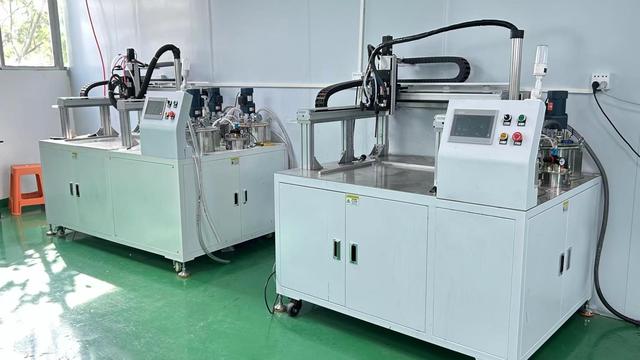
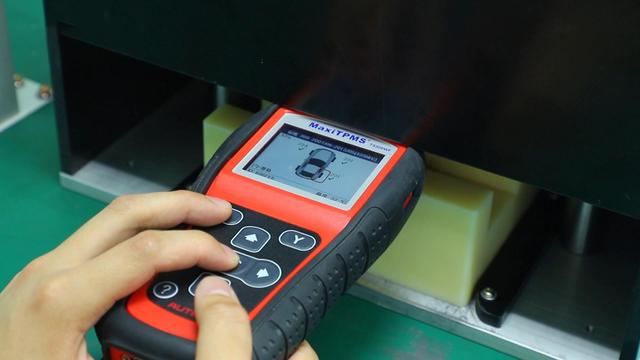
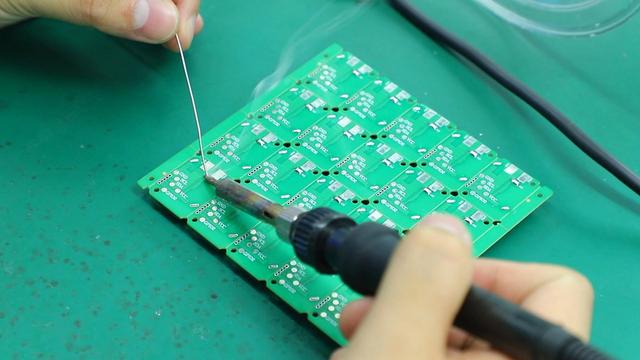
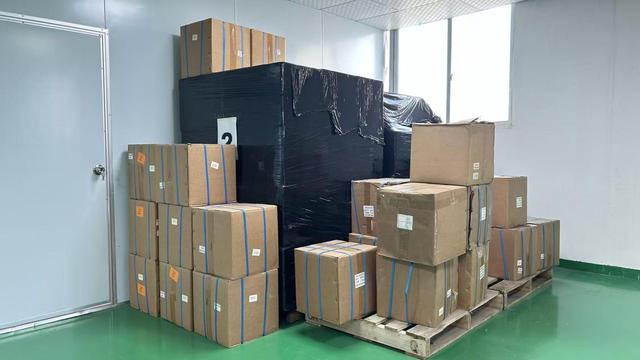
To address the demands of international clients, Mayumi Auto offers comprehensive OEM and ODM manufacturing services, which support customized product development, private-label packaging, and design optimization. Exports extend to North America, Europe, South America, the Middle East, and Southeast Asia, adhering to quality certifications that match global compliance expectations.
Why modern global supply chains choose Guangzhou-based manufacturing hubs for advanced power transmission components.
Southern Chinese manufacturing corridors, particularly within Guangzhou, house deep ecosystems that unite raw rubber suppliers, high-tensile fiberglass producers, and precision mold engineers within a localized geography.
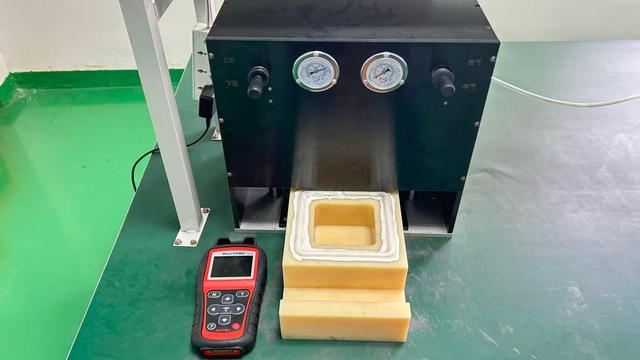
By shifting to computerized vulcanization chambers and automated tooth-grinding machines, Chinese factories ensure low margin of error, delivering batch-to-batch consistency that rivals European OEMs.
ODM partners benefit from shortened engineering lead times. Rapid 3D printing and digital mold milling allow customized belt geometries to transition from drawing board to physical testing in weeks.
This combination of deep vertical integration, investment in testing infrastructure (such as dynamic tension testing, laser tooth geometry scans, and ozone aging chambers), and scalable output allows Chinese manufacturers to fulfill both small-batch custom configurations and massive aftermarket contracts simultaneously.
Evolution of material science and intelligent systems shaping the next generation of synchronous belts.
The power transmission industry is experiencing a profound transition driven by two primary factors: environmental sustainability and extreme performance requirements. As industries phase out gear drives to limit lubricant usage, timing belts are expected to manage higher torque densities.
Key macro trends transforming the design and manufacturing of timing belts include:
Replacing traditional steel cords with carbon fiber materials to minimize elongation and maximize energy transfer in highly dynamic, high-load machinery profiles.
Formulating EPDM and HNBR belts utilizing bio-derived monomers and non-halogenated flame retardants to achieve strict compliance with updated global environmental directives.
Developing intelligent belts embedded with conductive trace layers that signal controllers when wear indices exceed safety limits, minimizing unplanned industrial downtime.
Analyzing how different industrial domains deploy high-performance timing belt systems to resolve operational challenges.
Timing belts and related power transmission components are integrated across numerous sectors, each possessing distinct operational parameters and performance expectations:
| Industry Sector | Specific Application Context | Primary Technical Challenges | Recommended Configuration Solution |
|---|---|---|---|
| Automotive Engines | Dual Overhead Camshaft (DOHC) synchronization, oil pumps. | High heat, continuous vibration, chemical deterioration from engine oil exposure. | HNBR elastomer with high-temperature glass fiber reinforcement cords. |
| Industrial Robotics | CNC multi-axis positioning mechanisms, automated assembly joints. | Positional backlash, tooth deformation, high accelerations. | Polyurethane core timing belts backed by carbon fiber tensile lines. |
| Heavy Infrastructure | Drivetrain systems for bulldozers, road graders, mining vehicles. | Abrasive dust, extreme mechanical shocks, torque spikes. | Deep curvilinear tooth profile with high-density nylon fabric facing. |
| Food & Packaging | High-speed conveyor drives, dosing lines. | Sanitization chemicals, washdown requirements, FDA compliance. | FDA-approved food-grade polyurethane belts with stainless steel cords. |
Essential structural and commercial checkpoints for international procurement managers when auditing belt manufacturers.
International procurement operations demand comprehensive risk mitigation strategies. When sourcing timing belts, purchasing departments look beyond unit price to evaluate full lifecycle costs and production quality assurance:
Technical answers to common questions encountered during the selection, installation, and procurement of timing belts.
Explore our complete catalog of industrial components, filters, electrical adapters, and specialized system spares.
 Mayumi Auto