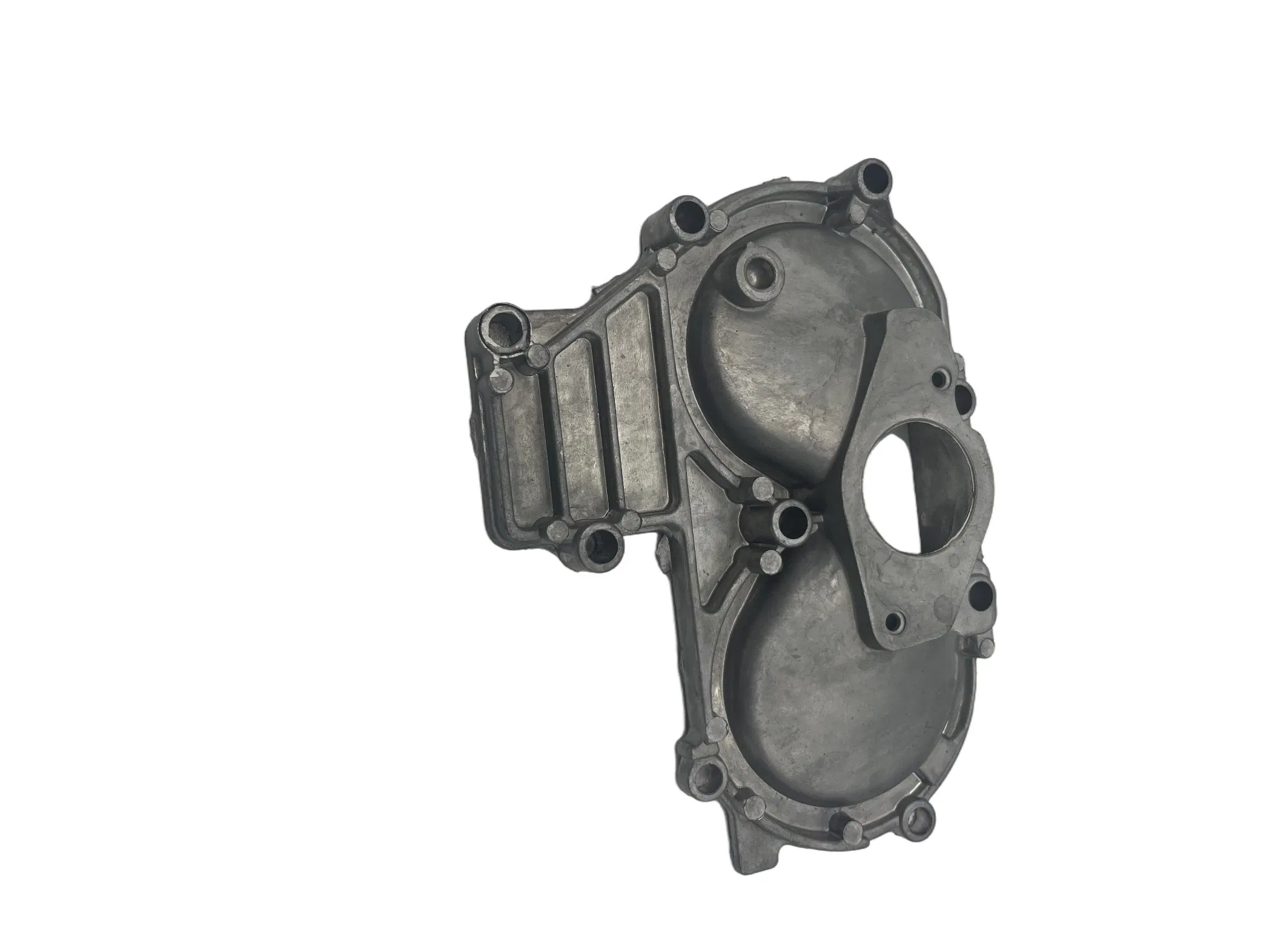
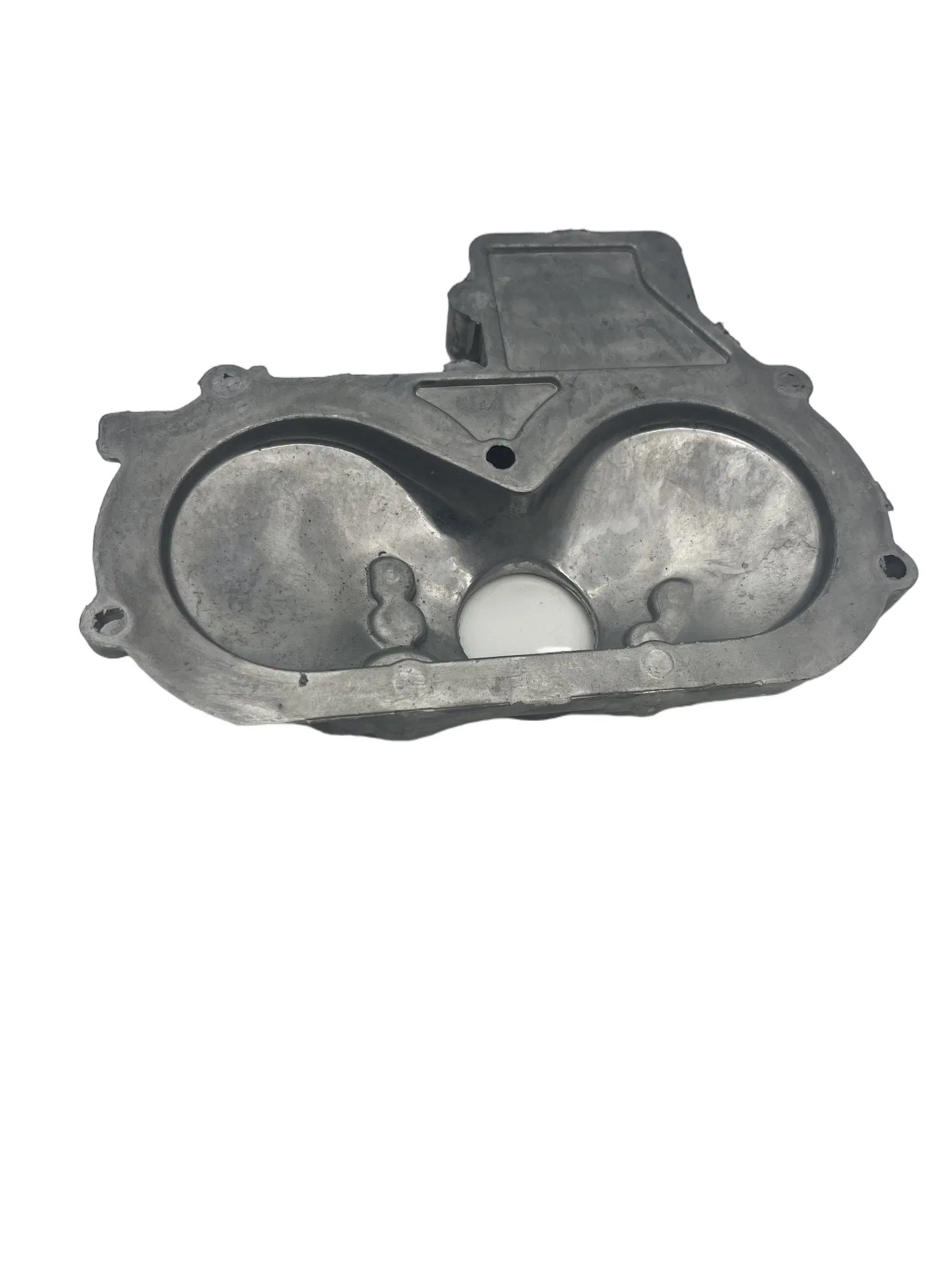
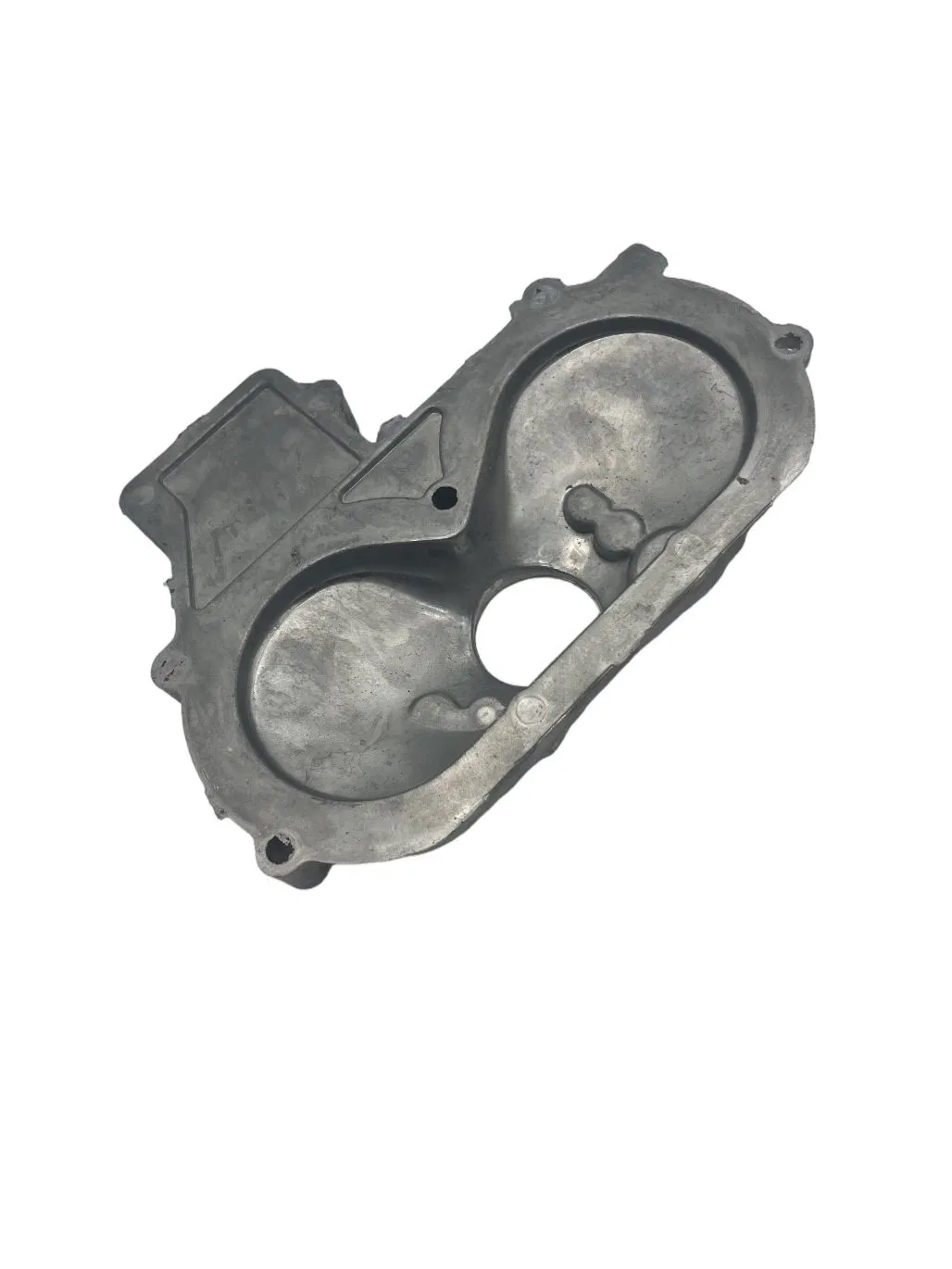
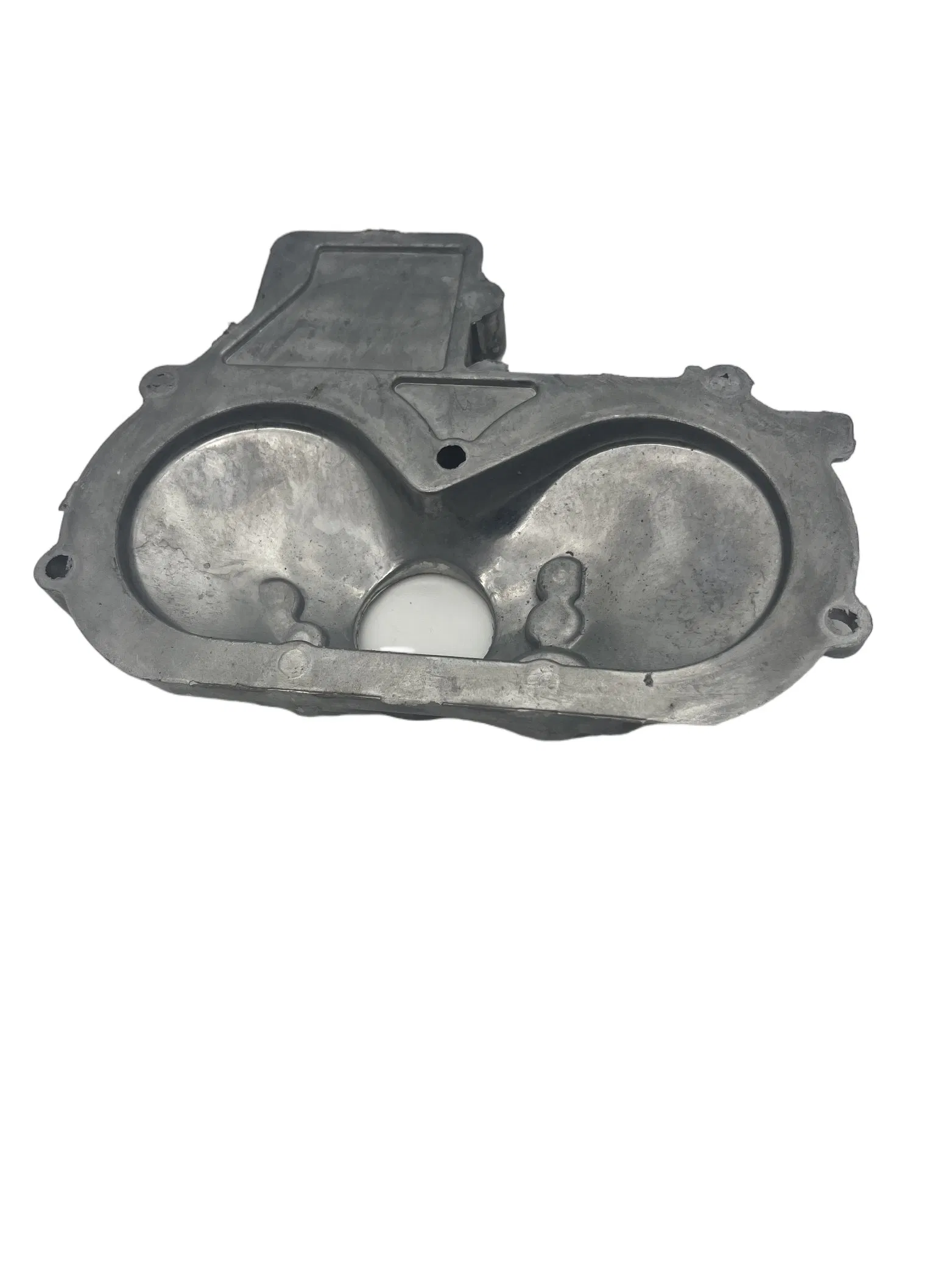
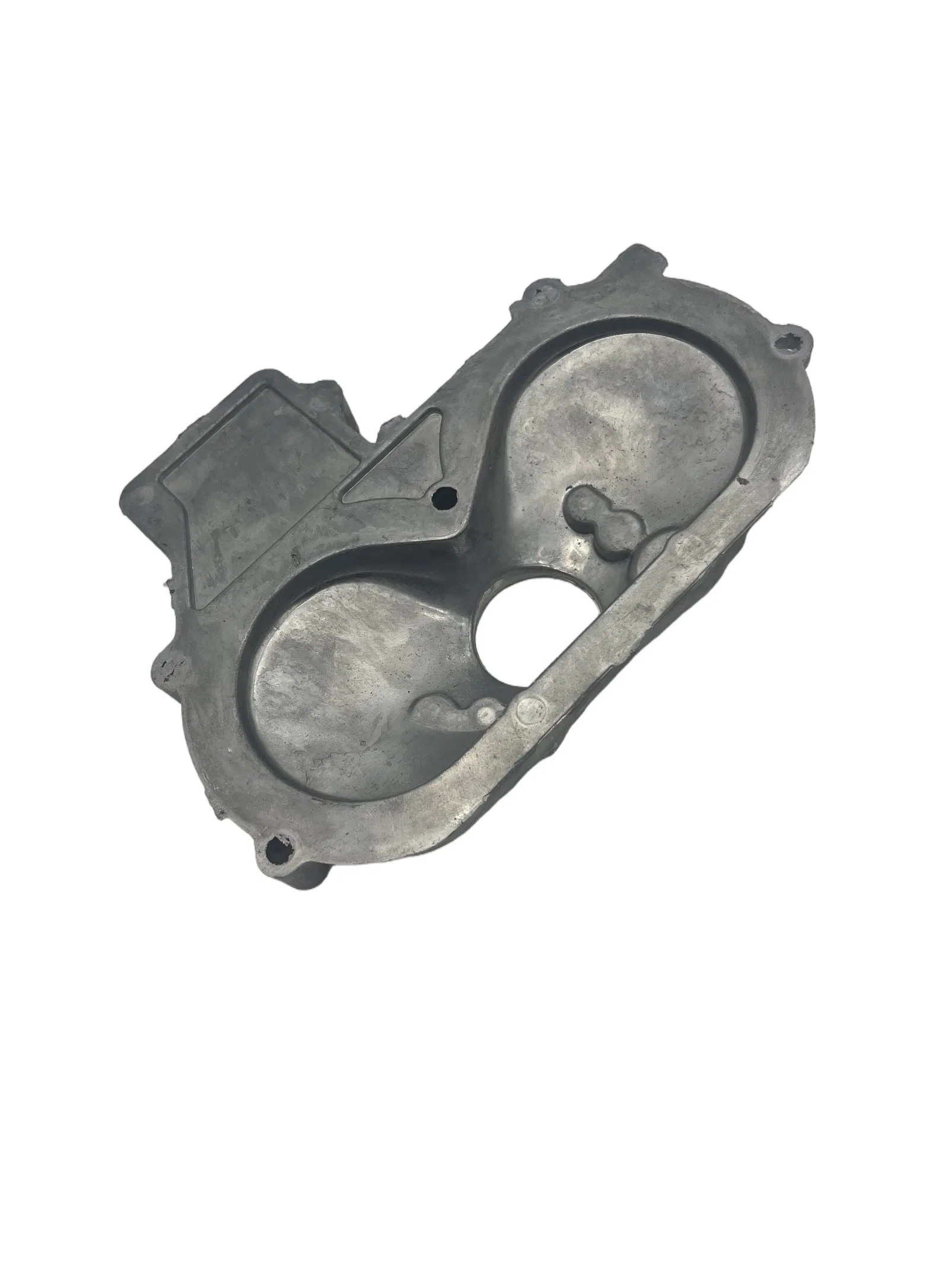
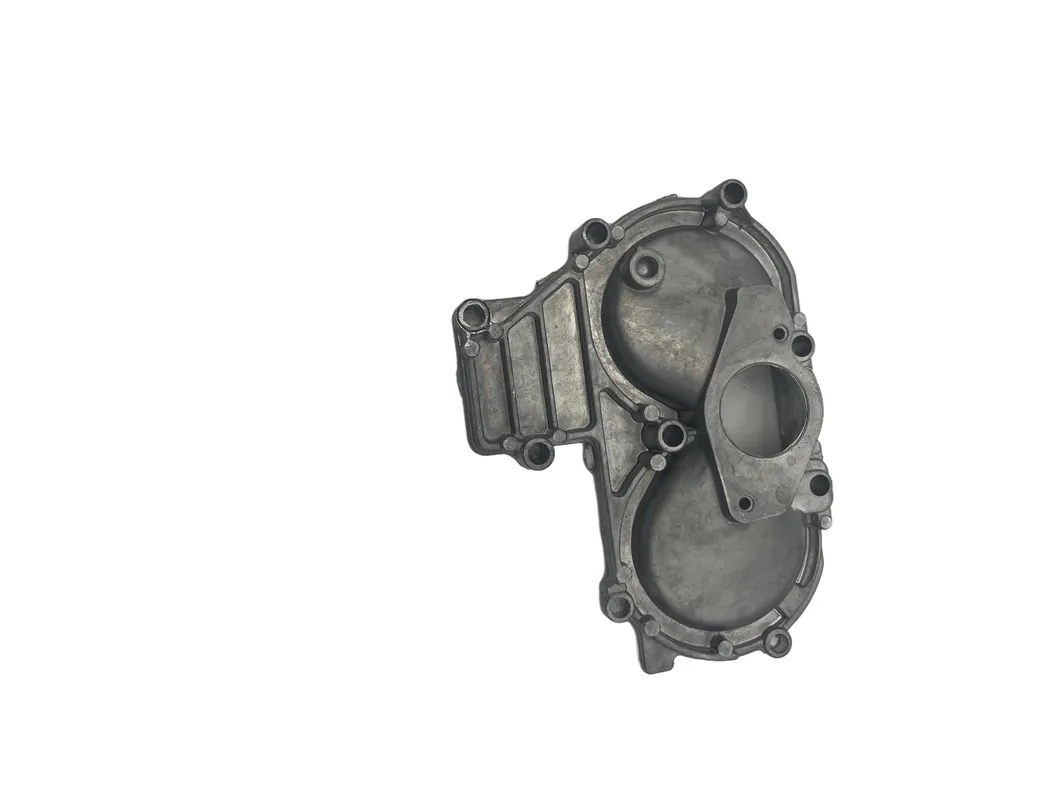
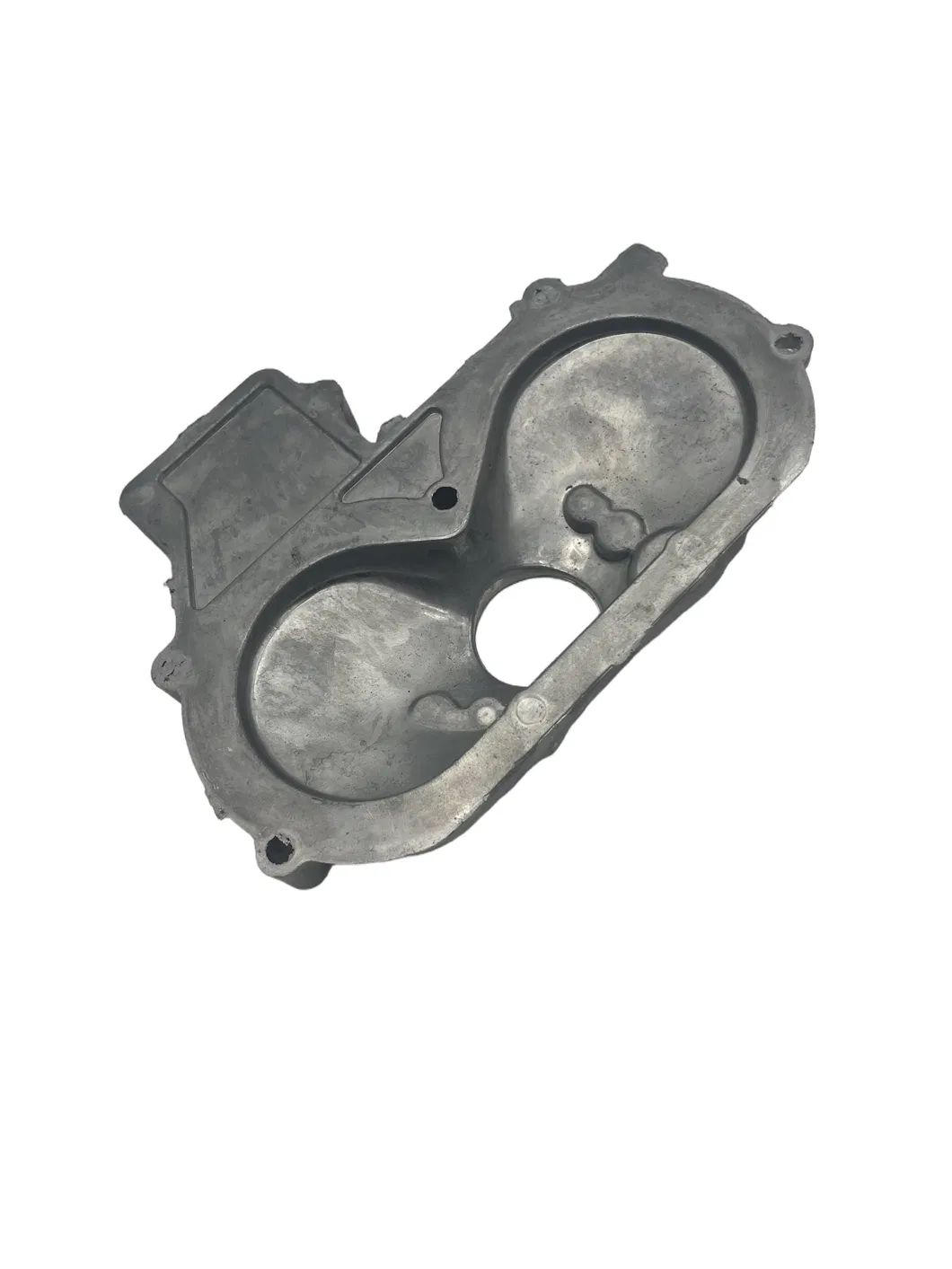
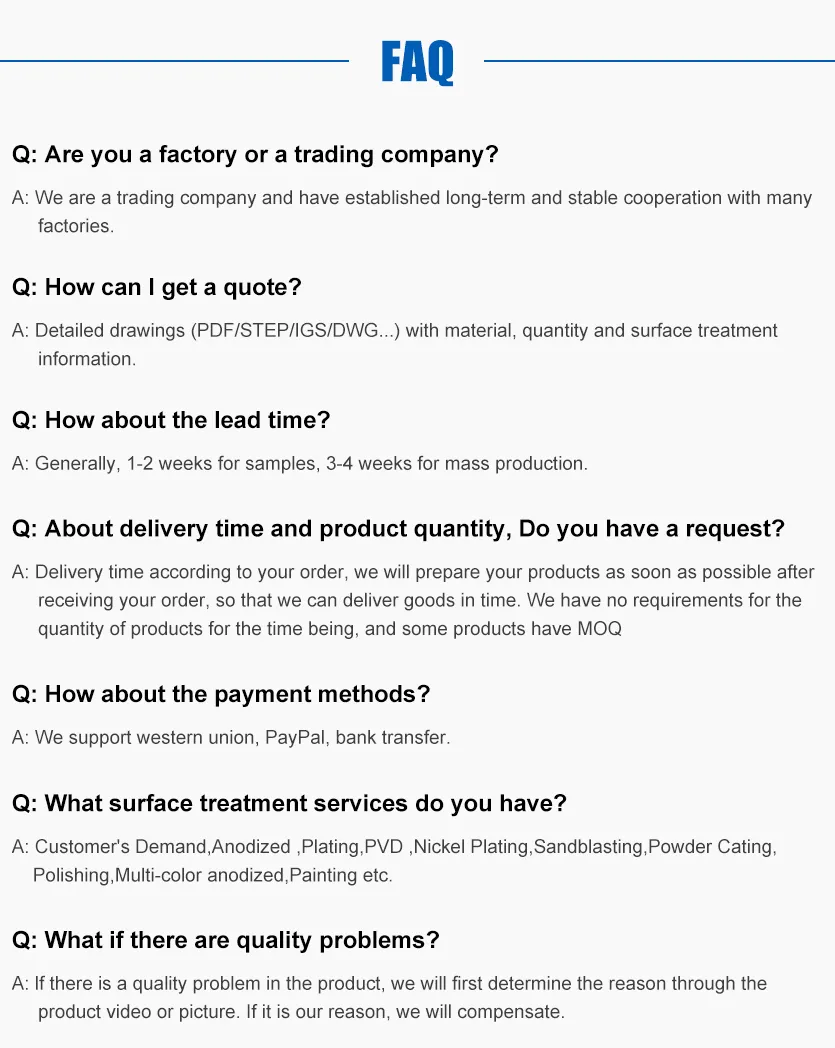
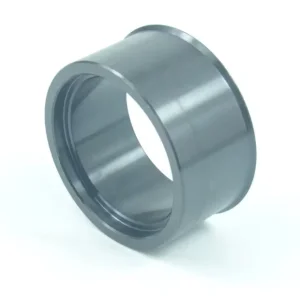
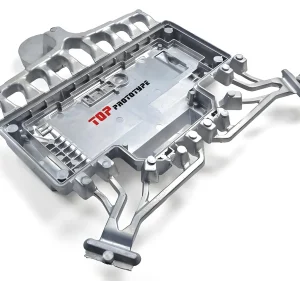
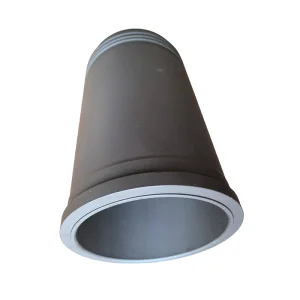
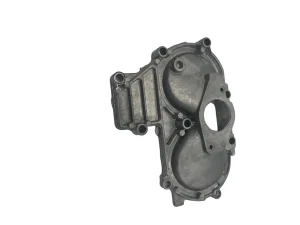
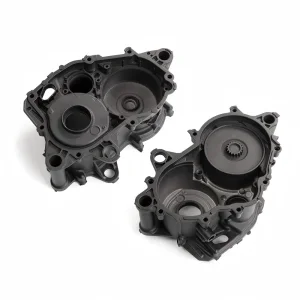
Component of a Mechanical Device, Possibly an Engine or Transmission Housing Part.

Still deciding? Get samples of $ !
Request Sample

Product Description

Basic Specifications

Application
Machinery Parts
Machining
CNC Machining
Material
Aluminum
Surface Preparation
Polishing
Pressure Chamber Structure
Horizontal
Tolerance Grade
5
Casting Surface Quality Level
1
Certification
CE, RoHS, ISO 9001:2000, ISO 9001:2008
Standard
±0.1mm Per 25mm
Precision
±0.05mm Per 25mm (for High-Tolerance Parts)
Surface Finish
Ra 1.6-3.2μm (as-Cast), Ra 0.8μm (with Mach)
Porosity
<3% (by Volume, X-ray Inspected)
Wall Thickness
Minimum 1.5mm (Recommended for Structural Integrity)
Plating/Coating
Anodizing (5-25μm), Powder Coating, or Chromate
Heat Treatment
T5/T6 Tempering Available for Enhanced Strength
Transport Package
Customized
Specification
pcs
Trademark
no
Origin
China
HS Code
8431390000
Production Capacity
50000

Product Description

Component of a Mechanical Device, Possibly an Engine or Transmission Housing Part.

This is a metal casting part, made of aluminum alloy. It is a component of a mechanical device, possibly an engine or transmission housing part.

Function: It serves as a casing or cover, providing protection and structural support for internal components, also helping to contain fluids (like oil) and ensure proper operation of the machinery it belongs to by enclosing and safeguarding moving parts.

Aluminum Die Casting Properties - Technical Specifications

1. Material Characteristics

Common Aluminum Alloy Grades

Alloy Grade Primary Composition (%) Key Properties Typical Applications
ADC12 Al-Si(10-12), Cu(1.5-3.5) Excellent fluidity, good castability Automotive parts, housings
A380 Al-Si(7.5-9.5), Cu(3-4) High strength, heat resistance Engine components, structural parts
A360 Al-Si(9-10), Mg(0.4-0.6) Superior corrosion resistance Marine equipment, outdoor components
AlSi9Cu3(Fe) Al-Si(8-11), Cu(2-4) High hardness, wear resistance Gears, bearing housings

Mechanical Properties

Parameter ADC12 A380 A360
Tensile Strength (MPa) 230-280 320-350 290-320
Yield Strength (MPa) 140-170 160-190 150-180
Elongation (%) 1-3 2-4 3-5
Hardness (HB) 70-90 80-100 75-95

2. Process Parameters

Die Casting Machine Specifications

Parameter Range Description
Injection Pressure 50-150 MPa High pressure mold filling
Melt Temperature 660-720°C Aluminum melting point ~660°C
Mold Temperature 150-250°C Affects surface finish
Cooling Time 5-30 sec Depends on wall thickness

Dimensional Tolerances
  • Standard: ±0.1mm per 25mm
  • Precision: ±0.05mm per 25mm (for high-tolerance parts)

3. Surface & Structural Properties

  • Surface Finish: Ra 1.6-3.2μm (as-cast), Ra 0.8μm (with machining)
  • Porosity: <3% (by volume, X-ray inspected)
  • Wall Thickness: Minimum 1.5mm (recommended for structural integrity)

4. Post-Processing Capabilities

  • Machining: Excellent machinability (up to 80% of steel's cutting speed)
  • Plating/Coating: Anodizing (5-25μm), powder coating, or chromate conversion
  • Heat Treatment: T5/T6 tempering available for enhanced strength

5. Quality Standards

  • International: ASTM B85, DIN EN 1706, JIS H 5302
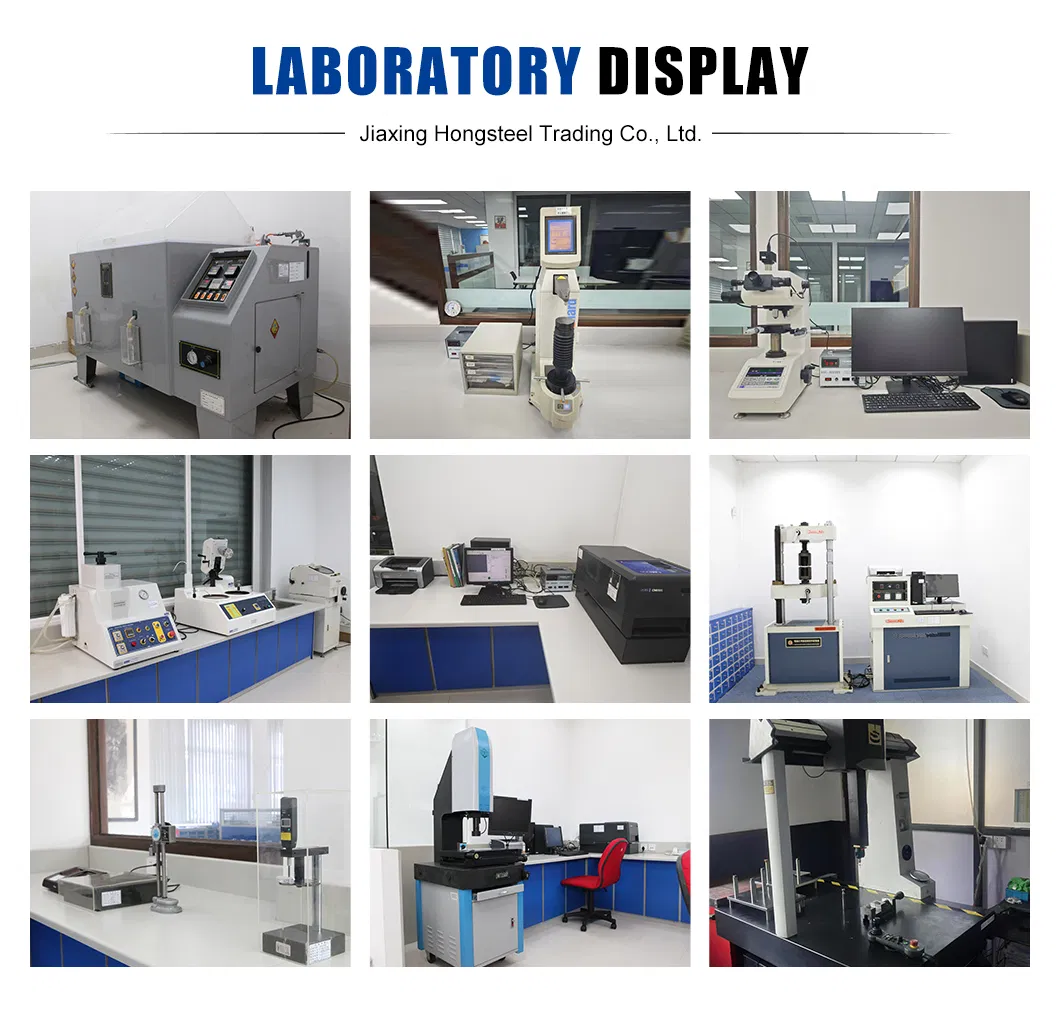
  • Testing Methods: X-ray (porosity), CMM (dimensional), salt spray (corrosion)

6. Design Advantages

  • Thin-Wall Capability: 1.5-5mm typical
  • Complex Geometries: Achievable with multi-slide molds
  • High Production Rates: 50-200 shots/hour (depending on part size)

Application & Business Range

Application Fields

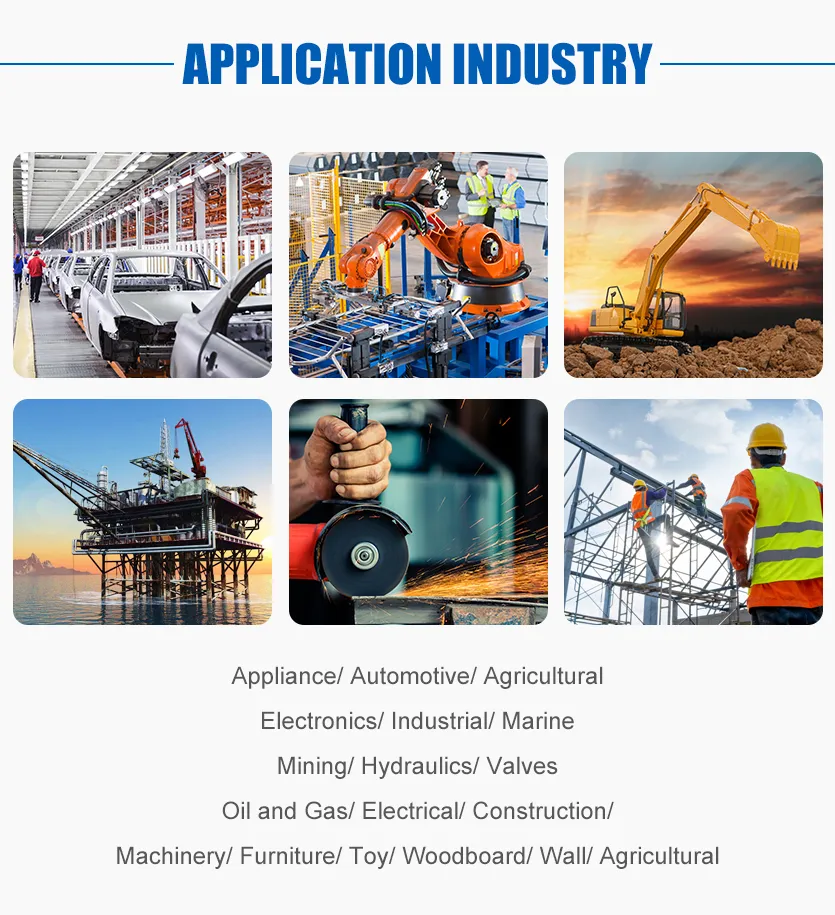
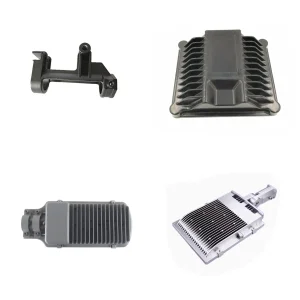
  • Automotive components (brackets, gears, housings)
  • Electronics (connectors, heat sinks, shielding)
  • Hardware (locks, handles, fittings)
  • Consumer goods (appliance parts, decorative trim)

Material Options

  • Aluminum alloy parts: A380, ADC12, ADC10, 6061, Etc.
  • Zinc alloy parts: ZAMAK3, ZAMAK5 Etc.
  • Brass alloy parts: Si9Cu3, Cuzn-37 Etc.
  • Iron parts: Nodularc Iron, Ductile Iron Etc.

Production & Finishing Processes

  • Processes: Die casting, Sand casting, Gravity casting, Stamping casting, Extrusion profile, Pressing casting, CNC
  • Finishing: E-coated, Powder coated, Anodizing, Painting, Etc.

Product Gallery

Frequently Asked Questions (FAQ)

Q1: What types of aluminum alloy grades are available for die casting?
We primarily work with high-quality grades including ADC12 (ideal for excellent fluidity and castability in automotive parts/housings), A380 (offers high strength and heat resistance), A360 (optimized for superior corrosion resistance), and AlSi9Cu3(Fe).
Q2: What dimensional tolerance standards can be achieved?
Our standard components achieve a dimensional tolerance of ±0.1mm per 25mm. For high-tolerance precision parts, we can consistently achieve a precision of ±0.05mm per 25mm.
Q3: What surface finishing options do you support?
We offer a comprehensive range of finishing processes including Anodizing (5-25μm thickness), Powder Coating, Chromate Conversion, E-coating, Painting, and Polishing. The standard surface finish ranges from Ra 1.6-3.2μm as-cast and can be improved to Ra 0.8μm through precise machining.
Q4: How is the quality of die-cast parts verified?
Quality is monitored strictly under ASTM B85, DIN EN 1706, and JIS H 5302 standards. We use X-ray inspections to ensure porosity remains under 3% by volume, Coordinate Measuring Machines (CMM) for dimensional verification, and salt spray testing for corrosion resistance.
Q5: What is the minimum wall thickness capability for your parts?
A minimum wall thickness of 1.5mm is recommended to maintain the structural integrity of the casting. In general, our design parameters allow for typical thin-wall profiles within a 1.5mm to 5.0mm range.
Q6: What business capabilities and materials do you support beyond aluminum?
In addition to aluminum alloys, our material capabilities extend to Zinc alloys (ZAMAK3, ZAMAK5, etc.), Brass alloys (Si9Cu3, Cuzn-37, etc.), and Iron parts (Nodular Iron, Ductile Iron, etc.) using processes like sand casting, gravity casting, and stamping.

Related Products