Industrial-grade charging interfaces, drive components, and wireless solutions designed to match the specific voltage standards and climates of the Indonesian market.
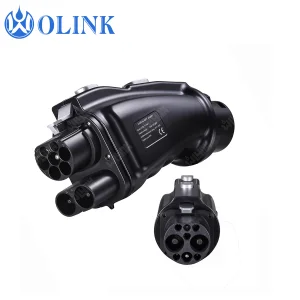
High-voltage protection compatibility, bridging international standard disparities across Indonesian local charging grids.
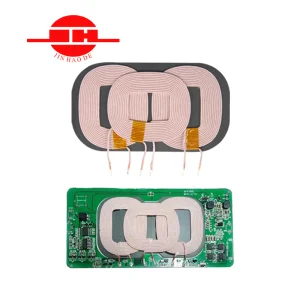
Automotive-grade Qi2 transmitter coils optimized for in-vehicle wireless power transfer in extreme humid climates.
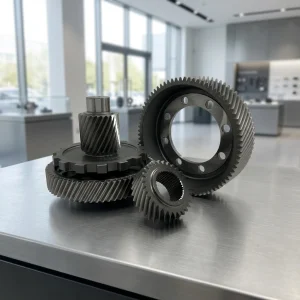
Precision-machined high-torque reducer gears for heavy urban stop-and-go driving conditions typical in Southeast Asian metropolitan hubs.
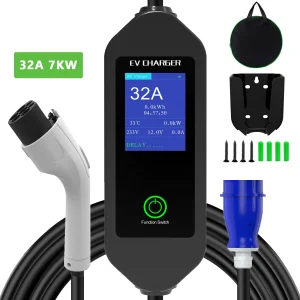
Adjustable current control, safety-rated power plug customization for home and commercial charging setups.
As Southeast Asia's largest economy, Indonesia is accelerating its transformation into a global powerhouse for electric vehicles (EVs). Driven by the government's ambitious Net Zero Emission (NZE) target by 2060 and backed by the rich nickel reserves critical for battery production, Indonesia has established a robust framework to support local EV production.
Presidential Regulation No. 55/2019 accelerates the battery electric vehicle program, pushing manufacturers to source local raw materials while securing stable supply chains for high-end electronic and mechanical parts from world-class manufacturing centers like China.
To capture the value within this transition, international assemblers, local fleet operators, and tier-1 distributors require precision component sourcing that satisfies strict regulatory compliance, extreme tropical durability, and reliable OEM/ODM supply stability.
Indonesia's Ministry of Industry dictates progressive TKDN (Tingkat Komponen Dalam Negeri) targets. For four-wheeled EVs, the target is 40% local content, rising to 60% by subsequent phases. Sourcing high-quality CKD/SKD kits from professional supply hubs is critical for assemblers seeking to meet these limits cost-effectively.
Indonesia is transitioning rapidly from an internal combustion engine (ICE) assembly hub into a specialized ecosystem for Battery Electric Vehicles (BEVs). With major industrial parks across Morowali in Central Sulawesi, Weda Bay in North Maluku, and Cikarang-Karawang corridors in West Java, the country integrates nickel extraction and smelting directly with pack assembly.
However, the local supply chain for advanced electronics (such as PCBA controllers, wireless coils, drive-motor reducer gears, and thermal management units) is still in its developing stages. This creates a strategic necessity for local assembly plants to establish importing channels for SKD (Semi-Knocked Down) and CKD (Completely Knocked Down) sub-components that meet international automotive guidelines (AEC-Q200, CE, TUV, and RoHS).
For any global enterprise supplying parts or charging stations to Indonesia, complying with SNI (Standard Nasional Indonesia) is mandatory for grid integration. The PT PLN (Persero), Indonesia’s state electricity company, enforces strict limits on harmonics and voltage fluctuations for DC Fast Chargers.
For global buyers and Southeast Asian distributors, navigating the procurement of EV parts requires reliable partners with scalable manufacturing pipelines. By combining Chinese precision manufacturing with Indonesian assembly configurations, operators secure lower tariff structures under the ASEAN-China Free Trade Area (ACFTA) Form E certificate.
This reduces import duty rates to 0% for qualified automotive components, making complete sourcing kits (such as EV charger PCBA kits, suspension and steering chassis components, and cabin heating components) highly competitive when compared to localized parts production.
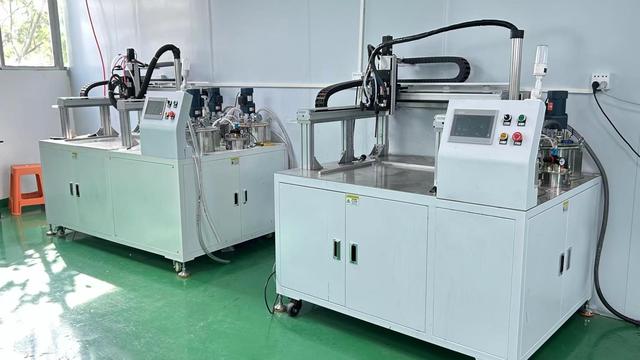
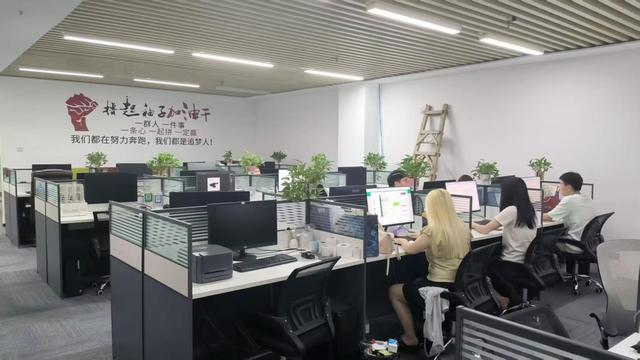
Guangzhou Mayumi Auto Co., Ltd. is a professional manufacturer specializing in automotive parts and vehicle component solutions for global OEM, aftermarket, and commercial vehicle markets. Established in 2011, the company is located in Guangzhou, Guangdong Province, one of China's major automotive manufacturing centers. Operating from a modern production facility covering 25,000 square meters and supported by a workforce of more than 280 employees, Mayumi Auto has developed comprehensive capabilities in product development, precision manufacturing, quality control, and international supply chain management.
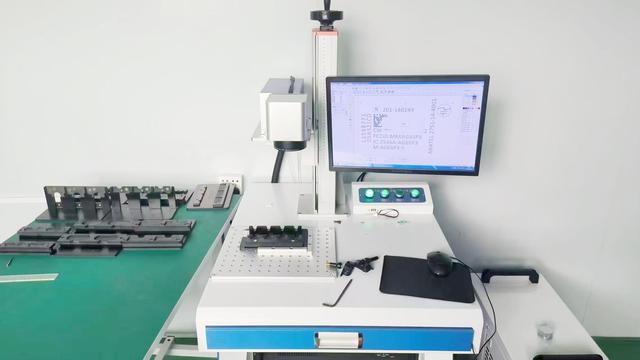
The company focuses on the production of suspension components, brake system parts, steering system components, engine-related parts, chassis assemblies, drivetrain components, and other automotive solutions designed for passenger vehicles, commercial vehicles, and specialty transportation applications. Through continuous investment in advanced machining equipment, automated production technologies, and testing systems, Mayumi Auto delivers products engineered for durability, reliability, and consistent performance.
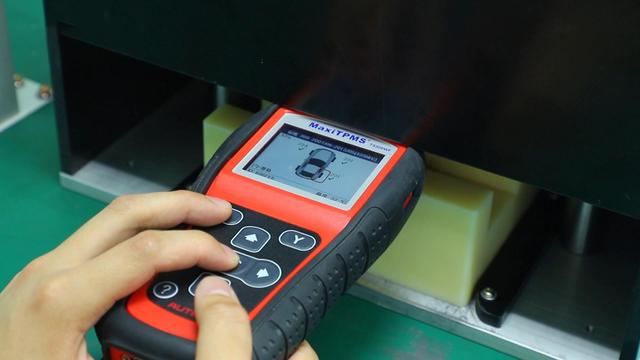
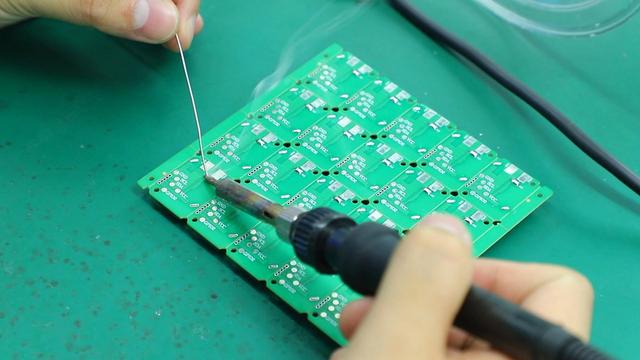
Quality assurance is integrated throughout the manufacturing process, from raw material inspection and precision machining to assembly verification and final performance testing. The company follows stringent quality management procedures to ensure products meet international industry requirements and customer specifications.
Mayumi Auto also provides flexible OEM and ODM manufacturing services, supporting customers with customized product development, private-label production, technical design optimization, and application-specific automotive solutions. Its engineering and production teams work closely with global partners to deliver efficient and scalable manufacturing support.
Today, Guangzhou Mayumi Auto Co., Ltd. exports its products to North America, Europe, South America, the Middle East, Southeast Asia, and other international markets. By combining manufacturing expertise, engineering innovation, and customer-focused service, the company continues to provide dependable automotive component solutions that support the evolving needs of the global automotive industry.
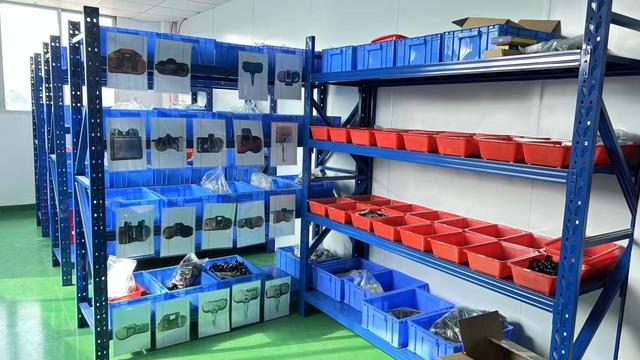
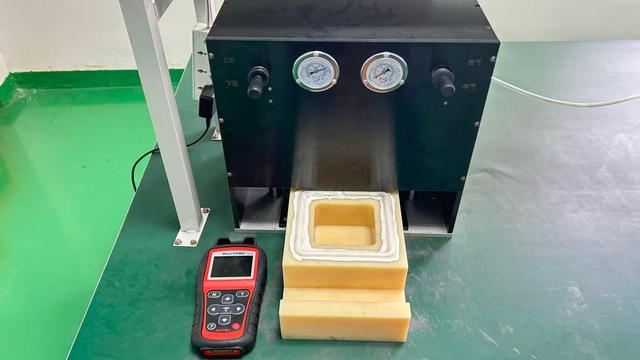
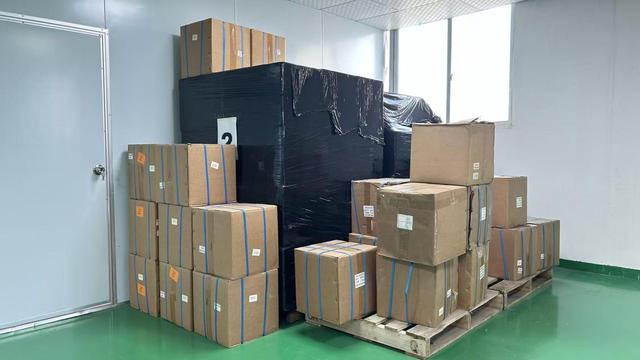
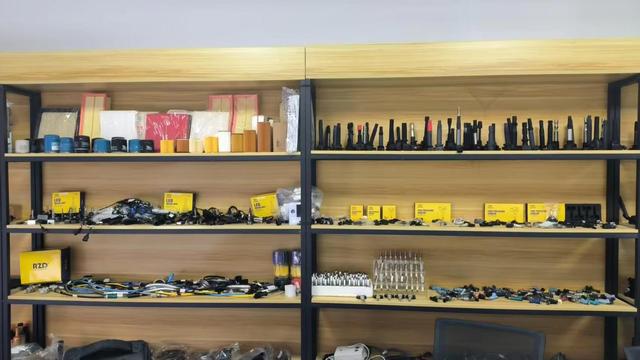
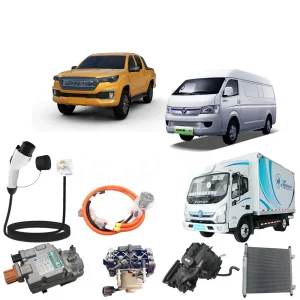
Premium electrical assemblies, hardware subsystems, thermal components, and heavy commercial vehicle parts designed for Indonesian grid layouts and local vehicle brands.
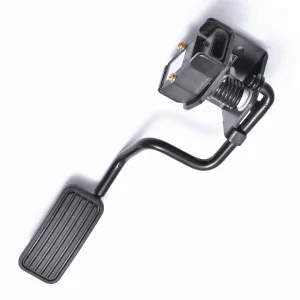
Electronic drive throttle controls engineered for fast responsiveness and long life cycles.
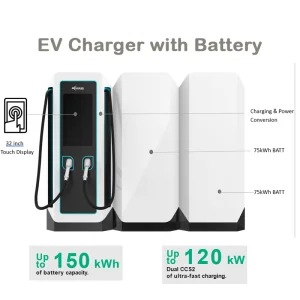
Peak-shaving hybrid DC charger integrations suitable for standard Indonesian municipal networks.
Heavy-duty steering knuckles, control arms, and suspension bushings tailored for logistics commercial vans.
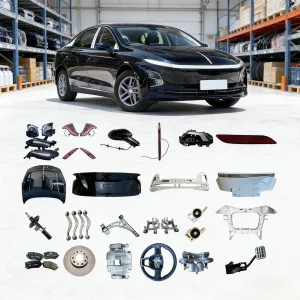
Premium ride comfort replacement modules, suspension assemblies, and dashboard trims for passenger fleets.
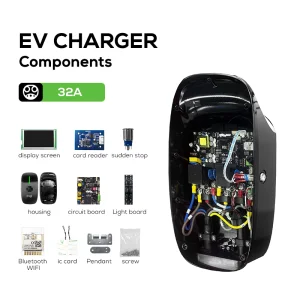
High-grade logic boards and controller chipsets designed for local charging system assembly (TKDN friendly).
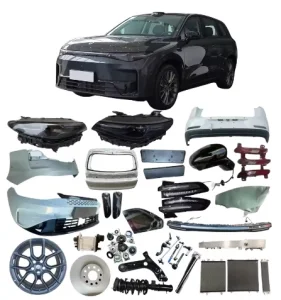
Full-vehicle spare parts integration kits for fast-growing Chinese EV models on Southeast Asian roads.
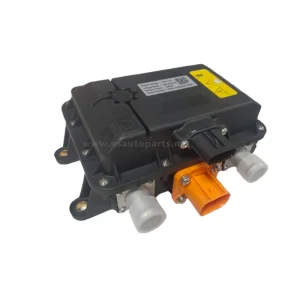
Advanced temperature control system componentry ensuring battery longevity and high passenger cabin climate regulation.
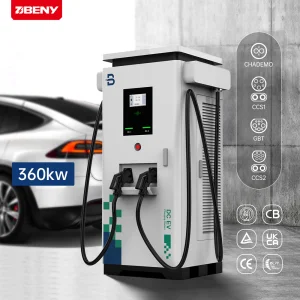
High-powered cooling architecture designed to operate at 100% capacity in high ambient Indonesian temperatures without derating.
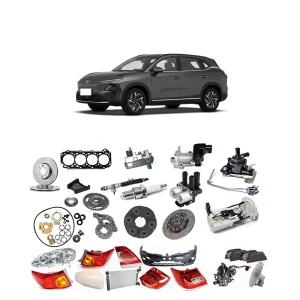
OEM-equivalent spare parts designed for Wuling platforms, currently leading urban EV market shares in Indonesia.
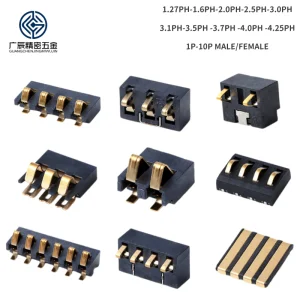
High-reliability SMD compression terminals for battery pack management systems (BMS).
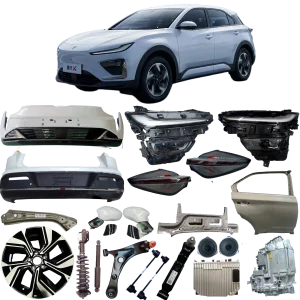
Bespoke OEM accessories and replacement components designed for Hozon Neta distribution hubs in Jakarta.
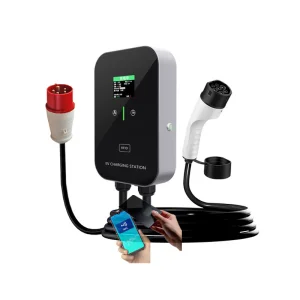
Intelligent charging cables incorporating a real-time LCD diagnostic screen, designed for luxury residences.
Expert answers regarding importing procedures, certifications, local requirements, and technical standards for Indonesian EV components.
Indonesia adopts the IEC 62196 Type 2 standard for AC charging and CCS Type 2 (Combined Charging System) for DC fast-charging networks. If importing vehicles that utilize GB/T standards (common in Chinese imports) or NACS (Tesla standard), specialized adapters or retrofit component kits must be used to ensure compatibility with public charging infrastructure (SPKLU).
Indonesia's TKDN (Tingkat Komponen Dalam Negeri) regulates that a specific percentage of vehicle manufacturing value must be created locally. To achieve this, companies import SKD (Semi-Knocked Down) components and assembly kits (such as charger PCBAs, wire harnesses, and structural chassis components) and execute final processing, testing, and system integration within Indonesian factories to earn local content credits.
Yes, power equipment and charging accessories must go through SNI (Standard Nasional Indonesia) compliance checking, particularly for grid-tied commercial equipment. Working with experienced manufacturers like Guangzhou Mayumi Auto ensures that components are supplied with complete raw materials reports, TUV, and CE safety certifications to streamline the SNI verification process.
Indonesia’s tropical climate, characterized by ambient temperatures of 25°C to 35°C, high humidity levels (often exceeding 80%), and salty air in coastal regions, accelerates oxidation and heat accumulation. Active thermal management systems, high-temperature resistant PTC heaters, liquid cooling loops, and IP55-rated moisture-resistant housings are critical to protect key electronics from failure.
Partner with Guangzhou Mayumi Auto Co., Ltd. for engineering expertise, precision manufacturing, and customized solutions that comply with your local market regulations. Get a comprehensive quote today.
Send Inquiry Now Mayumi Auto