Engineered to meet Egyptian Standards (ES) and international regulations, our advanced automotive components offer high reliability under extreme operating conditions.
An Industry Analysis of Industrial Readiness, Local Procurement Standards, and Regional Export Optimization in the MENA Area.
Egypt is dynamically positioning itself as a central automotive hub for North Africa and the Middle East. Under the state’s national strategy for localization of the automotive industry, spearheaded by the Supreme Council for Vehicle Manufacturing and the Suez Canal Economic Zone (SCZONE), Egypt is transitioning from simple assembly systems to deep industrial localization. This transition demands high-quality, reliable, and standardized EV vehicle components that can withstand local climates, meet national standards, and comply with international regulations.
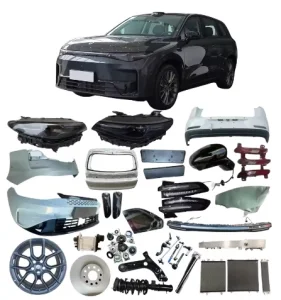
As a leading global partner, we recognize that local assembly plants require advanced solutions in charging interoperability, high-efficiency powertrain components, and robust cabin thermal management systems. By exporting customized Semi-Knocked Down (SKD) kits and Completely Knocked Down (CKD) components to Egypt, we bridge the gap between advanced Chinese manufacturing processes and the growing Egyptian localized industrial base.
One of the primary challenges for EV deployment in Egypt is the harsh climate, where summer temperatures frequently exceed 45°C. High ambient temperatures degrade battery systems rapidly and impair the performance of high-power charging infrastructure. Our solutions are explicitly designed to combat these local operating conditions:
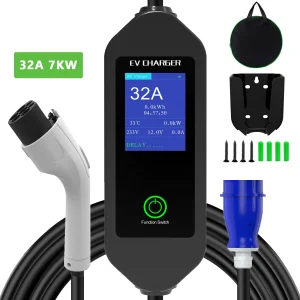
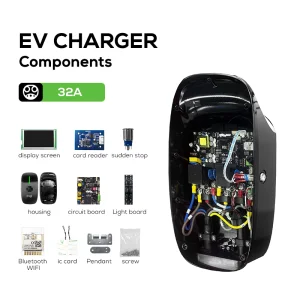
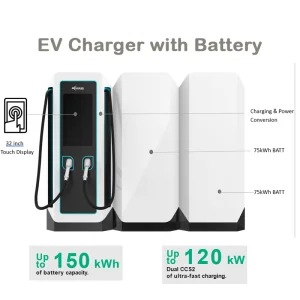
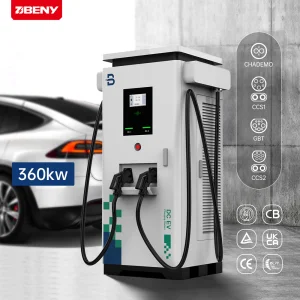
Our 360kW DC Fast Charging Stations utilize state-of-the-art IP55 and liquid cooling systems, ensuring safe operation without power derating at temperatures up to 50°C.
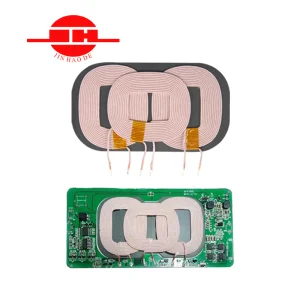
Wireless charging components are manufactured with magnetic cores capable of maintaining high-Q values and minimal core loss under intensive heat cycles.
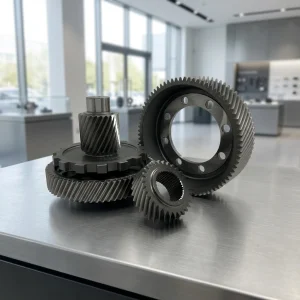
EV Drive Motor Reducers are built using specialized high-thermal-conductivity gear oils and surface coatings to prevent mechanical wear during peak Egyptian summer operation.
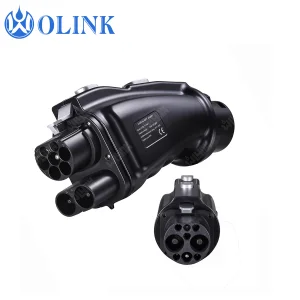
Egypt's automotive market features a mix of European (CCS2), Asian (GB/T), and North American (Tesla/NACS) imported vehicles. This diversity poses a significant challenge for charging operators. Our adapter and charging protocol converters offer an advanced bridge:
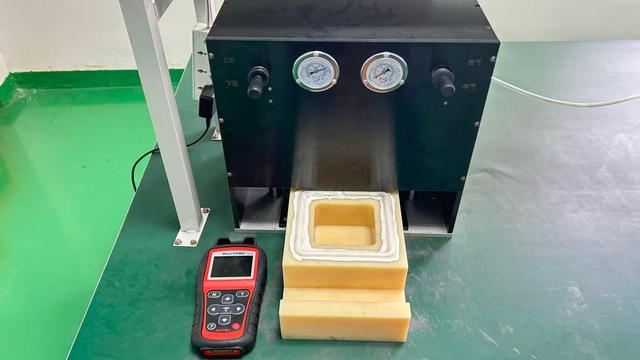
In accordance with the regulations set by the Egyptian Organization for Standardization and Quality (EOS), all imported automotive systems must pass intensive validation tests. As an IATF 16949:2016-certified facility, we verify all designs in-house. Our products undergo vibration, thermal shock, dust penetration (IP rating verification), and electromagnetic compatibility (EMC) testing before shipping. This guarantees zero friction during clearance at Alexandria, Port Said, and Sokhna customs ports.
Precision mechanical and thermal management products designed to ensure reliability, safety, and durability in commercial fleets.
To successfully integrate EV components, manufacturers must study the distinct usage patterns of Egyptian municipalities and logistics routes:
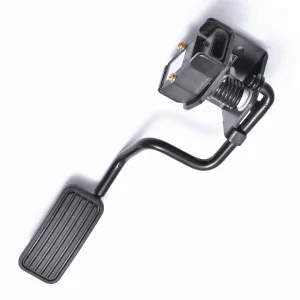
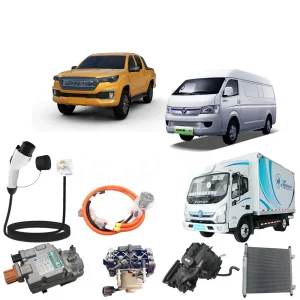
The SCZONE is witnessing massive growth in logistics warehouses. Electric delivery vans (such as Foton-compatible platforms) operating inside the port areas require durable suspension, reliable accelerator assemblies, and robust chassis components that withstand high dust and salt levels from maritime proximity. Our high-durability chassis parts ensure longevity in these harsh setups.
The Cairo Transport Authority is actively rolling out electric transit solutions. Heavy stop-and-go patterns in urban heat places a major strain on traction motor gearboxes. Our high-efficiency drive motor reducer gear kits enable optimal energy regeneration and cooling, reducing fleet maintenance downtime by up to 30% compared to generic replacements.
With Egypt positioning tourist destinations as eco-friendly zones, clean transport fleets rely on high-output wireless charging arrays and reliable AC/DC fast chargers. The integration of 22kW charging systems with plug-and-play interfaces allows tourist buses and passenger shuttle fleets to charge quickly during downtime.
Our long-term technology vision involves integrating intelligent diagnostic communication interfaces directly into charging modules and vehicle powertrains. For the Egyptian automotive assembly sector, this means introducing PCBA configurations and SKD kits that support real-time telematics. By enabling local assembly lines to implement customized NACS/CCS2 solutions, we support Egypt's integration into the global automotive supply chain.
Your Trusted Global Manufacturer of Precision Automotive Parts and E-Mobility Solutions
Guangzhou Mayumi Auto Co., Ltd. is a professional manufacturer specializing in automotive parts and vehicle component solutions for global OEM, aftermarket, and commercial vehicle markets. Established in 2011, the company is located in Guangzhou, Guangdong Province, one of China's major automotive manufacturing centers. Operating from a modern production facility covering 25,000 square meters and supported by a workforce of more than 280 employees, Mayumi Auto has developed comprehensive capabilities in product development, precision manufacturing, quality control, and international supply chain management.
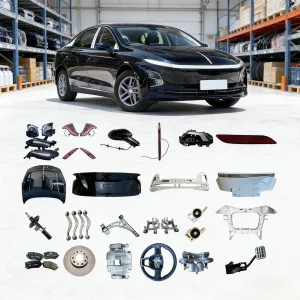
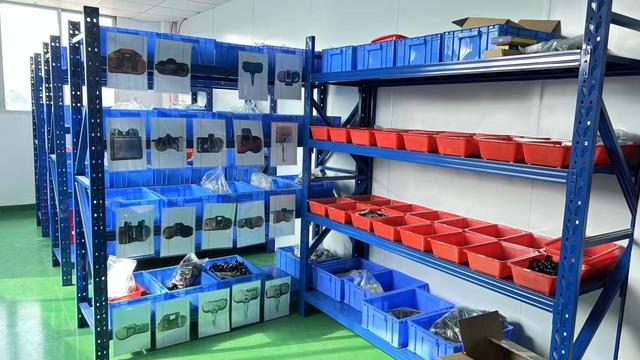
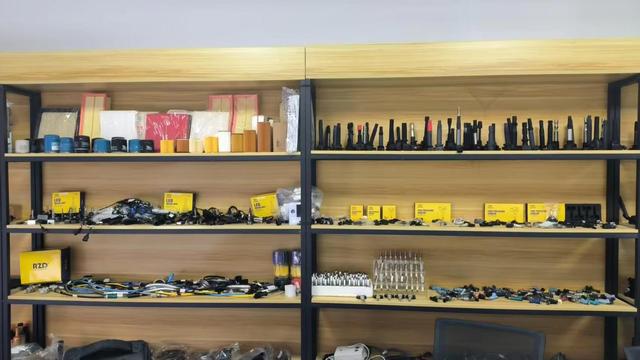
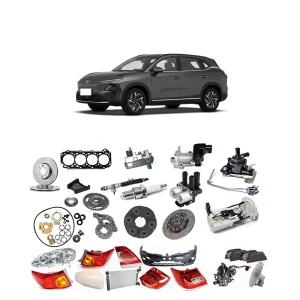
The company focuses on the production of suspension components, brake system parts, steering system components, engine-related parts, chassis assemblies, drivetrain components, and other automotive solutions designed for passenger vehicles, commercial vehicles, and specialty transportation applications. Through continuous investment in advanced machining equipment, automated production technologies, and testing systems, Mayumi Auto delivers products engineered for durability, reliability, and consistent performance.
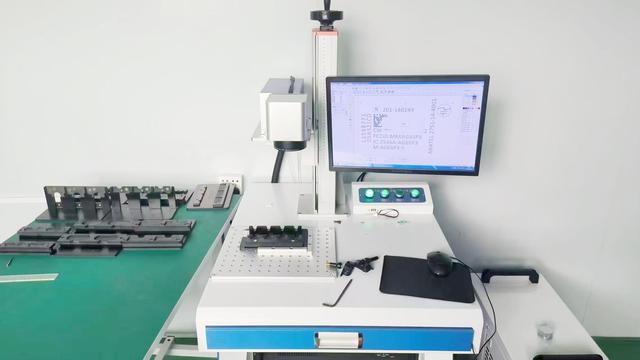
Quality assurance is integrated throughout the manufacturing process, from raw material inspection and precision machining to assembly verification and final performance testing. The company follows stringent quality management procedures to ensure products meet international industry requirements and customer specifications.
Mayumi Auto also provides flexible OEM and ODM manufacturing services, supporting customers with customized product development, private-label production, technical design optimization, and application-specific automotive solutions. Its engineering and production teams work closely with global partners to deliver efficient and scalable manufacturing support.
Today, Guangzhou Mayumi Auto Co., Ltd. exports its products to North America, Europe, South America, the Middle East, Southeast Asia, and other international markets. By combining manufacturing expertise, engineering innovation, and customer-focused service, the company continues to provide dependable automotive component solutions that support the evolving needs of the global automotive industry.
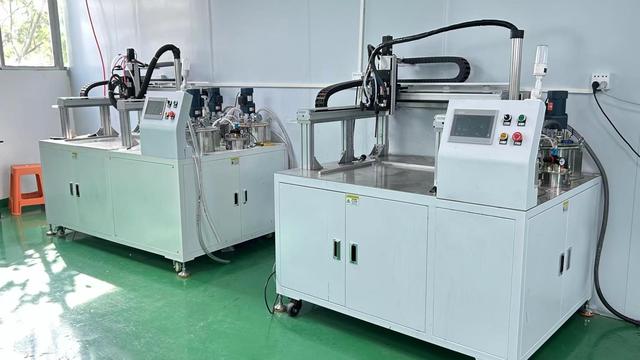
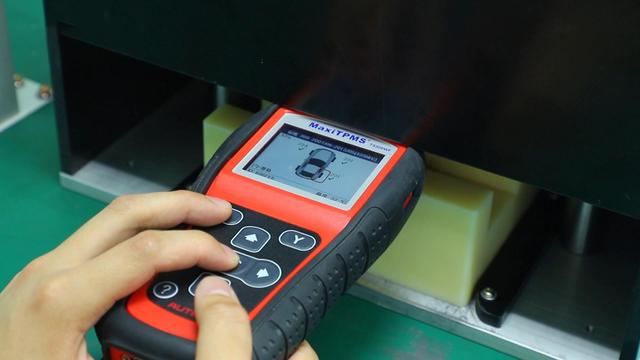
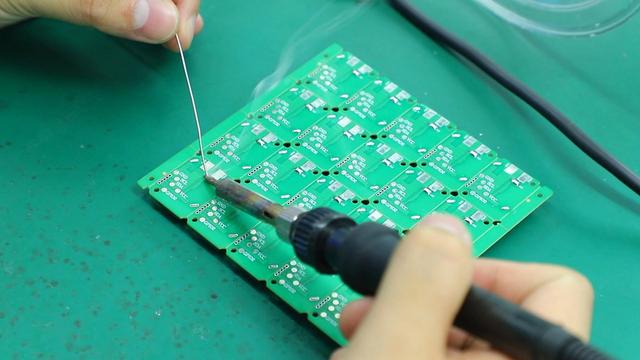


Fully compliant with international standards, manufactured under stringent IATF guidelines.
 Mayumi Auto