Understanding the transition from mechanical linkage to intelligent shift-by-wire solutions in global commercial and passenger vehicles.
In the automotive and industrial machinery sectors, the gear shifter assembly serves as the critical interface between driver intent and mechanical output. Historically, mechanical gear shifters relied entirely on rigid metal linkages, push-pull cables, and manual lever articulation to shift gears within a transmission. Today, the global automotive supply chain is undergoing a structural transition toward electronic shifters (shift-by-wire), hydraulic assistance, and integrated control modules that optimize safety, weight distribution, and space within vehicle cabins.
As trusted gear shifters suppliers and exporters, leading manufacturing entities must produce assemblies capable of withstanding millions of shift cycles. These units must survive extreme temperature differentials (ranging from -40°C to +85°C for cabins, and up to +120°C for under-hood applications), structural vibrations, and chemical exposures. High-end shifters are no longer mere mechanical levers; they represent complex, integrated control units combining mechanical design, metallurgy, sensor technologies (such as Hall-effect sensors), and CAN-bus/LIN-bus communications protocols to offer seamless drivability and safety overrides.
Key technical criteria, supply chain compliance, and engineering thresholds expected by Tier-1 automotive and industrial OEMs.
Global procurement teams prioritize vendors operating with active IATF 16949 and ISO 9001 certifications. This ensures that every gear shifting unit, connector, and mounting bracket conforms to automotive APQP (Advanced Product Quality Planning) and PPAP (Production Part Approval Process) standards to minimize field failure rates.
Drivetrain components demand high-strength alloys (such as chromium-molybdenum steels), glass-fiber reinforced polyamides for shifter housings, and low-friction elastomeric materials for boot covers. Procurement requires strict material traceability via IMDS (International Material Data System) records.
To mitigate volatility in regional markets, international buyers seek gear shift suppliers capable of providing rapid prototyping, custom mold design, dynamic finite element analysis (FEA), and scalable casting or machining capacities to adjust production volume dynamically.
The technological pathways shaping transmission selector mechanisms, mechanical linkages, and automated actuation.
Focuses on mechanical design efficiency, minimizing tactile play, and maximizing leverage ratio. Key criteria include cable stretch resistance, bushing durability, and noise/vibration/harshness (NVH) isolation at the firewall. Essential for commercial vehicles, off-highway machinery, and manual passenger cars.
Integrating auxiliary power systems to assist manual gear engagement in heavy-duty commercial trucks and specialized machinery. This phase emphasizes dual-stage actuator valves, high-pressure seals, and mechanical-fluidic feedback controls, lowering shift effort for operators and protecting synchros.
Transitioning to electronic interfaces (rotary dial, push-button, console joystick) communicating via CAN (Controller Area Network) or LIN bus protocols. Incorporates Functional Safety standards (ISO 26262 ASIL-B or ASIL-D), contact-free magnetic sensors, and electronic lock solenoids (Park-Lock actuators).
The ultimate evolution of gear control where shifting logic is handled by central vehicle domain controllers. With autonomous driving and ADAS integration, physical shifters are integrated into human-machine interface (HMI) screens or automated safety systems, requiring redundant physical override protocols.
How precision gear control systems adapt to diverse commercial, light duty, and agricultural vehicle architectures.
Commercial trucks require heavy-duty gear levers and control modules capable of enduring high mechanical torque. Suppliers must design assemblies featuring robust shift towers, customized linkage configurations, and pneumatic shift valves designed for long life spans exceeding 1,000,000 kilometers.
For modern EVs and HEVs, gear selectors act purely as digital input devices. The solutions highlight compact, console-mounted rotary dials or column-mounted stalk shifters that maximize space for EV cabin design while complying with ASIL safety levels and cyber-security protocols for OTA updates.
From agricultural machinery to maritime vessels, shifters operate in harsh environments subject to saltwater corrosion, high dust levels, and intense mechanical jolts. Solutions feature sealed mechanical housings with IP67/IP69K protection ratings and marine-grade stainless steel assemblies.
Established in 2011, Guangzhou Mayumi Auto Co., Ltd. is a professional manufacturer specializing in automotive parts and vehicle component solutions for global OEM, aftermarket, and commercial vehicle markets. The company is strategically located in Guangzhou, Guangdong Province, one of China's major automotive manufacturing centers, enabling seamless access to high-quality raw materials and efficient export channels.
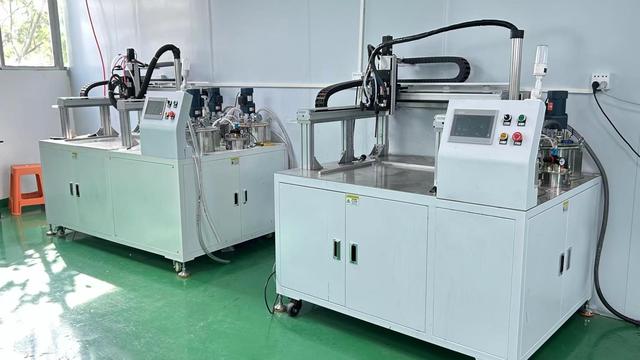
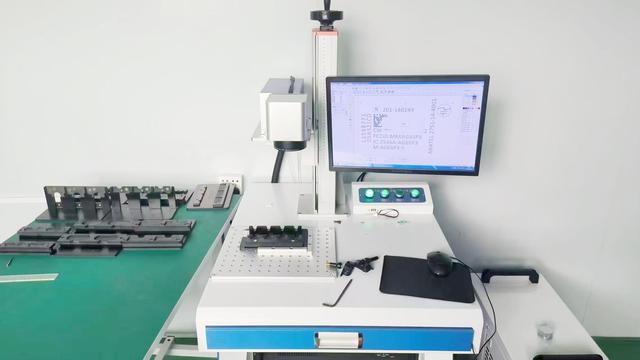
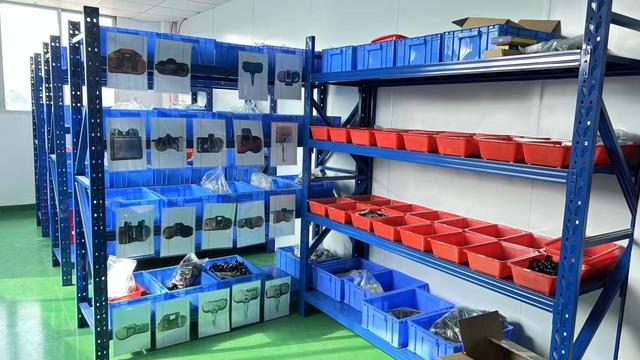
Operating from a modern production facility covering 25,000 square meters and supported by a workforce of more than 280 employees, Mayumi Auto has developed comprehensive capabilities in product development, precision manufacturing, quality control, and international supply chain management.
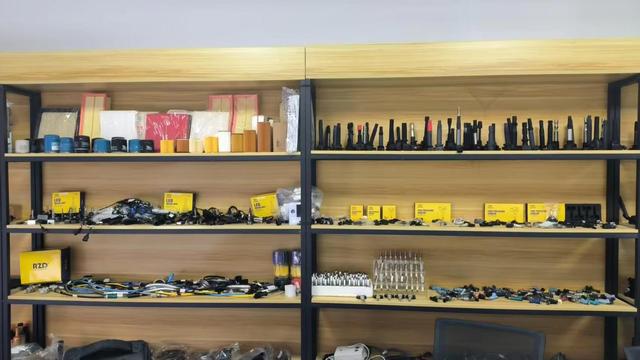
The company focuses on the production of suspension components, brake system parts, steering system components, engine-related parts, chassis assemblies, drivetrain components, and other automotive solutions designed for passenger vehicles, commercial vehicles, and specialty transportation applications. Through continuous investment in advanced machining equipment, automated production technologies, and testing systems, Mayumi Auto delivers products engineered for durability, reliability, and consistent performance.
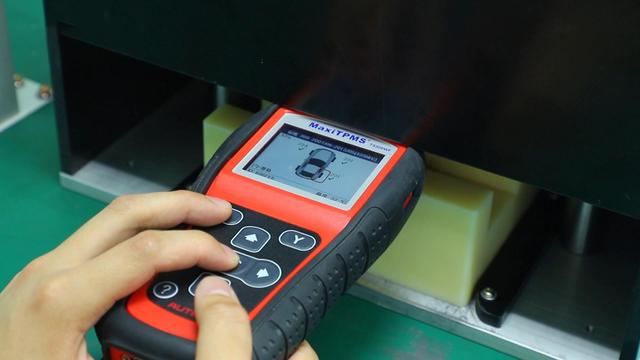
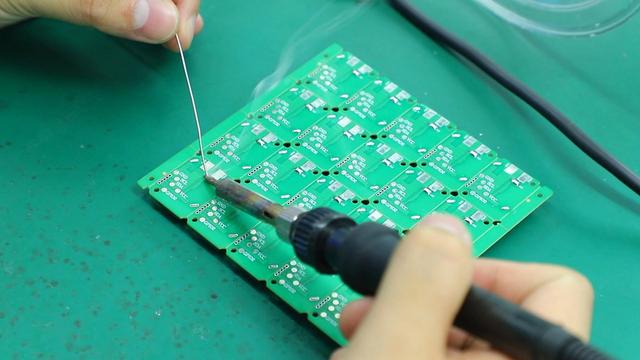
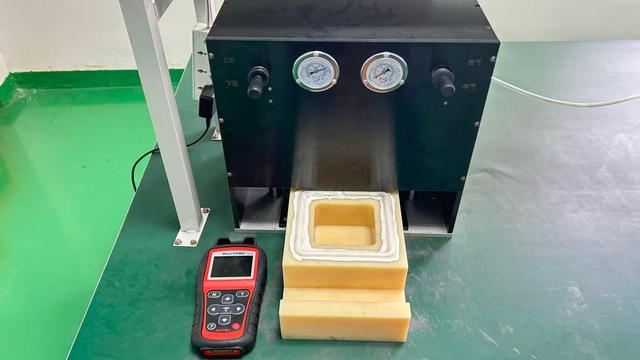
Quality assurance is integrated throughout the manufacturing process, from raw material inspection and precision machining to assembly verification and final performance testing. The company follows stringent quality management procedures to ensure products meet international industry requirements and customer specifications.
Mayumi Auto also provides flexible OEM and ODM manufacturing services, supporting customers with customized product development, private-label production, technical design optimization, and application-specific automotive solutions. Its engineering and production teams work closely with global partners to deliver efficient and scalable manufacturing support.
Today, Guangzhou Mayumi Auto Co., Ltd. exports its products to North America, Europe, South America, the Middle East, Southeast Asia, and other international markets. By combining manufacturing expertise, engineering innovation, and customer-focused service, the company continues to provide dependable automotive component solutions that support the evolving needs of the global automotive industry.


Providing cross-border supply chain security, regulatory alignment, and localization support for international buyers.
Operating a global automotive component supply network demands compliance with international customs regulations, import tariffs, and national security directives. Mayumi Auto maintains a comprehensive trade compliance framework that simplifies logistics. All products exported to North America, Europe, South America, the Middle East, and Southeast Asia are accompanied by complete documentation, including Certificates of Origin (CO), bill of lading, custom export clearances, and Material Safety Data Sheets (MSDS) when required.
In addition, to support global localized distribution hubs, we partner with overseas freight forwarders and implement flexible Incoterms (including FOB, CIF, DDP, and EXW). Our engineering teams offer digital integration support, providing 3D CAD modeling (STEP, IGES files), FEA stress analysis reports, and localized field engineering feedback to help local mechanical integration teams deploy parts quickly. By bridging technical localization with legal compliance, Mayumi Auto ensures that overseas Tier-1 and aftermarket buyers experience zero frictional delay when receiving shipments.
Answering critical technical and commercial questions raised by global sourcing directors and engineering professionals.
 Mayumi Auto