Explore our precision-engineered components, built to withstand extreme mechanical stress and strict dynamic environments across multiple platforms.
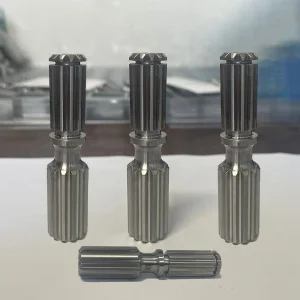

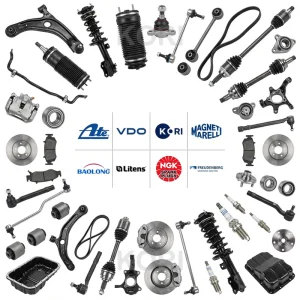
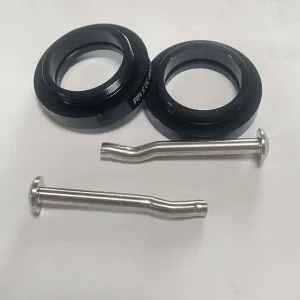
The global automotive component landscape is undergoing a monumental shift. As environmental regulations tighten under the weight of EURO 7, EPA Tier 4, and China VI emissions frameworks, the role of thermal management systems—specifically exhaust manifolds—has transitioned from basic ducting to critical emissions control systems. Leading automotive manufacturers no longer look at the manifold as a simple piece of cast metal. Instead, they view it as a high-precision thermodynamic interface that influences engine efficiency, catalyst light-off times, and overall system longevity.
To address these evolving parameters, the global industry is transitioning through several transformative developments:
Transitioning from traditional grey cast iron to High-Silicon Molybdenum (SiMo) ductile irons and austenitic stainless steel. These alloys offer superior resistance to thermal fatigue, oxidation, and structural deformation at temperatures exceeding 850°C.
Utilizing advanced Computational Fluid Dynamics (CFD) modeling to configure exhaust runners. The goal is to maximize pulse scavenging, minimize backpressure, and accelerate the transport of thermal energy directly to the catalytic converter.
The rise of turbocharger manifolds that integrate the turbine housing directly into the manifold structure. This compact design reduces weight, mitigates joints prone to leakage, and minimizes thermodynamic loss before turbine entry.
Procurement directors and supply chain managers in the automotive, aerospace, and commercial vehicle industries prioritize components that deliver low total cost of ownership (TCO) without sacrificing quality metrics. High-vibration, high-temperature components like exhaust manifolds, drivetrain components, and engine valve covers demand precise structural integrity to avoid catastrophic field failures.
| Key Procurement Criteria | Technical Requirement | OEM/Aftermarket Significance |
|---|---|---|
| Dimensional Accuracy | Tolerance thresholds within ±0.05mm on flange flatness via CNC machining. | Ensures gas-tight sealing to prevent exhaust leaks and oxygen sensor calibration issues. |
| Material Consistency | Spectrographic verification of SiMo alloy distribution and grain structures. | Prevents micro-cracking and wall thinness degradation under intensive thermal cycle stress. |
| Testing & Verification | Helium leak testing, ultrasonic casting scans, and coordinate measuring machine (CMM) reports. | Guarantees 100% field readiness and zero-defect installation pipelines. |
| Supply Chain Resilience | Robust casting capacities, diversified raw material networks, and agile logistics. | Mitigates delivery disruption risks in global automotive hub centers. |
Established in 2011, Guangzhou Mayumi Auto Co., Ltd. has established itself as an authoritative manufacturer and partner specializing in automotive parts and component solutions for global OEM, aftermarket, and commercial vehicle markets. Strategically situated in Guangzhou, Guangdong Province—a leading hub of Chinese automotive industrial innovation—we offer vertically integrated development and manufacturing services.
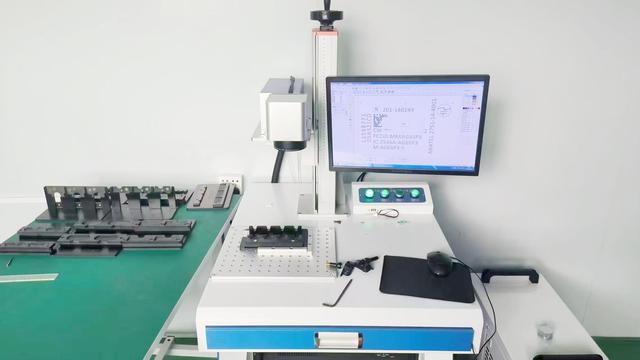
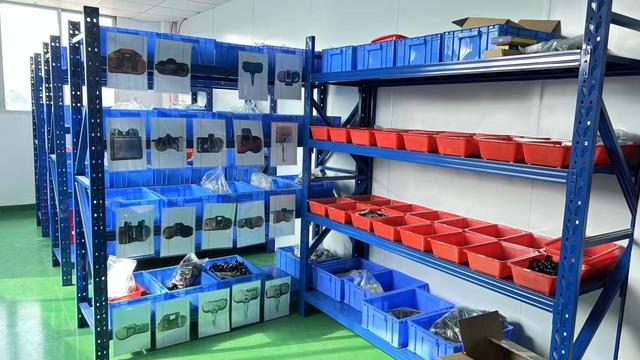
Operating from a modern production facility spanning over 25,000 square meters and powered by a highly specialized workforce of more than 280 skilled professionals, Mayumi Auto maintains a strict focus on product engineering, precision casting, high-precision CNC machining, and comprehensive quality control.
Our comprehensive product focus spans crucial automotive assemblies, including suspension components, brake system parts, steering system components, engine-related parts, chassis assemblies, and drivetrain components. Each solution is rigorously designed for durability, reliability, and consistent performance across passenger vehicles, commercial vehicles, and specialty transportation applications.
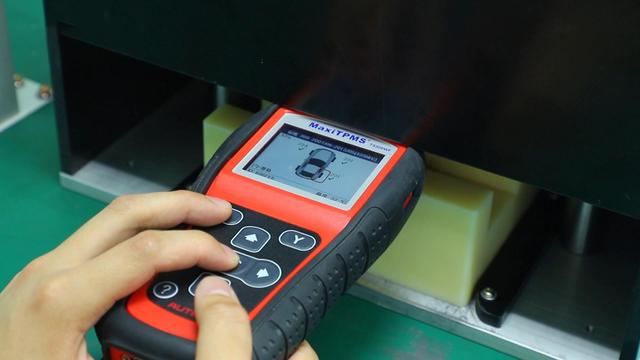
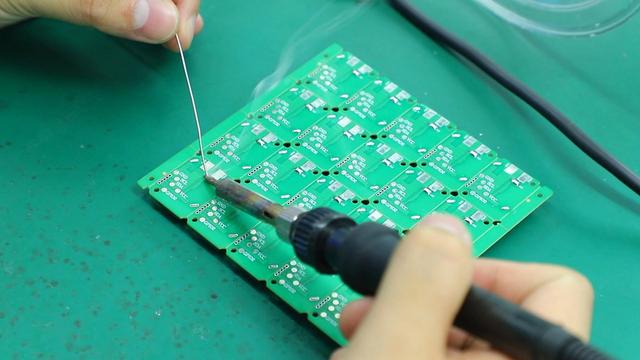
Quality assurance is embedded in every phase of the manufacturing process at Mayumi Auto. From the initial inspection of raw materials to precision machining, component assembly, and dynamic pressure testing, our production facilities run on strict verification protocols to deliver defect-free components.
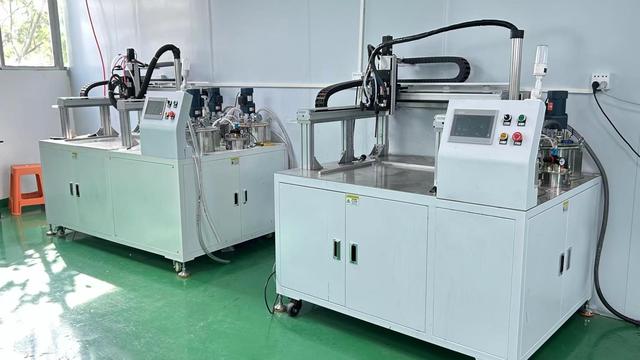
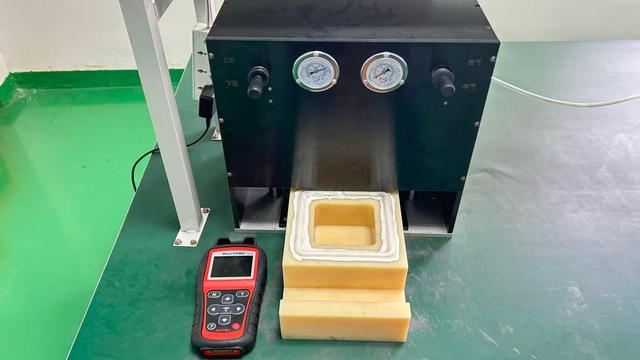
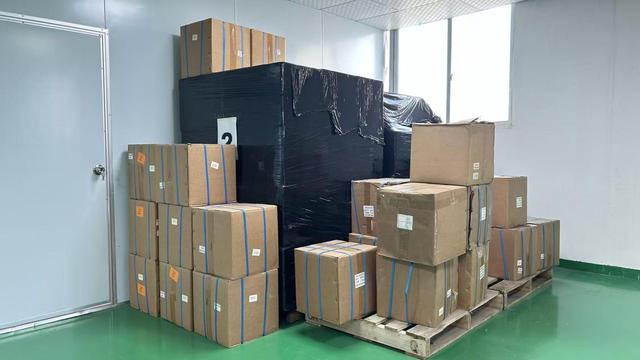
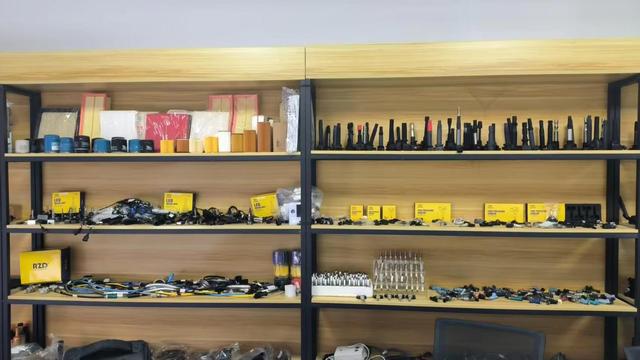
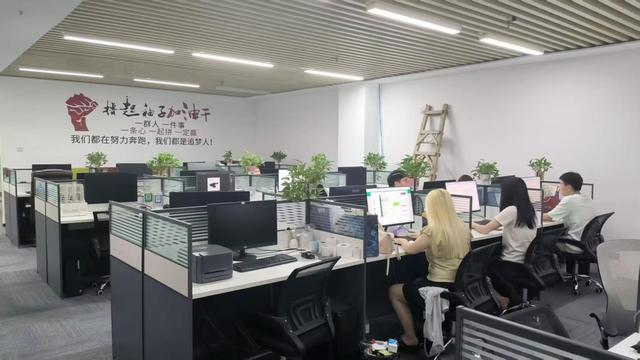
Every automotive fleet operator, performance modification house, and global vehicle brand works under unique design standards. Standard off-the-shelf components rarely meet the spatial boundaries, thermal expectations, and regulatory limitations of custom vehicle applications. To resolve this, Mayumi Auto offers comprehensive OEM and ODM engineering support, bridging raw design concepts into high-volume components.
Our system optimization process encompasses:
We interface directly with our customers' engineering departments, utilizing 3D CAD modeling and finite element stress analysis (FEA) to perfect custom manifold curvatures, flange profiles, and wall thicknesses.
Whether designing an exhaust manifold for heavy-duty commercial trucks, performance cars, or industrial power generators, we recommend and specify optimal materials suitable for expected thermal cycles.
By leveraging advanced tooling capabilities, we quickly move from design approval to physical samples. Parts undergo dynamic validation, ensuring compatibility under simulated real-world conditions.
Operating in international markets requires more than just manufacturing capabilities. It demands compliance with regional trade regulations, customs clearance protocols, and standardized quality frameworks. Mayumi Auto exports highly reliable automotive components across major global markets including North America, Europe, South America, the Middle East, and Southeast Asia.
To streamline these cross-border supply chains, we ensure absolute adherence to standard international trade parameters:
Our production processes follow strict quality management systems (similar to ISO 9001 and IATF 16949 standards), allowing us to maintain traceabilities from raw ingots to final shipped parts.
Our dedicated logistics department coordinates sea, air, and land freight, providing customs document support, packaging configurations, and real-time tracking.
We provide direct engineering consultation post-delivery. This ensures that any technical questions regarding installation, fits, or performance are resolved promptly.
Looking ahead, the demand for traditional cast manifolds is shifting toward lightweight, thin-walled fabricated stainless steel manifolds, often wrapped in advanced thermal insulation. These future-ready technologies are designed to address:
Replacing welded sections with single-piece hydroformed tubes. This minimizes the internal weld seams, improving flow dynamics while reducing potential cracking points under cyclic mechanical stress.
Integrating direct double-wall air gaps or structured metal-foil insulation. This locks thermal energy inside the exhaust tract, allowing downstream catalytic systems to reach optimal operational temperatures faster, reducing cold-start emissions.
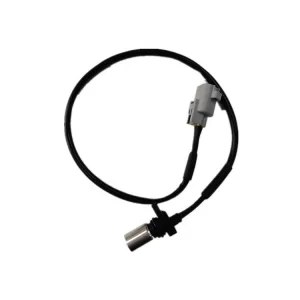
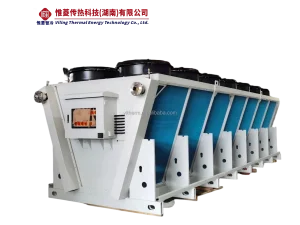
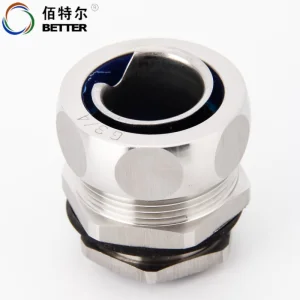
Review our full range of technical systems, including electrical sensing modules, structural chassis brackets, and thermal control accessories.

 Mayumi Auto