In the global machinery and automotive ecosystems, the
As vehicles, industrial systems, and off-highway machines advance, engineers must tackle issues like drivetrain vibration, noise, harshness (NVH), and energy loss. A drive shaft must be robust enough to handle high torque peaks while remaining light enough to minimize rotational inertia. Balancing these requirements requires premium-grade steel tubes, forged yokes, precision-lubricated universal joints, and advanced slip splines. Operating as a reliable
Modern drivetrain components require dynamic balancing to ISO 1940-1 G2.5 or higher grades. This ensures minimized residual unbalance, eliminating high-frequency vibrations that could damage adjacent transmission bearings and differential gears under operational speeds.
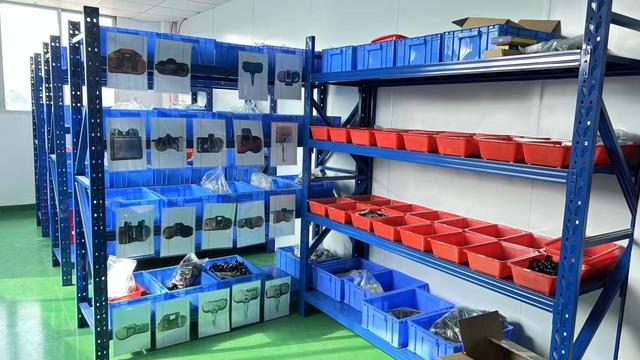
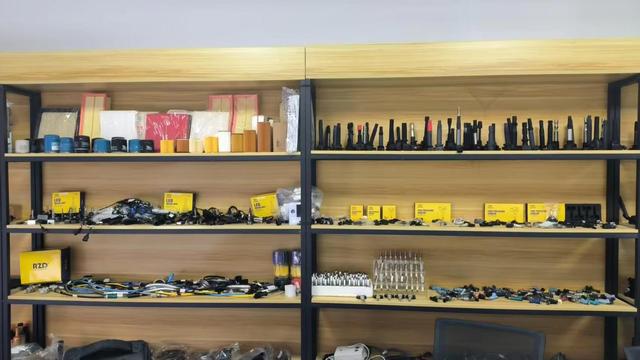
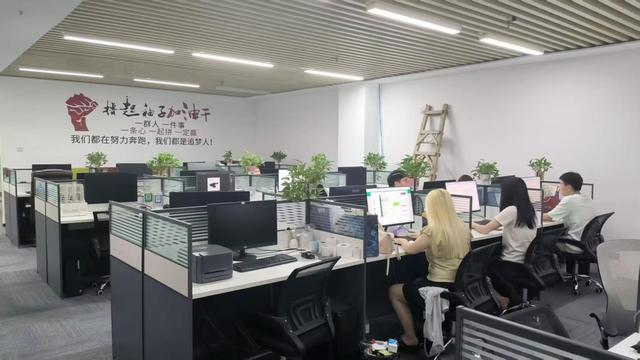
Guangzhou Mayumi Auto Co., Ltd. is a professional manufacturer specializing in automotive parts and vehicle component solutions for global OEM, aftermarket, and commercial vehicle markets. Established in 2011, the company is located in Guangzhou, Guangdong Province, one of China's major automotive manufacturing centers. Operating from a modern production facility covering 25,000 square meters and supported by a workforce of more than 280 employees, Mayumi Auto has developed comprehensive capabilities in product development, precision manufacturing, quality control, and international supply chain management.
The company focuses on the production of suspension components, brake system parts, steering system components, engine-related parts, chassis assemblies, drivetrain components, and other automotive solutions designed for passenger vehicles, commercial vehicles, and specialty transportation applications. Through continuous investment in advanced machining equipment, automated production technologies, and testing systems, Mayumi Auto delivers products engineered for durability, reliability, and consistent performance.
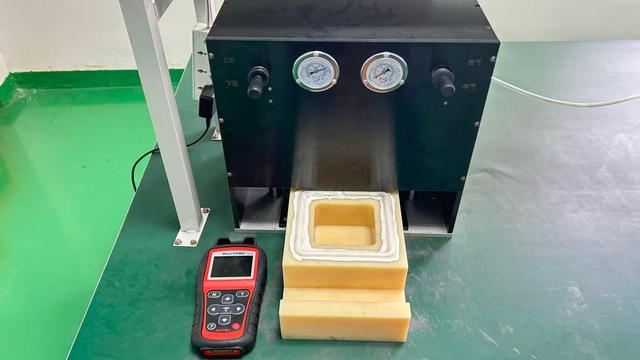
Quality assurance is integrated throughout the manufacturing process, from raw material inspection and precision machining to assembly verification and final performance testing. The company follows stringent quality management procedures to ensure products meet international industry requirements and customer specifications.
Mayumi Auto also provides flexible OEM and ODM manufacturing services, supporting customers with customized product development, private-label production, technical design optimization, and application-specific automotive solutions. Its engineering and production teams work closely with global partners to deliver efficient and scalable manufacturing support.
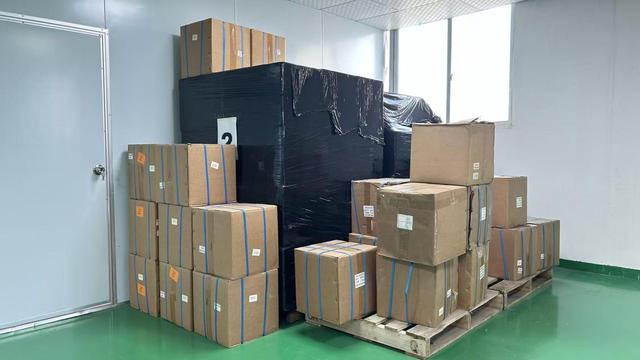
Today, Guangzhou Mayumi Auto Co., Ltd. exports its products to North America, Europe, South America, the Middle East, Southeast Asia, and other international markets. By combining manufacturing expertise, engineering innovation, and customer-focused service, the company continues to provide dependable automotive component solutions that support the evolving needs of the global automotive industry.
The requirements for mechanical power transmission vary greatly across different markets. Industrial driveline systems must be customized to handle the specific operational demands, environmental conditions, and mechanical loads of each industry:
Long-haul commercial vehicles require heavy-duty drive shafts that can withstand sustained torque loads over high distances. High-capacity needle bearings, reinforced universal joint crosses, and friction-welded tube joints are standard features used to minimize downtime and prevent driveline failure during operations.
From steel rolling mills to industrial water pumps, heavy machinery demands shafts with high torsional stiffness and zero backlash. We offer specialized Cardan shafts equipped with quick-release flanges and advanced telescopic slip joints to accommodate axial changes while maintaining alignment.
Tractors, harvesters, and forestry vehicles operate in harsh conditions with dirt, mud, and water. Power Take-Off (PTO) shafts for agricultural machinery feature heavy-duty sealing rings, impact-resistant safety shields, and wide-angle universal joints to ensure smooth operation on uneven terrain.
Understanding these varied operating environments allows us to source specific steel alloys, design tailored grease retention channels, and apply customized rust-preventative coatings. This ensures our driveline components deliver reliable service life under demanding field conditions.
An industrial-grade drive shaft consists of several engineered parts working together:
Even minor weight variations along a shaft can generate high centrifugal forces at operational speeds. This unbalance causes vibration, puts extra stress on the universal joints, and leads to premature seal failure in the transmission.
To address this, every drive shaft we manufacture undergoes computer-controlled dynamic balancing. Small balance weights are welded to the tube at designated points, matching strict specifications. This reduces residual unbalance to negligible levels, ensuring quiet operation and extending the service life of the entire drivetrain.
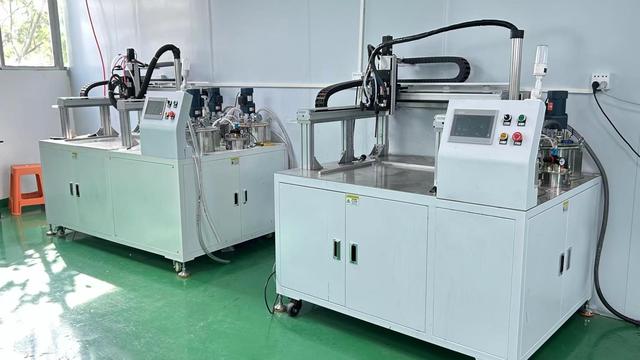
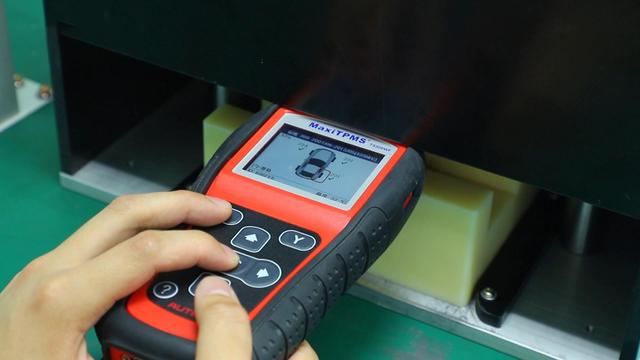
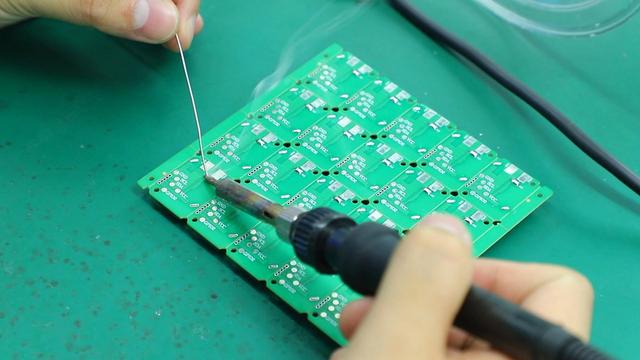
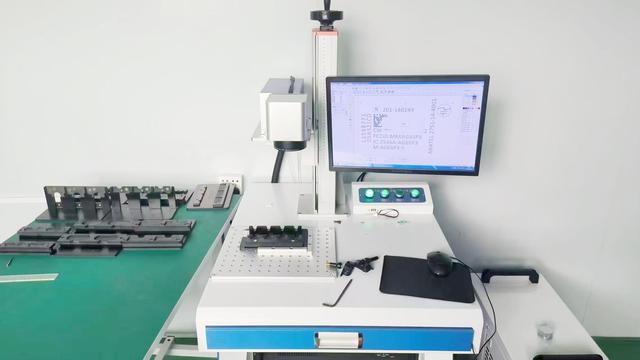
Our manufacturing operations follow rigorous international guidelines to ensure every drive shaft meets industry standards. In addition to general quality management, we adhere to the specific requirements of
Our quality assurance process includes testing at multiple stages of production:
For our global distributors and OEM customers, we provide comprehensive documentation with every shipment, including material test certificates, dynamic balance records, and dimensional reports. This ensures compliance with local import regulations and simplifies regional quality inspections.
The shift toward vehicle electrification and lighter industrial systems is changing the design requirements for modern drive shafts. Our engineering team is focusing on several key areas of development to meet these evolving needs:
Electric motors deliver maximum torque instantly, placing high shear stress on drivetrain components. We are designing specialized shafts with optimized spline geometry and advanced heat treatment to handle these immediate torque loads while minimizing NVH at high electric motor RPMs.
To support range extension and weight reduction, we are working with alternative materials, including high-strength aluminum alloys and carbon fiber reinforced composites. These materials offer high torsional stiffness at a fraction of the weight of traditional steel.
We are expanding our range of sealed-for-life universal joints. By using high-performance synthetic lubricants and improved multi-lip radial seals, we eliminate the need for regular manual grease intervals, helping operators reduce maintenance overheads.
 Mayumi Auto