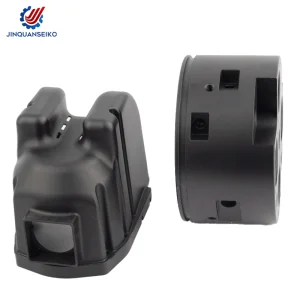
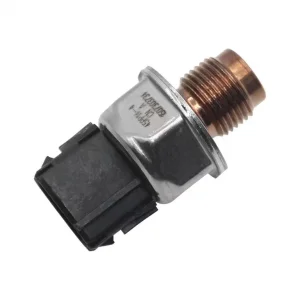
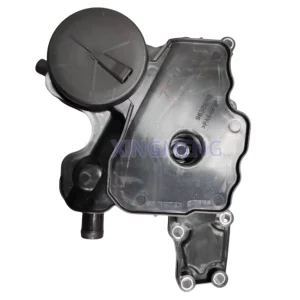
Precision-engineered replacement assemblies, electric propulsion heating architectures, and heavy-duty mechanical elements certified to exceed global performance benchmarks.
In the emergency services ecosystem, components do not just perform; they safeguard lives. Emergency vehicle applications, encompassing heavy fire apparatuses, tactical medical support vehicles, rapid police response units, and specialized rescue platforms, demand mechanical and electric sub-assemblies engineered far beyond consumer automotive tolerances. These heavy-duty applications demand specialized components that withstand extreme thermal ranges, acute vibrational energy, mechanical shock, and persistent structural fatigue.
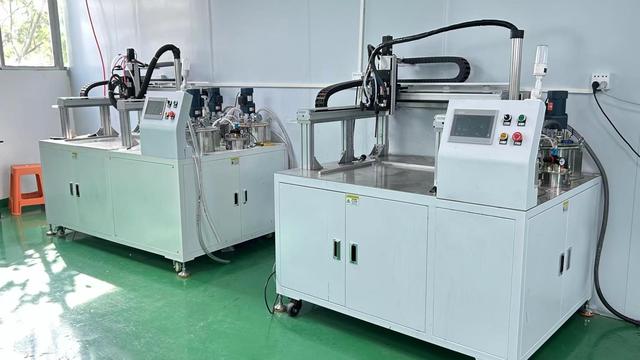
Guangzhou Mayumi Auto Co., Ltd. stands as an elite global partner in high-precision, mission-critical OEM and ODM component fabrication. Established in 2011 in Guangzhou, Guangdong Province—the epicenter of China's premium automotive technology cluster—the company operates a state-of-the-art 25,000 square meter manufacturing campus. Employing an elite workforce of more than 280 specialist engineers, material scientists, and quality practitioners, Mayumi Auto leverages advanced 5-axis CNC machining, automated robotic welding, digital metrology, and high-pressure casting systems to engineer complete solutions for heavy commercial and specialty fleet operations.
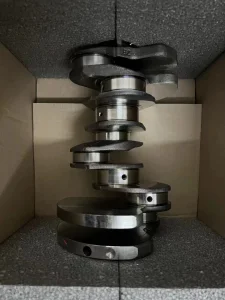
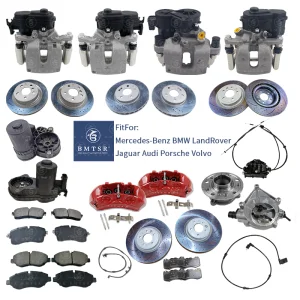
Through our relentless pursuit of engineering excellence, our product scope features premium, heavy-stress suspension assemblies, precision-calibrated pneumatic and hydraulic braking packages, robust steering components, advanced drivetrain linkages, high-efficiency cooling/heating modules, and structural chassis units. We integrate our operations with strict regulatory oversight, guaranteeing that every component leaving our facility adheres to the industry's most demanding safety codes.
Specialty vehicle upfitters, municipal fleet managers, and tier-1 defense suppliers navigate a dense matrix of localized rules. A component manufactured for a civilian passenger vehicle cannot safely transition to emergency configurations. Our engineering team designs with cross-border regulatory codes integrated directly into the initial product design phase.
Our structures and load-bearing chassis parts undergo exhaustive finite element analysis (FEA) to satisfy structural integrity standards for North American Fire Apparatus (NFPA 1901) and European Ambulance safety design parameters (EN 1789), verifying crash-test resistance and rapid-response stability.
Modern emergency vehicles feature advanced radio telemetry, radar, and strobe equipment. Our electrical assemblies, such as our smart sensors and EV PTC Heater components, are certified for electromagnetic compatibility, ensuring zero RF interference with on-board communication platforms.
In steering and braking applications, component failure is not an option. Mayumi Auto maintains full lifecycle traceability and engineering practices mapped to ASIL-D standards, guaranteeing that smart electronic linkages and high-precision steering valves possess active diagnostic fail-safes.
Furthermore, our localization team offers seamless technical and linguistic integration. We translate localized requirements into manufacturing reality by managing documentation in multiple languages, securing regional type-approvals (such as DOT, E-Mark, and CE), and optimizing components to match localized diesel or electric powertrain variations.
Operating from Guangzhou, Guangdong Province, Mayumi Auto leverages the world's most sophisticated and mature automotive supplier ecosystem. This unique geography affords unmatched production agility and vertical integration benefits, which translate directly into cost, quality, and delivery advantages for global partners:
Emergency vehicles operate under environments that break conventional civilian automobiles. Mayumi Auto designs specifically for the rugged profiles of specialized applications:
Designed for rapid acceleration and sudden decelerations. High-performance braking systems, specialized steering linkages, and micro-machined engine mounts prevent thermal fade and guarantee precise vehicle tracking at top-end speeds.
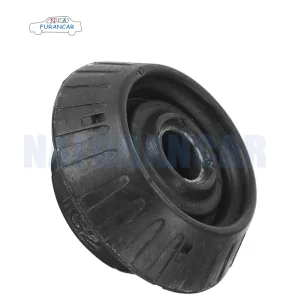
Heavy water tankers and ladder trucks operate under persistent load. Our multi-axle suspension bushings, high-capacity steering gears, and air filtration systems protect systems from excessive heat, soot, dust, and continuous torsional stress.
Operating across hostile, unpaved topographies demands immense suspension travel. Our high-clearance shock absorber assemblies and robust structural drivetrain parts avoid fracture and preserve integrity over severe washboard surfaces.
The emergency vehicle industry is transitioning rapidly towards high-voltage electric platforms (EVs) and hybrid power grids. This paradigm shift requires a re-evaluation of auxiliary heating, thermal containment, and powertrain monitoring:
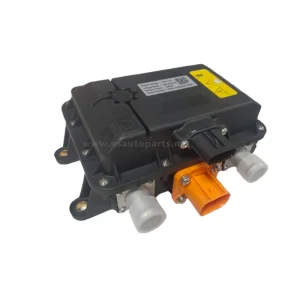
Our engineering department leads this transition. For example, our 3500W High-Voltage Electric Vehicle PTC Heater Systems provide rapid thermal support to passenger compartments and battery arrays under freezing conditions without sacrificing drive range. Additionally, our high-precision telemetry and engine sensor packages (such as specialized crank and fuel-rail pressure monitoring devices) stream physical diagnostic parameters back to command hubs, enabling proactive preventative maintenance and minimizing out-of-service critical times.
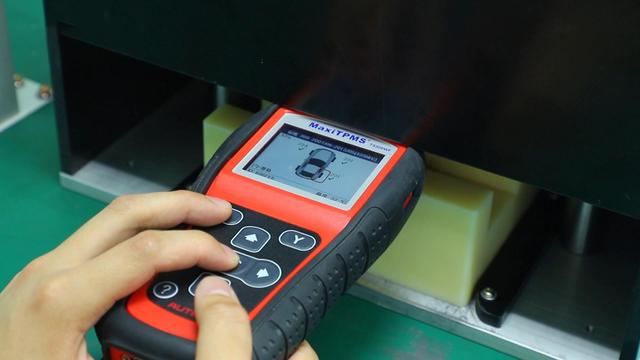
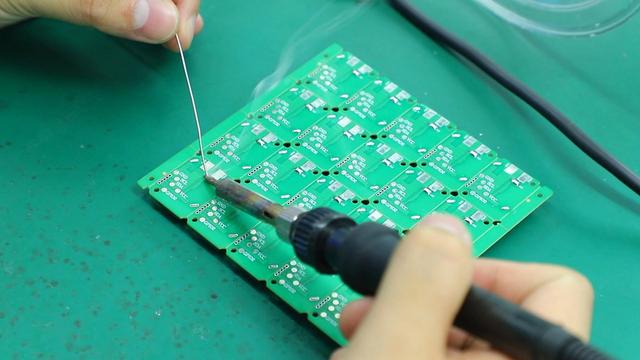
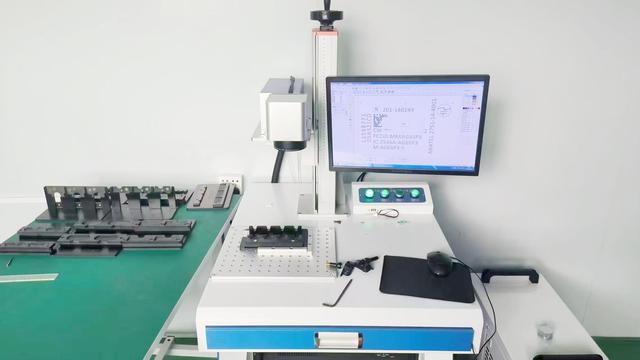
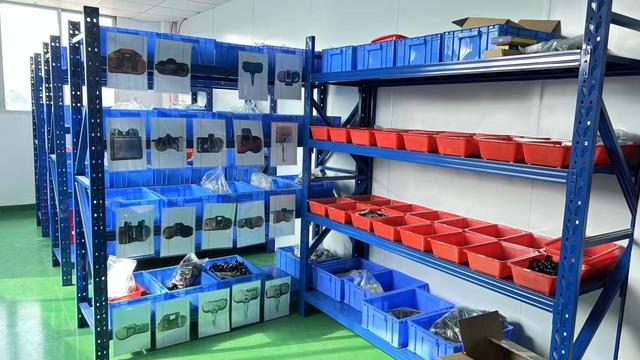
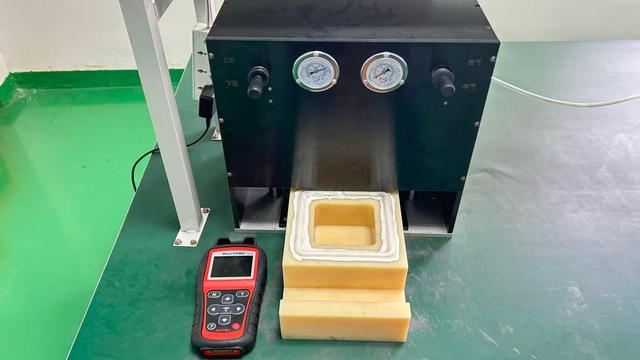
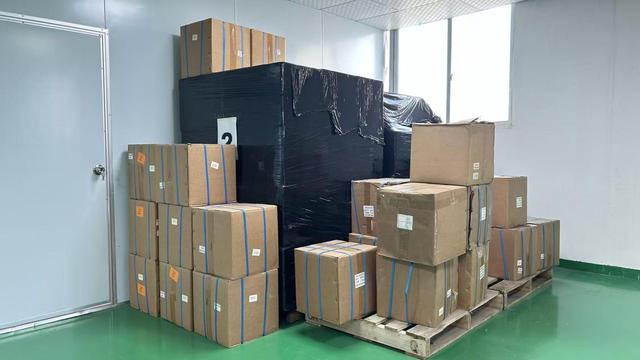
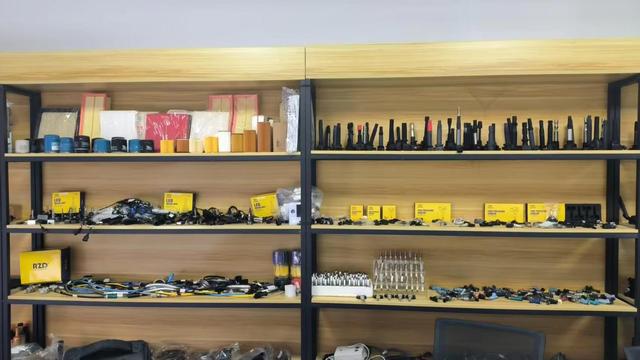
Inside Guangzhou Mayumi Auto: CNC precision lines, metallurgical validation labs, automated robotic fabrication, and high-volume quality management environments.

A: Every process at Mayumi Auto is strictly audited and compliant with the IATF 16949 quality system. In addition, our manufacturing complies with the respective regional standards of destination markets, such as ECE, DOT, E-Mark, and CE, guaranteeing that our parts are approved for emergency response retrofitting globally.
A: We operate a fully integrated digital engineering process. Clients submit CAD models or reverse-engineering samples. Our design office conducts digital simulation testing, Finite Element Analysis (FEA), and rapid physical casting or machining prototypes for localized physical stress testing before ramping up to bulk series production.
A: We employ certified premium carbon steel, aeronautical aluminum, and wear-resistant vulcanized elastomers. We guarantee comprehensive traceability of raw materials. Testing protocols include ultrasonic crack-detection, salt spray testing for oxidation defense, and severe vibration simulations to guarantee longevity under operational stress.
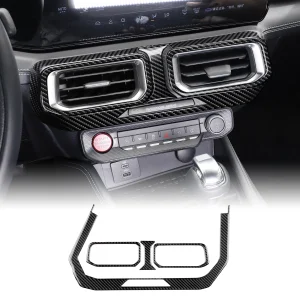
A: Yes. We are a pioneer in the EV emergency segment. We design and manufacture high-wattage smart PTC liquid and air heater units, custom carbon fiber structural interior trims, high-voltage battery housing components, and specialized sensors suited for alternative fuel specialty platforms.
A: Tooling and pre-production prototypes are finalized within 25 to 45 days depending on component complexity. Following approval of initial samples, mass production runs take 30 to 45 days. We schedule shipping routes through Guangzhou, Shenzhen, or Hong Kong ports to achieve fast delivery times.
A: Yes. Many older fire apparatus and rescue fleets are kept in service for decades. We leverage modern 3D laser-scanning technology to digitize, upgrade, and remanufacture structural and engine components for out-of-production vehicle models, ensuring active fleets remain operations-ready.
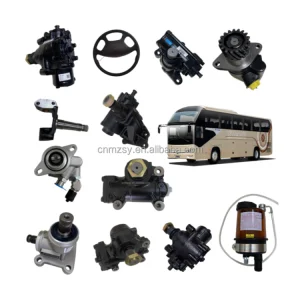
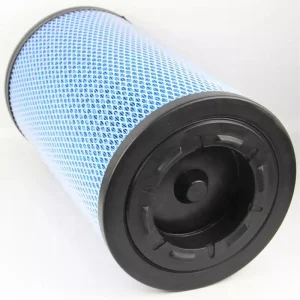
High-precision steering valves, real carbon fiber interior surfaces, commercial-grade air elements, and industrial CNC linkages tailored for emergency and public service vehicles.
 Mayumi Auto