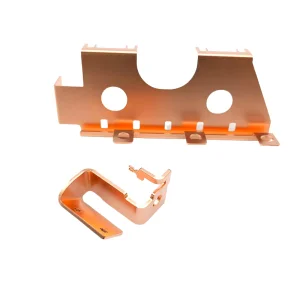
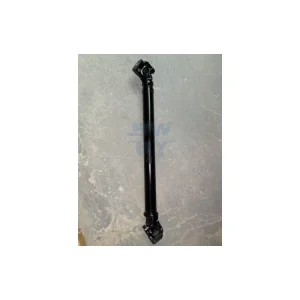
High-performance mechanical components, electrical connection structures, and steering units for modern passenger vehicles, commercial heavy trucks, and electric mobility platforms.
Established in 2011 in Guangzhou, Guangdong Province—a premier hub of China's high-tech automotive manufacturing cluster—Guangzhou Mayumi Auto Co., Ltd. has developed from an engineering-first developer into a globally recognized manufacturing partner. Our modern facility, spanning over 25,000 square meters and powered by more than 280 skilled professionals, is engineered specifically for the design, development, and mass production of advanced bumper assemblies and automotive structural modules.
Our manufacturing operations combine automotive-grade injection molding machinery, automated painting systems, and robust structural testing laboratories. By adhering to international standard quality management procedures, we bridge the gap between initial mold design and high-volume, global-scale logistics, providing both OEM support and aftermarket supply pipelines to key regions including North America, Europe, South America, the Middle East, and Southeast Asia.
2011
Established Year
25k+
Factory Area (sqm)
280+
Expert Staff
60+
Export Nations
How Mayumi Auto executes precision bumper development through systematic phases.
High-fidelity Finite Element Analysis and computer-aided design for impact performance.
EPDM-modified polypropylene composites tailored for specific localized thermal thresholds.
Full-spectrum validation including high-velocity crash simulation and weathering tests.
An overview of the materials, molding forces, and robotics deployed to meet modern structural vehicle requirements.
Modern bumper fascias must resolve two conflicting engineering targets: energy absorption during impact and geometric flexibility for style. Mayumi Auto utilizes specialized Polypropylene Modified with Ethylene Propylene Diene Monomer (PP+EPDM). By adding EPDM, we enhance the low-temperature impact resilience of PP, ensuring the bumper fascia deforms elastically rather than shattering under cold-weather stresses.
We operate highly automated, high-clamping-force injection molding machines ranging from 3,000 to 5,000 metric tons. This heavy industrial capacity is necessary to ensure consistent polymer melt distribution, preventing internal stress fractures or warping over large-surface-area bumper components.
Our paint shops leverage computerized six-axis robotic painting systems executing "three-wet" coating processes (primer, base coat, clear coat). This guarantees uniform film thicknesses, excellent paint adhesion, and high resistance against environmental hazards and road salt corrosion.
Modern bumper fascias serve as mounting modules for Advanced Driver Assistance Systems (ADAS). We utilize computerized ultrasonic welding machines to integrate sensor brackets and camera housings at precise angles, maintaining structural integrity without interfering with radar wave transmissions.
| Material Designation | Primary Composites | Yield Strength (MPa) | Low-Temperature Impact (-40°C) | Primary Application Range |
|---|---|---|---|---|
| PP + EPDM - T20 | Polypropylene + EPDM + 20% Talc Mineral Filler | 22 - 28 | Excellent (Non-brittle deformation) | Front & Rear Fascias for High-Volume Passenger Vehicles |
| PC / PBT Blend | Polycarbonate / Polybutylene Terephthalate | 40 - 55 | Outstanding (High energy retention) | Off-road SUV Bumpers & Heavy-Duty Trim Plates |
| ABS (Acrylonitrile Butadiene Styrene) | High-impact Grade Terpolymer | 35 - 45 | Moderate (Good room temp stability) | Complex Decorative Grilles, Bumper Inserts & Bezels |
| High-Strength Steel (HSS) / Al | Galvanized Structural Steel / 6000-series Aluminum | 280 - 450 | Rigid (No thermal degradation) | Internal Crossmember Crash Beams (Reinforcement Bars) |
How regulatory standards and geographic climates dictate bumper engineering variations worldwide.
The North American bumper sector is characterized by strict structural crash performance regulations. Compliance with the FMVSS Part 581 standard requires front and rear bumpers to sustain minor impacts of 2.5 mph (4 km/h) without damaging structural vehicle safety components. Additionally, the high concentration of pickup trucks and full-sized SUVs calls for rigid bumper assemblies with integrated tow hook provisions and strong internal steel crossmembers.
European markets prioritize pedestrian safety under the EC 78/2009 and ECE R127 regulations. Bumper structures exported to the EU must incorporate soft, energy-absorbing polyurethane foams (EPP) and flexible lower-leg protector bars to reduce pedestrian lower-limb trauma during an impact. Design formats are sleek and highly integrated with aerodynamic features to help lower fleet emissions.
Tropical and high-UV environments in Southeast Asia and the Middle East demand polymer stability. Heat indexes exceeding 50°C paired with direct sunlight degrade low-grade plastics. Mayumi Auto integrates advanced Hindered Amine Light Stabilizers (HALS) and specialized UV inhibitors into our PP formulations, ensuring that bumpers installed in these regions resist fading, cracking, and structural chalking.
The Pearl River Delta region provides an integrated ecosystem for automotive part manufacturing. By establishing our manufacturing operations in Guangzhou, Mayumi Auto leverages local supply chains to minimize production lead times and shipping costs.
Automotive supply chain managers face constant delivery pressures. In bumper manufacturing, logistics costs can scale rapidly due to the physical volume of the molded components. Mayumi Auto addresses this through optimized container loading strategies and stackable nesting designs.
By optimizing bumper design features, such as detachable brackets and modular lower grilles, we increase shipping densities, lowering per-unit freight costs. Additionally, we coordinate closely with local component ecosystems to ensure all trim pieces, wire harnesses, and mounting brackets are sourced and assembled nearby, minimizing cross-border lead times.
Every bumper assembly manufactured by Mayumi Auto undergoes extensive laboratory validation to ensure field durability.
Components undergo hot-air aging testing at temperatures up to 90°C and cold-impact resistance testing down to -40°C. We also perform accelerated xenon-arc weatherometer exposure to check for colorfastness and surface chalking.
We test tensile strength, flexural modulus, and Izod impact strength. These mechanical checks ensure the bumper assembly deforms predictably to absorb kinetic energy during front or rear collisions.
Our quality control teams use 3D laser scanners and large Coordinate Measuring Machines (CMM) to inspect critical mounting tabs and sensor brackets. This keeps production tolerances within ±0.5mm, ensuring straightforward installation at downstream assembly plants.
Innovations shaping the future of vehicle bumpers, focusing on autonomous integration, material recycling, and aerodynamics.
Phase 1 (2024 - 2025)
As autonomous and semi-autonomous driving features become standard, millimeter-wave radar and LiDAR systems are frequently placed behind bumper fascias. Mayumi Auto is developing radar-transmissive polymer blends and specialized base-coat systems that minimize wave attenuation, ensuring ADAS functions operate reliably without external sensor cutouts.
Phase 2 (2025 - 2026)
To help extend electric vehicle range, we are engineering active bumper grilles and lower spoiler lips that adapt to speed. These active aerodynamic systems automatically close at highway speeds to reduce drag, then open in urban environments to optimize powertrain cooling.
Phase 3 (2026 - 2027)
To support international circular economy goals, our R&D team is working with bio-sourced polymer reinforcements. These natural fibers will reduce reliance on traditional glass/mineral fillers, helping to lower the carbon footprint of bumper components while maintaining strength.
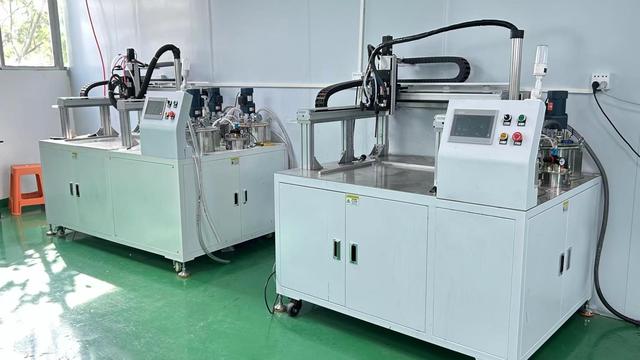
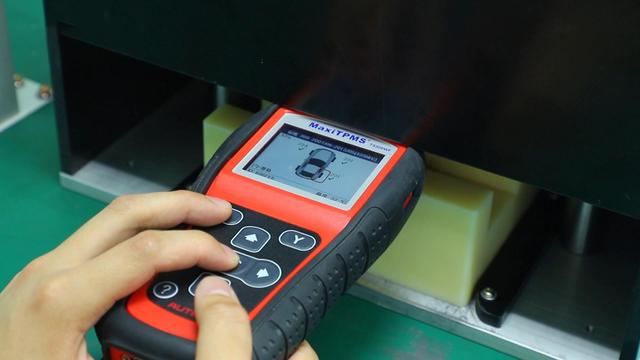
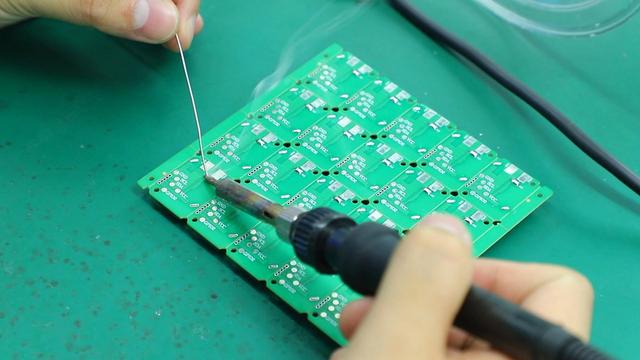
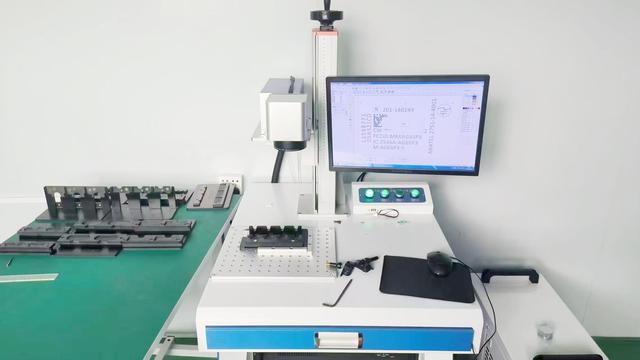
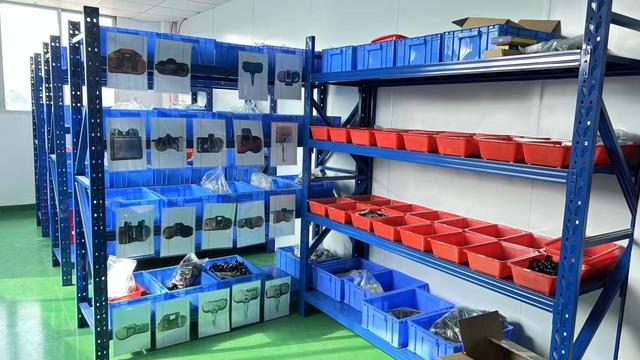
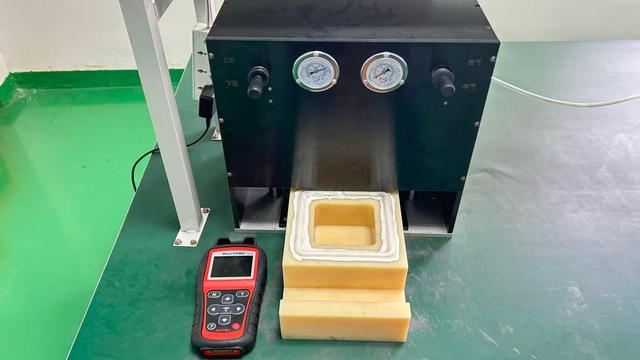
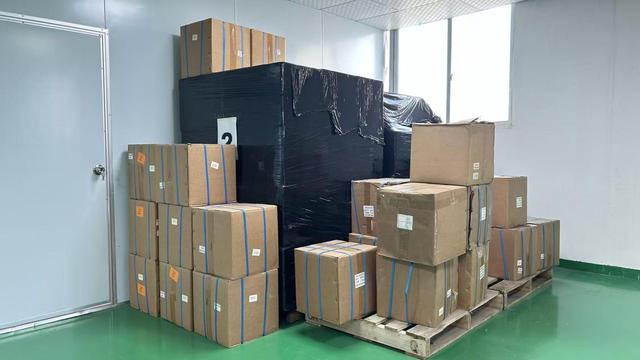
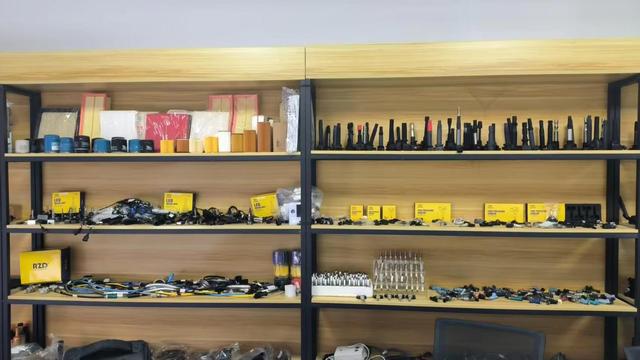
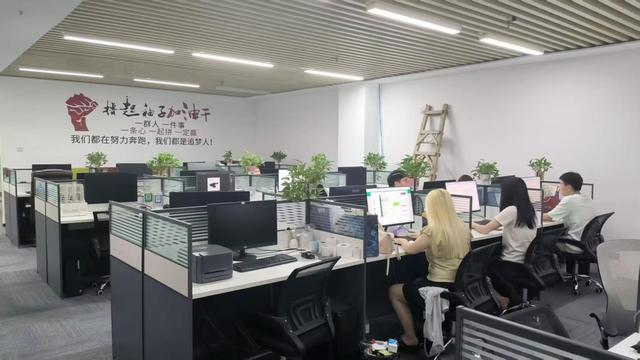
A look inside our 25,000 square meter factory, production lines, and product validation laboratories in Guangzhou.
Answers to common technical, logistics, and compliance questions from B2B buyers and OEM partners.
For existing product lines and aftermarket applications, our typical MOQ is 100 units per model. For completely custom OEM/ODM bumper development projects requiring new tooling design and mold fabrication, the MOQ is negotiated based on tooling amortization costs—typically starting at 1,000 units per production run.
We use original vehicle panels to reverse-engineer dimensional envelopes via high-precision blue-light 3D scanners. During production, every batch of bumper fascias is validated on custom steel checking fixtures. We maintain geometric dimensioning and tolerancing (GD&T) specifications to ensure mounting points align cleanly during final assembly.
Yes. Our standard formulation uses an EPDM-modified polypropylene blend (PP+EPDM). This modifier increases the material's glass transition temperature performance, preventing crystallization and brittle cracking down to -40°C. We conduct Izod impact testing in climate chambers to verify compliance before shipment.
Our painting lines undergo systematic quality tests: cross-hatch tape adhesion tests (per ASTM D3359), gravelometer testing to evaluate stone chipping resistance (per ASTM D3170), and salt spray corrosion chamber testing to verify that underlying materials remain protected from environmental wear.
For standard inventory orders, items are prepared and dispatched within 10 to 15 business days. Sea freight shipping times range from 18 to 25 days to North American West Coast ports, 30 to 40 days to East Coast ports, and 28 to 35 days to major European ports, depending on carrier schedules and terminal conditions.
High-tolerance drivetrain parts, customized castings, and protective accessories designed for complex mechanical operations.
 Mayumi Auto