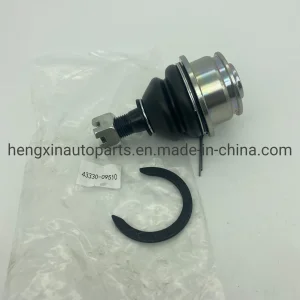
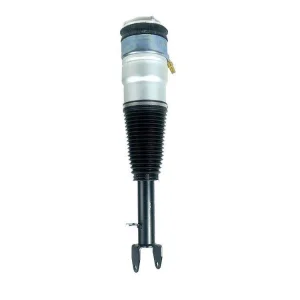
Explore our premium grade structural and functional solutions, engineered to meet strict international standards and customized to your specific industrial drawings.
In the modern industrial landscape, the fusion of glass and mechanical components has redefined structural engineering. Once viewed strictly as transparent barriers, advanced glass substrates are now integral to microelectronics, semiconductor processing chamber viewports, optoelectronic housings, and automotive sensor structures. As global industries pivot toward automation, intelligent vehicles, and clean energy, the demand for specialized glass components and high-precision structural integration has surged exponentially.
The production of industrial and automotive-grade glass components is no longer limited to simple tempering or shaping. It requires high-purity chemical strengthening, complex CNC processing, and advanced metallurgical-to-glass sealing technologies. Global OEMs and Tier-1 integrators seek manufacturing partners capable of combining optical performance with severe environmental durability—specifically in pressure containment, thermal shock resistance, and electromagnetic shielding.
"The intersection of glass technology and metallic structure engineering defines the future of optical sensors, radar housings, and advanced structural aesthetics across automotive and industrial applications."
To address these developments, Guangzhou Mayumi Auto Co., Ltd. leverages over a decade of mechanical manufacturing expertise, CNC technology, and die-casting engineering to provide robust integrated housings, frame mounting assemblies, and precision chassis elements that protect, seal, and support high-integrity glass and optoelectronic components.
Established in 2011, Guangzhou Mayumi Auto Co., Ltd. has grown to become a leading manufacturing entity specializing in high-tolerance automotive components, structural assemblies, and precision vehicle hardware for OEM and aftermarket channels worldwide. Situated in Guangzhou, a core automotive manufacturing hub of Guangdong Province, the company benefits from a mature industrial ecosystem, deep material supply chains, and highly optimized export logistics.
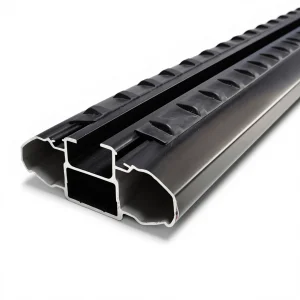
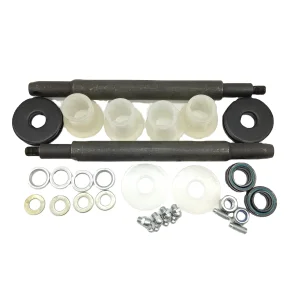
Operating from a state-of-the-art 25,000 square meter production facility with a dedicated workforce of over 280 engineering and manufacturing specialists, Mayumi Auto integrates advanced CNC machining, precision die casting, automated assembly, and strict multi-stage quality control. This operational scale enables the company to manufacture high-performance components—ranging from aluminum-profile roof rails, steering links, and brake elements to complex CNC structural frames that house and secure sensitive glass and sensor assemblies.
Our core mission revolves around engineering reliability. By maintaining comprehensive, in-house quality assurance loops, we monitor physical metallurgy, geometric tolerances, and surface treatments to ensure every component shipped to North America, Europe, South America, and the Middle East functions flawlessly under extreme mechanical stress.
Advanced glass components are utilized across a wide variety of localized scenarios. Each application has distinct structural requirements, necessitating custom material compositions, surface finishes, and structural housings:
Optically flat, chemically treated covers that integrate LiDAR and camera modules behind the windshield. Requires high light transmission, precise refractive index matching, and robust structural housing to avoid optical distortion.
Quartz and high-borosilicate glass windows engineered to withstand high temperatures, aggressive chemical vapor deposition (CVD) environments, and vacuum pressures, sealed with custom-machined CNC steel or aluminum alloy flanges.
Extra-thick, thermally tempered soda-lime glass combined with heavy-duty cast metal housings designed for hazardous petrochemical areas, offshore installations, and extreme temperature operations.
A high-performance glass component cannot perform reliably on its own. It requires matching mounting assemblies, precision gaskets, and exterior structural trim components to prevent localized stress concentration. Thermally induced expansion rate mismatches between glass and metals can lead to structural failure under cyclic loading.
Guangzhou Mayumi Auto Co., Ltd. addresses this challenge by engineering CNC mounting profiles, aluminum die-cast brackets, and specialized sealing interfaces. By matching structural components with glass expansions, we deliver robust assemblies that withstand continuous highway vibrations and extreme outdoor weather conditions.
China is a global leader in advanced glass components and precision metal manufacturing, sustained by integrated supply networks, dedicated manufacturing zones, and high-efficiency material logistics.
Guangdong Province stands at the center of this industrial infrastructure. At Mayumi Auto, our manufacturing facility in Guangzhou accesses raw quartz, float glass plants, chemical treatment providers, specialty anodizers, and raw alloy smelters within a short distance. This proximity reduces material sourcing times, minimizes carbon footprint from internal transit, and enables rapid prototyping and scaling.
"Supply chain resiliency relies on localized ecosystems. Our facility integrates CNC machining, structural casting, and final validation within a single coordinate center, shielding clients from global shipping volatility."
Furthermore, the concentration of skilled precision tooling engineers in southern China allows us to design, cast, machine, and test complex tooling configurations in days rather than weeks. This capability enables our clients to quickly respond to shifting market dynamics, updating product lines with minimal downtime.
As industrial designs lean toward minimalist aesthetics and interactive interfaces, the line between glass surfaces and underlying mechanical assemblies is fading. The next generation of industrial applications will rely on smarter, integrated systems:
1. Electrochromic & Active Light Control Glass: Integrating liquid-crystal layer systems into laminated safety glass structures to allow dynamic opacity adjustment. These systems require specialized edge-sealing frames and integrated wiring harnesses, a focus of our advanced design team.
2. Anti-Reflective (AR) and Anti-Fingerprint (AF) Coatings: Utilizing physical vapor deposition (PVD) to coat glass covers for external equipment. These coatings maintain clarity in direct sunlight and protect optical glass sensors from road debris and high-speed impacts.
3. Light-Alloy & Multi-Material Hybrid Assemblies: Replacing heavy steel brackets with high-tensile 6000-series aluminum and magnesium-zinc alloys. This transition reduces weight and ensures long-term corrosion resistance, which is critical for EV platforms and commercial transportation infrastructure.
Guangzhou Mayumi Auto Co., Ltd. continues to update its production machinery and automated CNC centers. Our technical roadmap aims to bridge the gap between high-strength structural alloys and precision optical glass assemblies, providing clients with ready-to-install systems.
Serving demanding export markets like North America, Western Europe, and South America requires strict adherence to international standards and regional compliance regulations.
Our manufacturing operations follow rigorous quality control protocols. Every design phase—from initial metal composition validation via spectrometer analysis to coordinate-measuring machine (CMM) dimensional checks—is documented to ensure complete traceability. Whether producing custom-profile roof rails, heavy-duty truck components, or specialized brackets, we maintain consistent geometric tolerances.
We accommodate diverse international requirements by offering:
Providing clear, direct technical answers for global procurement officers, QA directors, and engineering leads.
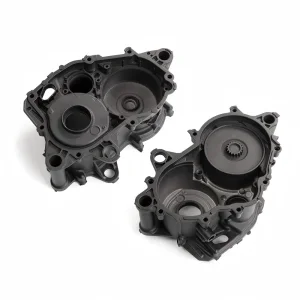
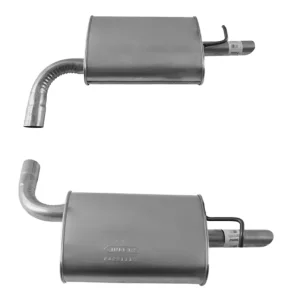
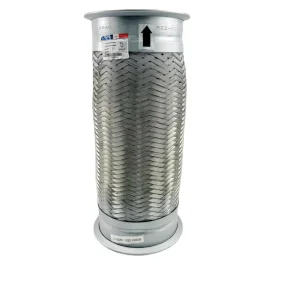
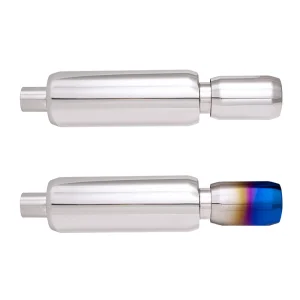
Explore our industrial-grade automotive elements, engineered to withstand high temperatures, intense vibrations, and demanding operating environments.
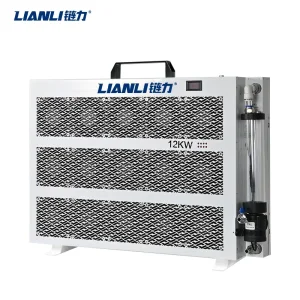
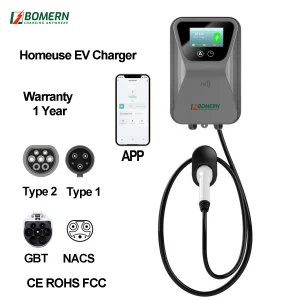
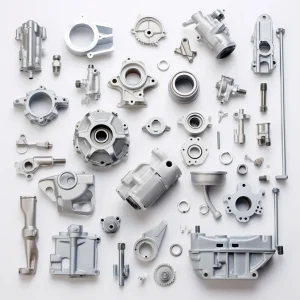
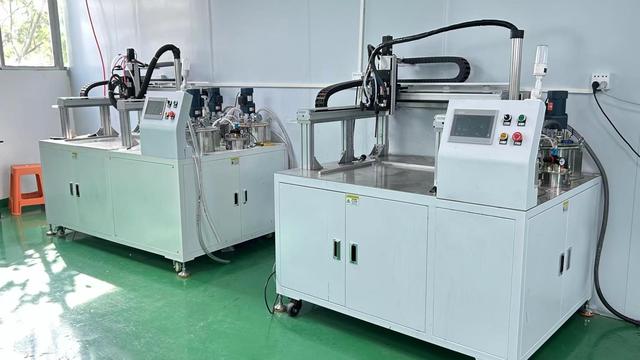
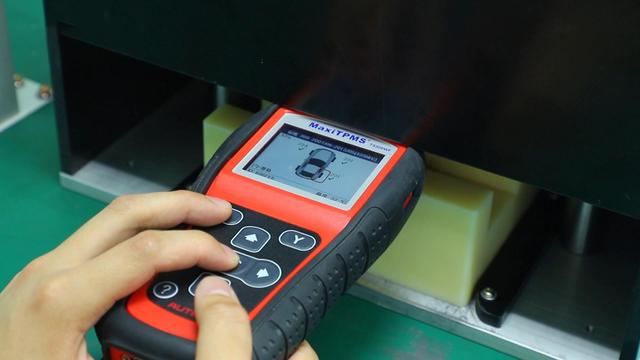
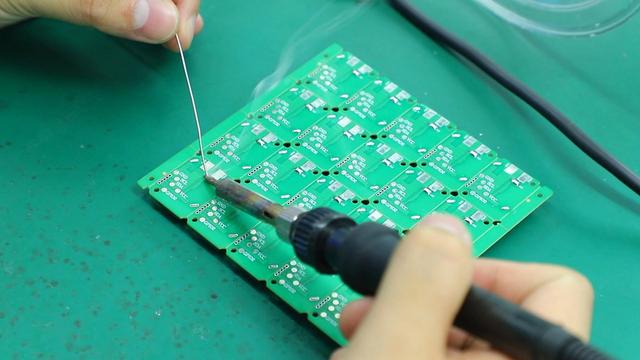
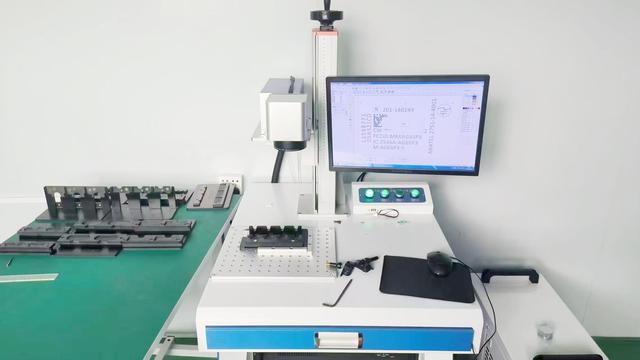
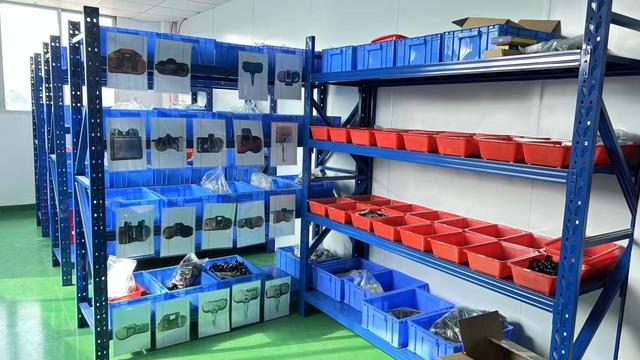
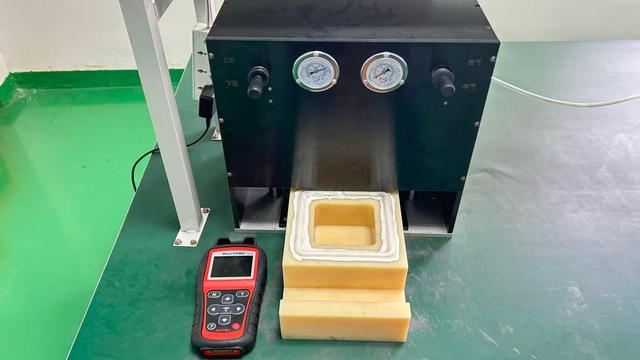
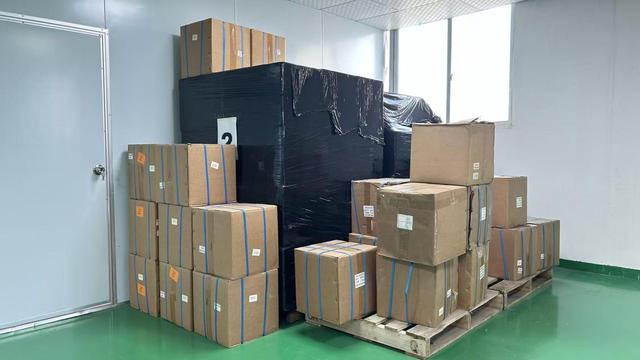
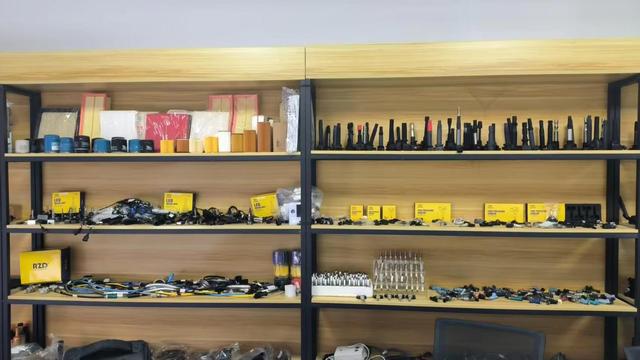
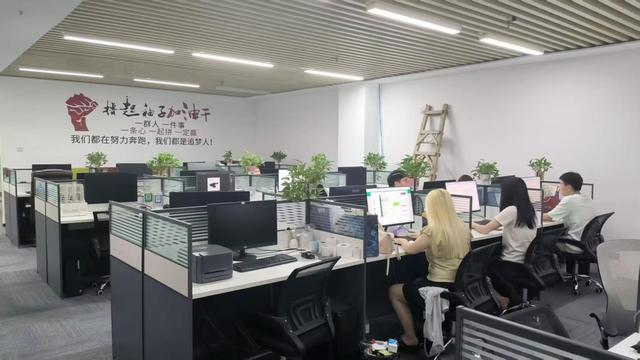
Step inside the modern manufacturing workspace of Guangzhou Mayumi Auto Co., Ltd., where precision engineering meets structured automation.
 Mayumi Auto