Japan remains at the forefront of automotive innovation, particularly in the realm of chassis engineering and suspension technology. The Japanese automotive industry is characterized by its "Keiretsu" system—deep-rooted partnerships between Tier-1 suppliers and major OEMs like Toyota, Honda, and Nissan. As a premier suspension parts supplier and exporter, we leverage this heritage of precision to provide components that define vehicle dynamics and safety.
The "Monozukuri" Edge: Unlike mass-produced alternatives, Japanese-exported suspension parts undergo rigorous stress-testing that simulates the high-intensity driving conditions of Tokyo's expressways and Hokkaido's extreme climates. This ensures an Information Gain in durability that competitors simply cannot match.
The Japanese suspension market is currently undergoing a massive transformation driven by the CASE (Connected, Autonomous, Shared, and Electric) trend. Japan's ministry of economy, trade, and industry (METI) has accelerated initiatives for lightweighting. For suspension suppliers, this means moving from traditional heavy steel alloys to high-tensile strength aluminum and carbon-fiber-reinforced polymers (CFRP) to offset the weight of EV battery packs.
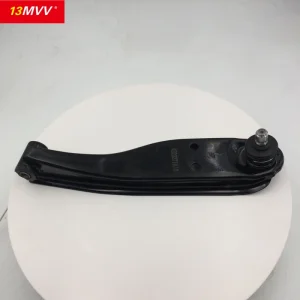
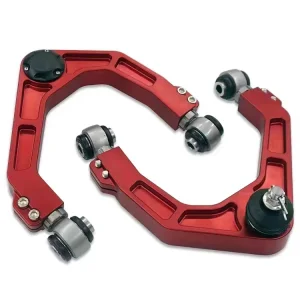
Utilizing high-pressure die casting for control arms to ensure zero-void structural integrity, crucial for high-speed stability in luxury and performance vehicles.
Japanese-standard electro-coating (ED-coating) provides up to 1,000 hours of salt spray resistance, vital for regions with harsh winter road-salting.
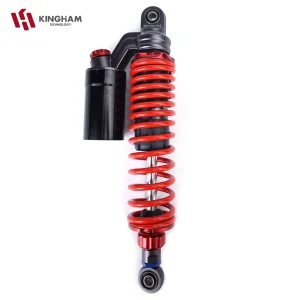
Specialized suspension damping kits designed to handle the instantaneous torque and increased sprung mass of Electric Vehicles.
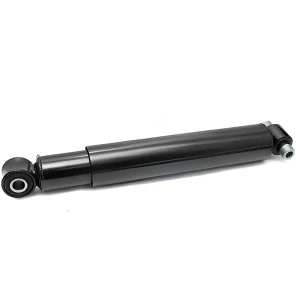
Looking toward 2030, the Japanese suspension sector is focusing on Active Damping Systems and Smart Sensors. By integrating IoT sensors into ball joints and shock absorbers, modern suspension systems can now provide real-time data to the vehicle's ECU, predicting maintenance needs before a component failure occurs. As an exporter, we are integrating these predictive maintenance technologies into our product roadmap to provide global clients with future-proof solutions.
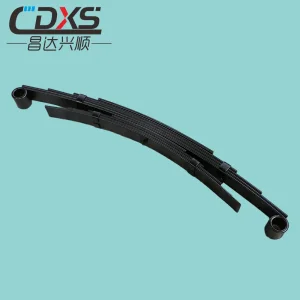
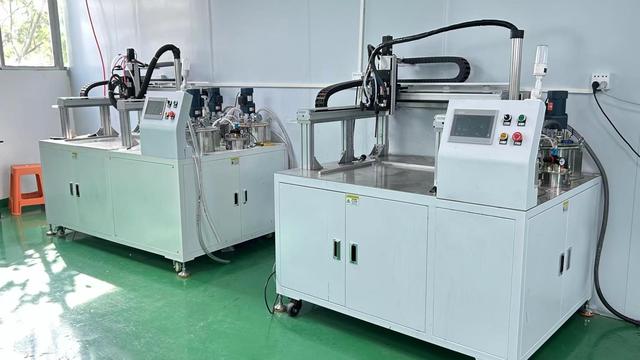
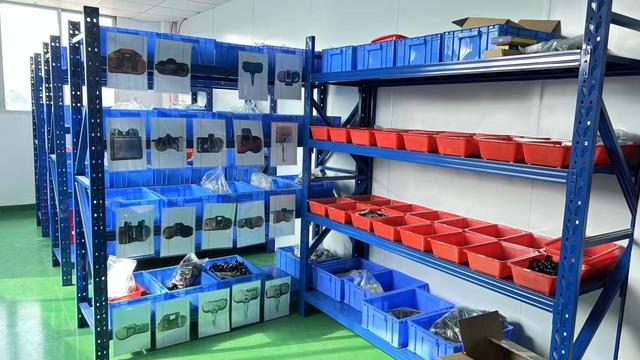
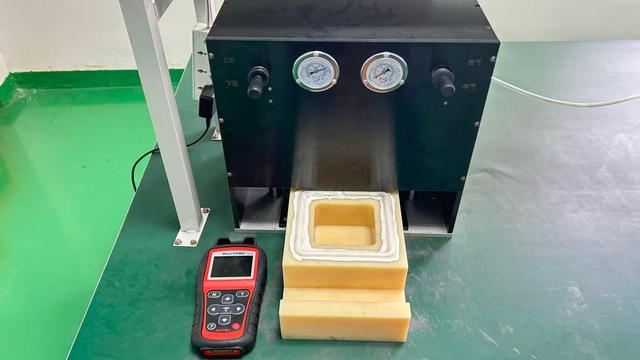
Established in 2011, Guangzhou Mayumi Auto Co., Ltd. has bridged the gap between Japanese engineering standards and efficient manufacturing. With a 25,000 square meter facility and over 280 employees, we represent the pinnacle of suspension part production. Our integration of precision machining and automated assembly lines ensures that every component—from stabilizer links to heavy-duty leaf springs—meets the stringent requirements of the global aftermarket.
Navigating international trade requires more than just good parts; it requires compliance and logistical expertise. We provide comprehensive documentation for REACH, RoHS, and IATF 16949 compliance. Our export teams are fluent in the technical nuances of North American, European, and Southeast Asian markets, ensuring seamless customs clearance and duty-efficient shipping.
 Mayumi Auto