Engineered to withstand the demanding road conditions and regulatory frameworks of the United States. Explore our top precision-machined assemblies.
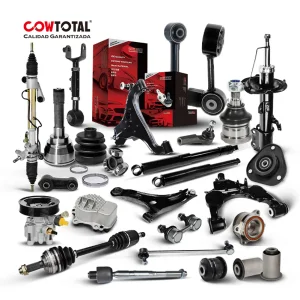
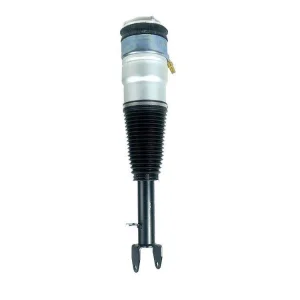
The automotive suspension industry in the United States represents a critical pillar of the nation's broader transportation infrastructure. Valued at billions of dollars annually, the US market is characterized by a dual demand structure: the high-volume Original Equipment Manufacturer (OEM) sector serving automotive production lines, and the highly diverse Independent Aftermarket (IAM) catering to millions of registered vehicles. Key geographic automotive corridors, such as the Rust Belt, the Southern Auto Corridor, and the emerging electric vehicle clusters in Texas and California, shape the logistics and manufacturing patterns of suspension supply chains.
The US aftermarket demand is heavily influenced by consumer purchasing preferences that favor light trucks, Sport Utility Vehicles (SUVs), and crossover platforms. Suspension systems operating in North American climates must withstand severe mechanical stresses. In the Northeast and Midwest regions, commonly referred to as the "Salt Belt," municipal road maintenance relies heavily on chemical de-icers. This exposure accelerates chemical corrosion on exposed metal undercarriages, necessitating suspension parts with advanced anti-corrosive finishes, such as zinc-nickel plating, electrophoretic deposition (e-coat), and advanced polyurethane formulations for bushings.
Commercial vehicle operations, encompassing Class 6 through 8 heavy-duty interstate transport trucks and trailers, place immense load-bearing demands on suspension components. Logistics hubs across the US rely on tandem-axle leaf spring configurations and heavy-duty air suspension bags to maximize cargo stability and minimize fleet downtime. Disruptions in suspension reliability directly impact carrier operating margins. As a result, fleet procurement managers demand component manufacturers adhere strictly to metallurgical specifications, weld integrity protocols, and fatigue testing parameters that exceed traditional industry benchmarks.
Operating as an integrated global manufacturer and exporter, Guangzhou Mayumi Auto Co., Ltd. serves as a reliable link in the supply chain for North American distributors. Established in 2011 and located in Guangzhou, Guangdong Province—a central hub of global automotive component fabrication—the company has scaled its operations to align with international quality standards.
Occupying a modern manufacturing facility of 25,000 square meters and supported by a specialized workforce of over 280 skilled personnel, Mayumi Auto integrates product development, precision machining, material analysis, and logistical support. The production facility utilizes CNC automated machining centers, robotic welding cells, and dedicated rubber-to-metal vulcanization lines. This layout ensures high dimensional repeatability and structural integrity across every component.
Understanding the stringent engineering requirements of the US market, Mayumi Auto offers comprehensive OEM and ODM support. By collaborating with domestic importers, warehouse distributors (WDs), and fleet operators, the company provides customized structural engineering solutions. From low-volume specialty production to high-volume container shipments, the company utilizes advanced material testing systems to ensure that tensile strength, yield strength, and fatigue resistance meet or exceed the performance parameters expected of OEM components.
The automotive suspension sector is undergoing a significant technological transformation, driven by vehicle electrification and advanced driver assistance systems (ADAS). As the industry shifts toward Electric Vehicles (EVs), the demands placed on suspension architecture are changing. EVs carry heavy lithium-ion battery packs, which increases the overall vehicle weight and changes the center of gravity. Consequently, suspension links, control arms, and shock absorbers must support higher loads while maintaining optimal ride comfort and vehicle dynamics.
To mitigate the weight penalty of battery packs, suspension designers are focusing on mass reduction. Heavy steel castings are increasingly being replaced by lightweight forged aluminum components, hollow stabilizer bars, and carbon-fiber-reinforced composites. Reducing unsprung mass is crucial, as it allows the suspension system to respond more quickly to road irregularities, improving both tire contact and cabin stability. Furthermore, components like control arms must be optimized through finite element analysis (FEA) to maximize strength-to-weight ratios.
In addition to mechanical refinements, electronic integration is shaping the future of suspension systems. Passive damper setups are gradually giving way to active and semi-active suspension architectures. These advanced systems utilize real-time sensor networks to assess chassis pitch, roll, and vertical acceleration, adjusting damper valving within milliseconds. Air suspension systems, featuring electronically controlled leveling, are also becoming standard on luxury passenger cars, commercial transport vehicles, and light trucks. This technology enables aerodynamic adjustments at highway speeds, enhancing range efficiency for both internal combustion and electric vehicles.
This technical matrix outlines the key structural changes required for next-generation suspension systems:
| Design Metric | Traditional Platform (ICE) | Electric Vehicle Platform (EV) | Engineering Impact |
|---|---|---|---|
| Unsprung Mass Target | Standard Cast Steel / Iron | Forged Aluminum Alloys | Reduces steering inertia and improves dampening response times. |
| Load Capacity Focus | Symmetric Engine/Cabin Loads | High Corner Loads (Battery Mass) | Requires reinforced control arm cross-sections and heavy-duty ball joints. |
| Dampening Profile | Velocity-Sensitive Mechanical | Electronically Controlled Active | Manages body roll caused by high instantaneous torque profiles. |
| Bushing Composition | Standard Natural Rubber | High-Durometer Elastomer / Hydro-Bushings | Mitigates high-frequency motor vibrations and road noise in quiet EV cabins. |
The operating environment in the United States varies significantly by region, requiring specialized suspension solutions tailored to local geographic and climatic conditions. A single suspension component must perform reliably across a wide range of environments, from the extreme cold of the northern states to the desert heat of the southwest.
Road salt and liquid calcium chloride used during winter cause rapid oxidation of ferrous metals. Suspension components in these areas require advanced protective coatings, such as multi-layer electrophoretic finishes, to prevent premature rust and structural failure.
The Appalachian, Rocky Mountain, and Southwest desert regions demand suspension components with high structural integrity and articulation. Off-road driving and towing over uneven surfaces subject control arms, ball joints, and tie rod ends to severe mechanical stresses.
Long-haul commercial trailers operating on major US transit corridors require high-reliability leaf spring assemblies and air ride connections. Components must sustain constant high-load cycles over thousands of miles, where component failure can lead to significant downtime.
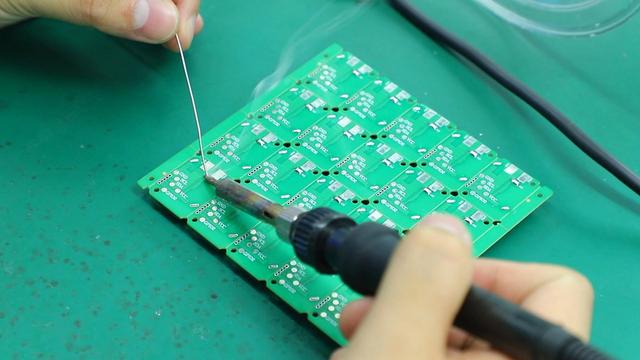
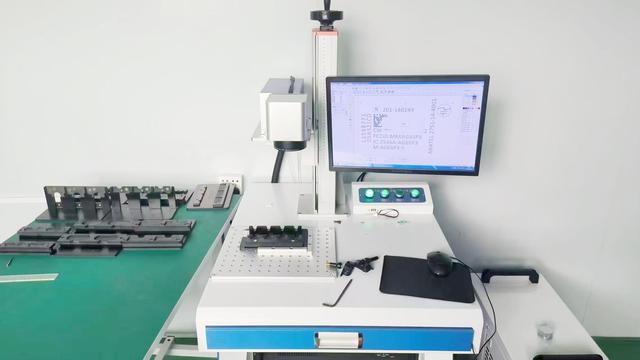
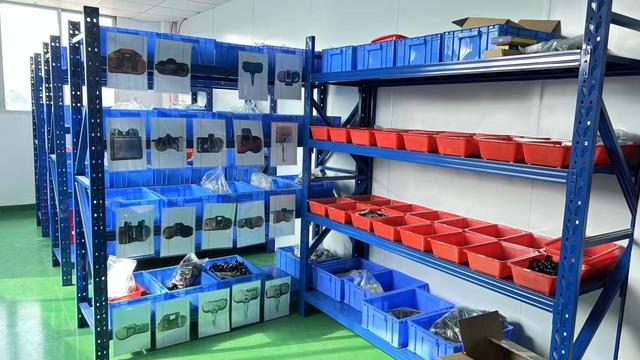
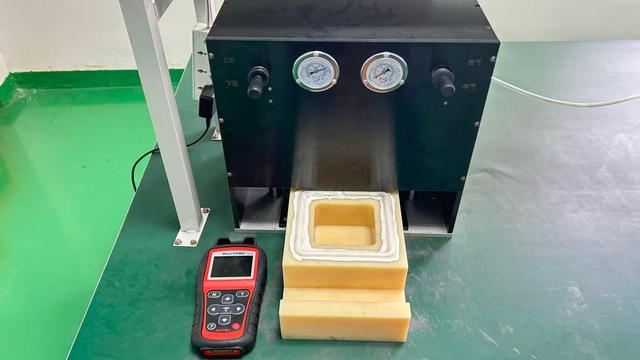
A detailed look at the production capabilities and quality control measures implemented at our advanced manufacturing facility.
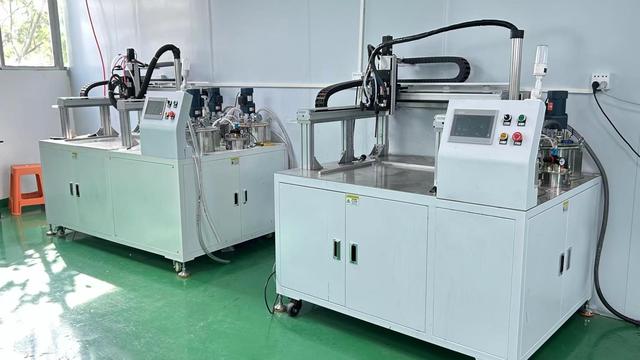
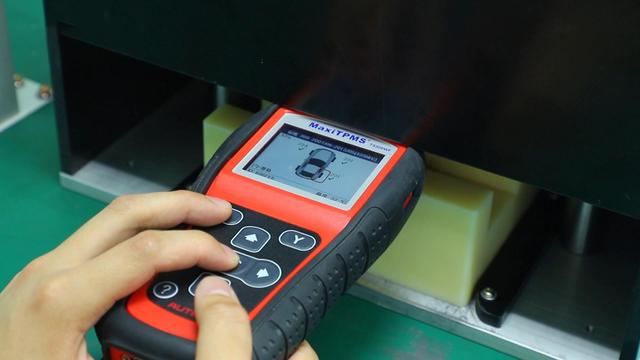
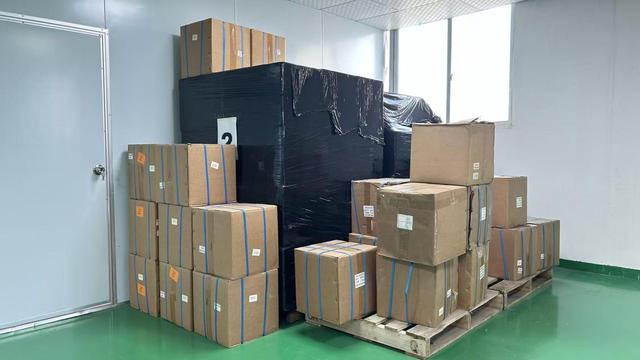
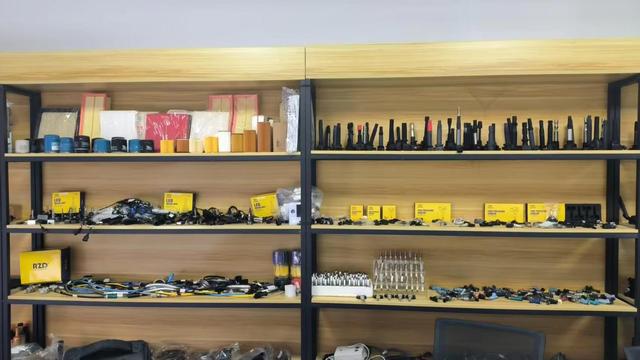
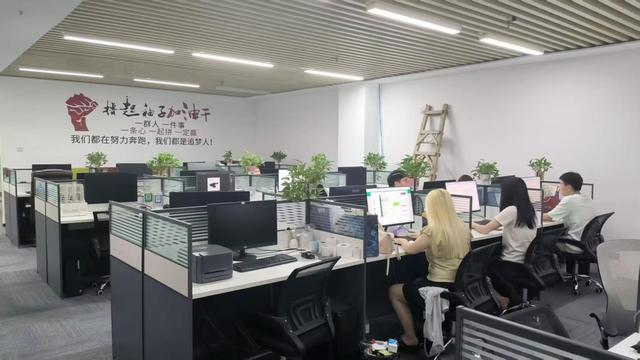
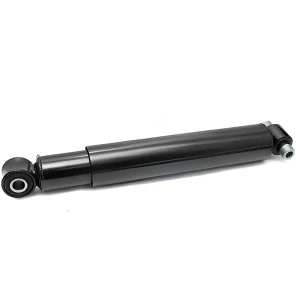
Precision-engineered replacement components designed to match the fitment and durability profile of original equipment.
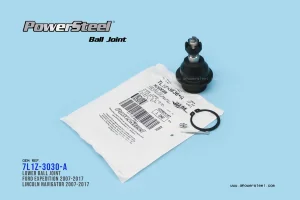
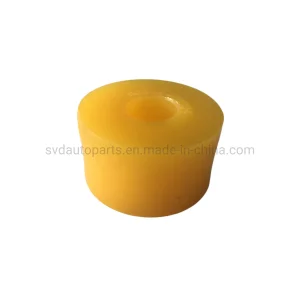
The global automotive component market relies on standardization to ensure safety and interchangeability. For suspension parts exported to the United States, compliance with established quality frameworks is essential. Standard organizations, such as the Society of Automotive Engineers (SAE) and the International Organization for Standardization (ISO), define the testing criteria for suspension links, control arms, ball joints, and spring configurations.
A primary quality standard is the IATF 16949 certification. This standard establishes requirements for quality management systems in the automotive supply chain, emphasizing defect prevention, continuous improvement, and the reduction of variation and waste. For suspension components, this process begins with raw material verification. Steel and aluminum alloys must undergo spectrometry analysis to verify chemical composition, tensile strength, and hardness limits. This step ensures the materials can withstand the high cyclic loads experienced during vehicle operation.
In addition to material testing, dimensional accuracy is critical for ensuring proper fitment and performance. CNC machining processes must operate within narrow tolerances to maintain the correct geometry of ball joint housings, bushing press-fit dimensions, and mounting holes. Utilizing coordinate measuring machines (CMM) and optical scanning equipment allows for precise validation of part dimensions against CAD data. This rigorous quality control helps prevent installation issues and premature wear in the field.
Environmental durability is another key factor for suspension components, particularly in regions that use chemical de-icers. Salt spray testing, performed according to ASTM B117, assesses the corrosion resistance of surface finishes. High-quality suspension parts typically receive multi-layer coatings, such as zinc-nickel plating or electrophoretic deposition (e-coat), to protect against oxidation and road debris. Proper sealing of ball joints and tie rod ends is also essential to exclude dirt, moisture, and road contaminants, extending the service life of the joint.
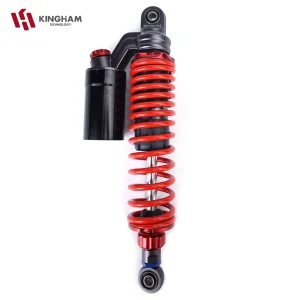
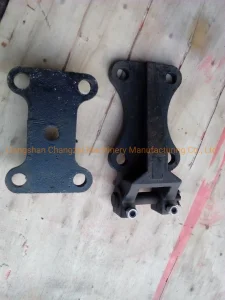
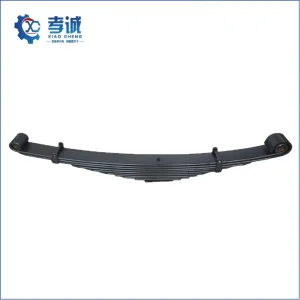
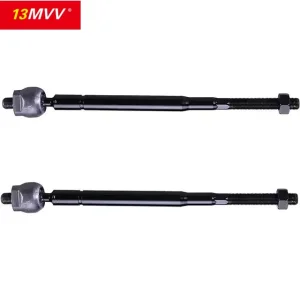
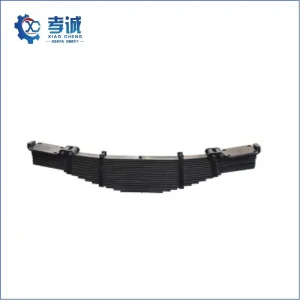
A comprehensive range of high-strength suspension solutions engineered for commercial trailer, utility RV, and passenger vehicle platforms.
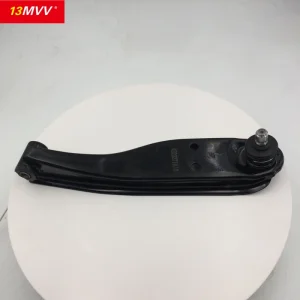
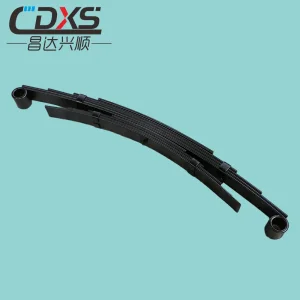
Answers to common technical, metallurgical, and logistical queries regarding international supply chain integration for suspension components.
We utilize certified high-tensile carbon steels like SAE 1045 and premium structural alloy grades. For lightweight components such as control arms, we employ forged aluminum 6061-T6, which offers an excellent strength-to-weight ratio. Material lots undergo spectrometry validation, yield testing, and tensile testing to verify that mechanical limits meet or exceed OEM specifications prior to manufacturing.
Components exposed to road spray undergo multi-layer surface treatment, including zinc-nickel electroplating or advanced electrophoretic deposition (e-coat). These finishes are validated using ASTM B117 salt spray chambers, withstanding up to 720 hours of continuous exposure. This testing ensures the underlying steel remains protected against oxidation in harsh, salt-treated road environments.
EV platforms introduce higher curb weights due to battery packs, resulting in increased corner loads and stress on suspension links. To accommodate this, we utilize finite element analysis (FEA) to optimize control arm geometries, reinforce structural cross-sections, and integrate higher-durometer elastomeric bushings. These adjustments help manage high instantaneous torque and improve noise, vibration, and harshness (NVH) characteristics inside quiet EV cabins.
Our production operations are certified under the ISO 9001 and IATF 16949 quality management frameworks. We conduct dimensional checks utilizing Coordinate Measuring Machines (CMM), execute non-destructive testing (NDT) to inspect weld integrity, and perform dynamic fatigue testing to simulate real-world road loads. Every production lot is traceable back to the raw material heat number.
Yes. Our in-house engineering team can develop custom components based on client-provided CAD models, mechanical drawings, or physical samples. We assist with material selection, geometric optimization, and structural validation to ensure the finished parts meet the specific performance requirements of the target application.
 Mayumi Auto