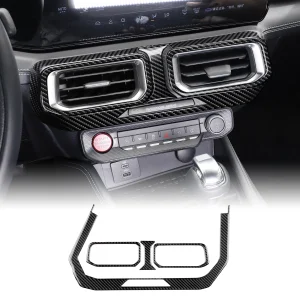
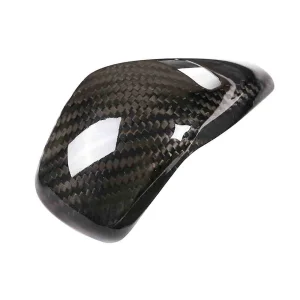
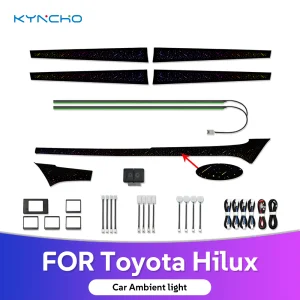
Engineered to exceed OEM expectations, integrating state-of-the-art materials with flawless surface finishes for next-generation vehicle interior structures.
Production Base
Skilled Specialists
Established Year
IATF 16949 Standard
The South Korean automotive market is globally recognized as an incubator for next-generation technology, high-end design, and electric vehicle (EV) infrastructure. Led by domestic giants like Hyundai Motor Group (including Hyundai, Kia, and Genesis), the demand for premium, lightweight, and eco-friendly interior components has escalated exponentially. South Korea's transition towards Software-Defined Vehicles (SDVs) and autonomous systems has redefined the vehicle interior. Once a functional cabin, the car interior is now an extension of the living and workspace—a "smart living room on wheels."
In Korea's domestic market, consumers exhibit extremely high expectations for cabin materials, NVH (Noise, Vibration, and Harshness) suppression, and sensory touchpoints. As electric vehicles like the Hyundai Ioniq 5, Ioniq 6, Kia EV6, and Genesis GV60 dominate production lines, weight reduction has become crucial to extend range. Manufacturers are increasingly utilizing carbon fiber composites and high-performance structural plastics to substitute heavy metal components. High-precision CNC cutting services, lightweight injection molding, and modular assemblies are the foundations of modern KDM (Korean Domestic Market) automotive manufacturing.
Globally, the automotive interior sector faces a double-sided pressure: cost optimization and sustainable manufacturing. International Tier-1 and Tier-2 suppliers are seeking manufacturing hubs that offer the agility of rapid prototyping alongside massive scale production capacity. By leveraging advanced molding engineering, digital quality verification systems, and strict material tracing (such as compliance with Korea's strict VOCs - Volatile Organic Compounds emissions guidelines), top-tier factories are bridging the gap between high-end design requirements and scalable unit economics.
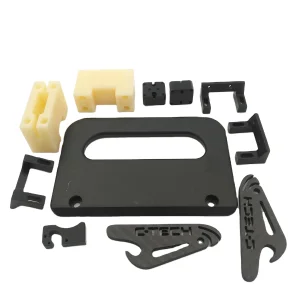
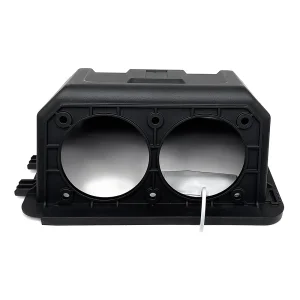
DFM-optimized molds, advanced mold flow simulation, and multi-cavity hot runner systems designed to manufacture intricate automotive panels and consoles with zero surface defects.
Utilizing high-performance engineering plastics, lightweight dry carbon fiber, and eco-friendly bio-based composites to reduce vehicle emission footprints and extend EV range.
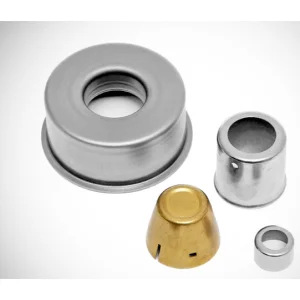
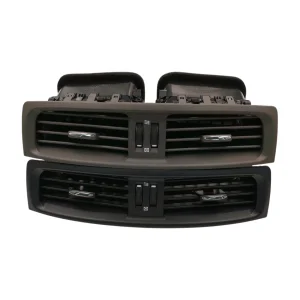
Acoustically insulated HVAC air conditioning outlets, customized ducting assemblies, and high-tolerance copper/stainless steel coolant line sleeves built for next-generation thermal management.
The roadmap for Korea's automotive interior components involves three major pillars: Sensory Quality (Haptics), Material Lightweighting, and Embedded Tech Integration. In partnership with global suppliers, South Korean automotive brands are demanding the integration of ambient lighting directly within structural door panels, lightweight carbon fiber trim accents that maintain structural integrity during impact, and precise micro-riveting systems for rapid cabin assembly. In terms of engineering, our manufacturing methodologies focus heavily on:
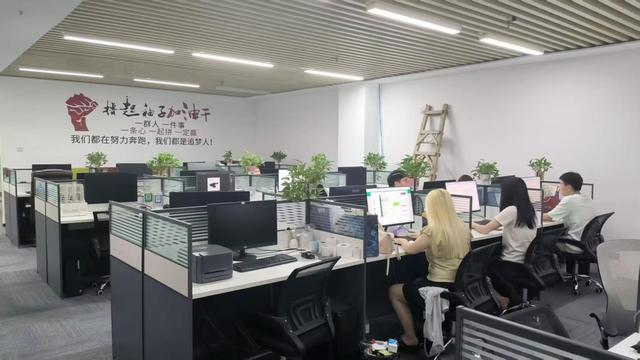
Guangzhou Mayumi Auto Co., Ltd. is a professional manufacturer specializing in automotive parts and vehicle component solutions for global OEM, aftermarket, and commercial vehicle markets. Established in 2011, the company is located in Guangzhou, Guangdong Province, one of China's major automotive manufacturing centers. Operating from a modern production facility covering 25,000 square meters and supported by a workforce of more than 280 employees, Mayumi Auto has developed comprehensive capabilities in product development, precision manufacturing, quality control, and international supply chain management.
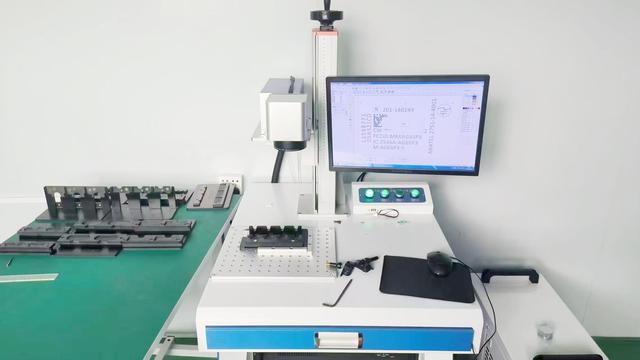
The company focuses on the production of suspension components, brake system parts, steering system components, engine-related parts, chassis assemblies, drivetrain components, and other automotive solutions designed for passenger vehicles, commercial vehicles, and specialty transportation applications. Through continuous investment in advanced machining equipment, automated production technologies, and testing systems, Mayumi Auto delivers products engineered for durability, reliability, and consistent performance.
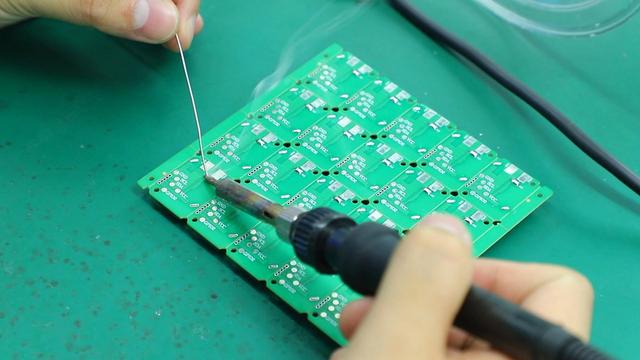
Quality assurance is integrated throughout the manufacturing process, from raw material inspection and precision machining to assembly verification and final performance testing. The company follows stringent quality management procedures to ensure products meet international industry requirements and customer specifications.
Mayumi Auto also provides flexible OEM and ODM manufacturing services, supporting customers with customized product development, private-label production, technical design optimization, and application-specific automotive solutions. Its engineering and production teams work closely with global partners to deliver efficient and scalable manufacturing support.
Today, Guangzhou Mayumi Auto Co., Ltd. exports its products to North America, Europe, South America, the Middle East, Southeast Asia, and other international markets. By combining manufacturing expertise, engineering innovation, and customer-focused service, the company continues to provide dependable automotive component solutions that support the evolving needs of the global automotive industry.
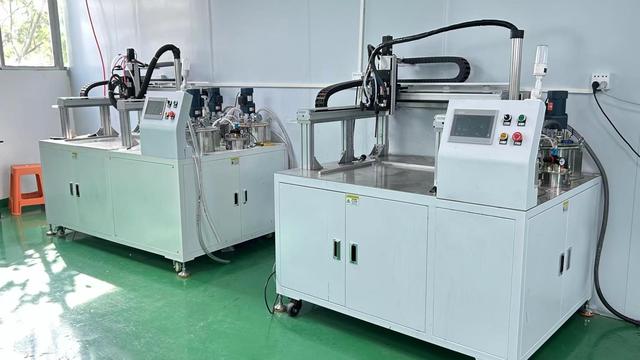
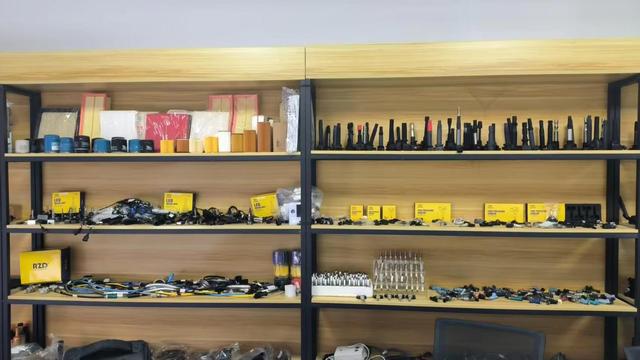
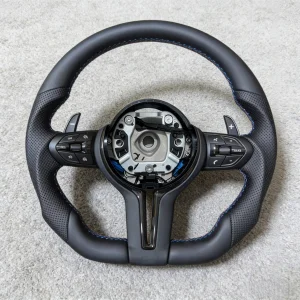
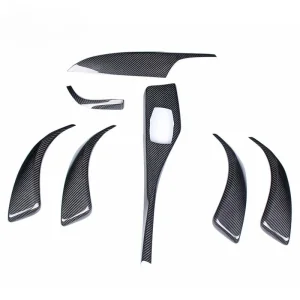
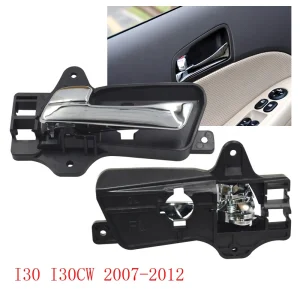
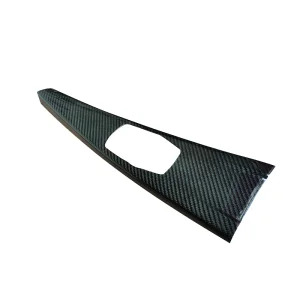
Discover our highly sought-after interior accessories and performance-grade replacements optimized for Korean-spec modifications.
Entering the Korean supply network demands compliance with rigorous localized validation protocols. Mayumi Auto tailors its processes to align seamlessly with Hyundai-Kia MS material specifications and other international automotive benchmarks. Our engineering department specializes in minimizing risk at every phase of the manufacturing process, employing a variety of specialized systems to guarantee product excellence.
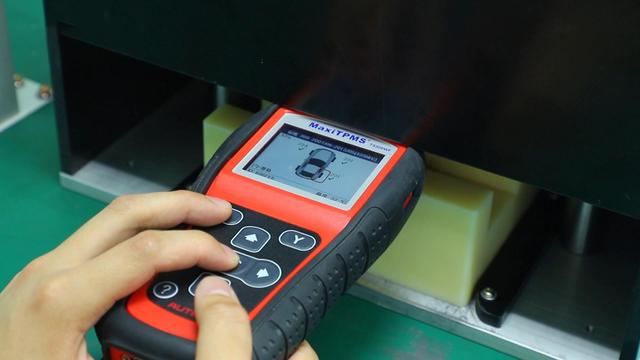
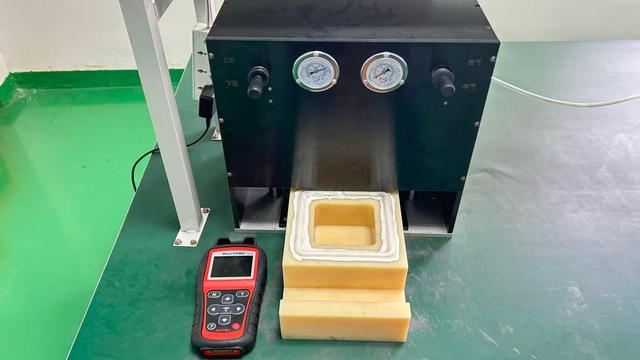
Our quality verification processes are comprehensive. We deploy strict coordinate measuring machines (CMM) to verify dimensions down to the micron. For plastic parts and injection molding, we inspect material density and test for potential stress fractures under dynamic thermal cycles, ensuring performance in extreme winter and summer conditions alike. Each custom component undergoes a rigorous structural evaluation before leaving the factory.
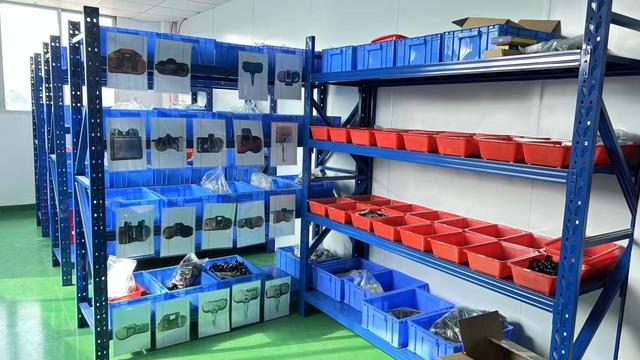
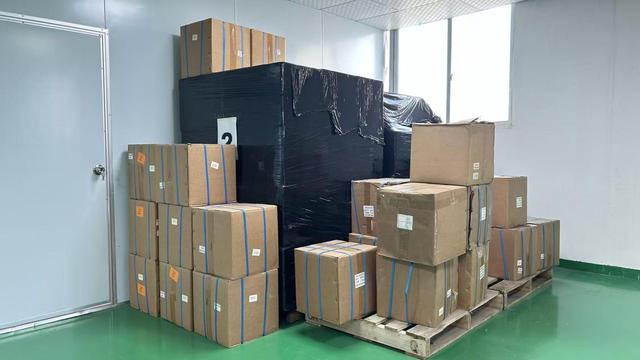
Located in the heart of Guangzhou's high-tech manufacturing sector, we maintain optimized shipping lanes directly to major Korean ports, including Incheon and Busan. We offer customs-cleared logistics documentation, matching regional packaging expectations to ensure parts arrive in perfect condition, ready for direct integration into Tier-1 assembly bays or aftermarket distribution systems.
Get in touch with our engineering team today to receive a comprehensive DFM evaluation, structural design assessment, and an optimized production quotation.
Send Inquiry Now Mayumi Auto