Mayumi Auto
Executive Summary: The Strategic Evolution of Heavy Duty Trucking in Algeria
Algeria serves as a critical economic and logistics gateway linking Southern Europe, North Africa, and sub-Saharan territories. The ongoing expansion of national transport infrastructures, including the 1,216 km East-West Highway (Autoroute Est-Ouest) and the Trans-Saharan Highway project, has established heavy-duty trucks as the lifeline of Algerian trade, commerce, and mining sectors. Consequently, the demand for high-integrity commercial vehicle aftermarket and OEM spare parts has risen exponentially. Fleet managers and heavy machinery operators face the unique challenge of maintaining operational uptime under grueling geographic and climatic conditions, ranging from Mediterranean mountainous corridors to the abrasive, extreme thermal gradients of the Sahara desert.
As a global automotive solutions manufacturer, Guangzhou Mayumi Auto Co., Ltd. presents this comprehensive technical guide to analyzing structural requirements, component engineering benchmarks, and supply chain strategies crucial to the Algerian heavy-duty truck sector.
1. The Macro-Economic and Geopolitical Landscape of Algerian Heavy Transit
The domestic heavy-duty truck logistics sector in Algeria is governed by two major factors: hydrocarbon extraction (crude oil and natural gas) in southern bases like Hassi Messaoud, and the active expansion of iron ore mining projects in Gara Djebilet. Moving massive tonnage of cargo from mineral sites and desert extraction wells to the major Mediterranean ports of Algiers, Oran, and Bejaia requires heavy-duty trailer combinations to function with absolute mechanical reliability.
In addition, regional industrial policies place a strong emphasis on reducing vehicle operating costs. Heavy duty vehicles in Algeria are subjected to high gross vehicle weight (GVW) and frequent overloading, raising the mechanical fatigue rates of suspension linkages, braking assemblies, and power transmission systems to nearly double the standard European operating baseline.
2. Harsh Environment Adaptation: Engineering for Algerian Microclimates
Developing components for the Algerian market demands specific adaptation to severe climatic stressors:
-
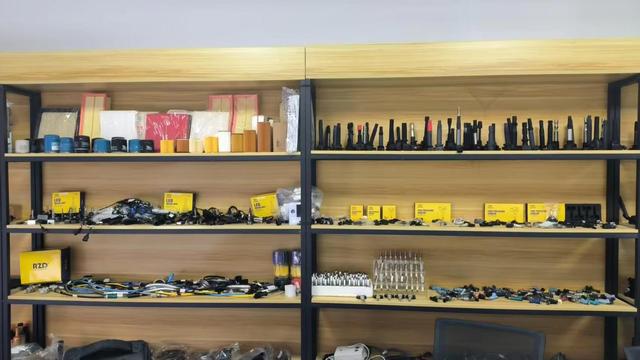
High-Efficiency Air Filtration: The Algerian Sahara brings frequent sandstorms (Sirocco winds), containing micro-abrasive silica particles. Standard filtration media plug quickly, leading to air starvation. Modern high-capacity direct-flow primary air filters (e.g., AF55015) utilizing nano-fiber synthetic blends are critical to block particles under 5 microns.
-
Thermal Management and Viscous Clutches: Ambient temperatures in central and southern Algeria routinely top 48°C. This extreme heat requires fan clutches (e.g., multi-plate bimetallic and electromagnetic fan clutches) to engage precisely when critical engine thresholds are met, preventing block warping and overheating under high load gradients.
-
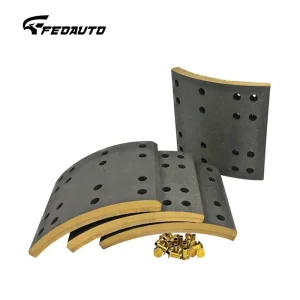
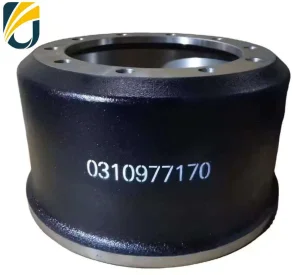
Friction Material Thermal Stability: Heavy cargo descents through the Atlas Mountains put severe demands on brake systems. Standard drums can crack under thermal shock. Brake linings must use advanced low-metallic, semi-metallic, or ceramic composite formulations to withstand continuous deceleration without experiencing friction coefficient fade.
3. Supply Chain Integrity & Chinese Factory Manufacturing Prowess
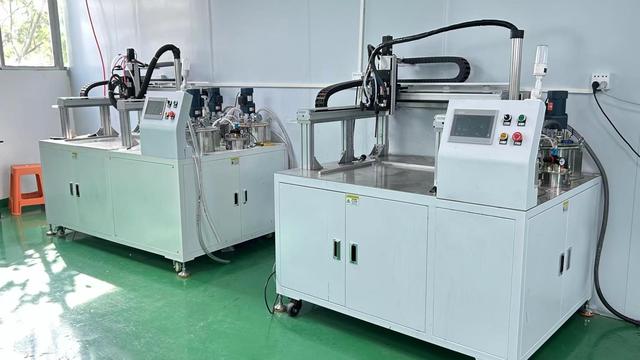
In the modern automotive component market, supply chain resilience is a key competitive differentiator. Guangzhou Mayumi Auto Co., Ltd., established in 2011, offers Algerian distributors a strong, reliable manufacturing partnership. Located in the industrial hub of Guangzhou, Guangdong Province, Mayumi operates a modern 25,000 square meter factory staffed by over 280 highly skilled technicians and quality control specialists.
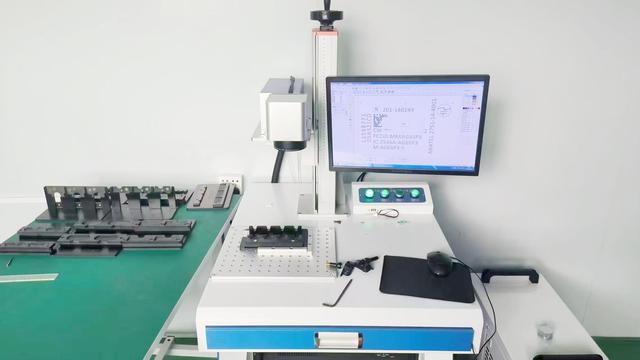
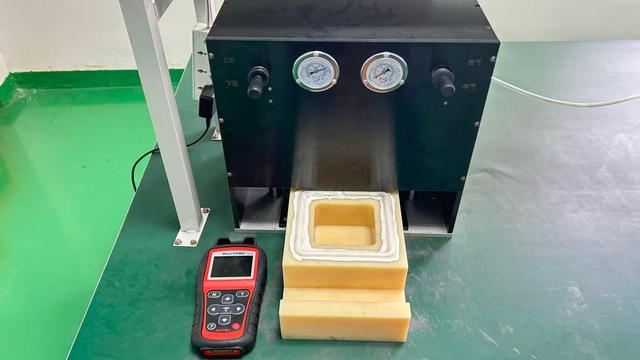
By utilizing high-level automation, computer numerical control (CNC) machining centers, and automated coordinate measuring machinery (CMM), we produce structural chassis, suspension, steering, and braking components with tight tolerances. This helps guarantee consistent product quality, lowering the total cost of ownership (TCO) for logistics companies operating in North Africa.
4. Technology Roadmap: Future Outlook for Algerian Fleet Operations
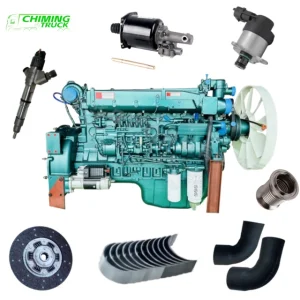
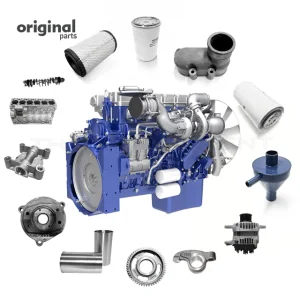
As the Algerian Ministry of Transport shifts toward cleaner technologies, heavy vehicle logistics will adapt. Fleet operations are moving toward Euro IV and Euro V emissions levels, which requires cleaner burning diesel engines (like the Sinotruk WD615.47 assembly or the Weichai WP10/WP12 series) equipped with modern common-rail fuel systems.
Additionally, predictive fleet maintenance systems are starting to be integrated. By utilizing sensors to monitor engine oil parameters, air restriction metrics, and brake wear, transport operations can schedule repairs before components fail on isolated desert corridors. This helps lower down-time and increases route efficiency.
Optimize Your Heavy Duty Logistics and Supply Network Today
Connect with Guangzhou Mayumi Auto's expert engineering team. We supply tailored OEM/ODM solutions, precise catalog cross-referencing, and specialized container consolidations for Algerian ports.
Send Inquiry Now5. Certification, Quality Assurance & Localized Compliance
Algerian customs and import regulatory authorities (Ministry of Commerce) maintain strict border control inspections. The Certificate of Conformity (Certificat de Conformité / CAC) is required for all imported automotive components.
At Guangzhou Mayumi Auto Co., Ltd., all production processes conform to ISO 9001:2015 and IATF 16949 international standards. Every export batch undergoes thorough quality testing. We provide the complete verification paperwork, technical safety sheets, and test reports needed to help expedite customs clearance at Algiers or Oran ports.