Engineered to meet the severe thermal loads, heavy cargo demands, and tropical environment requirements of the Thailand market.
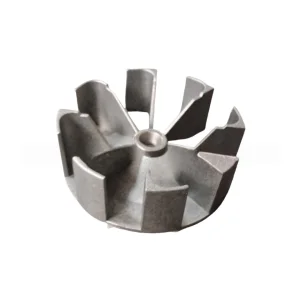
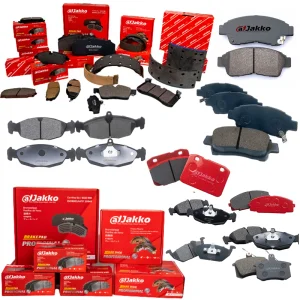
The Bangkok Metropolitan Region serves as the beating heart of Southeast Asia's automotive sector, often referred to as the "Detroit of the East". With heavy industrial concentrations in provinces such as Samut Prakan, Chonburi, Rayong, and Chachoengsao, the area is crucial to regional vehicle assembly and supply chains. Within this dynamic framework, the demand for high-reliability brake system parts is growing due to several key trends: industrial modernization, regional urbanization, and expanding logistics corridors.
Thailand's Eastern Economic Corridor (EEC) has accelerated the growth of commercial freight transport, establishing Bangkok as a key logistical nexus connecting Laos, Cambodia, Malaysia, and Myanmar. This heavy reliance on medium-to-heavy transport requires braking components that can withstand demanding conditions, including high humidity and stop-and-go driving profiles typical of metropolitan transit zones.
Moreover, local automotive distributors, fleet managers, and industrial OEMs are increasingly seeking direct manufacturing partnerships to secure consistent product quality, clear technical specifications, and stable pricing structures that bypass intermediate distribution markups.
Operating a vehicle or heavy machinery in Bangkok presents specific mechanical challenges. Our engineered brake parts are designed for these conditions:
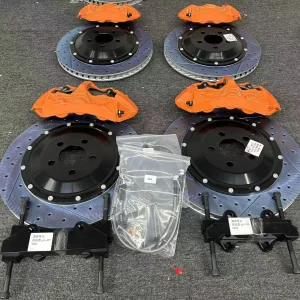
OEM-spec performance components designed for premium passenger vehicles, specialized fleets, and customized transport applications in Thailand.
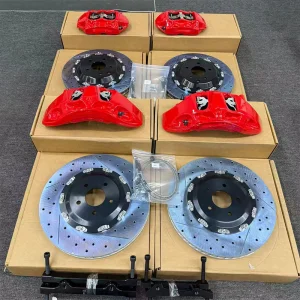
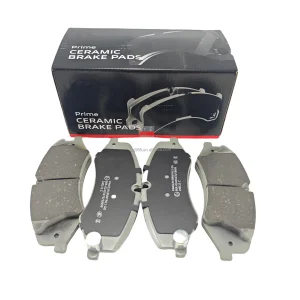
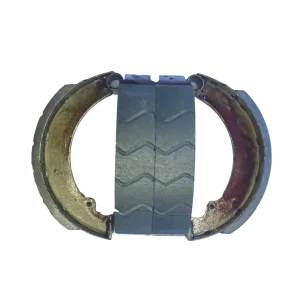
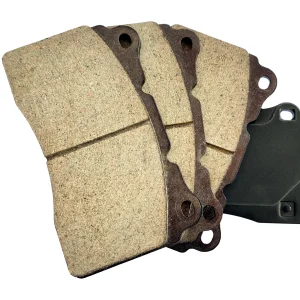
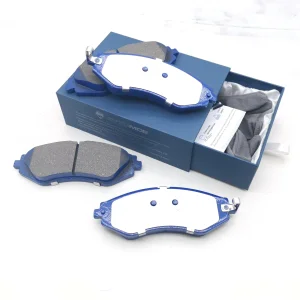
Effective braking requires selecting friction material formulations tailored to the vehicle's design and operating environment. For the humid, high-temperature conditions in Bangkok, choosing the right material is essential to avoid common issues like high wear rates, pedal pulsation, and brake squeal.
| Material Formulation | Thermal Threshold | Dust Emission Rate | Ideal Application Scenario |
|---|---|---|---|
| Advanced Ceramic Compounds | Up to 650°C | Very Low | Premium commuter sedans, luxury SUVs, and urban stop-and-go driving. |
| Low-Metallic NAO Formulations | Up to 700°C | Moderate | High-performance European platforms requiring high initial bite. |
| Heavy-Duty Semi-Metallic | Up to 800°C | High | Commercial trucks, logistics trailers, and transport pick-up fleets. |
Brake fade occurs when the kinetic energy of a decelerating vehicle exceeds the thermal dissipation limits of the rotor and friction pad. In tropical climates like Thailand, ambient air temperatures of 35°C reduce convective cooling efficiency. This makes proper rotor venting and balanced chemical bonding agents critical for preserving pad integrity.
Every brake pad, rotor, and caliper assembly manufactured for international export undergoes a multi-stage quality control process designed to verify its structural integrity and functional performance:
The China-Thailand logistics corridor provides significant advantages for commercial auto parts supply chains. Through the Regional Comprehensive Economic Partnership (RCEP), imports of brake discs, pads, and related assemblies from Chinese production hubs to the Bangkok Metropolitan Area are subject to reduced or zero-tariff structures when documented with a Form E certificate of origin.
This regulatory integration, combined with optimized logistics routing, enables rapid order processing. Transit times from major southern Chinese ports (like Nansha or Shenzhen) to Thailand’s primary deep-water port at Laem Chabang generally range from five to seven days. This allows Bangkok-based distributors to maintain efficient, low-inventory supply models.
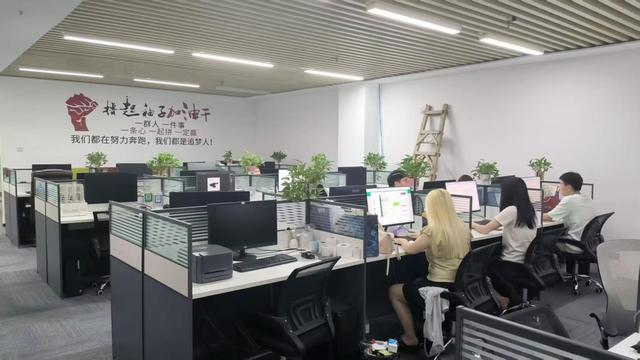
Since our establishment in 2011, Mayumi Auto has grown to operate a modern 25,000-square-meter facility staffed by 280+ industry specialists. This capacity allows us to manufacture complex suspension, steering, and braking components, offering dependable OEM and ODM support for global customers.
The automotive market is transitioning toward cleaner propulsion systems and smarter vehicle integration. This shift directly influences brake system design:
Guangzhou Mayumi Auto Co., Ltd. is a professional manufacturer specializing in automotive parts and vehicle component solutions for global OEM, aftermarket, and commercial vehicle markets. Established in 2011, the company is located in Guangzhou, Guangdong Province, one of China's major automotive manufacturing centers. Operating from a modern production facility covering 25,000 square meters and supported by a workforce of more than 280 employees, Mayumi Auto has developed comprehensive capabilities in product development, precision manufacturing, quality control, and international supply chain management.
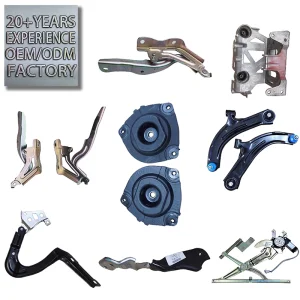
The company focuses on the production of suspension components, brake system parts, steering system components, engine-related parts, chassis assemblies, drivetrain components, and other automotive solutions designed for passenger vehicles, commercial vehicles, and specialty transportation applications. Through continuous investment in advanced machining equipment, automated production technologies, and testing systems, Mayumi Auto delivers products engineered for durability, reliability, and consistent performance.
Quality assurance is integrated throughout the manufacturing process, from raw material inspection and precision machining to assembly verification and final performance testing. The company follows stringent quality management procedures to ensure products meet international industry requirements and customer specifications.
Mayumi Auto also provides flexible OEM and ODM manufacturing services, supporting customers with customized product development, private-label production, technical design optimization, and application-specific automotive solutions. Its engineering and production teams work closely with global partners to deliver efficient and scalable manufacturing support.
Today, Guangzhou Mayumi Auto Co., Ltd. exports its products to North America, Europe, South America, the Middle East, Southeast Asia, and other international markets. By combining manufacturing expertise, engineering innovation, and customer-focused service, the company continues to provide dependable automotive component solutions that support the evolving needs of the global automotive industry.
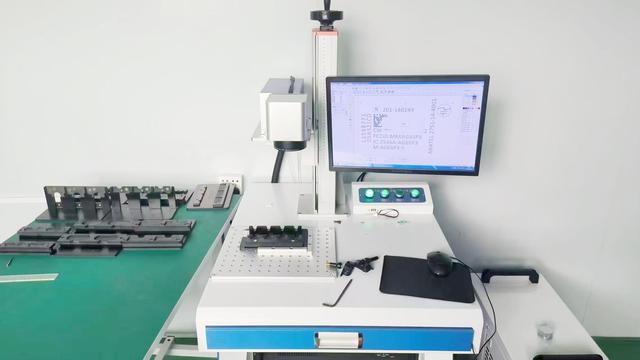
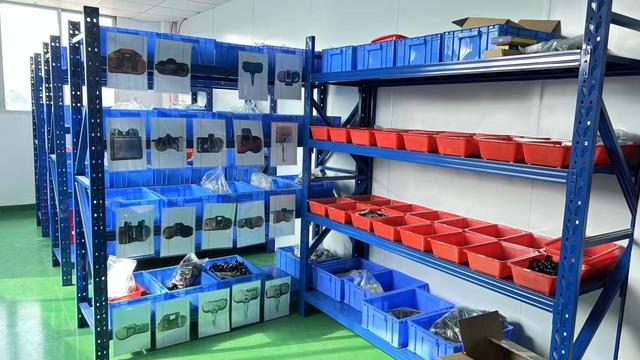
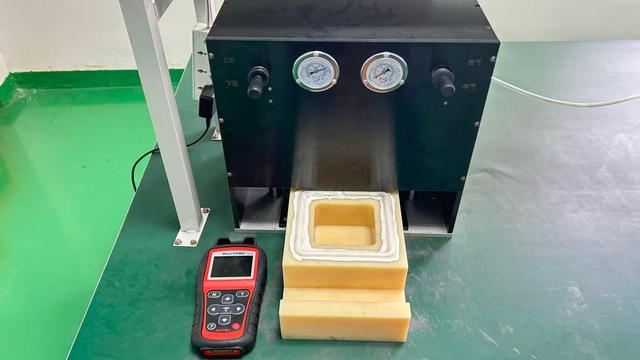
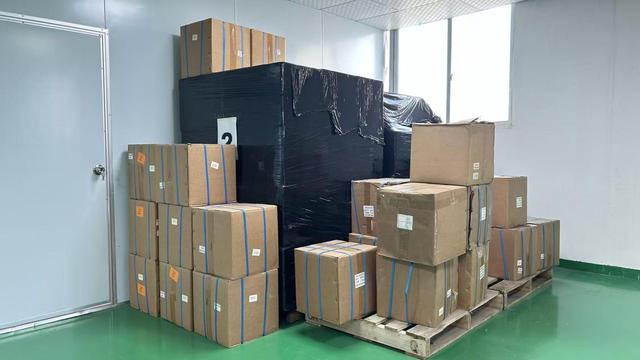
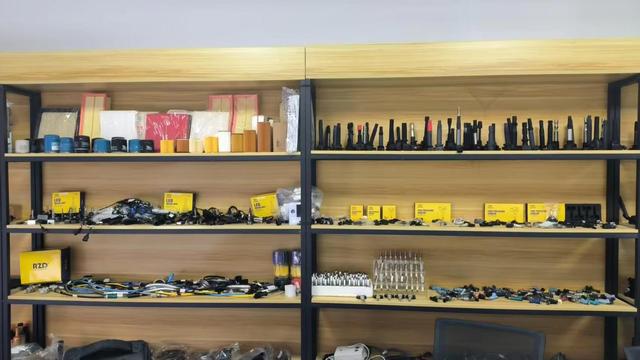
A transparent look inside our modern manufacturing workshops, showing our casting, machining, assembly, and quality verification facilities.
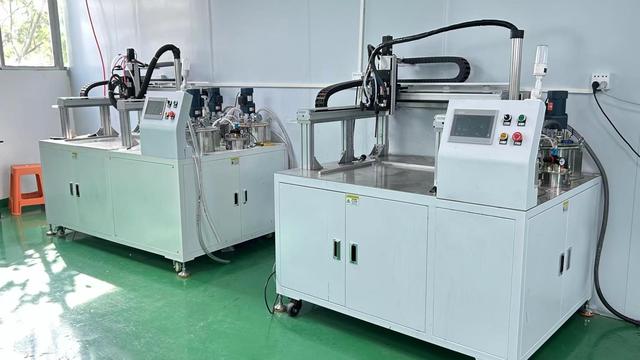
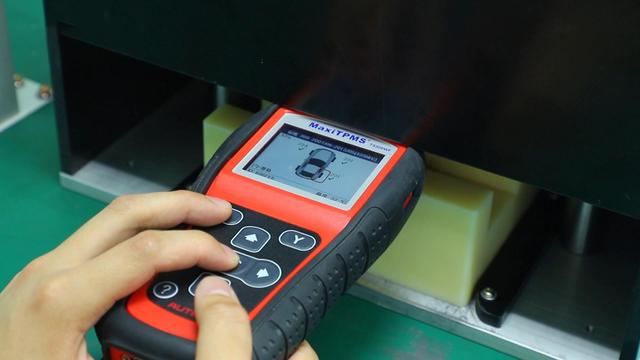
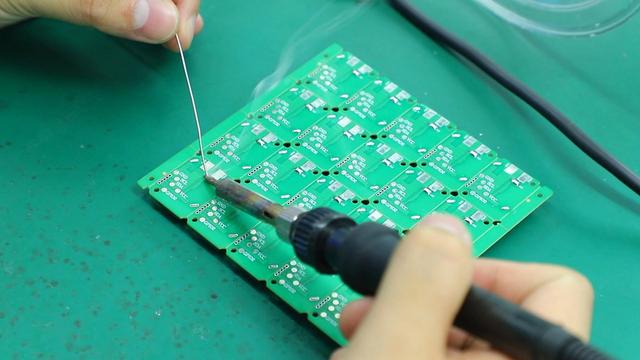
We address common questions from procurement managers, engineering leads, and import agents looking to source automotive brake components for the Thai market.
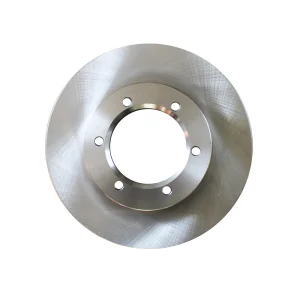
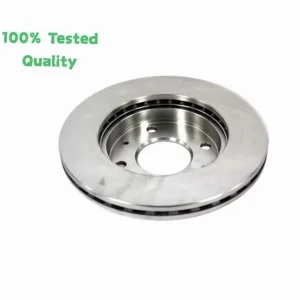
Bangkok's combination of high humidity (averaging 70-85%) and high ambient temperatures increases the risk of surface corrosion and thermal fatigue. Without proper ventilation and quality casting, rotor warping or surface cracking can occur during heavy brake cycles. Our brake discs use high-carbon GG25 gray iron and anti-corrosion coatings to help maintain structural stability and performance under these conditions.
Our manufacturing and testing protocols align with major global quality systems, including ISO 9001 and the automotive-specific IATF 16949 standards. For shipments targeting the Thai domestic market, we verify that our products are compatible with the performance requirements set by the Thai Industrial Standards Institute (TISI).
Most bulk freight shipments originate from our factory near Guangzhou and route via sea container from Nansha or Shenzhen to the Laem Chabang Port in Thailand. This transit route typically takes 5 to 7 days. Under the RCEP agreement, clients can utilize Form E certificates to import qualifying automotive parts with low or zero customs duties.
Yes. Guangzhou Mayumi Auto provides comprehensive OEM and ODM support. This includes customized packaging layouts, custom brand labels on backing plates, specialized material engineering (such as ceramic formulations for quiet operation), and custom dimension requests for vintage or performance applications.
MOQ limits vary by part category. Standard passenger brake discs and pads typically require an order size of 100 to 200 units per model. For complex, specialized components or custom performance caliper upgrades, we can adjust these requirements to accommodate initial pilot programs and validation tests.
Have custom requirements or need a prompt wholesale quote?
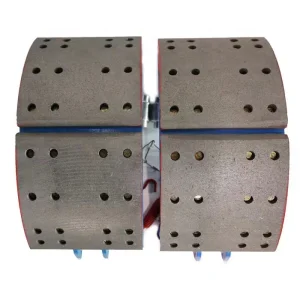
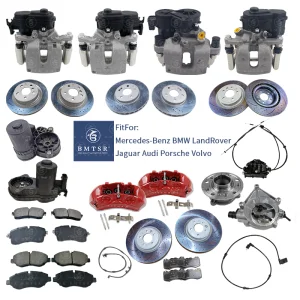
Send Inquiry NowA full range of brake pads, brake shoes, repair kits, disc rotors, and customized fabrication services compatible with global and regional platforms.
 Mayumi Auto