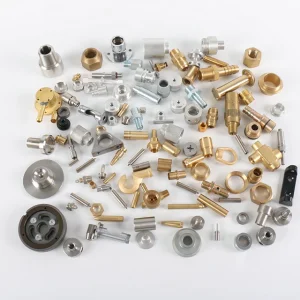
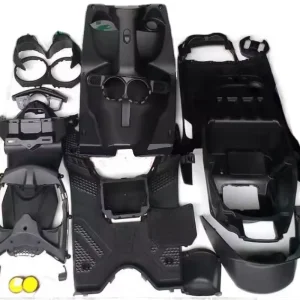
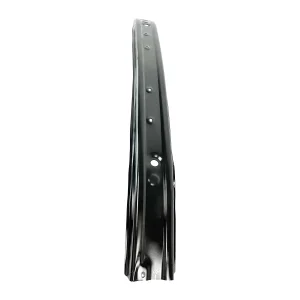
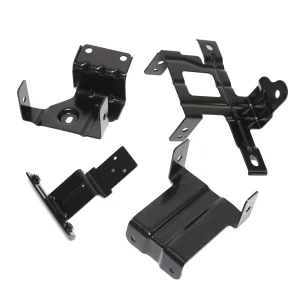
Highly engineered structural assemblies custom-manufactured to meet the rigorous environmental standards of the Nordic region.
Norway represents a unique market in the global automotive and industrial sectors. Blessed with vast maritime resources and a pioneer in clean energy, Norway's local industrial activities are concentrated heavily on offshore maritime operations, heavy transport logistics, and a highly progressive electric vehicle (EV) sector. Norway boasts the highest per capita EV adoption rate in the world, transforming it into a living laboratory for advanced, lightweight automotive designs. However, this shift places extraordinary engineering demands on automotive body and exterior components.
The geographic conditions of Norway present a brutal environment for metal, rubber, and plastic structures. Winters characterized by sub-zero temperatures, dense ice, and extensive road-salting regimens require body panels and structural frames to exhibit extreme resistance to galvanic and environmental corrosion. Additionally, the coastal maritime spray, laden with chlorides, accelerates the degradation of low-grade alloys. Manufacturers targeting the Norwegian market cannot rely on standard specifications; they must employ state-of-the-art coatings, custom EPDM compounds, and grade-A anodized aluminum to survive these severe operating environments.
Cold weather naturally reduces EV battery efficiency. To mitigate this range degradation, Scandinavian automotive designers place high importance on structural mass reduction. Exterior structures—such as body panels, chassis components, and roof rails—are increasingly transitioned from traditional heavy steel configurations to high-strength, lightweight materials like AL6061/AL6063 aluminum and carbon fiber composites. Reducing dead weight directly offsets the thermodynamic losses of battery packs in winter conditions, rendering precision-machined aluminum extrusions a critical component of Norway's electric vehicle ecosystem.
Understanding the transition from single-material components to multi-material hybrid integrations across the international automotive arena.
The global automotive supply chain is undergoing a fundamental shift toward multi-material integration. High-pressure die casting, advanced polymer injection molding with integrated metal inserts, and the application of carbon-fiber-reinforced polymers (CFRP) are replacing unified steel stampings. By joining disparate materials at the molecular or mechanical level, engineers achieve localized properties: flexibility where energy absorption is needed, rigidity for structural passenger cells, and lightweight durability for exterior aerodynamic skins.
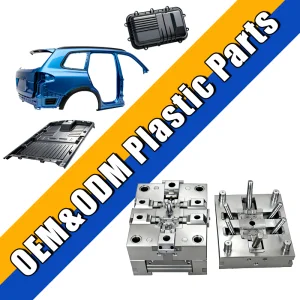
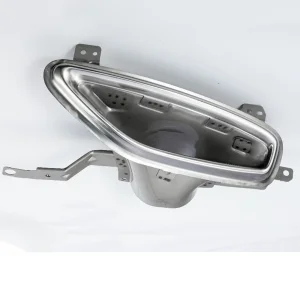
This design paradigm is further accelerated by the rise of "smart skin" technologies. Exterior bumpers and grilles are no longer simple plastic shields; they now house complex ADAS sensors, radar elements, and lidar lenses. This integration demands extreme precision in injection molding. Materials must possess controlled electromagnetic transparency, low signal attenuation, and dimensional stability under thermal cycling between -40°C and +80°C. Standard off-the-shelf polymers fail to meet these parameters, mandating custom compounding and precise process control during the injection cycle.
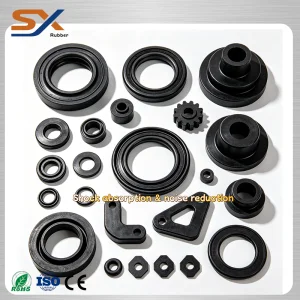
Concurrently, sealing technology has evolved. EPDM rubber parts are now co-extruded with multiple density profiles and finished with specialized coatings to minimize friction, eliminate cabin noise, and resist environmental degradation. These global trends force B2B buyers to seek manufacturing partners capable of handling complex hybrid materials, advanced metallurgy, and precision-engineered polymer formulas under one roof.
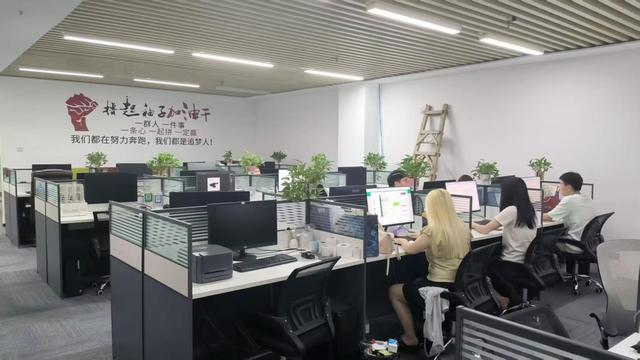
Guangzhou Mayumi Auto Co., Ltd. is a professional manufacturer specializing in automotive parts and vehicle component solutions for global OEM, aftermarket, and commercial vehicle markets. Established in 2011, the company is located in Guangzhou, Guangdong Province, one of China's major automotive manufacturing centers. Operating from a modern production facility covering 25,000 square meters and supported by a workforce of more than 280 employees, Mayumi Auto has developed comprehensive capabilities in product development, precision manufacturing, quality control, and international supply chain management.
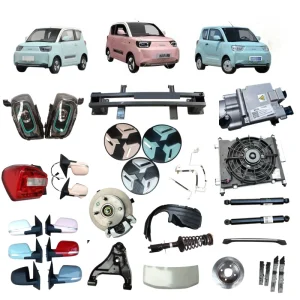
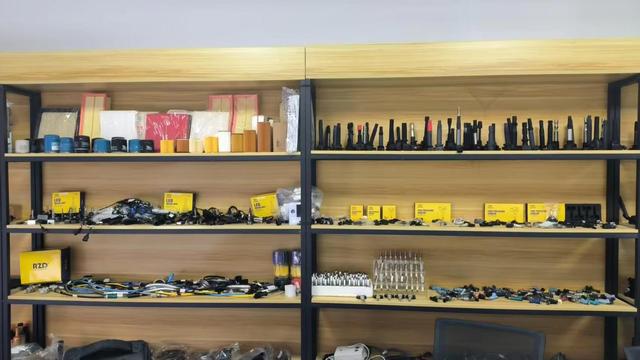
The company focuses on the production of suspension components, brake system parts, steering system components, engine-related parts, chassis assemblies, drivetrain components, and other automotive solutions designed for passenger vehicles, commercial vehicles, and specialty transportation applications. Through continuous investment in advanced machining equipment, automated production technologies, and testing systems, Mayumi Auto delivers products engineered for durability, reliability, and consistent performance.
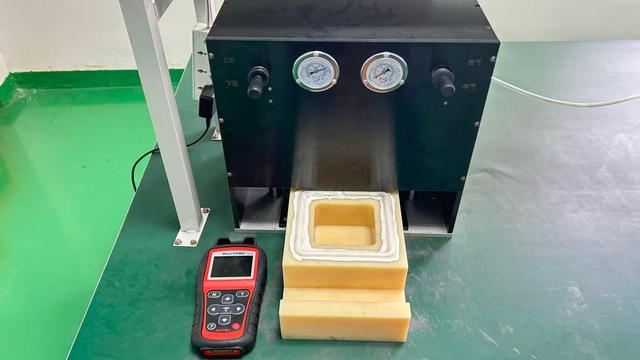
Quality assurance is integrated throughout the manufacturing process, from raw material inspection and precision machining to assembly verification and final performance testing. The company follows stringent quality management procedures to ensure products meet international industry requirements and customer specifications.
Mayumi Auto also provides flexible OEM and ODM manufacturing services, supporting customers with customized product development, private-label production, technical design optimization, and application-specific automotive solutions. Its engineering and production teams work closely with global partners to deliver efficient and scalable manufacturing support.
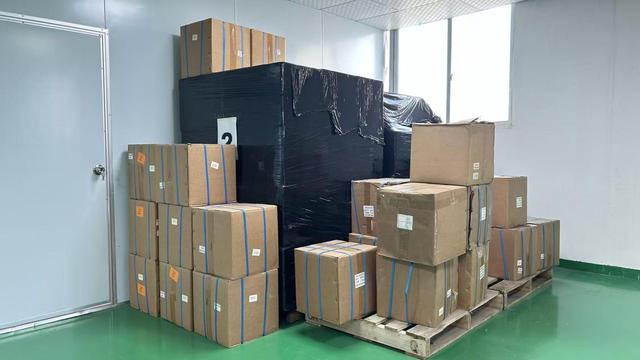
Today, Guangzhou Mayumi Auto Co., Ltd. exports its products to North America, Europe, South America, the Middle East, Southeast Asia, and other international markets. By combining manufacturing expertise, engineering innovation, and customer-focused service, the company continues to provide dependable automotive component solutions that support the evolving needs of the global automotive industry.
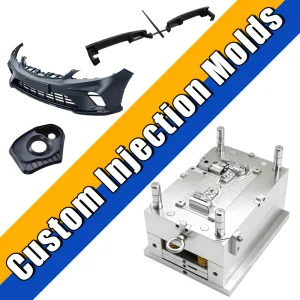
Why do leading Norwegian logistics fleets, aftermarket brands, and niche EV builders source exterior and structural parts from Guangzhou, China? The answer lies in the unrivaled cluster efficiency of the Guangzhou automotive industry zone. By utilizing an integrated ecosystem, Mayumi Auto is able to compress the tooling development cycle for custom injection molds and sheet metal stamping dies by up to 50% compared to domestic Scandinavian alternatives.
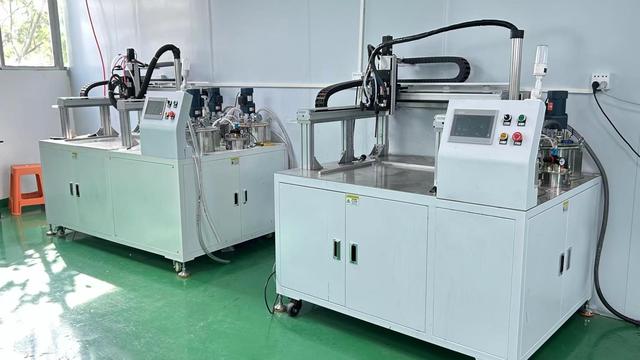
Additionally, our high-volume raw material procurement agreements for aviation-grade aluminum (AL6061/AL6063) and engineered EPDM polymers keep cost basis low without compromising metallurgical purity. This cost advantage, coupled with advanced 5-axis CNC machining centers and high-tonnage stamping presses, enables Norwegian importers to realize significant cost efficiency while obtaining parts that conform to stringent European crash-test and environmental regulations.
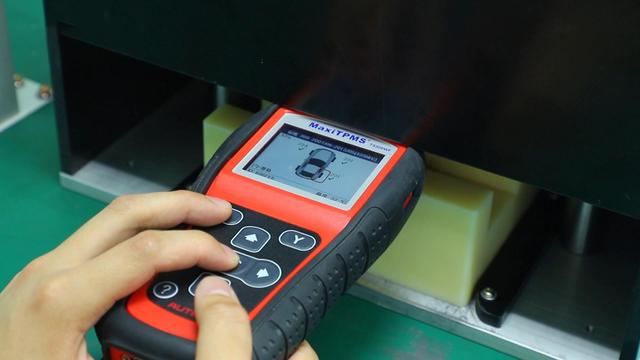
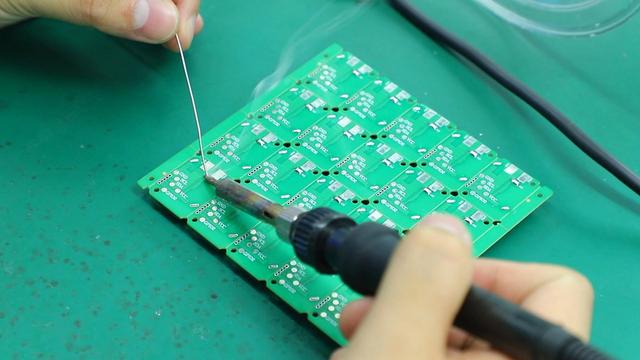
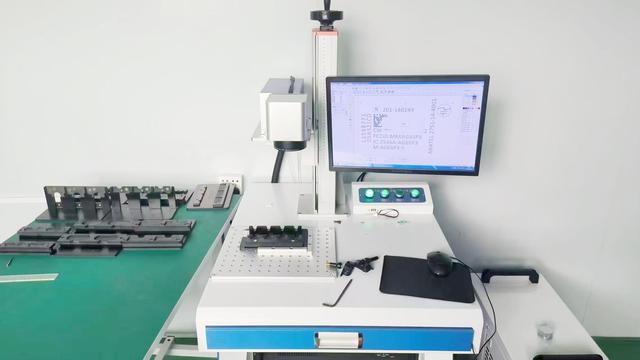
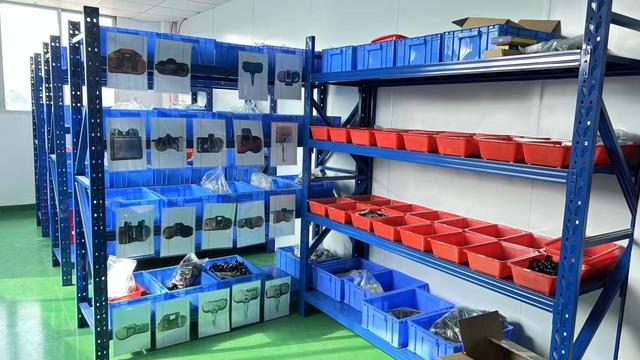
From electric off-road styling to rugged mining excavators in the Western fjords, our exterior parts are engineered for performance.
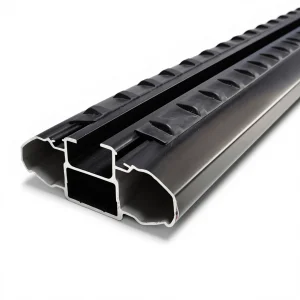
Urban centers like Oslo and Bergen require aerodynamic exterior components to maximize range. Our lightweight aluminum roof rails (AL6061) and integrated bumper panels support these requirements. They provide low air resistance and reliable operation, resisting both high UV exposure during the long Nordic summer days and salt mist during heavy coastal winter storms.
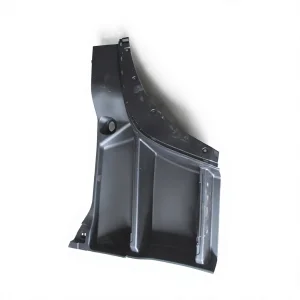
Commercial trucks operating along the E6 and through the Arctic Circle face constant impact from gravel, flying ice chunks, and asphalt debris. Replacement body components like our heavy-duty fenders (such as Sinotruk-grade options) are molded and coated with high impact-resistance polymers and powder finishes, preventing structural cracks under extreme sub-zero fatigue.
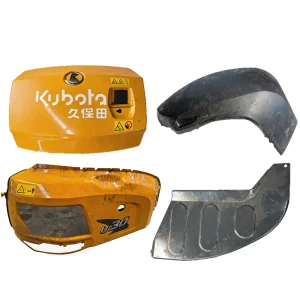
Excavators operating in fjord-adjacent construction zones require robust panels and protective structures. Our replacement steel panels for earthmovers (e.g., Kubota systems) undergo specialized electrophoretic paint deposition (e-coat) processing to guarantee years of reliable operation under high moisture levels.
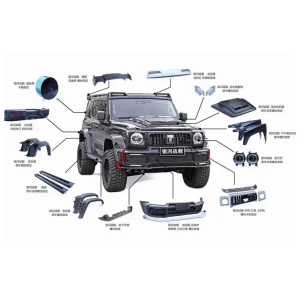
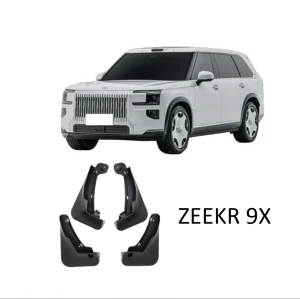
The Norwegian culture of "Friluftsliv" (outdoor life) drives demand for rugged SUV exterior accessories, including modular roof racks, utility ladders, and styling kits. These must be capable of carrying heavy cargo boxes, skis, and kayaks while sustaining freezing high-speed wind resistance on mountain highways.
Browse our selection of specialized exterior replacement components and customized engineering assemblies.
How advanced chemical compositions and metallurgical control prevent premature failure under extreme sub-zero stress cycles.
Designing components for northern latitudes requires an understanding of structural physics under low temperatures. Standard carbon steel components undergo a ductile-to-brittle transition when exposed to prolonged temperatures below -20°C. This makes them susceptible to fracture upon sudden impacts, such as road debris collisions. To address this challenge, Mayumi Auto implements strict quality control and customized material formulations for components heading to Scandinavia.
Typical rubber seals harden, crack, and lose their sealing force under extreme cold. Our EPDM rubber components are compounded with specialized paraffinic oils and customized curing agents. This preserves their 60A durometer elasticity down to -50°C, ensuring headlamps and doors remain sealed against moisture intrusion.
For structural and styling components, we employ high-purity aluminum profiles. These profiles undergo precise T6 heat treatment processes to optimize tensile and yield strength. A thick, clear anodized layer prevents surface pitting and white rust formation caused by salt spray along the Atlantic road networks.
Crucial procurement answers for Scandinavian supply chain managers, engineering leads, and automotive distribution networks.
 Mayumi Auto