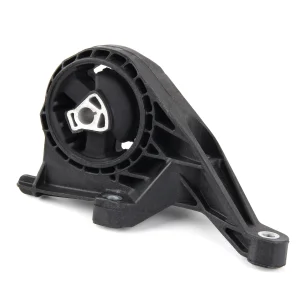
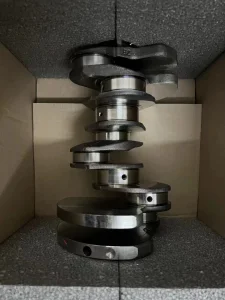
The global automotive suspension ecosystem is undergoing a dramatic structural transformation. As vehicles transition toward electrification and autonomous driving configurations, the demands placed on mechanical and active damping platforms have scaled exponentially. China has solidified its position as the premier manufacturing and development corridor for automotive shock absorbers, catering to both the high-volume aftermarket and complex Original Equipment Manufacturer (OEM) supply chains.
Leading manufacturers, such as Guangzhou Mayumi Auto Co., Ltd., showcase how localized manufacturing clusters in Guangdong Province combine raw material access, precision machining, and advanced quality assurance protocols to deliver global-standard chassis and suspension components. By leveraging advanced automation and strict adherence to global certification frameworks (such as IATF 16949), Chinese factories now supply critical ride control systems that balance mechanical longevity with exceptional ride comfort.
The global shock absorber market size is projected to reach several billion dollars by 2030, driven by the expansion of logistics infrastructure, urban passenger networks, and the relentless growth of the global automotive fleet. Shock absorbers (dampers) are safety-critical elements that ensure tire-to-road contact, steering control, and passenger isolation from dynamic surface disturbances.
In North America and Europe, the demand for replacement dampers is rising due to the increasing average age of passenger vehicles on the road. In contrast, emerging markets in Southeast Asia and South America require rugged, cost-effective suspension configurations tailored to variable road infrastructure. Chinese factories are uniquely positioned to address these bifurcated market demands. They offer customizable valving profiles, optimized piston rods, and specialized seal configurations capable of operating under extreme temperatures (-40°C to +120°C).
To make informed procurement decisions, global sourcing managers must analyze the primary mechanical architectures utilized by top manufacturers:
The standard design for modern passenger cars. It features an inner working cylinder and an outer fluid reservoir. Provides smooth response characteristics and is highly cost-effective for high-volume aftermarket lines.
Favored in premium performance and heavy-duty utility segments. Separates gas and hydraulic fluid via a floating piston. Offers superior cooling, eliminates aeration/foaming, and operates reliably under continuous high-frequency inputs.
Utilizes electromagnetic valves or magnetorheological fluid to dynamically alter damping rates in real-time. This system coordinates with vehicle ADAS units to optimize control during roll, pitch, and yaw transitions.
Leading factories rely on premium bill-of-materials (BOM) components to ensure these architectures perform reliably. Crucial materials include:
Operational excellence is directly linked to a manufacturer's production infrastructure. A prime example is Guangzhou Mayumi Auto Co., Ltd., an industry leader that has developed integrated manufacturing and validation services.
Established in 2011 and based in Guangzhou, Guangdong Province—a leading automotive manufacturing cluster in China—Mayumi Auto operates a modern production facility spanning 25,000 square meters. Backed by a workforce of more than 280 employees, the company manages complete operations from raw material preparation to precision machining, robotized welding, and automated packaging.
The company specializes in producing high-quality suspension components, brake system parts, steering system components, engine-related parts, chassis assemblies, and drivetrain components. Mayumi Auto serves global OEM, aftermarket, and commercial vehicle markets with flexible, high-precision engineering.
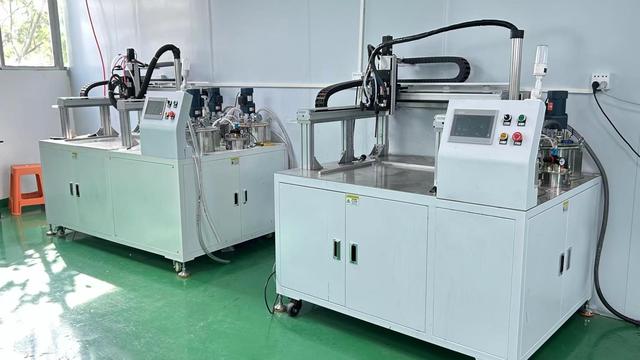
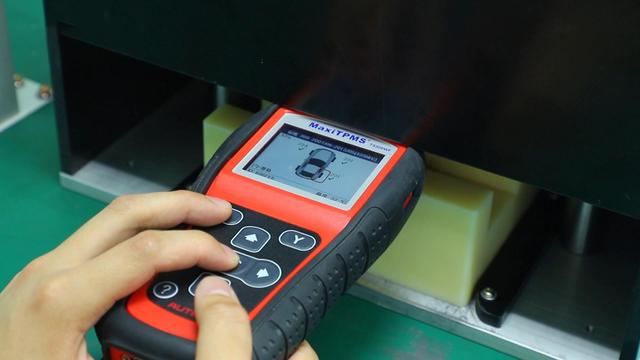
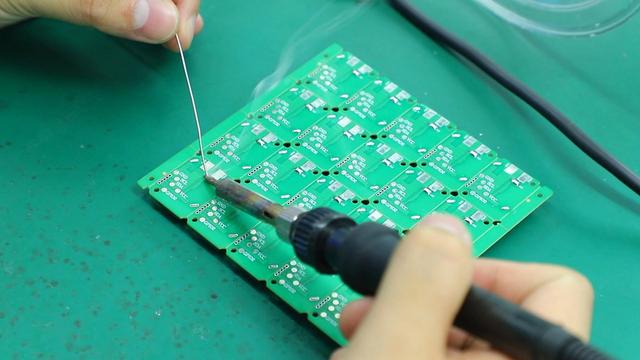
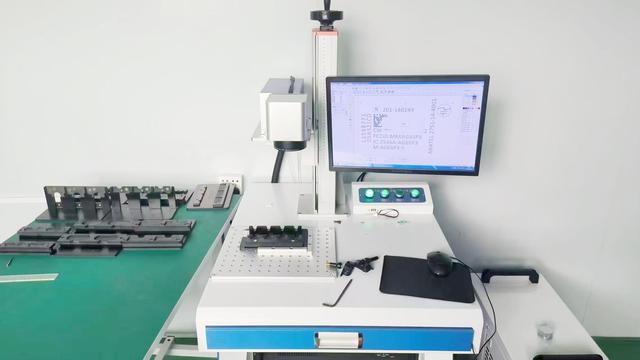
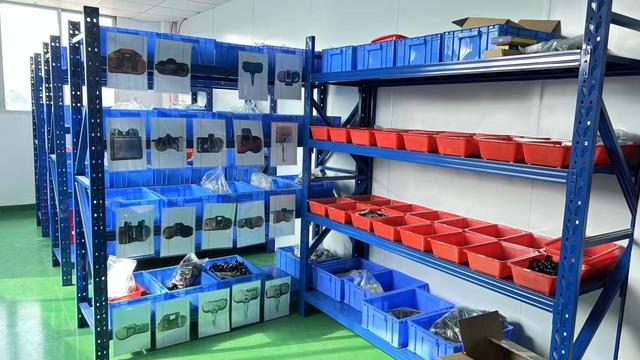
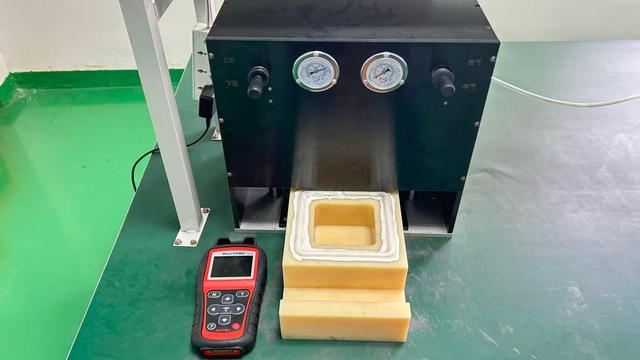

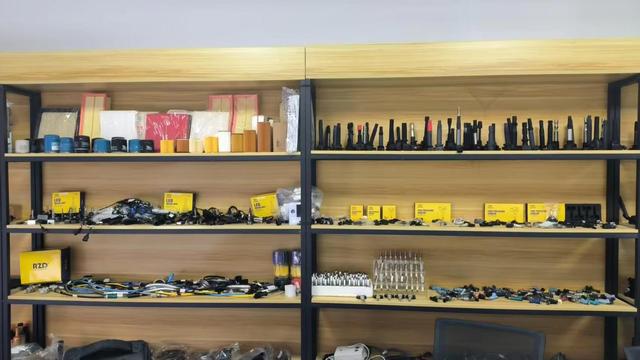
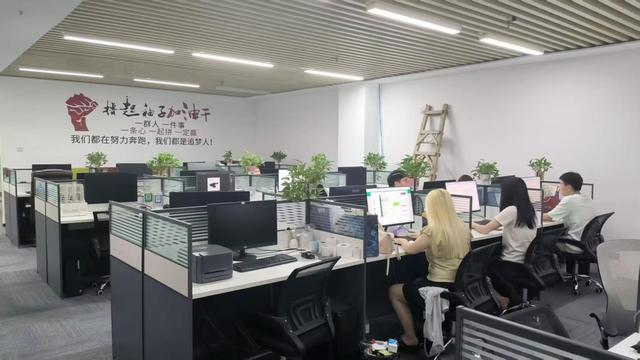
To ensure stability under extreme operating conditions, Mayumi Auto relies on rigorous testing protocols throughout production:
Procurement professionals sourcing from Chinese factories must evaluate end-to-end supply chain integration. The modern sourcing model relies on structured quality gates and robust logistics planning:
A reliable supplier must interpret complex dynamic performance specifications. They should offer custom valving profiles, vehicle-specific spring rates, and custom mounting points to match specialized vehicle designs.
Export components must be secured against moisture and mechanical damage during long transit times. Top exporters use VCI (Volatile Corrosion Inhibitor) packaging, heavy-duty double-wall cartons, and fumigated pallets.
Exporters must maintain strict quality certifications. Look for factories with active IATF 16949 quality management credentials and ISO 9001 certifications to guarantee consistent, high-standard production.
 Mayumi Auto