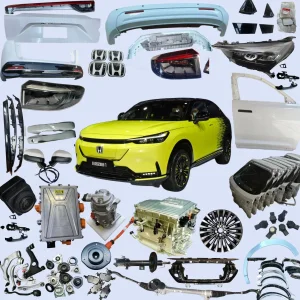
The international motorcycle parts and automotive components industries are undergoing a massive technological convergence. As urban populations surge and the demand for micro-mobility solutions accelerates, motorcycle parts manufacturers are shifting from legacy mechanical fabrication to smart, high-precision engineering. Globally, China stands as the powerhouse of this ecosystem, accounting for over 50% of the world's primary motorcycle and automotive parts exports. Today, the industrial status of this sector is defined by strict quality systems, high-integrity raw materials, and advanced supply chains that satisfy both High-Value OEMs and demanding aftermarket channels.
Through integrated metallurgy, advanced casting, and electronic integrations, modern Chinese factories are no longer merely low-cost casting shops. Instead, they act as end-to-end engineering partners capable of taking 3D models and performing raw material testing, stress analysis, precision tooling, and multi-axis CNC machining. With strict compliance and green manufacturing directives, these factories have upgraded their facility operations to meet IATF 16949 standards, putting them on par with top European and Japanese component houses.
Guangzhou Mayumi Auto Co., Ltd. is a professional manufacturer specializing in automotive parts and vehicle component solutions for global OEM, aftermarket, and commercial vehicle markets. Established in 2011, the company is located in Guangzhou, Guangdong Province, one of China's major automotive manufacturing centers. Operating from a modern production facility covering 25,000 square meters and supported by a workforce of more than 280 employees, Mayumi Auto has developed comprehensive capabilities in product development, precision manufacturing, quality control, and international supply chain management.
The company focuses on the production of suspension components, brake system parts, steering system components, engine-related parts, chassis assemblies, drivetrain components, and other automotive solutions designed for passenger vehicles, commercial vehicles, and specialty transportation applications. Through continuous investment in advanced machining equipment, automated production technologies, and testing systems, Mayumi Auto delivers products engineered for durability, reliability, and consistent performance.
Quality assurance is integrated throughout the manufacturing process, from raw material inspection and precision machining to assembly verification and final performance testing. The company follows stringent quality management procedures to ensure products meet international industry requirements and customer specifications. Supporting this is a highly versatile OEM and ODM infrastructure, allowing global partners to acquire tailor-made, private-labeled engineering solutions matching exact specifications.
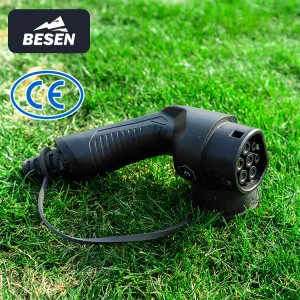
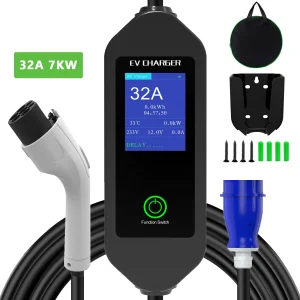
The transition to electric powertrains demands high-amp charging structures, rugged IP66 connectors, and optimized heat dissipation architectures for both vehicles and advanced performance two-wheelers.
Replacing heavy iron castings with aerospace-grade aluminum alloys, structural stampings, and polymer composites to lower carbon emissions and improve battery range.
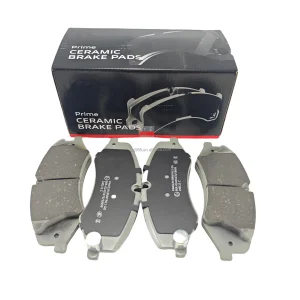
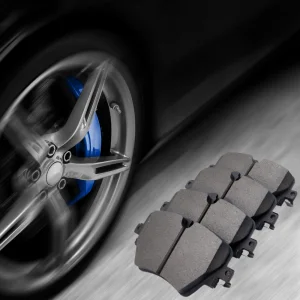
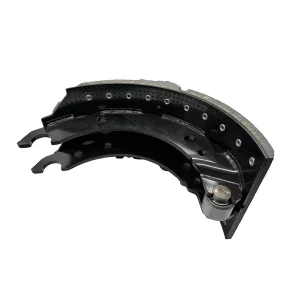
Engineering brake pads and suspension mounts to significantly minimize Noise, Vibration, and Harshness (NVH) using semi-metallic compositions and dynamic shock absorption pads.
Modern commercial fleets and high-performance two-wheelers operate under extreme thermal and mechanical stresses. Therefore, the production roadmap focuses on three technological pillars:
Every batch of raw steel, aluminum, or friction material undergoes thermodynamic analysis and chemical spectrometer verification. This guarantees that elements like steering knuckles, brake shoes, and engine valves show no internal voiding or crystal micro-cracks under load.
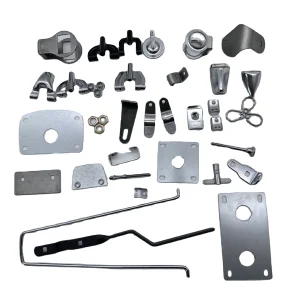
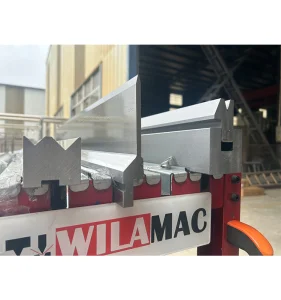
Implementing multi-station progressive stamping tools (such as Amada tooling systems) and robotic metal stamping ensures tight geometric tolerances (within ±0.01mm). This level of precision is vital for components that must function reliably at high speeds.
To combat harsh climate factors, components are treated with electrophoresis, zinc plating, or electrostatic powder coatings. This creates a powerful layer of corrosion resistance, allowing parts to withstand over 500 hours of continuous salt spray testing.
Vehicular parts must operate efficiently across diverse terrains and climates. Our products are engineered to solve specific localized challenges:
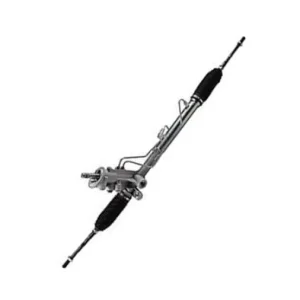
Heavy-duty delivery networks require durable brake pads and steering systems that can handle constant stop-and-go stresses without losing effectiveness.
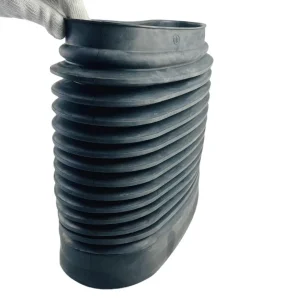
Suspension systems and rubber components must maintain elasticity and structural integrity in temperatures below freezing.
Electrical components and EV plugs feature IP66 moisture sealing to prevent short-circuits and electrical oxidation in coastal regions.
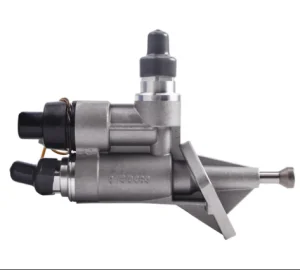
Truck tarp systems and fuel transfer pumps are built to withstand dust, grit, and long operating hours in mines and construction sites.
For Tier 1 distributors, purchasing managers, and large aftermarket brands, securing parts is only one part of the puzzle. An optimized supply chain requires comprehensive service. By integrating manufacturing capabilities with logistics support, Guangzhou Mayumi Auto Co., Ltd. provides macro-level solutions that minimize risk and reduce operational overhead:
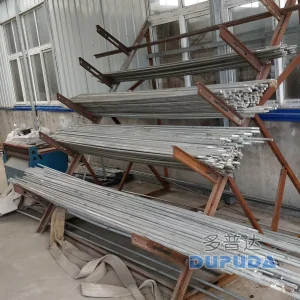
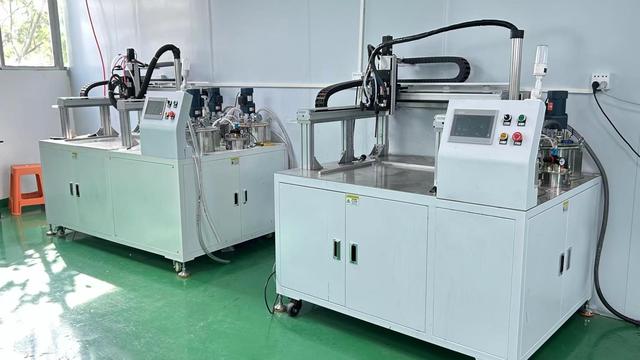
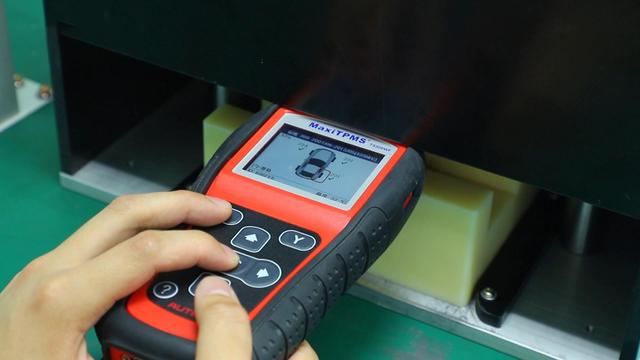
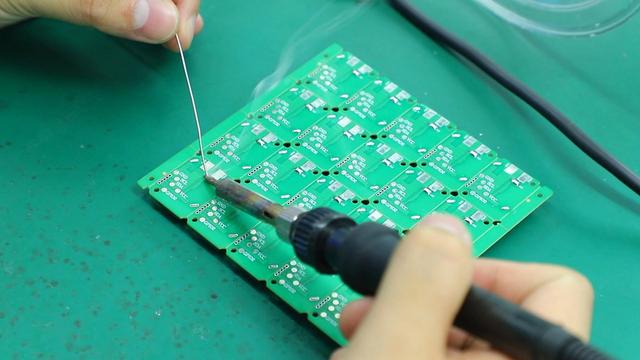
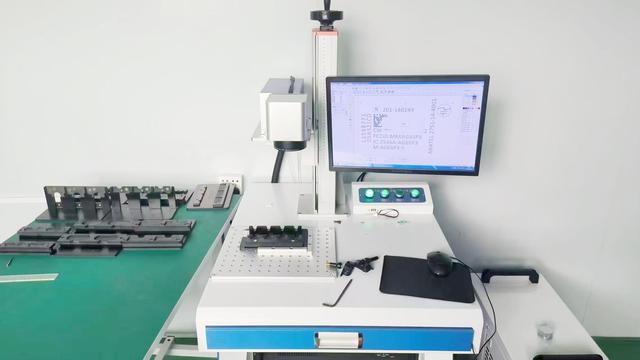
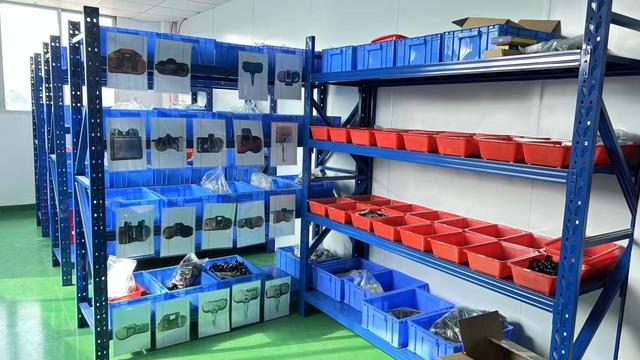
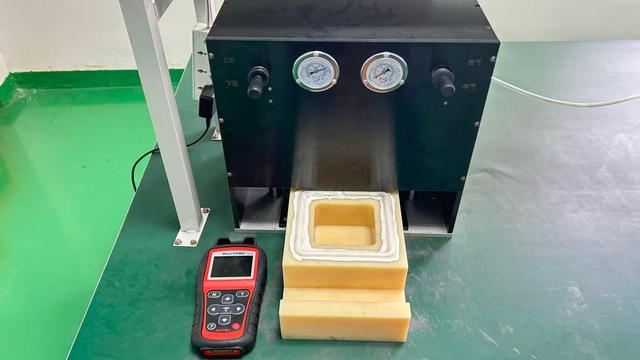
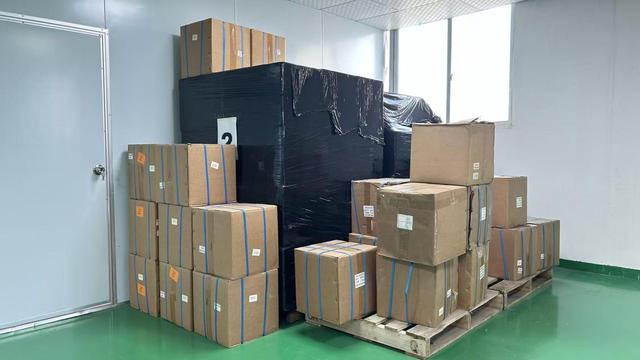
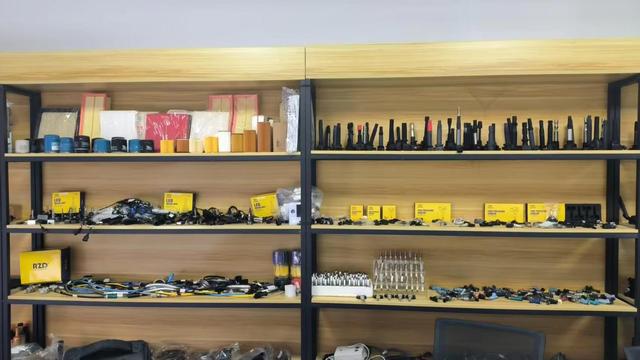
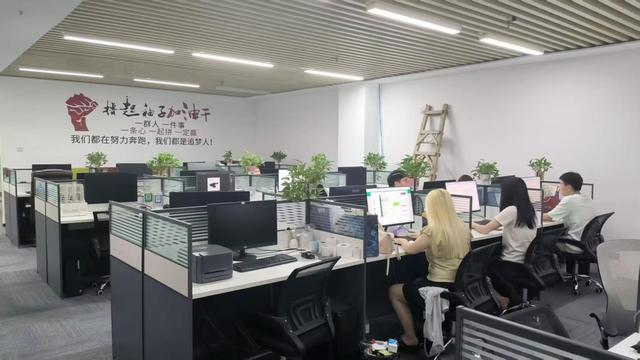
Our state-of-the-art 25,000 square meter facility houses advanced machinery, automated assembly lines, and testing equipment. Below is a look at our daily manufacturing operations:
 Mayumi Auto