In highly loaded thermal environments, heat dissipation efficiency directly defines power performance and system safety. Achieving high-performance heat exchange requires specialized materials with high thermal conductivity, minimal pressure drop, and advanced mechanical integrity to withstand pressure pulsations, structural vibrations, and chemical degradation from coolants.
As a leading Chinese manufacturer, our goal is to deliver thermal components that achieve these complex engineering goals. Through advanced metallurgy, precision brazing, and systematic design verification, we offer cooling solutions that meet or exceed global automotive standards.
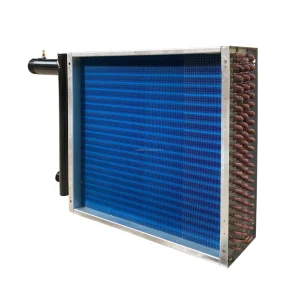
Key manufacturing criteria involve utilizing corrosion-resistant aluminum alloys and high-purity brass formulations. Proper control of cladding layers during vacuum brazing ensures structural uniformity, eliminating micro-leaks and structural stress hotspots. In addition, integration of micro-channel designs improves surface area to volume ratios, optimizing heat rejection efficiency.
Our ongoing commitment to Research and Development positions us as a premier partner for automotive OEMs, aftermarket distributors, and heavy-duty logistics fleet operators worldwide.
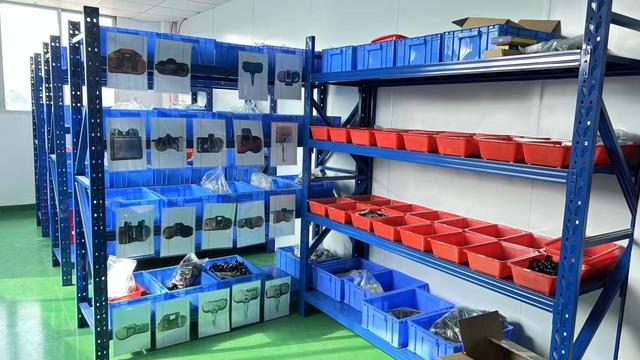
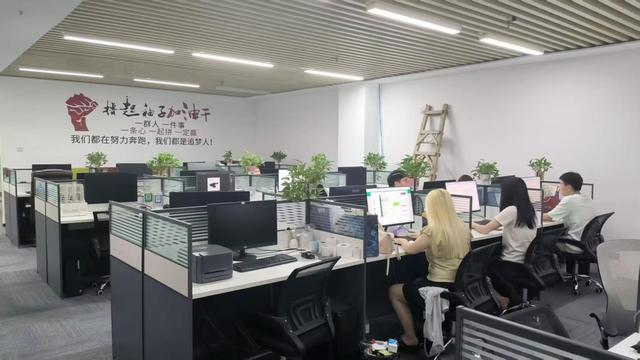
Guangzhou Mayumi Auto Co., Ltd. is a professional manufacturer specializing in automotive parts and vehicle component solutions for global OEM, aftermarket, and commercial vehicle markets. Established in 2011, the company is located in Guangzhou, Guangdong Province, one of China's major automotive manufacturing centers. Operating from a modern production facility covering 25,000 square meters and supported by a workforce of more than 280 employees, Mayumi Auto has developed comprehensive capabilities in product development, precision manufacturing, quality control, and international supply chain management.
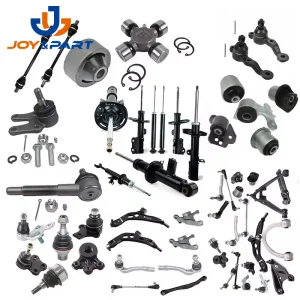
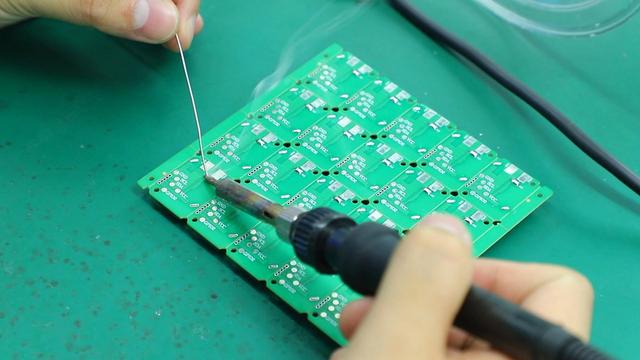
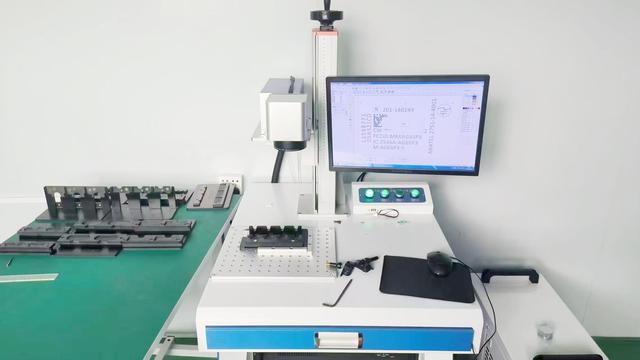
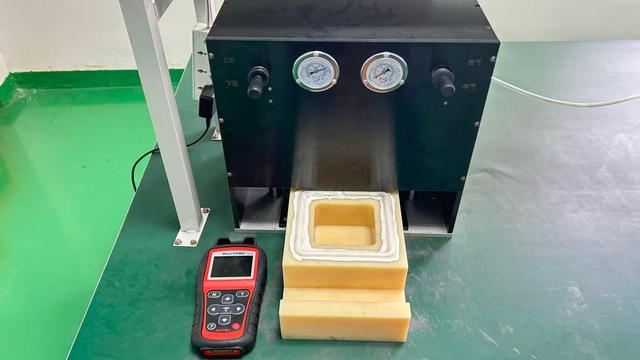
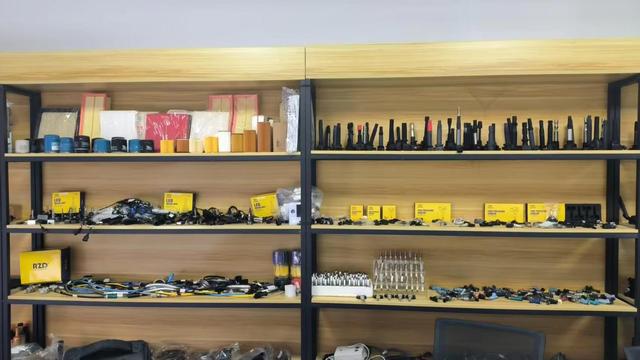
The company focuses on the production of suspension components, brake system parts, steering system components, engine-related parts, chassis assemblies, drivetrain components, and other automotive solutions designed for passenger vehicles, commercial vehicles, and specialty transportation applications. Through continuous investment in advanced machining equipment, automated production technologies, and testing systems, Mayumi Auto delivers products engineered for durability, reliability, and consistent performance.
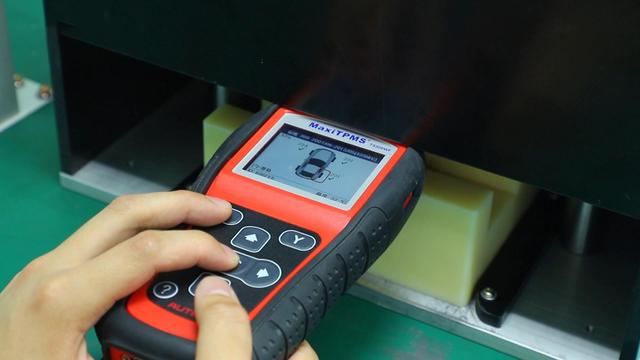
Quality assurance is integrated throughout the manufacturing process, from raw material inspection and precision machining to assembly verification and final performance testing. The company follows stringent quality management procedures to ensure products meet international industry requirements and customer specifications.
Mayumi Auto also provides flexible OEM and ODM manufacturing services, supporting customers with customized product development, private-label production, technical design optimization, and application-specific automotive solutions. Its engineering and production teams work closely with global partners to deliver efficient and scalable manufacturing support.
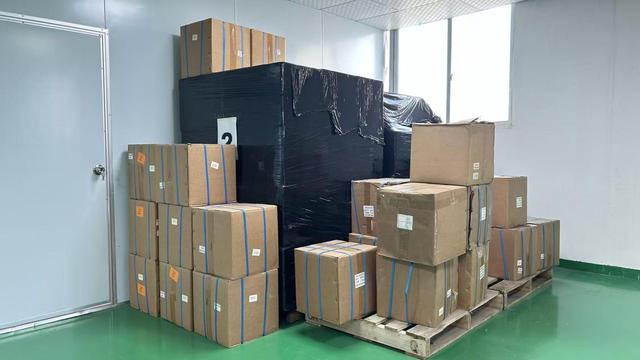
Today, Guangzhou Mayumi Auto Co., Ltd. exports its products to North America, Europe, South America, the Middle East, Southeast Asia, and other international markets. By combining manufacturing expertise, engineering innovation, and customer-focused service, the company continues to provide dependable automotive component solutions that support the evolving needs of the global automotive industry.
Modern automotive thermal management requires careful material selection. The table below outlines the performance characteristics of aluminum alloys and copper-brass formulations in cooling system designs.
| Performance Metric | Aluminum Alloys (e.g., Al-3003, Al-4343) | Traditional Copper-Brass | Engineering Implications |
|---|---|---|---|
| Thermal Conductivity | ~150 - 220 W/(m·K) | ~350 - 400 W/(m·K) | Copper features higher base conductivity; however, aluminum enables thinner wall designs, balancing total thermal performance. |
| Structural Density (Weight) | 2.7 g/cm³ Optimal | 8.9 g/cm³ | Aluminum reduces component weight by up to 50%, improving overall vehicle fuel and energy efficiency. |
| Corrosion Resistance | Excellent with clad protective layers | Moderate, susceptible to dezincification | Alloy cladding provides protection against organic acids, road salts, and glycol-based coolants. |
| Structural Tensile Strength | High (Allows operating pressures >3.5 Bar) | Moderate (Prone to fatigue under pressure pulses) | Aluminum systems withstand higher pressure spikes in high-performance and commercial powertrains. |
| Manufacturing Compatibility | Vacuum Controlled Atmosphere Brazing (CAB) | Soldering and manual welding | CAB processes generate consistent joint quality, reducing micro-voids and field failure rates. |
To support global supply chains, our products meet a range of international standards. We supply components according to strict regulatory frameworks in key markets, including Europe and North America.
Our production facilities operate under IATF 16949 quality systems, the primary standard for the automotive supply chain. This certification ensures traceable manufacturing steps, regular supplier audits, and systematic risk management through Failure Mode and Effects Analysis (FMEA).
For European distribution, we monitor compliance with the REACH regulation and the RoHS Directive, verifying that no restricted hazardous materials are used in our cooling elements, seals, or surface coatings. For North American partners, we manufacture components in line with SAE International and ASTM standards to ensure proper fitment and performance in various operational climates.
In addition, our engineering support teams work closely with customer engineering groups, offering custom technical documentation, PPAP (Production Part Approval Process) Level 3 submissions, and comprehensive test reports for seamless integration.
The automotive industry is shifting toward smart, multi-circuit thermal management systems. Modern internal combustion engines (ICE) and hybrid powertrains use split-cooling loops to warm engines quickly to reduce start-up emissions while protecting critical components under high loads.
Additionally, the adoption of electric powertrains is changing the design of cooling components. Cooling loops now integrate electric water pumps and proportional control valves, requiring thin-walled, low-pressure-drop liquid flow channels to optimize system efficiency.
Material research focuses on high-strength, lightweight aluminum alloys that resist internal corrosion from modern organic acid technology (OAT) coolants. Thinner alloy sheets allow for lighter heat exchangers while maintaining high burst pressures and durability.
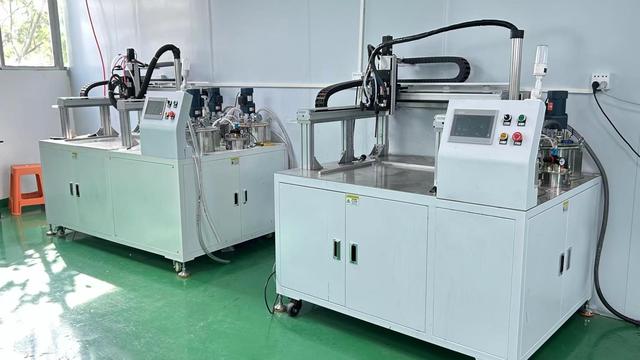
Guangzhou Mayumi Auto Co., Ltd. invests in advanced CNC machining, automated braze assembly, and modern testing laboratories to supply components aligned with these technical trends.
 Mayumi Auto