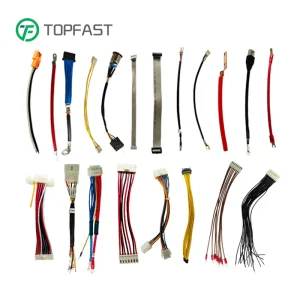
Top 10 Vehicle Wiring Harnesses Exporter & Exporters

Global Sourcing Intelligence, Advanced Engineering Standards, & Next-Gen EV Architectures

Global Sourcing Landscape of Vehicle Wiring Harnesses

In the modern automotive industry, the vehicle wiring harness acts as the central nervous system of the automobile. It manages complex electrical distribution systems, high-speed data transmission, and signal routing across safety-critical domains. As global supply chains shift toward electrification and smart driving systems, selecting a top-tier vehicle wiring harness exporter is no longer just a purchasing decision—it is a critical partnership that determines system safety, cost efficiency, and time-to-market.

Global tier-1 and tier-2 manufacturers require wiring harness systems that can withstand extreme environmental conditions, severe vibrations, high temperatures, and electromagnetic interference (EMI). The evolution from traditional internal combustion engine (ICE) layouts to advanced electric vehicle (EV) architectures and ADAS (Advanced Driver Assistance Systems) has exponentially increased the complexity of wiring schematics. Today's automotive wiring design requires advanced signal integrity, robust insulation material, and precise weight management.

E-E-A-T Quality Safeguards

Our engineering methodologies strictly align with automotive industry expectations, including IATF 16949 quality systems, IPC/WHMA-A-620 standards, and comprehensive DV/PV testing to ensure flawless performance under harsh automotive environments.

Guangzhou Mayumi Auto Co., Ltd. at a Glance

Strategic capabilities, production metrics, and global logistics infrastructure engineered for complex automotive supply chains.

2011
Established Year
25,000m²
Modern Production Facility
280+
Expert Staff & Engineers
Global
Export Distribution Network

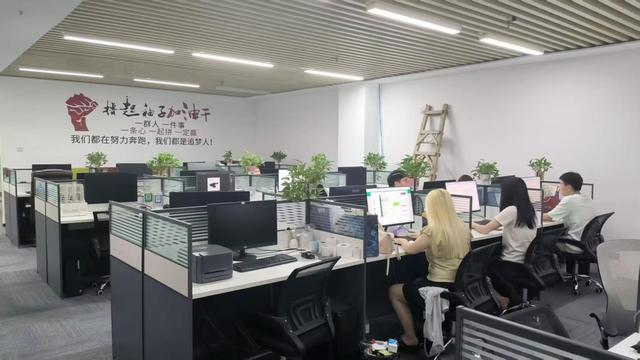
Guangzhou Mayumi Auto Co., Ltd. is a professional manufacturer specializing in automotive parts and vehicle component solutions for global OEM, aftermarket, and commercial vehicle markets. Established in 2011, the company is located in Guangzhou, Guangdong Province, one of China's major automotive manufacturing centers. Operating from a modern production facility covering 25,000 square meters and supported by a workforce of more than 280 employees, Mayumi Auto has developed comprehensive capabilities in product development, precision manufacturing, quality control, and international supply chain management.

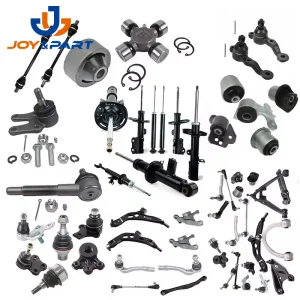
The company focuses on the production of suspension components, brake system parts, steering system components, engine-related parts, chassis assemblies, drivetrain components, and other automotive solutions designed for passenger vehicles, commercial vehicles, and specialty transportation applications. Through continuous investment in advanced machining equipment, automated production technologies, and testing systems, Mayumi Auto delivers products engineered for durability, reliability, and consistent performance.

Evaluating the Top 10 Vehicle Wiring Harness Exporters

Key metrics that differentiate elite wiring harness suppliers from low-tier assembly shops.

1. Design & Engineering Agility

Elite exporters offer comprehensive OEM/ODM services, transitioning CAD designs and routing path models into physical wire harness configurations with precise terminal and shell specifications.

2. Material Traceability

Full material traceability from copper or aluminum alloy rod sourcing, insulation polymer synthesis (XLPE, PUR, PVC), to connector components from brands like TE, Sumitomo, or Yazaki.

3. Advanced Automation

Deployment of automated wire cutting, stripping, terminal crimping machinery with real-time crimp force monitoring (CFM) to eliminate mechanical defect rates below ppm levels.

Technical Roadmap & Future Outlook

Unveiling the architectural shifts shaping next-generation vehicle wiring systems.

Phase 1

Electrification & High-Voltage Architecture (800V+)

The emergence of high-voltage powertrains (ranging from 400V to 800V DC and above) requires specialized thick-core wiring harness systems with robust electromagnetic shielding, heat-resistant insulation, and touch-proof orange outer sheathing to ensure safety and prevent electric shock risks during vehicle operation and servicing.

Phase 2

Transition to Zonal Control Architectures

Modern automotive design is migrating from complex, long point-to-point central harnesses to highly efficient zonal topologies. By localizing connections to local zone controllers, vehicles significantly reduce total copper weight, simplify routing designs, and pave the way for automated robotic assembly lines.

Phase 3

Material Lightweighting & Aluminum Integration

With the relentless pursuit of range extension in EVs, aluminum wiring is replacing traditional copper for cross-sections larger than 2.5mm². Exporters must use advanced ultrasonic welding techniques and specialized anti-corrosion crimps to mitigate galvanic action between aluminum conductors and copper terminal pins.

Phase 4

High-Speed Data Capabilities (Automotive Ethernet)

As ADAS, LiDAR systems, and high-definition surround cameras become standard, the demand for shielded twisted-pair (STP) and coaxial cables capable of supporting gigabit transmission speeds with minimal latency has skyrocketed. Wiring designs must guarantee impedance control and zero packet loss.

Comparison Matrix: Sourcing Specifications for Wiring Harnesses

An engineering reference table mapping out operational tolerances and specifications based on applications.

Harness Classification Primary Applications Typical Voltage Rating Operating Temp Range Key Standard Compliances
Low-Voltage Control Harness Sensors, infotainment, ECU signaling, door panels, lighting. 12V to 48V DC -40°C to +125°C ISO 6722, IPC-WHMA-A-620 Class 3
High-Voltage Powertrain Harness EV Battery pack interconnects, electric motor control, onboard charger. 400V to 1000V DC -40°C to +150°C (Silicone/XLPE) ISO 19642, UL 2251, LV 216
High-Speed Signal Harness ADAS cameras, RADAR, LiDAR, central computing unit connection. Differential Signaling -40°C to +105°C ISO 21111, IEEE 802.3ch (Automotive Ethernet)
Engine Compartment Harness Chassis sensors, powertrain controllers, ignition system. 12V to 24V DC -40°C to +150°C (Engine block vicinity) USCAR-2, USCAR-21 (Crimping specs)

Quality Assurance & Precision OEM/ODM Engineering

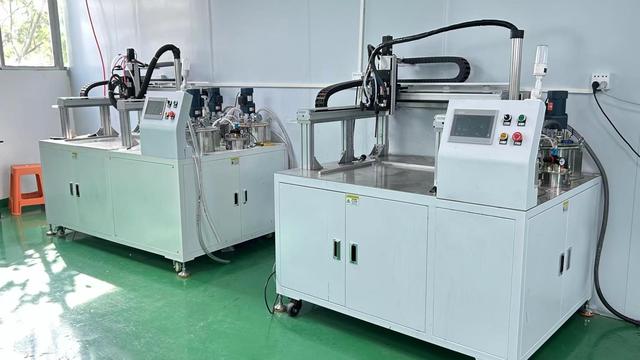
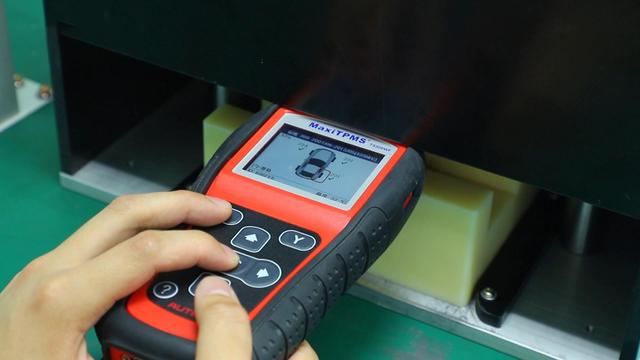
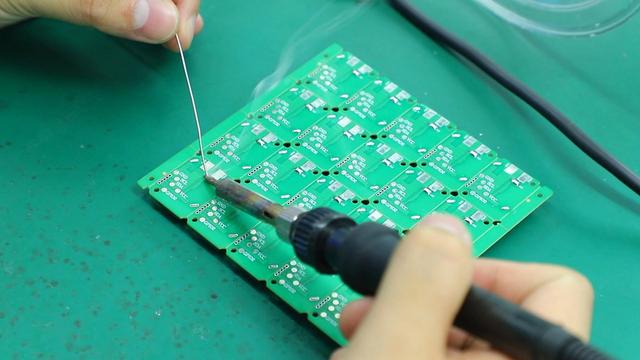
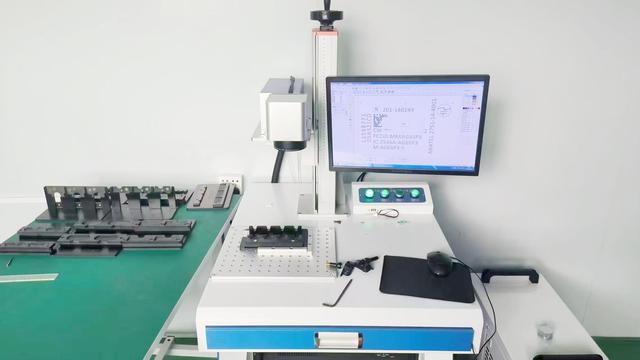
At Guangzhou Mayumi Auto Co., Ltd., quality assurance is integrated throughout the manufacturing process, from raw material inspection and precision machining to assembly verification and final performance testing. The company follows stringent quality management procedures to ensure products meet international industry requirements and customer specifications.

Mayumi Auto also provides flexible OEM and ODM manufacturing services, supporting customers with customized product development, private-label production, technical design optimization, and application-specific automotive solutions. Its engineering and production teams work closely with global partners to deliver efficient and scalable manufacturing support.

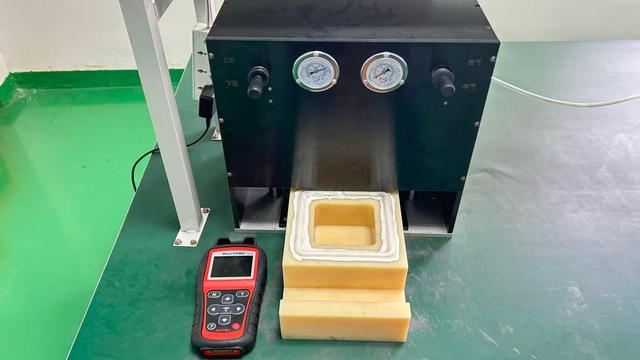
Whether developing bespoke suspension joints, dynamic engine mounts, or complex electrical junctions, our state-of-the-art facility utilizes advanced computerized testing rigs. This includes circuit analyzer boards, pull-force testers, and environmental simulation cabinets (humidity, thermal shock, salt spray) to ensure our exports resist aging and function flawlessly for decades.

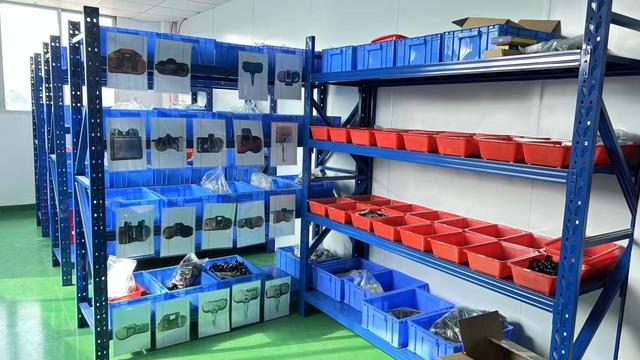
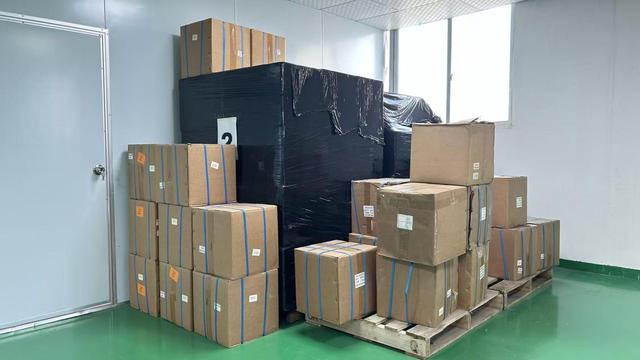
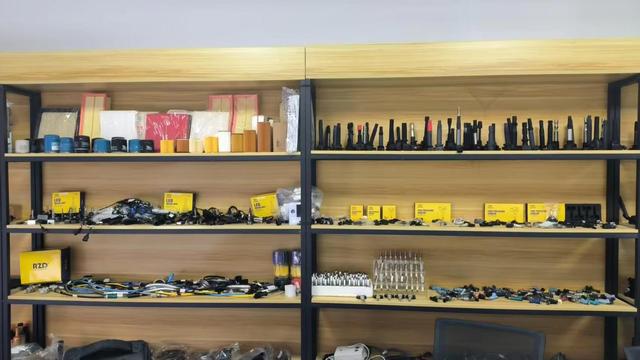
Production Facility & Operations Gallery

Technical & Sourcing FAQ

Answers to complex engineering and procurement questions for international automotive hardware and wiring solutions.

Q1: What are the main insulation materials used in export-grade automotive wiring, and how do they perform under extreme conditions?
Automotive wiring harnesses primarily utilize Polyvinyl Chloride (PVC), Cross-linked Polyethylene (XLPE), Polyurethane (PUR), and Thermoplastic Elastomers (TPE). PVC is widely used for standard low-voltage runs due to its cost efficiency and general chemical resistance. For high-temperature zones (like the engine bay or near exhaust lines) and high-voltage applications, XLPE is preferred due to its superior thermal deformation resistance (withstanding up to 150°C and higher) and physical durability. PUR is deployed where high mechanical flexibility and abrasion resistance are critical, such as dynamic chassis joints.
Q2: How does a wiring harness supplier prevent galvanic corrosion when integrating aluminum conductors with copper alloy terminals?
Galvanic corrosion occurs when two dissimilar metals (aluminum and copper) are in electrical contact in the presence of an electrolyte (like moisture or salt spray). Exporters prevent this by utilizing specialized transition terminals (such as copper-clad aluminum or tin-plated brass with specific barrier layers), sealing connection points with heat-shrink tubing lined with hot-melt adhesive, or applying specialized anti-corrosion grease inside the crimp terminal zone to isolate the metallic interface from atmospheric moisture.
Q3: What critical steps are involved in the OEM/ODM prototyping and validation phase for a custom wiring harness?
The process begins with digital schematic capturing and spatial 3D routing on virtual vehicle frames. Once the prototype design is frozen, manufacturers produce sample runs that undergo rigorous Design Verification (DV) and Product Verification (PV) testing. These tests include electrical continuity checks, insulation resistance verification, high-pot testing, temperature cycling, vibration profiling, terminal pull-out force analysis, and mating-force testing. The entire process follows the Production Part Approval Process (PPAP) Level 3 documentation framework before volume production begins.
Q4: What certifications should global procurement teams look for when selecting a Chinese automotive component exporter?
The fundamental standard is IATF 16949, which specifies the quality management system requirements for design, development, production, and installation of automotive-related products. Additionally, for components exported to North America, UL and CSA approvals are critical. For Europe, CE marking, RoHS, and REACH environmental compliance are mandatory. Sourcing teams should also look for compliance with IPC/WHMA-A-620 Class 3 standards, which defines the acceptance criteria for wire harness and cable assemblies.
Q5: How does Guangzhou Mayumi Auto ensure supply chain stability and compliance for overseas buyers?
Mayumi Auto leverages its strategic location in Guangzhou, a premier automotive manufacturing cluster with access to global logistics ports. We establish long-term contract pricing with raw material vendors to buffer against copper and commodity market fluctuations. For compliance, our quality control procedures trace every production batch back to its raw material heat lot. Additionally, we provide complete customs documentation, certificates of origin, and flexible FOB/CIF shipping options to streamline global logistics.