Explore our elite collection of custom manufactured high-precision mechanical, fluid transmission, and industrial lighting solutions.
How industry leaders leverage advanced CAD design, structural engineering, and precision control to manufacture next-generation parts.
The global demand for high-reliability components continues to soar as heavy industry, commercial shipping, aerospace, and agricultural operations integrate automated systems. At the center of this industrial revolution are fluid power dynamics and custom-machined mechanical assemblies. A premier hydraulic parts factory must possess deep domain expertise in metallurgy, micro-tolerance machining, and surface finishes that can withstand immense pressure differentials, high speeds, and corrosive environments.
Guangzhou Mayumi Auto Co., Ltd., established in 2011, stands out as an exemplary leader in manufacturing precision automotive and mechanical components. From its modern 25,000-square-meter facility in Guangzhou, China, the company engineers advanced vehicle control parts, high-pressure fluid joints, and heavy-duty chassis assemblies. Operating with more than 280 highly skilled technical employees, Mayumi Auto integrates premium material selection, automated CNC milling, and dynamic testing protocols to fulfill both aftermarket demands and strict OEM specifications.
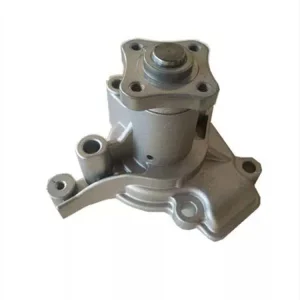
For global procurement managers, partnering with factories that maintain IATF 16949 and ISO 9001 certifications guarantees product consistency. Precision fluid components, such as automotive water pumps, brake cylinders, and power transmission shafts, require rigorous dimensional accuracy down to ±0.005mm. Mayumi Auto achieves these tolerances using computer-aided manufacturing (CAM) lines alongside automated multi-spindle lathes, ensuring optimal thermal dispersion and mechanical durability across all configurations.
The synergy of fully integrated material supply chains, rapid prototyping, and unmatched scalability.
Guangdong Province acts as a global epicenter for precision engineering. The proximity to raw steel, alloy, and chemical treatment plants reduces lead times and logistics costs significantly.
Through high levels of process automation and optimized resource allocation, Chinese manufacturers deliver OEM-grade quality at highly competitive margins, offering major cost advantages.
Advanced tooling workshops support custom specifications, material grades, and branding designs, shifting from CAD layouts to physical prototypes within short cycle times.
China’s hydraulic parts suppliers have transitioned from high-volume manufacturers to high-tech engineering innovators. Companies like Guangzhou Mayumi Auto Co., Ltd. leverage advanced metallurgical analysis and computerized simulation techniques to assess flow mechanics, fatigue limits, and load patterns before initiating volume production. This integration of design and raw capability allows them to support high-performance components across automotive, marine, mining, and heavy mechanical platforms.
Additionally, China’s trade and logistics infrastructure enables seamless delivery to destinations across Europe, North America, the Middle East, and Southeast Asia. By partnering with premium logistics carriers, manufacturers ensure that components arrive securely, with all necessary customs documentation, compliance tags, and protective industrial coatings in order.
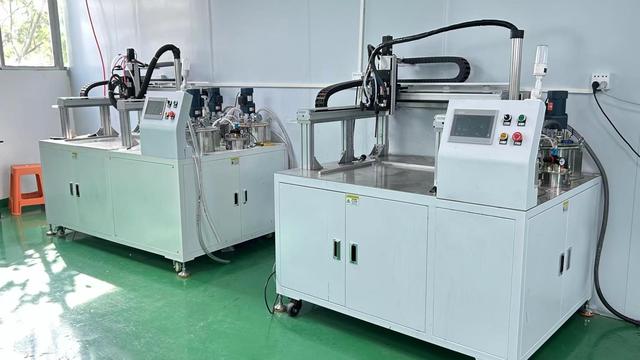
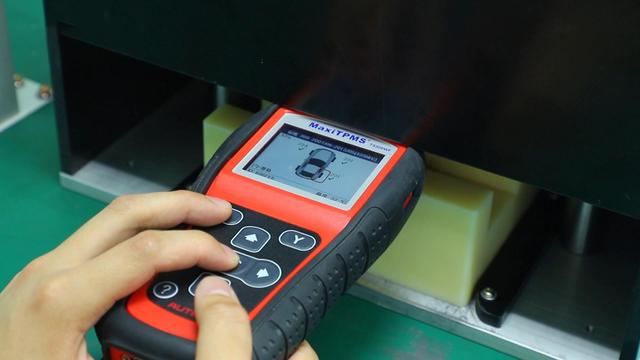
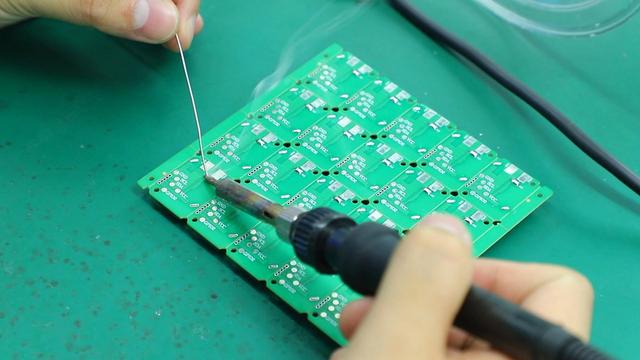
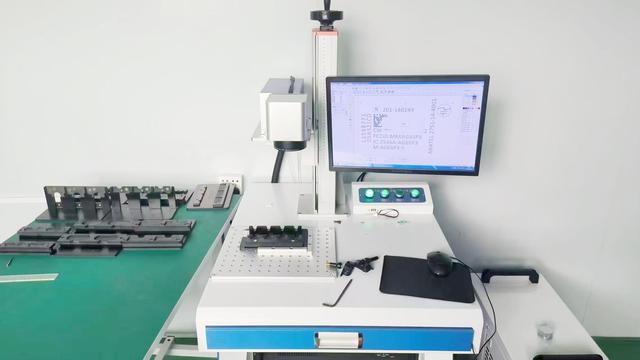
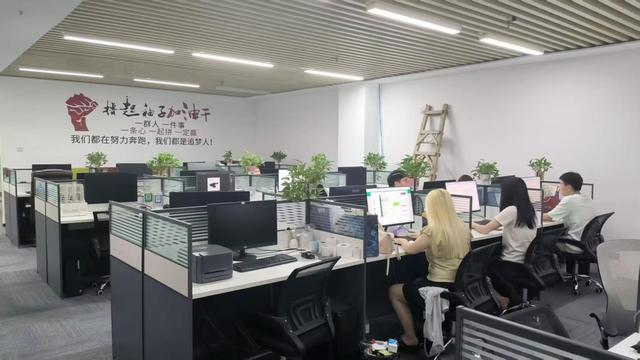
Guangzhou Mayumi Auto's state-of-the-art production floor, quality assurance labs, and engineering infrastructure.
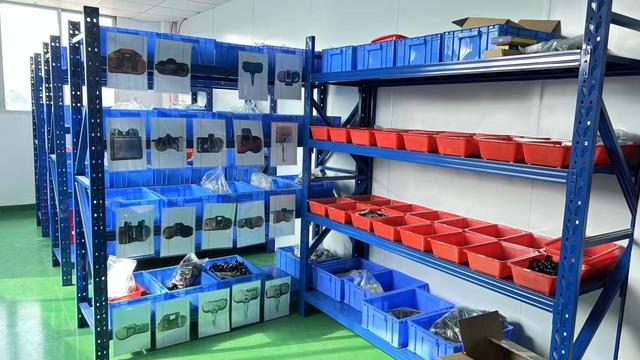
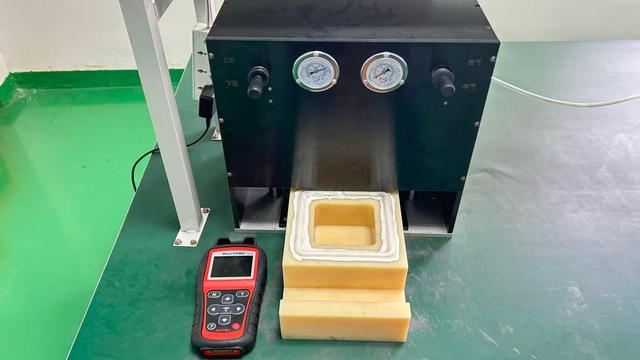
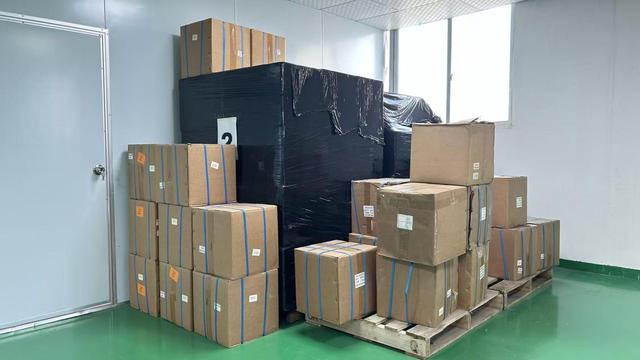
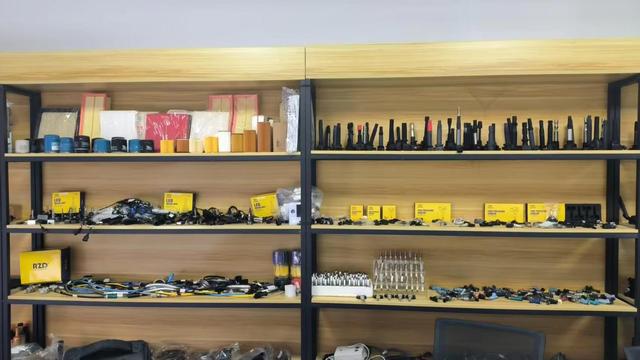
The shift toward smart hydraulics, eco-friendly components, and intelligent flow control.
EHA systems combine electrical power for control with hydraulic cylinders for force, reducing oil line lengths and maximizing response speeds.
Modern components utilize advanced seals designed to resist degradation from bio-based, biodegradable hydraulic fluids to meet strict ESG mandates.
Integrating pressure, heat, and structural vibration sensors directly into flow control valves enables predictive maintenance and prevents unscheduled downtime.
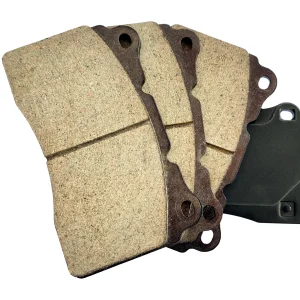
Advanced manufacturing facilities are shifting away from traditional component design and moving toward system-level engineering. This requires a profound understanding of how individual items—such as high-precision engine valves, power transmission gears, and brake shoe assemblies—perform under continuous mechanical loads. Designing components to manage friction and heat generation under high-pressure conditions improves energy efficiency and extends equipment lifespans.
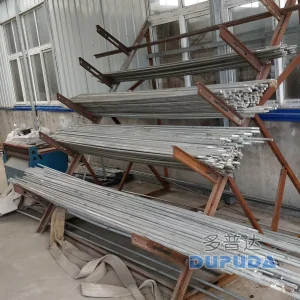
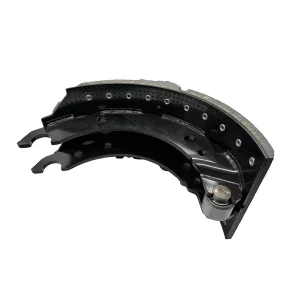
Furthermore, rapid urbanization and infrastructure investments in developing markets demand heavy machinery that can operate under extreme stress. Components like truck round steel tarp systems, heavy chassis brackets, and reinforced trailer brake shoes must withstand continuous mechanical wear and impact, requiring strict quality control throughout the manufacturing lifecycle.
A deep dive into Mayumi Auto's background, capacity, and its alignment with global industrial solutions.
Guangzhou Mayumi Auto Co., Ltd. is a professional manufacturer specializing in automotive parts and vehicle component solutions for global OEM, aftermarket, and commercial vehicle markets. Established in 2011, the company is located in Guangzhou, Guangdong Province, one of China's major automotive manufacturing centers. Operating from a modern production facility covering 25,000 square meters and supported by a workforce of more than 280 employees, Mayumi Auto has developed comprehensive capabilities in product development, precision manufacturing, quality control, and international supply chain management.
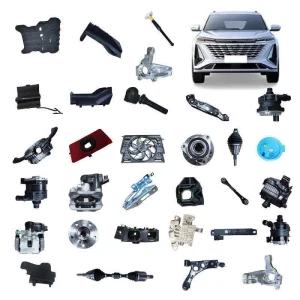
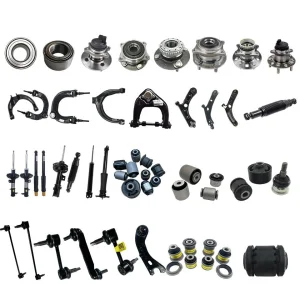
The company focuses on the production of suspension components, brake system parts, steering system components, engine-related parts, chassis assemblies, drivetrain components, and other automotive solutions designed for passenger vehicles, commercial vehicles, and specialty transportation applications. Through continuous investment in advanced machining equipment, automated production technologies, and testing systems, Mayumi Auto delivers products engineered for durability, reliability, and consistent performance.
Quality assurance is integrated throughout the manufacturing process, from raw material inspection and precision machining to assembly verification and final performance testing. The company follows stringent quality management procedures to ensure products meet international industry requirements and customer specifications.
Mayumi Auto also provides flexible OEM and ODM manufacturing services, supporting customers with customized product development, private-label production, technical design optimization, and application-specific automotive solutions. Its engineering and production teams work closely with global partners to deliver efficient and scalable manufacturing support.
Today, Guangzhou Mayumi Auto Co., Ltd. exports its products to North America, Europe, South America, the Middle East, Southeast Asia, and other international markets. By combining manufacturing expertise, engineering innovation, and customer-focused service, the company continues to provide dependable automotive component solutions that support the evolving needs of the global automotive industry.
To provide actionable insights for global engineers, the application matrix below outlines how precision-engineered components integrate into specialized, real-world industrial environments:
Commercial vehicles operating in rugged environments require highly reliable braking and chassis setups. Integrating trailer brake shoe assemblies and heavy-duty chassis components prevents mechanical failure under extreme loading conditions.
Aerospace turbine components require extremely tight machining tolerances. Applying advanced CNC milling to high-performance alloys ensures consistent reliability under high temperatures and pressures.
Continuous exposure to mineral dust and debris requires robust mechanical protection. Utilizing durable tarp assembly components protects open-bed transportation vehicles from environmental contamination.
An authoritative guide to auditing factories, checking quality compliance, and verifying material traceability.
When global procurement divisions audit an automotive or industrial component manufacturer, quality assurance and traceability remain paramount. Modern operations require documentation for every manufacturing phase, beginning with raw material sourcing. Chemical analysis certificates, heat treatment charts, and hardness measurements verify that structural steel, cast iron, brass, and aluminum alloys meet mechanical requirements before machining begins.
Leading manufacturing plants employ automated Coordinate Measuring Machines (CMM) to inspect dimensional compliance. These systems verify outer diameters, inner bores, thread pitches, and surface profiles against the engineering drawing’s tolerance callouts. This verification ensures that critical parts—such as water pumps, brake pads, and electric vehicle charging connectors—integrate seamlessly during final vehicle assembly.
Environmental resistance is another critical performance metric. Salt spray testing evaluates the corrosion resistance of zinc platings, powder coatings, and anodized finishes. For components exposed to harsh environments, achieving over 480 hours of salt spray exposure without red rust formation is a standard benchmark, ensuring long-term operational durability.
Automotive Core Quality System Standard
Global Quality Management Protocol
Precision Dimensional Tolerance Verification
Independent Third-Party Product Verification
Expert technical answers to common queries regarding mechanical components, OEM sourcing, and factory processes.
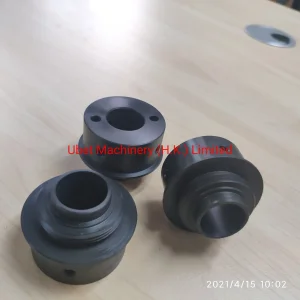
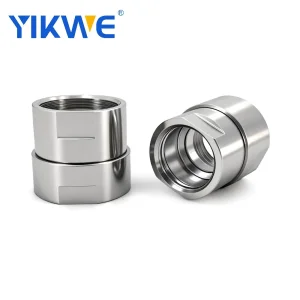
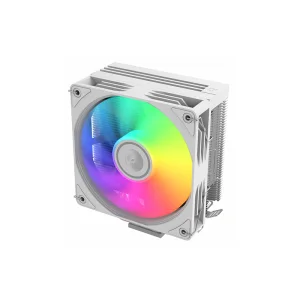
Browse through our specialized trailer assemblies, CNC-machined transmission components, and heat-dispersion coolers.
 Mayumi Auto