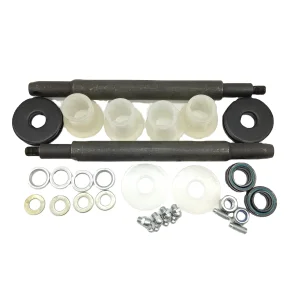
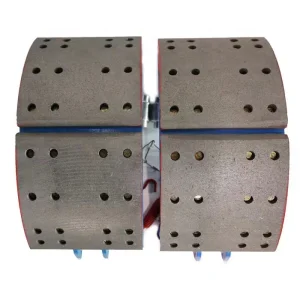
Explore our elite line of high-performance transmission shafts, suspension elements, body configurations, and smart sensing technologies curated for commercial and passenger vehicle architectures.
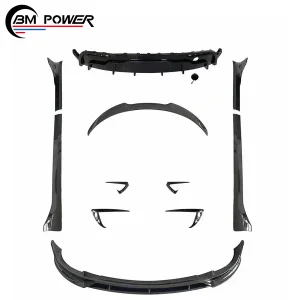
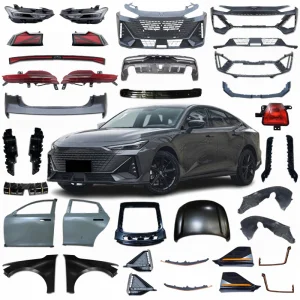

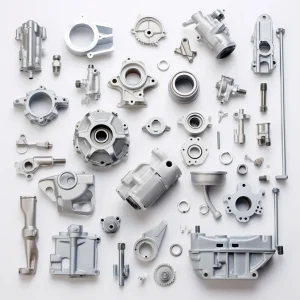

The global automotive supply chain is experiencing an unprecedented structural transition. While the evolution toward new energy architectures continues, the demand for high-durability internal combustion engine components, heavy-duty drivetrain systems, and precision-engineered structural elements remains vital. OEMs and aftermarket procurement groups operate in a highly scrutinized regulatory and financial environment. Finding tier-1 or tier-2 suppliers that offer reliable compliance, microstructural homogeneity, and low dimensional tolerances is no longer just a cost-reduction strategy—it is a core risk management objective.
In this white paper, we explore the benchmark characteristics that define the industry's top engine components factories. By evaluating structural capacity, quality systems (IATF 16949), metallurgical integrity, and engineering agility, we provide procurement executives, engineers, and distributors with the exact criteria necessary to evaluate global partners. Specifically, we investigate how integrated manufacturing ecosystems in China leverage industrial clustering, custom metallurgy, and advanced die casting to drive efficiency and performance.
Guangzhou Mayumi Auto Co., Ltd. is a professional manufacturer specializing in automotive parts and vehicle component solutions for global OEM, aftermarket, and commercial vehicle markets. Established in 2011, the company is located in Guangzhou, Guangdong Province, one of China's major automotive manufacturing centers. Operating from a modern production facility covering 25,000 square meters and supported by a workforce of more than 280 employees, Mayumi Auto has developed comprehensive capabilities in product development, precision manufacturing, quality control, and international supply chain management.
The company focuses on the production of suspension components, brake system parts, steering system components, engine-related parts, chassis assemblies, drivetrain components, and other automotive solutions designed for passenger vehicles, commercial vehicles, and specialty transportation applications. Through continuous investment in advanced machining equipment, automated production technologies, and testing systems, Mayumi Auto delivers products engineered for durability, reliability, and consistent performance.
Quality assurance is integrated throughout the manufacturing process, from raw material inspection and precision machining to assembly verification and final performance testing. The company follows stringent quality management procedures to ensure products meet international industry requirements and customer specifications.
Mayumi Auto also provides flexible OEM and ODM manufacturing services, supporting customers with customized product development, private-label production, technical design optimization, and application-specific automotive solutions. Its engineering and production teams work closely with global partners to deliver efficient and scalable manufacturing support.
Today, Guangzhou Mayumi Auto Co., Ltd. exports its products to North America, Europe, South America, the Middle East, Southeast Asia, and other international markets. By combining manufacturing expertise, engineering innovation, and customer-focused service, the company continues to provide dependable automotive component solutions that support the evolving needs of the global automotive industry.
Global procurement teams select production facilities based on localized cluster benefits, access to clean alloy inputs, and engineering flexibility. Southern China, particularly the Guangdong auto cluster, stands out as a prime sourcing hub. This geographical advantage provides critical manufacturing benefits:
The engine component and drivetrain sector is not static; it is undergoing technical shifts driven by emission compliance, vehicle electrification, and automation. Key trends include:
Replacing traditional iron components with high-pressure structural aluminum and magnesium-zinc casting is critical. Every gram saved directly improves ICE efficiency and increases the range of hybrid/EV powertrains.
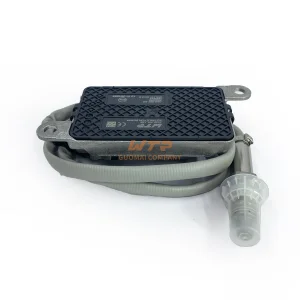
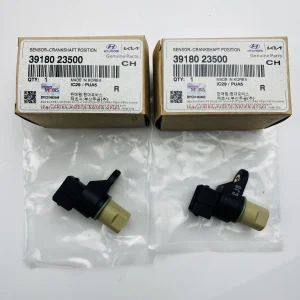
As regulations tighten, components such as advanced NOx sensors and particulate filtration lines must meet rigorous specifications. High-temperature resistance and stable signal outputs are vital for powertrain integrity.
Modern commercial and residential vehicle infrastructure demands stable energy systems. Advanced LiFePO4 batteries with stackable architectures and smart BMS are bridging the gap between vehicle engines and static electrical configurations.
Engine components must perform under diverse operational profiles. Quality manufacturers provide specific solutions tailored to clear application fields:
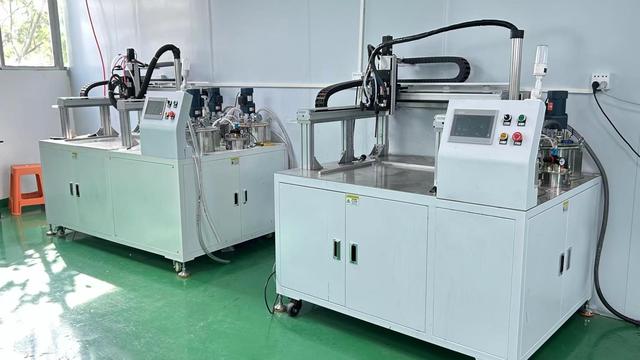
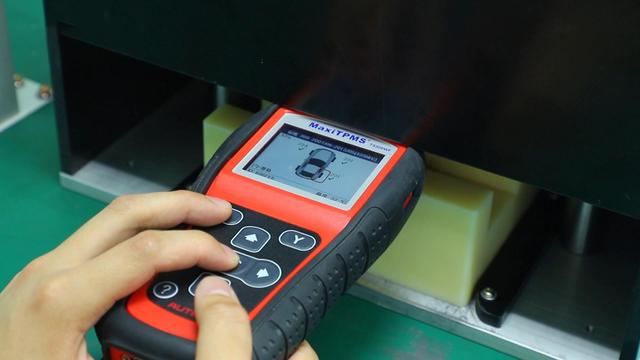
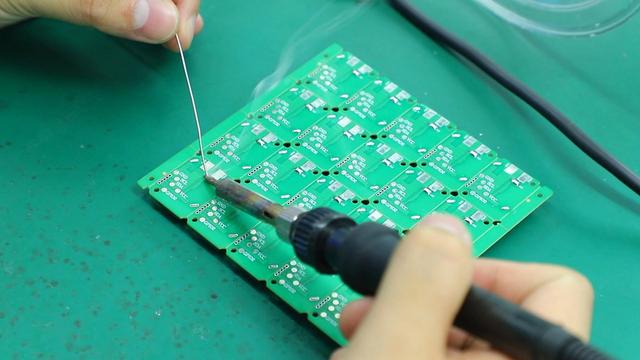
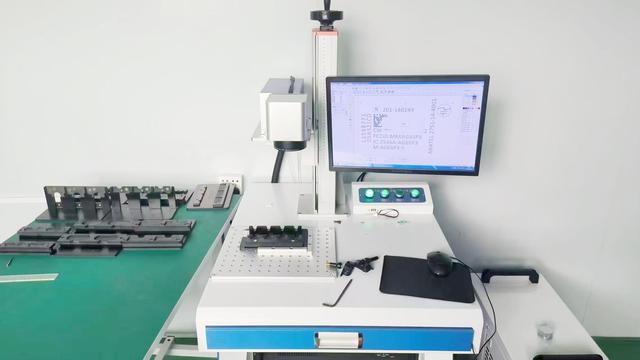
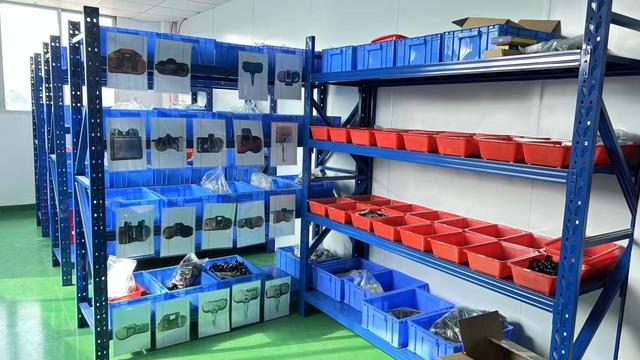
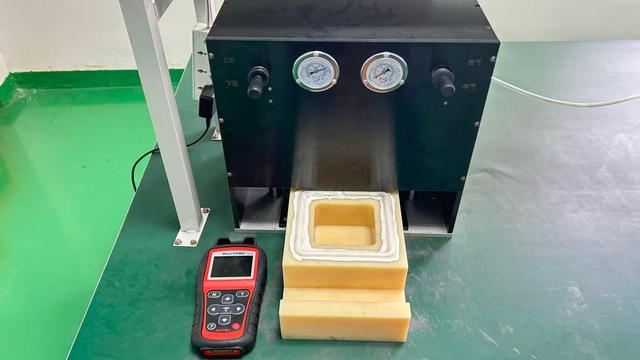
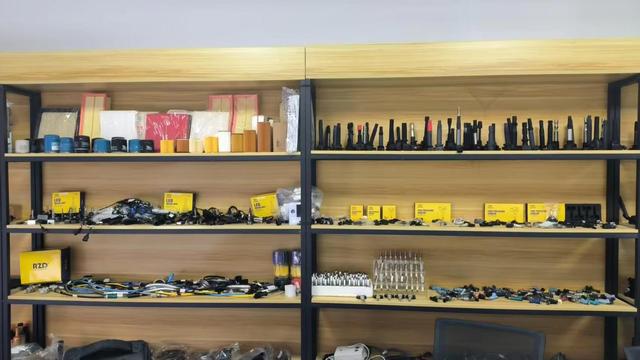
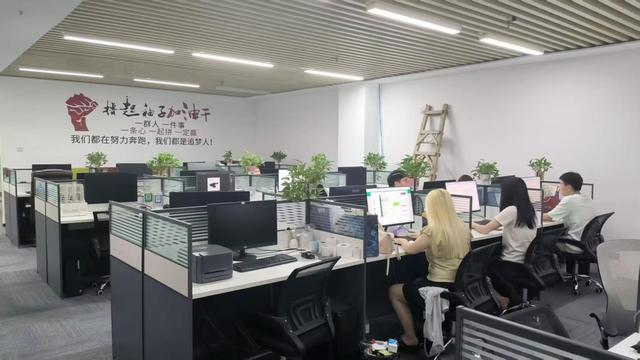
Inside the production facility: Advanced CNC machining, high-pressure die casting, and testing laboratories.

Expert insights addressing the critical concerns of global procurement managers sourcing engine and automotive components.
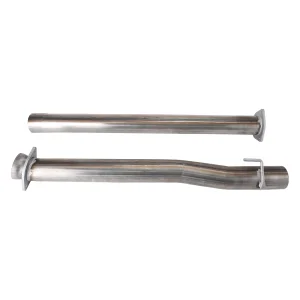
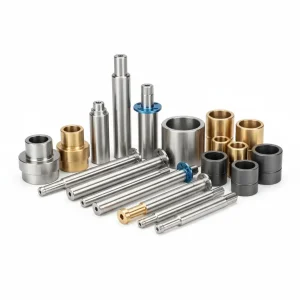
Explore our technical portfolio of industrial shafts, high-capacity electrical setups, exhaust structures, and trailer components designed for continuous duty cycles.
 Mayumi Auto