High-performance custom sub-assemblies, precision-machined elements, and modular components designed to support modern transit infrastructure.
Analysis of international supply chain developments, commercial applications, and modern infrastructure requirements.
The global transit sector is undergoing a profound structural transition. Driven by urbanization, environmental imperatives, and the digital integration of transit operations, modern transit systems require components that deliver higher precision, superior material durability, and absolute reliability. As a premier partner in this evolution, Guangzhou Mayumi Auto Co., Ltd. (established in 2011) has positioned itself at the cutting edge of manufacturing high-integrity assemblies and precision-machined elements. From our state-of-the-art 25,000 square meter facility in Guangzhou, Guangdong Province, our team of more than 280 specialized professionals supports global original equipment manufacturers (OEMs), aftermarket distributors, and commercial transit operators with critical structural, electrical, and mechanical assemblies.
Global commercial and industrial operations now demand more than mere component manufacturing; they require full-scale supply chain integration. The modern transit industry encompasses passenger transit, high-speed rail, light rail networks, heavy freight, and specialty logistics. Each of these sub-sectors features unique environmental stresses and cycle-life demands. As an exporter to North America, Europe, South America, the Middle East, and Southeast Asia, Mayumi Auto leverages advanced engineering capabilities to supply high-spec components—ranging from steering racks and IATF 16949-certified drivetrain housings to thermal management systems and energy storage busbars—designed to operate continuously in demanding conditions.
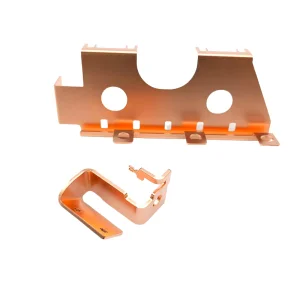
High-power distribution and specialized busbar technologies supporting massive electric vehicle (EV) fleets and electrified rail networks globally.
Guangzhou's integrated industrial ecosystem ensures raw material reliability, advanced surface treatments, and robust international logistics.
Adhering to strict IATF 16949 standards, incorporating raw material testing, spectral analysis, and complete assembly verification processes.
The trajectory of global mass transportation is defined by four core technological forces: Electrification, Lightweighting, Autonomous Control & Driving Assistance (ADAS), and Modular Thermal Management.
Firstly, transit infrastructure electrification is no longer limited to regional rail. Fleet operators of city buses, delivery vehicles, and light rail are rapidly shifting to high-voltage battery systems. This shifts engineering requirements toward high-efficiency electrical delivery. For instance, Specialized Busbar Components for Electric Power Storage Systems are vital in managing thermal loads and maintaining electrical continuity under high vibration.
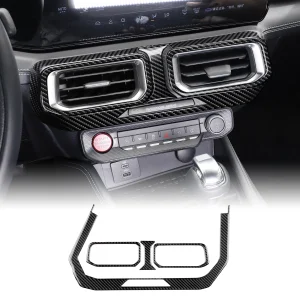
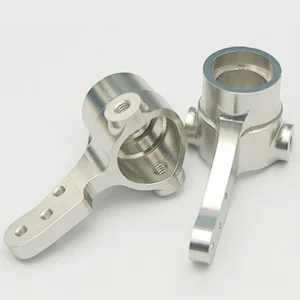
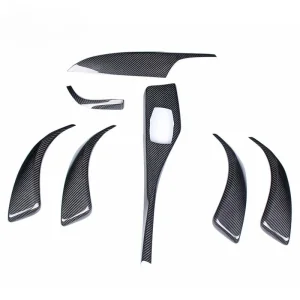
Secondly, structural lightweighting plays a critical role in increasing range and reducing energy usage. Advanced carbon fiber composites, such as those used in precision structural and aerodynamic retrofits, allow modern vehicles to reduce dead weight without sacrificing passenger compartment integrity. Furthermore, critical high-stress parts are shifting from traditional heavy iron castings to precision-machined alloys, such as 4340 steel CV joint housings. These alloys are specifically engineered using modern CNC turning and milling methods to maximize strength-to-weight ratios.
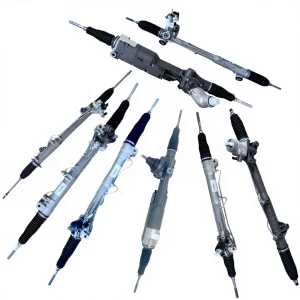
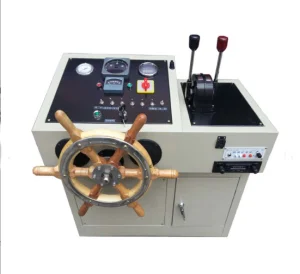
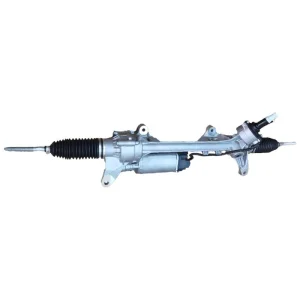
Thirdly, safety systems are moving toward intelligent, active assistance. Precision steering racks and electronic steering gear assemblies, engineered to interface with electronic control units (ECUs), provide the baseline mechanical feedback loop required for lane-keep assist, automated obstacle avoidance, and drive-by-wire transit automation.
For international procurement directors, purchasing agents, and engineering leads representing transit agencies or commercial fleets, sourcing is a balancing act between regulatory compliance, material origin verification, and total cost of ownership (TCO). In today's volatile regulatory environment, procurement teams prioritize suppliers who can offer:
Mayumi Auto addresses these global needs by providing customized product development, private-label manufacturing, technical design optimization, and application-specific automotive and industrial solutions.
The concentration of raw material processors, specialized finishing facilities, and skilled labor in Guangzhou enables Mayumi Auto to offer exceptional supply chain resilience. Through continuous investment in advanced machining equipment, automated production technologies, and testing systems, the facility ensures consistent reliability.
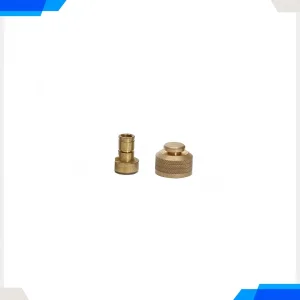
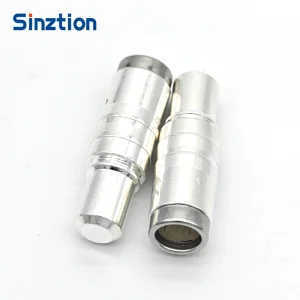
Our manufacturing processes include high-precision multi-axis CNC machining, wire EDM (Electrical Discharge Machining), and automated assembly lines. For components requiring complex geometry and tight tolerances—such as stainless steel precision components or aluminum engine parts—our computerized manufacturing floor reduces variation to micron levels. This minimizes operational defects and extends part life, resulting in lower downtime for transit fleet operators worldwide.
Understanding how components perform in real-world scenarios is essential for optimizing transit design. Mayumi Auto's product range supports several key sectors:
Technical clarifications, procurement processes, and manufacturing details for engineering partners.
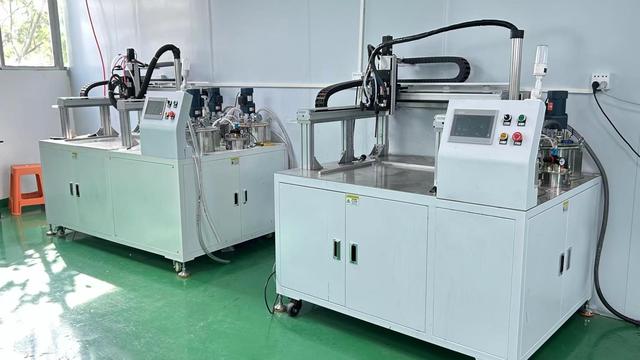
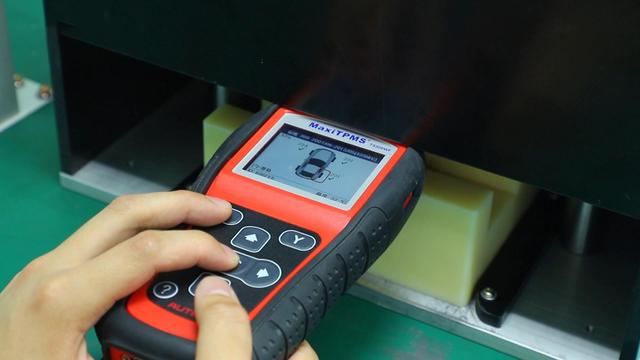
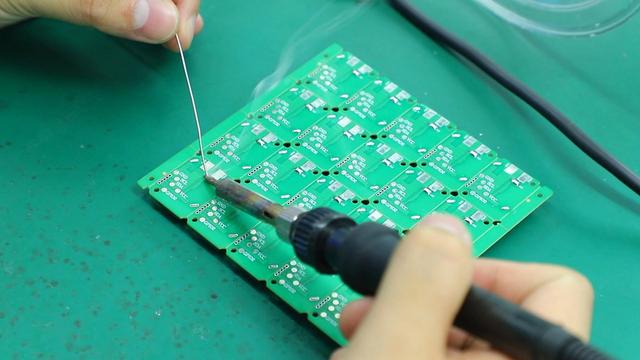
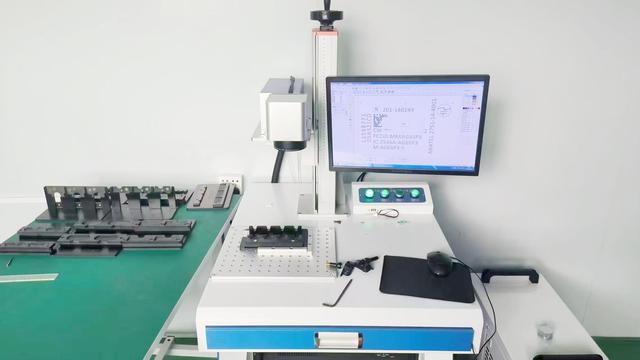
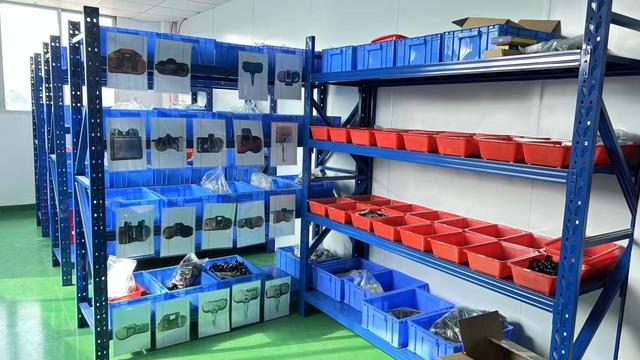
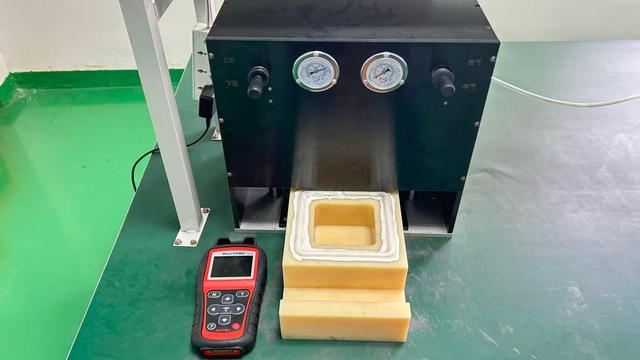
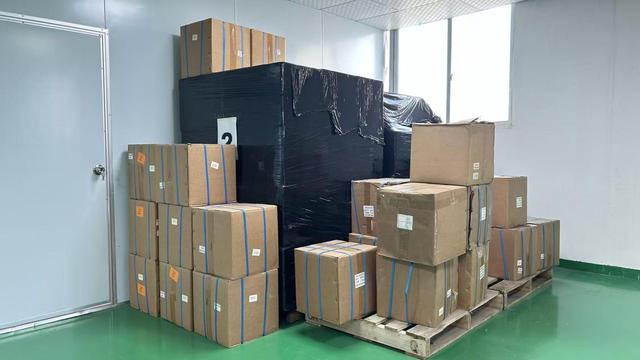
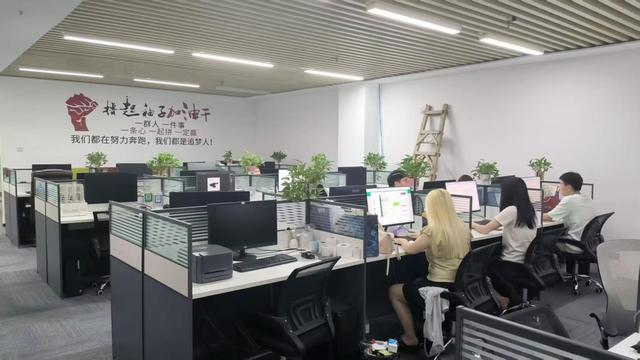
A visual look into our 25,000 square meter facility in Guangzhou, displaying our machining precision, raw material stock, and testing environment.
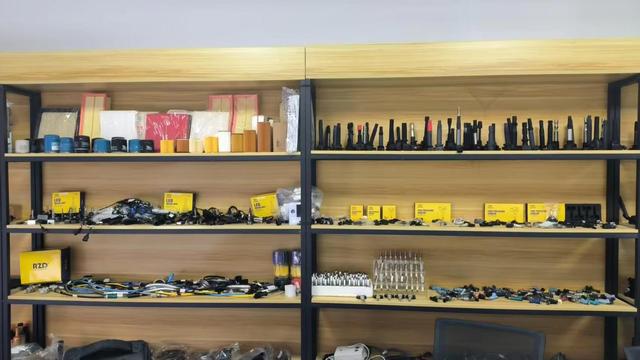
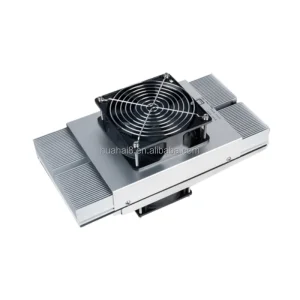
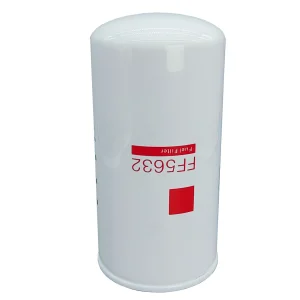
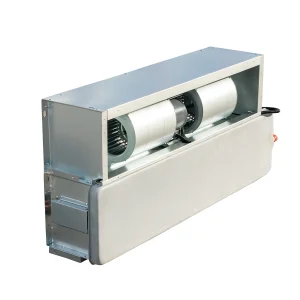
Additional commercial transportation, HVAC, and customized structural components available for bulk export orders.
 Mayumi Auto