Discover our advanced manufacturing portfolio, serving premium global aftermarket and original equipment specifications.
As modern vehicle architectures incorporate increasingly complex electronics, from advanced driver assistance systems (ADAS) to hybrid drivetrains, the role of the automotive alternator has transformed from a basic power generator to a critical smart energy manager.
A high-performance alternator is the heart of a vehicle’s low-voltage electrical distribution network. For Tier-1 suppliers and commercial fleet builders, securing custom alternator configurations is not merely about finding a vendor—it is about establishing a collaborative engineering relationship with a manufacturer that possesses deep metallurgy knowledge, electromagnetic simulation expertise, and strict process control. A custom alternator must deliver robust thermal dissipation, precise voltage regulation across extreme engine bay temperatures (-40°C to +125°C), and high rotor speed durability (often exceeding 18,000 RPM).
In this highly demanding context, Guangzhou Mayumi Auto Co., Ltd. stands as a premier manufacturing partner. Established in 2011 in Guangzhou, Guangdong Province—one of China’s preeminent automotive industrial clusters—Mayumi Auto has built a formidable reputation. Operating from a modern production facility covering 25,000 square meters and supported by a workforce of more than 280 skilled employees, the company integrates design, rapid prototyping, precision CNC machining, and comprehensive performance testing under one roof.
Global automotive procurement teams consistently look to Chinese manufacturing ecosystems to balance structural cost with engineering quality. Sourcing custom alternators from specialized factories in Guangdong offers multi-layered strategic advantages:
From high-purity oxygen-free copper wire drawers and precision stamping mills for stator laminations to advanced semiconductor foundries producing automotive-grade rectifier diodes, the supply chain is localized within a 50km radius. This drastically cuts lead times and allows rapid engineering changes.
Modern plants, such as Guangzhou Mayumi Auto Co., Ltd., employ high-speed automatic winding machines, precision multi-axis CNC mills, and digital testing loops. These technologies ensure that every single unit matches the geometric design tolerancing (GD&T) profiles required by commercial and passenger vehicle manufacturers.
By pooling large volume metal castings, raw steel stampings, and bearing procurement, Chinese factories achieve a cost-efficiency frontier that other regions cannot emulate. This allows procurement departments to allocate capital toward higher-level tech iterations like hybrid integration.
A robust custom OEM alternator must be tailored precisely to the application environment. Below, we outline the baseline physical and functional performance specs that Mayumi Auto engineering teams optimize when co-developing charging components with global buyers.
| Performance Parameter | Standard Specification Range | High-Output / Custom Heavy-Duty Limit | Material / Design Considerations |
|---|---|---|---|
| Nominal System Voltage | 12V / 24V DC | 48V DC (Mild Hybrid Integration) | Silicon MOSFET rectifiers, advanced semiconductor switches |
| Rated Current Output | 80 Amps – 150 Amps | 180 Amps – 350+ Amps | Dual internal cooling fans, premium high-purity copper windings |
| Stator Winding Configuration | Standard Random-Wound | Segmented Conductor (Hairpin Technology) | Hairpin provides up to 70% slot-fill factor, reducing resistance |
| Voltage Regulation Protcol | Internal Analog Sensing | LIN (Local Interconnect Network) / BSS / CAN | Allows engine control units (ECU) to dynamically adjust charging load |
| Bearing Quality Standards | Double-shielded C3 Clearance | High-temp fluorocarbon grease (NSK/NTN) | Essential for handling belt tension forces at 18,000+ RPM |
| Rectifier Construction | 6-Diode Press-Fit | 12-Diode High-Density Avalanche Rectifier | Avalanche diodes absorb system transient voltage spikes safely |
| Housing / Shell Alloy | ADC12 Aluminum Alloy Die-Casting | A356 Heat-Treated High-Conductivity Casting | ADC12 provides excellent structural strength and heat dissipation |
The modern automotive sector demands higher current output in smaller physical envelopes. Standard round-wire stator windings leave air gaps between conductors, reducing electrical efficiency. High-output alternator custom solutions leverage segmented conductor (hairpin) stators. By inserting precision-formed rectangular copper bars into the stator slots, the slot-fill factor is increased from ~45% to over 70%. The result is a significant decrease in internal electrical resistance, which minimizes thermal heat waste and allows the alternator to operate at peak efficiency (above 75%).
Developing future-proof vehicle electrical networks requires aligning OEM design parameters with global technology and environmental trends. The charging system is no longer isolated—it is integrated into the vehicle's smart efficiency and energy recovery framework.
Traditional alternators continuously charged the battery at a fixed voltage level, creating parasitic engine drag even when the battery was fully charged. Modern vehicle architectures utilize smart alternators controlled by the Engine Control Unit (ECU) via LIN-bus or CAN-bus protocols. The ECU monitors parameters like battery state-of-charge (SoC), temperature, and vehicle acceleration. During acceleration, the ECU commands the alternator to reduce output, reclaiming engine horsepower to improve fuel economy. During braking, the system increases alternator output, reclaiming kinetic energy to charge the battery (regenerative charging). Sourcing custom alternators with programmable regulators is now a standard requirement for meeting global emissions standards.
To support complex auxiliary units like electric turbochargers, electronic active suspensions, and high-power heating systems, the industry is transitioning from 12V networks to dual 12V/48V configurations. A key component of this architecture is the 48V Belt Starter Generator (BSG). This hybrid alternator not only generates power but also acts as a starting motor and provides torque assist to the internal combustion engine during take-off, reducing CO2 emissions by up to 15%.
Engine compartments are becoming more compact, which increases ambient temperatures. Standard alternators can suffer from thermal degradation of the copper insulation and rectifier solder joints. Forward-thinking suppliers use high-grade polyamide insulation that withstands continuous temperatures exceeding 180°C. They also use advanced thermal interface materials (TIM) to quickly transfer heat from the rectifier bridge to the aluminum housing, ensuring long-term reliability in hot climates and heavy-load applications.
Different vehicle sectors require distinct engineering considerations. An alternator designed for a city passenger car cannot survive the structural vibration and harsh environment of a mining dump truck. Below, we break down localized application scenarios for custom OEM designs:
Key Requirements: Constant high-current output at low engine idle speeds, extreme mechanical vibration resistance, and long maintenance-free service intervals (exceeding 500,000 km). Highly customized 24V brushless alternators are preferred for this segment to eliminate brush wear issues in dusty, high-mileage fleet environments.
Key Requirements: Extremely low acoustic signature, ultra-compact spatial envelope, high electrical efficiency (above 75%), and intelligent LIN-bus protocol communication. The focus is on reducing alternator rotor inertia, allowing fast-revving modern downsized turbo engines to run optimally.
Key Requirements: High ingress protection (IP67 or higher) to prevent dust, salt, moisture, and mud from penetrating the sensitive inner stator winding and rectifier assembly. Anodized aluminum housings and specialized internal conformal coatings are applied to ensure durability under harsh environmental conditions.
A high-quality supplier must verify every phase of production. At Guangzhou Mayumi Auto Co., Ltd., we follow rigorous quality management procedures. This begins with checking the raw materials, including incoming copper wire purity and rotor shaft steel grade, and continues through to final end-of-line (EOL) functional testing.
Our production lines are equipped with automated dynamic balancing machines to ensure rotor balance (to ISO G1.6 standards), preventing bearing noise and wear. Our quality assurance framework is backed by international automotive standards, ensuring our products meet the strict reliability, traceability, and batch consistency requirements of global automotive brands.
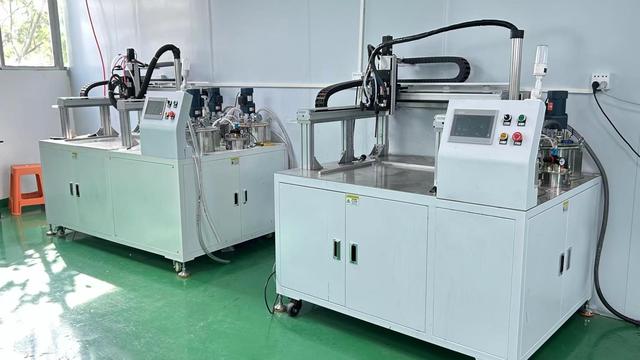
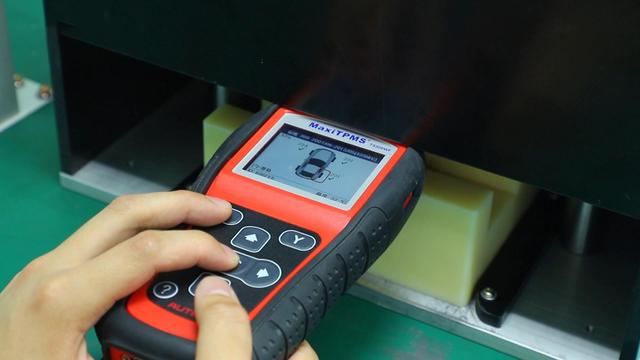
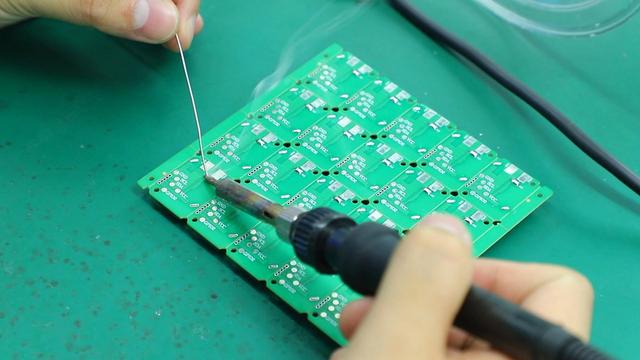
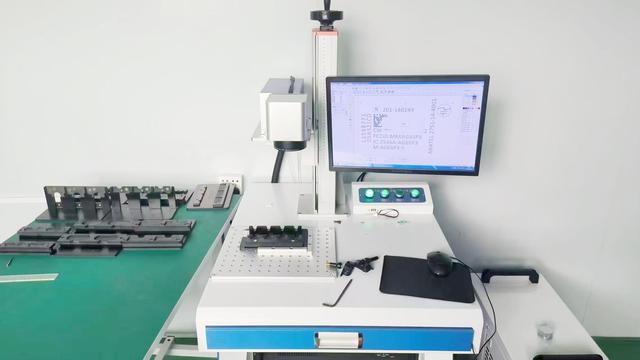
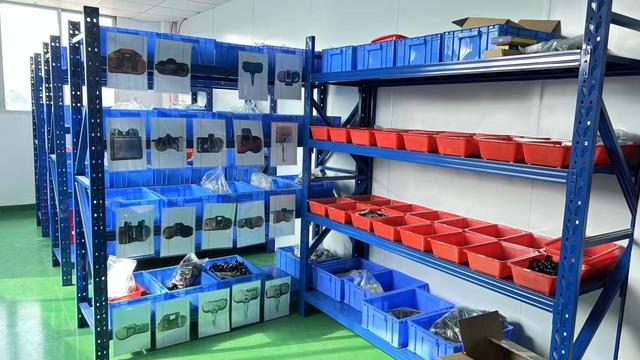
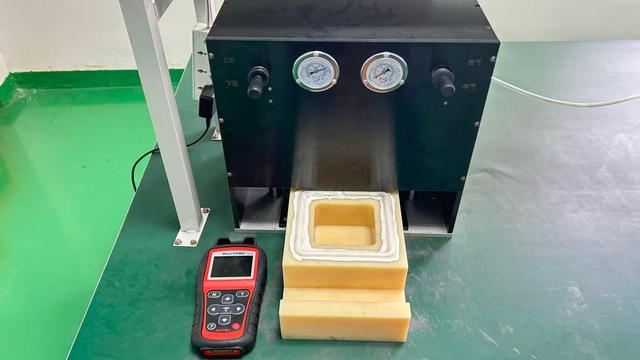
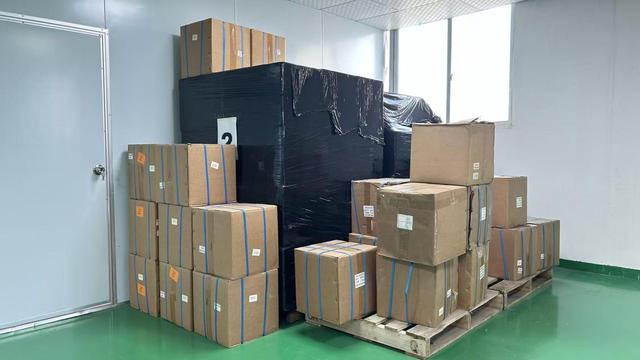
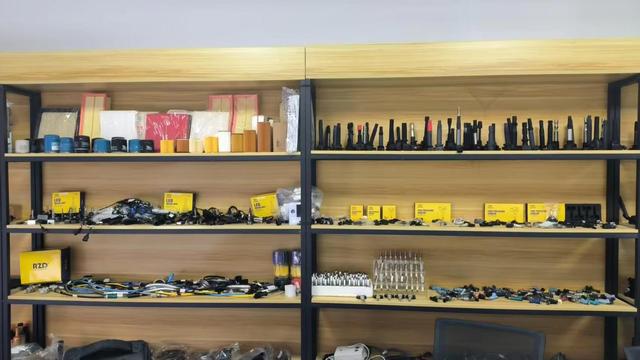
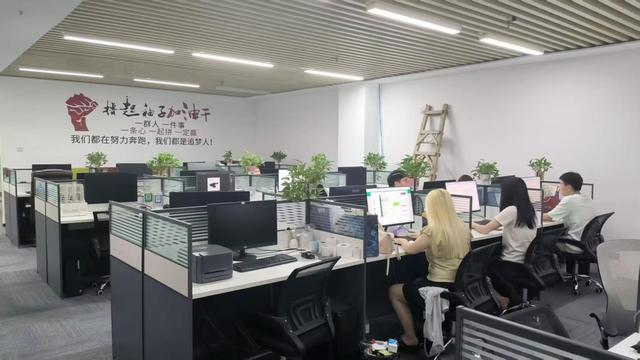
Below are images showing the production floor, testing facilities, and warehouse logistics at our Guangzhou plant. These facilities support our production capacity and ensure quality across all product lines, including suspension, steering, and engine parts.
To help global procurement managers evaluate potential partners, we have compiled answers to common questions about custom alternator engineering and supply chain management.
We offer comprehensive electromechanical customization. This includes designing custom aluminum brackets, modifying the shaft geometry, customizing pulley profiles (such as poly-V groove counts), modifying electrical connectors, and integrating smart regulator protocols (LIN 1.3, LIN 2.1, BSS, or RC circuits) to match your ECU specifications.
We mitigate failures through high-grade raw materials and strict process control. We use high-purity copper windings with thermal class-H insulation (rated to 180°C) and premium bearings filled with high-temperature synthetic lubricant. Additionally, we run 100% of our units through computerized end-of-line (EOL) testers to verify current output curve, voltage regulation precision, ripple currents, and leakage current before shipping.
For customized OEM or ODM alternator configurations, the typical prototype lead time ranges from 30 to 45 days, which includes tooling and design validation. Once prototypes are approved, volume production takes approximately 30 to 40 days depending on raw material sourcing. The MOQ varies based on tooling requirements but typically starts at 200 units per specialized configuration.
Yes, we support smart charging protocols. Our electrical engineering department can configure and flash voltage regulators with customized LIN-bus addresses and baud rates. This enables real-time monitoring of stator temperature, regulator status, and field excitation current by the engine computer.
Guangzhou is a major automotive industrial hub in South China, offering access to deepwater ports (such as Nansha Port) and Guangzhou Baiyun International Airport. This proximity to sea and air routes ensures efficient international logistics, lower domestic shipping costs, and faster customs clearance.
Yes, specialty applications are a key focus for our custom services. For emergency and marine applications, we use high-output configurations that deliver significant charging current at low engine idle speeds. Marine applications also receive an anti-corrosion coating on the rotor and stator, along with sealed rectifier assemblies to protect against moisture and salt spray.
Looking to develop a customized alternator charging solution for your upcoming vehicle series? Contact the engineering team at Guangzhou Mayumi Auto Co., Ltd. for technical feasibility studies and quoting.
Request Technical ConsultationWe supply a wide range of automotive systems and replacement parts to global commercial vehicle markets.
 Mayumi Auto