Understanding "why do automotive components fail" is crucial for manufacturers and consumers alike. According to a 2022 report by the Automotive Industry Action Group, component failure accounts for 30% of warranty claims. This statistic underscored the importance of proactive measures in design and maintenance.
Components may fail due to various factors. Poor material selection, manufacturing defects, and inadequate testing are common culprits. A study by J.D. Power revealed that 25% of reported failures stem from incorrect installation. These insights show that not all failures are due to the component itself but often relate to human error or negligence.
A reliable automotive component should endure rigorous use. However, failures can be a wake-up call for the industry. They remind manufacturers of the need for continuous improvement. Advanced technologies like predictive analytics can help reduce the chances of failure. Emphasizing quality control and thorough testing can enhance reliability. Understanding failure reasons is the first step in building better, safer vehicles.
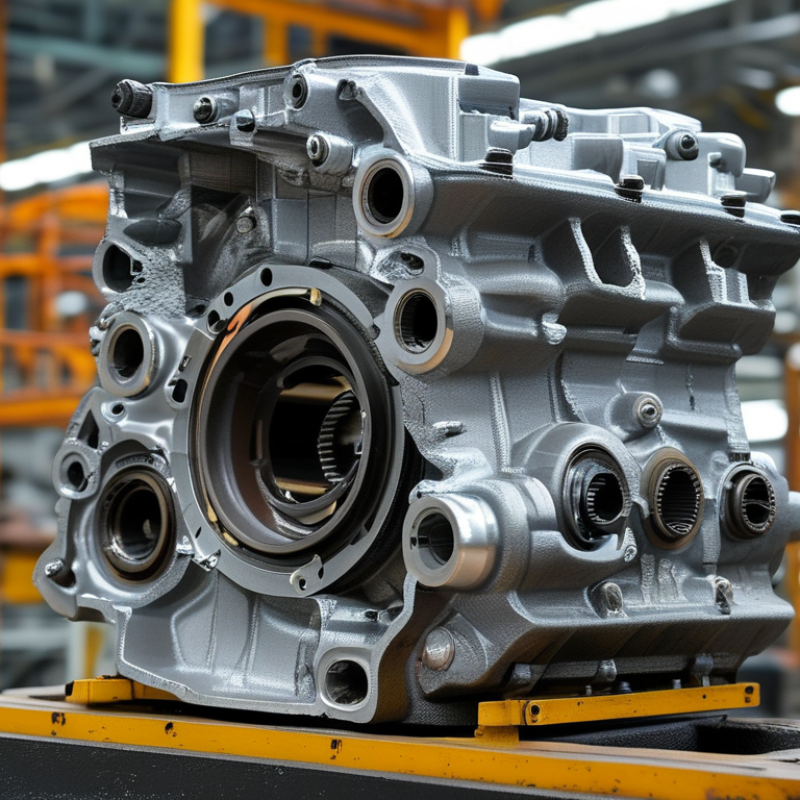
Automotive component failures can seem mysterious. However, understanding common causes can help prevent them. One major factor is wear and tear. Regular use leads to natural degradation. Parts like brake pads and tires show signs of this. Over time, even high-quality components will suffer.
Another common issue is improper installation. Even skilled mechanics can make mistakes. Components may not align correctly. This can lead to malfunction or premature failure. Regular inspections are vital to catch these problems early. Additionally, improper maintenance plays a significant role. Skipping oil changes or ignoring fluid levels can cause severe damage.
Environmental factors also contribute. Extreme temperatures can affect performance. For instance, rubber components may crack in cold climates. Conversely, excessive heat can deteriorate fluids and lubricants. Keeping an eye on your vehicle's environment helps in identifying potential issues. Small cracks can signal larger problems down the line. Noticing these changes early on often saves time and money.
Material fatigue plays a crucial role in the lifespan of automotive components. This phenomenon occurs when materials experience repeated stress, leading to microscopic cracks. Over time, these cracks can grow and culminate in catastrophic failures. Understanding the mechanisms of material fatigue helps in designing parts that can withstand daily use.
High-stress conditions such as rapid acceleration and harsh road conditions accelerate fatigue. Factors like temperature, humidity, and load cycles compound the issue. Engineers must consider these variables in their designs. However, sometimes, there is a tendency to overlook minute details during the design phase. Small imperfections can exacerbate fatigue issues significantly.
Preventive measures include regular inspection and maintenance. Early detection of cracks can save costs and increase safety. Yet, not all vehicle owners prioritize such checks. This negligence can lead to unexpected breakdowns. Everyone should reflect on their driving habits and maintenance routine to ensure longevity and reliability of their vehicles.
Environmental conditions play a crucial role in the durability of automotive components. Extreme temperatures can cause materials to expand and contract, leading to potential cracks or failures. High humidity levels can facilitate corrosion, especially on metal parts, reducing their lifespan. UV exposure can degrade plastics and seals, rendering them less effective over time. Regular maintenance is essential, but many overlook the impact of these elements.
Moisture and salt can exacerbate wear and tear on vehicles, particularly in coastal areas. Parts such as brake lines and fuel tanks are particularly vulnerable. Over time, exposure to these conditions can result in unseen damage, which may only be detected during routine inspections. It’s advisable to regularly check for signs of corrosion or wear, as early detection can save money on repairs.
Drivers often ignore how micro-environments, like parking in direct sunlight or near water bodies, affect their vehicles. Being aware of the surroundings is crucial. Even small factors can contribute to larger problems later. Each vehicle is affected differently by environmental elements. Thus, adjusting care based on location is key to prolonging component life.
| Component Type | Common Failure Causes | Environmental Conditions Impact | Durability Tips |
|---|---|---|---|
| Brake Pads | Overheating, wear and tear | High temperatures, wet conditions | Regular checks, avoid overheating |
| Engine Oil | Contamination, viscosity breakdown | Extreme temperatures, humidity | Frequent changes, use quality oil |
| Tires | Balding, punctures | Extreme heat, icy surfaces | Regular rotations, appropriate pressure |
| Battery | Corrosion, age | Extreme cold, heat | Regular testing, clean terminals |
| Radiator | Leaks, clogs | High temperatures, road debris | Flush regularly, inspect for damage |
Automotive component failures can lead to costly repairs and safety hazards. Regular maintenance practices are essential to prevent these failures. According to the Automotive Maintenance Safety Awareness (AMSA) report, up to 20% of vehicle breakdowns are due to neglected maintenance. This statistic highlights the need for proactive care.
One effective tip is to change engine oil regularly. Fresh oil lubricates engine parts, reducing friction and wear. The AMSA recommends changing oil every 3,000 to 5,000 miles. The transmission fluid should also be checked consistently. Old or low fluid can lead to transmission failure, which is expensive to fix.
Tires require attention as well. Proper tire inflation and regular rotation can extend tire life significantly. According to a 2022 Tire Industry Association report, properly inflated tires can improve fuel efficiency by up to 3%. Neglected tires can lead to blowouts, compromising safety. Regular inspections will help you catch issues early.
This chart represents the failure rates of various automotive components based on industry studies. Understanding which components are more prone to failure can help in prioritizing maintenance practices.
Identifying signs of wear and tear in automotive parts is crucial for vehicle safety. Regular inspections can help catch problems early. Listen for unusual noises while driving. These sounds may indicate a failing component. Pay attention to vibrations as well. They can signal that something is off balance.
Check your tires for uneven wear. This can hint at alignment issues or suspension problems. Look at your brake pads as well. If they appear thin or worn, it's time for a replacement. Rust on brake rotors might be another red flag. It often points to neglect in maintenance.
Here’s a tip: Keep a maintenance log. Documenting service history helps track recurring issues. Another tip is to consult professionals during routine check-ups. Their expertise can reveal problems you might overlook. Making these observations can enhance vehicle longevity and safety. Remember, early detection is key.
: Material fatigue occurs when components experience repeated stress, leading to microscopic cracks over time.
Extreme temperatures, humidity, and UV exposure can cause cracks, corrosion, and decreased effectiveness in vehicle components.
Regular inspections, oil changes, and checking transmission fluid are crucial for preventing component failures.
Some overlook routine checks, believing their vehicles are fine, which can lead to unexpected breakdowns later.
They can exacerbate corrosion and wear, particularly in vulnerable parts like brake lines and fuel tanks.
Neglected maintenance accounts for up to 20% of vehicle breakdowns, highlighting the importance of proactive care.
Driving in high-stress conditions increases material fatigue, so habits should be adjusted to improve vehicle life.
Micro-environments like parking in direct sunlight can lead to unseen damage, impacting vehicle performance over time.
Old oil can cause increased friction and wear on engine parts, leading to potential mechanical failures in the future.
Proper inflation and rotation can prevent blowouts and improve fuel efficiency, enhancing overall driving safety.
Understanding why do automotive components fail is crucial for ensuring vehicle reliability and safety. Common causes of failures often stem from material fatigue, which can significantly affect the lifespan of key parts. Additionally, environmental conditions—such as temperature fluctuations, humidity, and exposure to corrosive elements—play a significant role in the durability of automotive components.
To mitigate these issues, adopting proactive maintenance practices is essential. Regular inspections can help identify signs of wear and tear, allowing for timely interventions and replacements. By enhancing awareness of these factors, vehicle owners can better preserve their automotive components, leading to improved performance and longevity.

Mayumi Auto