China Top 10 Tips for Choosing Quality Automotive Parts?

Time:2026-06-09 Author:Mason
0%

Choosing quality automotive parts can be challenging. Many factors influence this decision. Understanding how to choose quality automotive parts is essential for vehicle longevity and performance.

Reliable automotive parts ensure safety and efficiency. Yet, the market is flooded with options, making it easy to overlook vital details. Even experienced buyers sometimes struggle with making the right choice. Research can help, but it's not always straightforward. Brand reputation, material quality, and warranty terms require careful consideration.

Before purchasing, think about your specific needs. Evaluate whether you need original equipment manufacturer (OEM) or aftermarket parts. Quality should guide your choice. Ask questions and read reviews. Ultimately, prioritizing quality can save you from future expenses and trouble. Select wisely, and your vehicle will thank you.
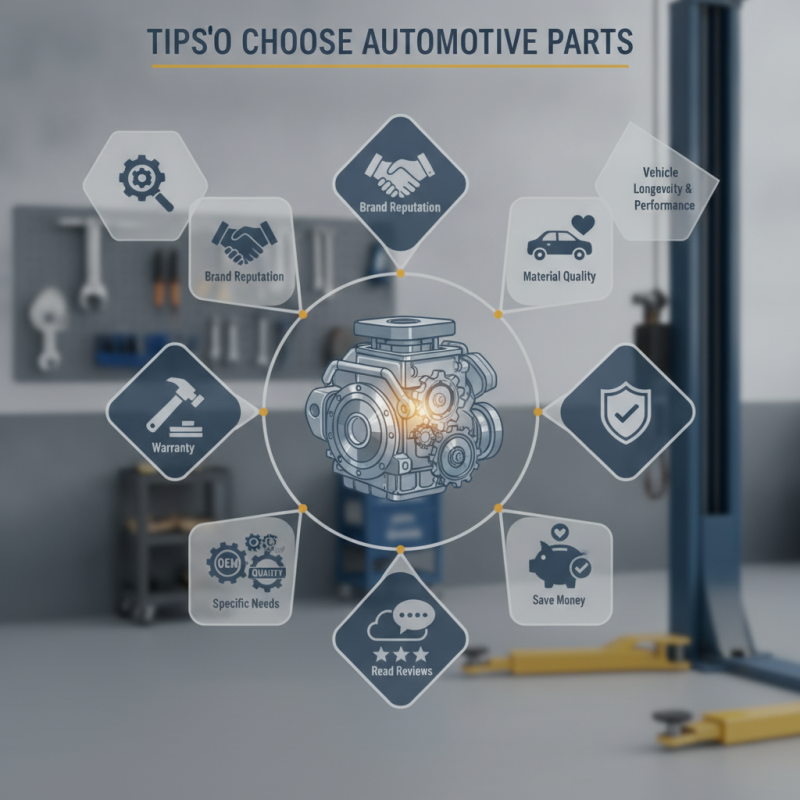
China Top 10 Tips for Choosing Quality Automotive Parts?

Understanding the Importance of Quality in Automotive Parts Selection

Quality in automotive parts is vital for ensuring safety and performance. According to a study by the Automotive Industry Association, poorly manufactured parts contribute to 30% of vehicle breakdowns. This statistic highlights the crucial need for selectivity when choosing automotive components.

When selecting parts, consider the material quality. Using high-grade materials can prevent premature wear and tear. For instance, steel components must meet specific hardness standards to resist deformation. Pay attention to certifications. Parts that adhere to recognized standards show compliance with industry norms, offering an additional layer of reliability.

Tip: Always request documentation to verify authenticity. Counterfeit parts are a significant issue, constituting about 10% of the global market, as reported by the International Organization for Standardization. Such parts can compromise vehicle integrity. Another important step is to consult experts or mechanics who can provide insights on part performance and durability based on their experience.

Identifying Reputable Brands and Manufacturers in the Automotive Industry

When selecting automotive parts, identifying reputable brands is crucial. Industry reports indicate that over 80% of failures in vehicles arise from subpar components. This data highlights the importance of quality in automotive parts.

Reputable manufacturers often invest in advanced technology and research. For instance, companies that adhere to ISO 9001 standards tend to have better production practices. This can directly correlate with the reliability of their products. Look for certifications and endorsements to validate a brand’s credibility.

Another key indicator is customer feedback. Reviews can provide insight into the real-world performance of parts. However, navigating online reviews can be tricky; some may be biased or manipulated. It’s wise to cross-reference feedback across multiple platforms. Transparency in a brand’s sourcing can also enhance trustworthiness.

In the end, making informed decisions hinges on thorough research. Ensure to evaluate both the brand’s history and their customer service responsiveness. The automotive industry is vast, and finding the right part should not be rushed.

Evaluating Compatibility with Your Vehicle's Make and Model

When selecting automotive parts, ensure they are compatible with your vehicle's make and model. Compatibility is crucial for performance and safety. Parts that don't fit can lead to unexpected issues. Always check your vehicle's manual for specifications. It can save you time and money.

Tip: Research the specific part numbers for your vehicle. Different versions may exist for the same model. Incorrect parts can create functionality problems. It's wise to consult with experienced mechanics or online forums. They can offer insights based on real experiences.

Understanding your vehicle's system is key. Ensure the part you choose meets your model's requirements. Minor differences often exist between production years. Ignoring these can lead to serious troubles down the road. Don't rush into purchasing. Taking the time to evaluate will enhance your vehicle's performance and longevity.

China Top 10 Tips for Choosing Quality Automotive Parts

The following chart displays the evaluation of key factors for choosing quality automotive parts. Each factor is rated on a scale of 1 to 10, where 10 indicates the highest importance.

Assessing Material Specifications and Durability Standards

When selecting automotive parts, understanding material specifications is crucial. High-quality materials enhance durability and performance. Look for components made from certified steel or aluminum, as these metals resist corrosion and wear. Rubber parts should be made from quality compounds that withstand heat and chemicals. Durability standards ensure parts can endure various road conditions, impacting safety and longevity.

Researching compliance with industry standards is essential. Manufacturers often provide testing data or certifications. This information can guide your decisions. However, not all manufacturers offer transparency. Some may claim high durability without proof. It’s wise to seek independent reviews or ratings. Inspecting product reviews could reveal potential weaknesses.

Consider the environment too. Factors like temperature and humidity affect material performance. In extreme conditions, even high-quality parts might underperform. Ask experts if you're uncertain. Engaging with knowledgeable professionals can reveal insights you may overlook. Ultimately, balancing specifications with real-world feedback guides better choices. Don't rush; take time to evaluate your options.

Checking for Certifications and Warranties on Automotive Parts

When it comes to purchasing automotive parts, checking for certifications is vital. A certified part ensures it meets industry standards. Look for established certifications from recognized organizations. These marks signify quality and safety, which are crucial for your vehicle’s performance. Verify if the part has passed rigorous testing procedures. It might save you from costly repairs down the road.

Warranties are equally important when choosing automotive parts. A good warranty indicates the manufacturer’s confidence in their product. It also protects your investment in case of defects. Analyze the warranty’s terms carefully. Some warranties might seem appealing but could have hidden limitations. Never overlook customer reviews regarding warranty claims. These insights can highlight potential issues you may not have considered.

Remember, not all parts come with certifications or warranties. This lack of documentation may indicate subpar quality. Purchasing such parts can lead to unexpected challenges. Stay informed and cautious throughout the buying process. Trust your instincts, but also rely on credible sources for guidance. A well-informed decision boosts both your safety and your vehicle’s longevity.

China Top 10 Tips for Choosing Quality Automotive Parts

Tip Number Tip Description Importance Recommended Action
1 Check for ISO Certifications High Ensure the supplier is ISO certified.
2 Look for OEM Parts High Choose parts that are original equipment manufacturer.
3 Review Warranty Offers Medium Check warranty terms before purchasing.
4 Check Customer Reviews Medium Read reviews on product quality and durability.
5 Ask for Product Samples Medium Request samples to inspect quality directly.
6 Evaluate Supplier Reputation High Research the supplier's market reputation.
7 Ask About Return Policies Medium Understanding the return process is crucial.
8 Compare Prices Medium Get quotes from multiple suppliers.
9 Investigate Manufacturing Process High Ensure high standards are used in production.
10 Seek Expert Recommendations High Consult with automotive professionals.

FAQS

: How can I ensure that automotive parts are compatible with my vehicle?

: Check your vehicle's manual for specifications. Always verify part numbers for accuracy.

Why is it important to check material specifications?

High-quality materials enhance durability and performance. They resist corrosion and wear effectively.

What should I look for regarding certifications of automotive parts?

Look for established certifications from recognized organizations. They signify the part meets industry standards.

How can warranties protect my investment in automotive parts?

A good warranty shows manufacturer confidence. It also offers protection against defects and issues.

What is the role of customer reviews in the purchasing process?

Reviews can uncover potential weaknesses and insights about warranty claims. They guide informed decisions.

What should I consider before purchasing parts for extreme conditions?

Environmental factors like temperature and humidity can affect performance. Choose materials suited for harsh conditions.

Why might I need to consult with a mechanic before buying parts?

Experienced mechanics can offer insights and real-world experiences. Their recommendations may prevent costly mistakes.

Are all automotive parts sold with warranties and certifications?

No, some parts lack these documents, indicating possible quality issues. Caution is needed when buying them.

How can material durability affect my vehicle's performance?

Durable materials ensure that parts withstand various road conditions, impacting safety and longevity.

What common mistakes should I avoid when selecting automotive parts?

Don’t rush into purchases. Ignoring minor differences between models can lead to significant issues later.

Conclusion

When it comes to how to choose quality automotive parts, understanding the significance of quality in parts selection is crucial. This involves identifying reputable brands and manufacturers within the automotive industry, which ensures that the components being used are reliable. Additionally, it is important to evaluate the compatibility of the parts with your specific vehicle make and model to avoid issues down the line.

Moreover, assessing the material specifications and durability standards of automotive parts can help you determine their longevity and performance. Lastly, checking for certifications and warranties provides an extra layer of assurance regarding the quality and safety of the parts. By following these guidelines, you can make informed decisions that ensure the reliability and performance of your vehicle.

Mason

Mason

Mason is a seasoned marketing professional with a deep expertise in the company's offerings and a passion for driving brand awareness. With a strong background in digital marketing strategies, he has an innate ability to connect with diverse audiences and effectively communicate product benefits.......