Precision manufacturing plays a critical role in the automotive parts industry. It's about ensuring each component meets exact specifications for safety and performance. As Dr. Jane Holloway, a renowned expert in automotive engineering, aptly states, “Precision in manufacturing isn’t just a benefit; it’s a necessity for the industry.” This highlights why is precision manufacturing important in automotive parts.
Manufacturers face challenges in adhering to tight tolerances. Small discrepancies can lead to significant issues, such as part failures or safety risks. For example, components like brake discs and engine parts must be produced with meticulous accuracy. A minor error can compromise vehicle performance.
Moreover, with the rise of electric vehicles, precision manufacturing is more vital than ever. As complexities increase, maintaining high standards becomes crucial. While many manufacturers strive for perfection, slight variances can have cascading effects. The automotive industry must continuously reflect on these challenges to improve quality and reliability. This ongoing journey emphasizes the importance of precision in ensuring safe and efficient vehicles for consumers.
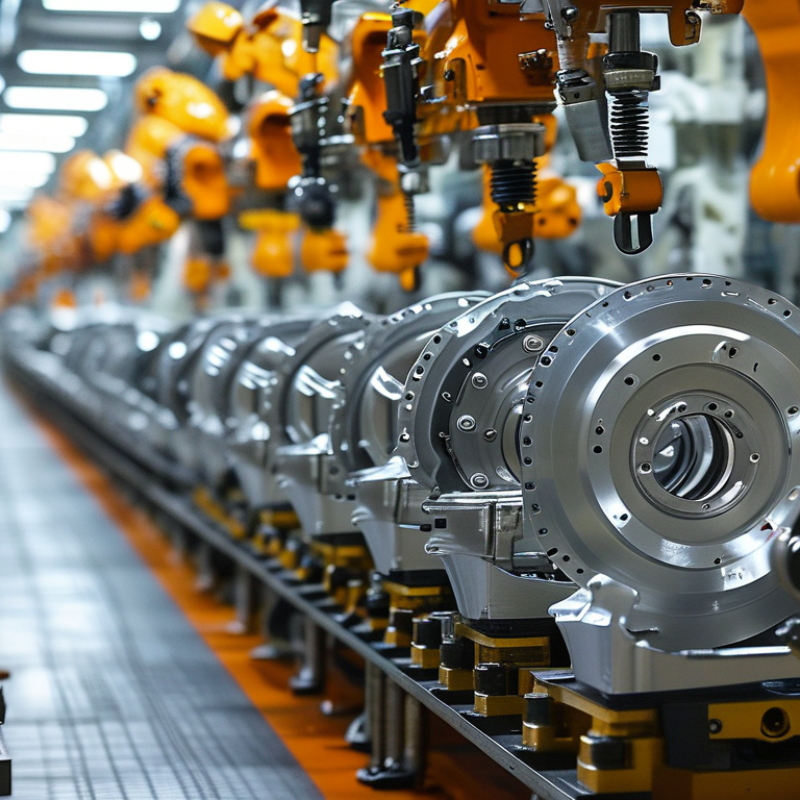
In the automotive industry, precision manufacturing is vital. It ensures that parts meet strict tolerances and quality standards. A report from the International Journal of Automotive Technology indicates that automotive defects can cost companies upwards of $22 billion annually. This highlights the importance of precision.
Manufacturers face pressure to reduce costs while maintaining quality. Inefficient processes can lead to wasted materials and time. In fact, the Society of Automotive Engineers estimates that the total cost of poor quality in the industry is around 15% of their revenue. Implementing precision manufacturing processes can mitigate these issues significantly.
**Tip:** Regular audits can help identify areas for improvement. Investing in advanced technologies, like CNC machining, is effective. Precision in part production leads to better vehicle performance and safety. Customers increasingly demand high-quality, reliable products.
Precision manufacturing also reflects in supply chain efficiency. It enhances collaboration between suppliers and manufacturers, resulting in fewer delays. As a result, companies can respond faster to market demands.
**Tip:** Utilize simulation technologies to test manufacturing processes before full-scale production. This helps visualize potential pitfalls and allows for better planning. The future of automotive manufacturing lies in embracing precision.
Precision manufacturing plays a vital role in automotive parts. It directly affects vehicle performance and safety. When components are produced with high accuracy, they ensure a better fit within complex systems. This leads to improved engine efficiency and overall performance. A small error in dimensions can create significant issues, such as misalignments in the drivetrain. These misalignments can not only degrade performance but also compromise safety.
Moreover, precision manufacturing contributes to durability and reliability. Parts that fit perfectly tend to wear less over time. This results in fewer breakdowns and lower maintenance costs. However, the process is not without its challenges. Implementing precision manufacturing often requires advanced technology and skilled labor, which can be costly. Investing in such technologies requires careful consideration and reflection on a company’s goals and capabilities.
Ultimately, precision manufacturing has a profound impact on vehicles, both in performance and safety. Inaccurate parts can lead to accidents and failures. Thus, the automotive industry must prioritize precision to enhance reliability and consumer trust.
Precision manufacturing plays a critical role in the automotive industry. One significant benefit is cost efficiency. According to a McKinsey report, implementing precision techniques can reduce production costs by up to 30%. This reduction comes from minimizing material waste and lowering energy consumption during manufacturing.
Waste reduction is another advantage. The automotive sector generates vast amounts of scrap material. A study from the Society of Automotive Engineers shows that precision manufacturing can cut waste by 50%. This reflects not only in economic benefits but also in sustainability practices that the industry is striving for. Reducing waste helps lessen the environmental impact of automotive production.
However, challenges exist. Transitioning to precision manufacturing requires significant investment in technology and training. Smaller manufacturers may struggle with the initial costs. Moreover, there can be a steep learning curve associated with adopting new techniques. Companies need to approach this transition thoughtfully. Adopting precision manufacturing is not just about equipment; it’s about cultivating a culture of continuous improvement.
| Reason | Description | Impact on Cost Efficiency | Impact on Waste Reduction |
|---|---|---|---|
| 1. Enhanced Accuracy | Precision manufacturing techniques lead to more accurate components. | Reduces costs related to errors and rework. | Minimizes material waste from manufacturing defects. |
| 2. Improved Performance | Precision parts function better under stress and temperature variations. | Longer lifespan reduces replacement costs. | Lower failure rates result in less waste over time. |
| 3. Increased Production Speed | Automation and precision allow for quicker processing times. | Faster production equates to reduced labor costs. | Less time spent means lower waste generation. |
| 4. Consistent Quality | Maintains high standards across all manufactured parts. | Fewer discrepancies lead to cost savings in quality control. | Reduces raw material waste due to fewer defective parts. |
| 5. Flexibility in Design | Precision manufacturing allows for intricate designs without added costs. | Reduces the need for costly redesigns. | Less waste generated from less trial and error in designs. |
| 6. Sustainability Practices | Emphasizes the use of sustainable materials and processes. | Sustainable practices often mean lower operational costs. | Decreases environmental footprint through reduced waste. |
| 7. Enhanced Safety | Precise manufacturing minimizes risks of component failure. | Reduces costs related to safety recalls. | Fewer accidents mean lower waste from damaged products. |
| 8. Better Customer Satisfaction | High-quality parts lead to improved customer experience. | Increased customer loyalty translates to lower marketing costs. | Reduces returns and replacements, minimizing waste. |
| 9. Advanced Technology Integration | Incorporates latest technology for enhanced manufacturing processes. | Technological advancements often reduce production costs. | Decreases waste through better design and manufacturing techniques. |
| 10. Competitive Advantage | Precision gives companies an edge in the automotive market. | Lower costs can lead to better pricing strategies. | Innovation leads to less waste, improving overall efficiency. |
Precision manufacturing has transformed the automotive parts industry. Advancements in technology play a crucial role in this evolution. Automated processes enhance accuracy while reducing manual errors. Computer numerical control (CNC) machines now deliver parts with exceptional precision. These machines cut materials to the exact specifications required.
3D printing has also emerged as a significant player. It allows for rapid prototyping, enabling engineers to test designs quickly. This technology facilitates customization, which adapts parts to specific vehicle needs. However, the integration of these technologies isn’t without challenges. The steep learning curve sometimes prevents companies from fully realizing benefits.
Furthermore, while these advancements promise high efficiency, they require substantial investments. Smaller manufacturers may struggle to compete. Such complexities highlight the need for ongoing training and development. With effective strategies, the automotive industry can harness technology's full potential. However, constant reflection on these practices is essential to avoid pitfalls in implementation.
Precision manufacturing is a cornerstone of sustainable automotive solutions. It enhances the efficiency of vehicle production, reducing waste significantly. By using advanced technologies and techniques, manufacturers create parts with tighter tolerances. This increases the durability and performance of automotive components. High-quality parts lead to better fuel efficiency and lower emissions, driving sustainability.
Moreover, precision manufacturing supports the transition to electric vehicles (EVs). EVs require components that can handle higher voltage and increased thermal loads. It challenges manufacturers to innovate continually. However, not all facilities have adopted these practices. There can be a gap between technology and implementation, leading to inconsistent quality. This highlights the need for continued investment and training in the industry.
Collaboration among manufacturers, engineers, and sustainability experts is vital. They can work together to find new ways to improve the precision of automotive parts. Challenges remain, such as balancing cost and quality. This ongoing effort towards precision is essential for a greener future in the automotive industry. By facing these challenges, the industry moves closer to creating a more sustainable environment.
: It ensures parts meet strict tolerances and quality standards, reducing defects and costs.
It minimizes material waste and lowers energy consumption, potentially cutting production costs by up to 30%.
It reduces waste significantly, leading to lower environmental impact and improved fuel efficiency.
Initial costs can be high, and there may be a steep learning curve for new techniques.
Regular audits and investing in advanced technologies, like CNC machining, can help identify and solve issues.
Precision in part production leads to better vehicle performance and enhanced safety for consumers.
No, some facilities struggle with adopting new technologies, causing inconsistencies in quality.
Working together enhances innovation, helping to find new ways to improve automotive part precision.
They require components capable of handling higher voltage and increased thermal loads, demanding continual innovation.
Companies should focus on training and maintaining investment in precision manufacturing practices.
Precision manufacturing plays a crucial role in the automotive industry, primarily because it enhances vehicle performance and safety. By ensuring that parts are produced with minimal tolerances, manufacturers can improve the reliability and durability of vehicles, which is essential for consumer trust. Cost efficiency is another significant advantage, as precision techniques reduce material waste and optimize production processes, ultimately lowering overall manufacturing expenses.
Furthermore, advancements in technology are continuously driving precision manufacturing forward, allowing for more innovative approaches to design and production. These advancements not only contribute to efficiency but also align with the industry's shift towards sustainable solutions. Given these factors, "why is precision manufacturing important in automotive parts" becomes clear: it is vital for achieving high-quality standards, reducing costs, and supporting the development of greener automotive technologies.

Mayumi Auto