The automotive industry is more than just cars and trucks. It produces a wide range of components that support various sectors. Understanding what industries rely on automotive components is crucial for grasping the interconnectedness of global markets. From agriculture to construction, many fields need these parts for efficiency and innovation.
Manufacturers of industrial machinery depend heavily on automotive springs, brakes, and engines. These components enable heavy machinery to perform optimally. Additionally, the telecommunications sector uses automotive wiring and electronic systems for connectivity.
Moreover, industries like aerospace and healthcare increasingly rely on advanced automotive materials for their projects. Here, it's essential to reflect on the reliability of these components. As technologies advance, can automotive parts truly meet diverse industry needs? The impact of automotive components on these sectors highlights a complex, yet vital, relationship.
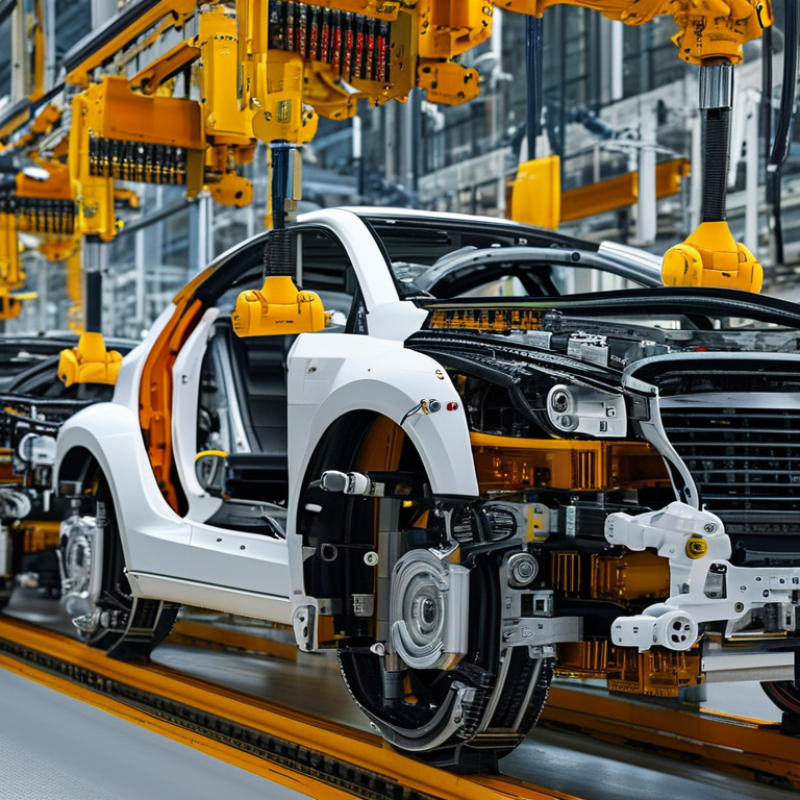
Automotive components play a crucial role in numerous manufacturing sectors. From electronics to construction, these parts ensure efficiency and reliability. Industries depend on various automotive pieces, including engines, transmissions, and sensors, for product development and operational success. The impact is significant. For example, in aerospace, automotive components can enhance engine performance, leading to safer flights.
One tip for manufacturers is to focus on quality over quantity. Always assess the durability of the components used. High-quality parts may require a larger investment upfront, but they lead to lower maintenance costs in the long run. Substandard components can result in frequent breakdowns. This not only affects production schedules but also diminishes the brand's reputation.
Another consideration is sustainability in sourcing automotive parts. Manufacturers should seek eco-friendly suppliers. This choice can improve the overall environmental impact of products. However, transitioning to sustainable components might face challenges. Careful planning is essential to ensure that the supply chain remains stable while adopting greener practices. Balancing these needs requires thoughtful reflection and strategic decision-making.
The aerospace sector increasingly relies on automotive components for enhanced performance and reliability. Automotive parts are engineered for durability, making them suitable for the demanding environments of aircraft. For instance, the lightweight materials used in car manufacturing are being adapted for aerospace applications. These materials can significantly reduce aircraft weight, leading to improved fuel efficiency.
However, this integration is not without its challenges. The aerospace industry has stringent safety standards that automotive parts must meet. There can be discrepancies in quality control when transitioning components from one industry to another. Engineers must address these gaps to ensure that the parts are aviation-ready. Additionally, while some automotive innovations like electronic systems are beneficial, they pose integration challenges due to different operational requirements.
Collaboration between the automotive and aerospace sectors is essential. Engineers from both fields can share knowledge, promoting innovative solutions. Yet, achieving this synergy requires time and investment. Each sector has unique pressures, making alignment complex. Despite these hurdles, the potential for growth and efficiency is substantial. As both industries evolve, the crossroads they share will continue to shape the future of mobility.
| Industry | Impact of Automotive Components | Key Automotive Components Used | Example Applications |
|---|---|---|---|
| Aerospace | Utilizes lightweight materials and precision components. | Aluminum alloys, fasteners, electrical systems. | Aircraft frames, control systems. |
| Construction | Heavy machinery relies on automotive-style components for reliability. | Engines, hydraulic systems. | Excavators, cranes. |
| Agriculture | Modern farming equipment uses automotive technologies for efficiency. | Transmissions, diesel engines. | Tractors, harvesters. |
| Marine | Boat engines and systems mimic automotive technologies. | Marine drives, control panels. | Yachts, fishing boats. |
| Railway | Components from automotive technology enhance train systems. | Braking systems, suspensions. | Passenger trains, freight carriers. |
| Robotics | Industrial robots often utilize automotive-style components. | Sensor technologies, motors. | Assembly line robots. |
| Telecommunications | Networking equipment relies on electronic components similar to those in vehicles. | Circuit boards, connectors. | Signal routers, satellite communication devices. |
| Consumer Electronics | Many devices incorporate automotive-grade components for durability. | Battery management systems, chips. | Smartphones, tablets. |
| Medical Devices | Some advanced medical devices are built using automotive technologies. | Sensors, pumps. | Infusion pumps, monitoring systems. |
The electronics industry heavily relies on automotive components to drive innovation and efficiency. A recent report from the International Data Corporation (IDC) reveals that automotive electronics make up over 20% of the global semiconductor market. This statistic underscores their significance, illustrating how connected vehicles boost demand for advanced electronic systems.
Powertrain control modules, sensors, and infotainment systems are pivotal in modern vehicles. In 2023, the global automotive electronics market was valued at approximately $250 billion and is expected to grow at a compound annual growth rate (CAGR) of 8% through 2028. These components enable features like adaptive cruise control and vehicle-to-everything (V2X) communication. Yet, challenges persist. The supply chain disruption during the pandemic hit the electronics sector hard. This highlighted the industry's dependency on automotive components and their manufacturing reliability.
Moreover, electrification trends further drive the integration of automotive components in the electronics field. Electric vehicles (EVs) are expected to account for 30% of global sales by 2030. This shift amplifies the need for high-efficiency power supplies and robust thermal management solutions. While the outlook is promising, the transition also raises questions about sustainability and resource allocation. The industry faces the challenge of balancing rapid growth while adhering to eco-friendly practices.
The construction sector significantly relies on automotive components. Machinery used in construction often incorporates parts like hydraulics and drives from the automotive industry. This cross-industry relationship enhances efficiency and productivity on site.
Many excavators and cranes benefit from automotive technology. The engines and transmission systems designed for vehicles are frequently adapted for construction equipment. This synergy allows for robust machinery that can operate under heavy load conditions. However, reliance on automotive parts can lead to vulnerabilities, such as supply chain disruptions.
As construction grows, the demand for specialized automotive components increases. Yet, this dependency may stifle innovation within the construction sector itself. Emphasizing in-house solutions could reduce risk and enhance resilience. Addressing these issues is crucial as industries intertwine, creating new pathways for growth.
The energy sector increasingly relies on automotive components. These components enhance efficiency and performance in various applications. As reported by industry analysts, nearly 30% of the automotive market contributes to energy solutions, particularly in electric vehicles (EVs). This integration signifies a shift toward sustainable practices and innovative technologies.
In wind and solar energy systems, automotive components are vital. They improve energy storage systems, making them more efficient. For example, components like battery management systems optimize performance and longevity. A report from the International Energy Agency notes that energy storage capacity will need to expand significantly in the coming years, driven by a shift toward renewable sources.
Tip: Consider collaborating with automotive experts when developing energy projects. Their insights can lead to more effective solutions in system integration. Also, ongoing training for energy sector professionals is essential. Staying updated on automotive trends can drive innovation in energy applications. Continuous learning fosters adaptability in this fast-evolving landscape.
: Automotive components enhance efficiency and reliability across various manufacturing sectors, ensuring operational success.
They improve engine performance, which leads to safer flights and better overall operations in aerospace.
Focus on quality over quantity to reduce long-term maintenance costs and prevent production delays.
Yes, frequent breakdowns due to poor quality can lower production efficiency and harm brand reputation.
By seeking eco-friendly suppliers, manufacturers can reduce their environmental impact while maintaining product integrity.
Manufacturers may face supply chain stability issues while transitioning to greener practices, requiring careful planning.
Excavators and cranes often use automotive engines and transmissions, enhancing productivity on construction sites.
Supply chain disruptions can occur, potentially hindering project timelines and efficiency.
By developing in-house solutions, they could foster innovation and improve resilience against supply chain issues.
Heavy reliance on automotive components might stifle innovation and reduce the sector's overall adaptability.
The article "10 Industries That Rely on Automotive Components for Success" explores how various sectors integrate automotive parts into their operations. Notably, the manufacturing industry leverages automotive components to enhance production efficiency and streamline processes. In the aerospace sector, these parts contribute to aircraft design and functionality, while the electronics industry benefits from the precision and reliability of automotive components in their devices.
Furthermore, the construction sector utilizes automotive technology for equipment and machinery, highlighting the versatility of these components across different fields. The energy sector also relies on automotive innovations for the development of sustainable solutions and efficient energy systems. Ultimately, understanding what industries rely on automotive components reveals the significant impact these parts have on diverse industrial landscapes, facilitating advancements and driving growth across the board.

Mayumi Auto