In today's automotive industry, the emphasis on reliability remains a top priority. According to a recent report by J.D. Power, vehicle quality and reliability significantly influence customer satisfaction. A staggering 30% of new vehicle buyers indicate a willingness to pay more for vehicles with superior reliability. This statistic underscores the critical question of how to improve vehicle reliability with quality components.
Utilizing high-quality materials is one of the most effective strategies. Research from the Automotive Research Association shows that vehicles with premium components experience 20% fewer mechanical failures. Furthermore, employing advanced manufacturing techniques can enhance durability. Despite this data, many manufacturers still overlook the importance of investing in quality. This leads to vehicles that fall short in reliability, ultimately affecting their reputation and sales.
Overall, enhancing vehicle reliability is essential for industry competitiveness. Quality components play a pivotal role in this process. Although some may only consider cost when choosing materials, it is vital to reflect on long-term benefits. Prioritizing quality sets the foundation for improved performance and customer trust in the automotive market.
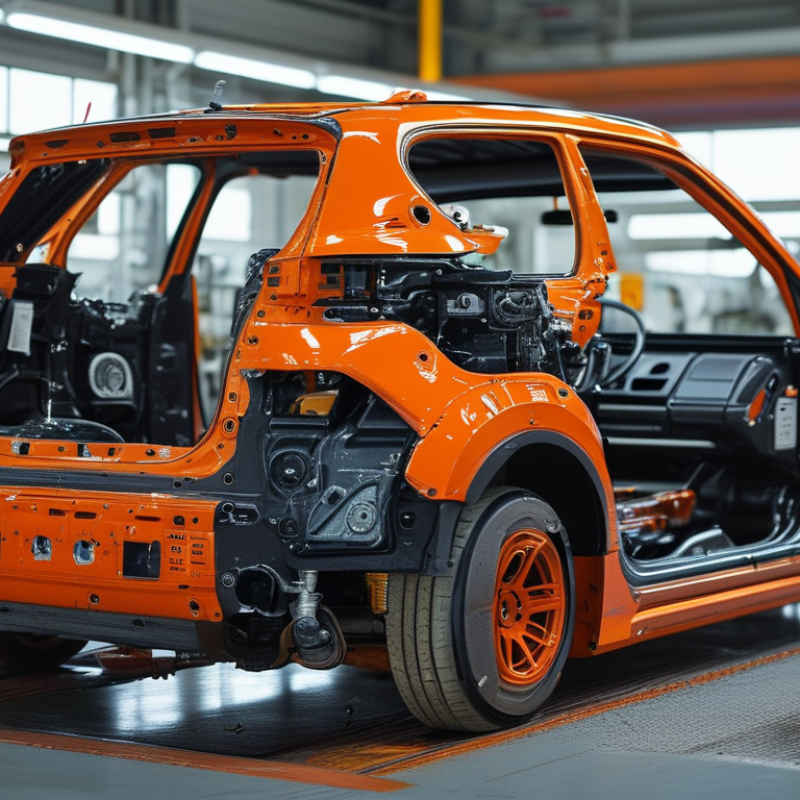
Best Practices for Selecting Quality Components to Enhance Vehicle Reliability
When selecting quality components to enhance vehicle reliability, understanding the specific needs of your vehicle is crucial. Each component plays an integral role in overall performance. For instance, the quality of the engine’s components directly influences its longevity. Using superior materials in vital areas can lead to significant improvements.
Tips: Always assess the manufacturing process of the components. High-quality parts often come from manufacturers with rigorous quality control. Research their testing methods.
Another aspect to consider is the compatibility of the components. Even top-quality parts can fail if they do not match your vehicle's specifications. An incorrect fit can lead to premature wear or even failure. It’s frustrating to see hard-earned money wasted on incompatible parts.
Tips: Take time to read reviews and seek expert opinions. Mechanics often have insights into which components perform best over time.
Don’t overlook the need for a balanced approach. Sometimes, opting for a less expensive quality component is sufficient for non-critical areas. However, this should not replace investing in essential parts. Identify what is crucial for the reliability of your vehicle.
The Role of OEM Parts in Ensuring Long-Term Vehicle Performance
When it comes to ensuring long-term vehicle performance, OEM (Original Equipment Manufacturer) parts play a crucial role. According to industry reports, vehicles fitted with OEM components can experience a 25% higher reliability rate compared to those using aftermarket parts. This is not just a statistic; it illustrates how integral quality components are to maintaining a vehicle's integrity and performance.
Quality components directly impact vehicle safety and functionality. Research suggests that around 35% of vehicle failures are linked to subpar parts. Using OEM parts, which adhere to stringent manufacturing standards, minimizes the risks associated with part failures. For instance, a well-maintained engine with OEM parts can lead to improved fuel efficiency by 10%, as these components are designed compatibility with specific vehicles.
Nevertheless, securing OEM parts presents challenges. Availability can be an issue, especially for older models. Also, the cost difference between OEM and aftermarket parts can deter some owners. Despite these hurdles, the long-term benefits often outweigh the initial expenses. Investing in OEM parts is an investment in the vehicle's future.
Best Ways to Improve Vehicle Reliability with Quality Components
Impact of Regular Maintenance on Vehicle Reliability and Component Lifespan
Regular maintenance significantly enhances vehicle reliability and extends the lifespan of components. According to a study by the Automotive Aftermarket Industry Association, vehicles that receive consistent maintenance can last up to 50% longer than those that do not. Engine oil changes, tire rotations, and brake inspections play crucial roles in preserving a vehicle's integrity. Missing just one scheduled maintenance can lead to cascading failures down the road, affecting not only performance but also safety.
Furthermore, components like batteries and filters have a limited lifespan, often determined by how well they are maintained. A report from the Car Care Council states that a poorly maintained battery can fail up to 30% sooner. Simple actions, such as checking fluid levels and replacing air filters, can delay these failures. Yet, many owners neglect these tasks, believing they are not urgent. This mindset may lead to costly repairs and decreased vehicle reliability, highlighting the importance of an ongoing maintenance strategy.
Malfunctions often occur unexpectedly, disrupting daily life. A recent survey found that over 40% of drivers reported being stranded due to avoidable vehicle issues. This statistic underscores the necessity for proactive maintenance. Drivers must embrace regular checkups to prevent inconveniences. Awareness and consistent efforts can yield remarkable benefits, ensuring safer and more reliable driving experiences.
Utilizing Advanced Materials for Improved Durability in Automotive Components
When considering the longevity and reliability of vehicles, the materials used in automotive components play a crucial role. Utilizing advanced materials can significantly enhance durability and performance. For example, high-strength steel and lightweight composites resist corrosion and wear. This choice not only reinforces structural integrity but also optimizes fuel efficiency. A vehicle built with such components can withstand more stress and last longer on the road.
However, it's essential to understand the trade-offs. Advanced materials can be expensive, impacting overall vehicle cost. Some manufacturers may opt for cheaper alternatives, sacrificing quality for short-term gains. This decision often leads to increased maintenance needs and reduced vehicle lifespan. Evaluating the long-term implications is vital for both manufacturers and consumers.
Incorporating innovative designs along with quality materials can pose challenges. The manufacturing process may become complicated, requiring skilled labor and technology. As the industry evolves, the focus on durability needs to remain balanced with production capabilities. This ongoing challenge will shape the future of automotive components.
Best Ways to Improve Vehicle Reliability with Quality Components
| Component Type |
Material Used |
Durability Rating (Years) |
Weight (kg) |
Cost ($) |
| Engine Block |
Aluminum Alloy |
15 |
90 |
500 |
| Brake Pads |
Ceramic Composite |
10 |
3 |
70 |
| Suspension System |
High-Strength Steel |
12 |
25 |
300 |
| Fuel Tank |
Polyethylene |
8 |
7 |
150 |
| Transmission Housing |
Magnesium Alloy |
14 |
15 |
400 |
Data-Driven Insights: Analyzing Failure Rates of Aftermarket vs. OEM Components
When analyzing the reliability of vehicle components, data reveals a stark contrast between
aftermarket and
OEM options. A comprehensive study by the
Automotive Industry Association indicates that aftermarket components can have a failure rate as high
as 30%. In contrast, OEM components
demonstrate a significantly lower failure rate, averaging around 10%.
These statistics highlight the potential risks of choosing aftermarket parts, particularly for critical
systems in vehicles.
However, the allure of lower costs is compelling for many consumers. While aftermarket components may
provide short-term savings, they often lack the rigorous testing that OEM parts undergo. Reports from
the National Highway Traffic Safety Administration show that nearly 20% of
vehicle recalls are linked to aftermarket parts. This raises questions about safety and long-term
reliability. The implications can lead to increased repairs and potential accidents.
It’s essential to weigh these insights against personal experiences. Some vehicle owners may have found
aftermarket options that perform well. But reliance on these parts can sometimes lead to unforeseen
complications. Understanding the trade-offs helps in making informed decisions about vehicle maintenance.
Ultimately, prioritizing quality components can greatly enhance reliability, ensuring long-lasting performance.
Conclusion
To improve vehicle reliability with quality components, selecting the right parts is crucial. Best practices involve choosing OEM (Original Equipment Manufacturer) parts, which are specifically designed to match the vehicle's specifications, ensuring optimal performance and longevity. Regular maintenance also plays a significant role in preserving vehicle reliability and extending the lifespan of components.
Additionally, the use of advanced materials can enhance the durability of automotive parts, making them more resilient to wear and tear. By analyzing data-driven insights into failure rates, distinctions between aftermarket and OEM components become clear, guiding consumers in making informed decisions. Ultimately, effectively integrating these practices will bolster vehicle reliability, leading to a better overall driving experience.

 Mayumi Auto