When discussing automotive parts, it’s crucial to understand what they encompass. According to renowned automotive expert, Dr. Emily Carter, “Understanding automotive parts is essential for any vehicle owner.” This statement underscores the significance of knowing these components. Vehicles are intricate machines. Each part plays a vital role in ensuring safety and performance.
Automotive parts include everything from engines to tires. They are the backbone of any vehicle. Yet, many drivers are unaware of their specific functions. Knowing what these parts are can aid in better maintenance and informed purchasing decisions. For example, understanding brake components can prevent dangerous situations on the road.
In a world of constant innovation, the automotive industry evolves rapidly. New technologies change how we view and use automotive parts. It’s easy to feel overwhelmed by choices. Some parts may seem unimportant until they fail. Reflecting on these complexities can guide vehicle owners in making wise decisions. As Dr. Carter suggests, grasping the basics can enhance vehicle longevity and safety.
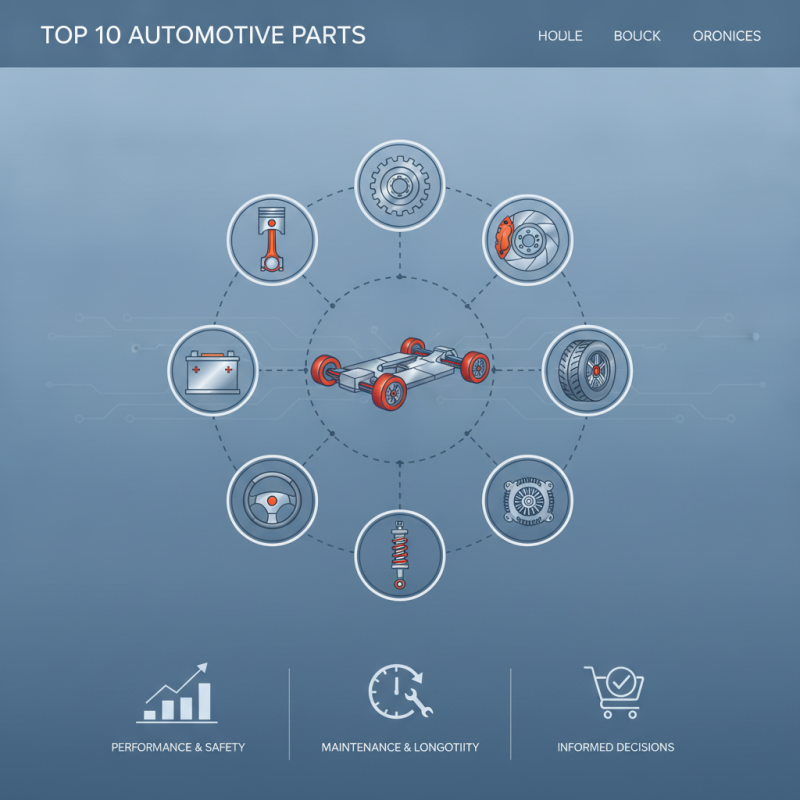
Understanding the Importance of Automotive Parts in Vehicle Functionality
Understanding automotive parts is crucial for vehicle functionality. Each component works in harmony to ensure safe and effective operation. For instance, the engine serves as the heart of the vehicle. It converts fuel into energy, allowing for movement. Without a well-functioning engine, the vehicle remains stationary.
Equally important are the brake systems. They provide the ability to stop safely, preventing accidents. Brake pads wear over time and require regular inspection. Failure to address worn pads can lead to dangerous situations. Moreover, tires play a significant role in road grip and stability. Proper inflation ensures traction and fuel efficiency.
Many drivers overlook the importance of routine maintenance. Neglecting small issues can lead to larger, costly problems. Understanding each part's function fosters better care. This knowledge helps in making informed decisions about repairs. Investing time in learning about automotive parts can save money and enhance safety.
Top 10 Essential Automotive Parts You Need to Know
Key Engine Components: Their Roles and Maintenance Tips
Understanding key engine components is vital for any car owner. These parts play essential roles in vehicle performance.
The engine block forms the core of the engine. It houses the cylinders where fuel burns, producing power.
Regular checks for cracks or leaks can prevent costly repairs.
Another crucial component is the crankshaft. This part converts linear motion into rotational energy. Lubrication is key here. Clean oil ensures smooth movement and extends its lifespan.
Pay attention to unusual noises, which could indicate wear.
The timing belt ensures proper coordination between the engine's moving parts. A worn belt can lead to severe engine damage. Replacing it at manufacturer-recommended intervals is critical.
Neglecting this can result in serious consequences. Regular maintenance helps keep these components in check, ensuring safety and reliability on the road.
The Role of the Transmission System in Vehicle Performance
The transmission system plays a crucial role in vehicle performance. It connects the engine to the wheels, converting power into motion. A report by the Automotive Research Institute shows that up to 30% of a vehicle's fuel efficiency depends on the transmission's performance.
Modern vehicles typically use either manual or automatic transmissions. Each has its benefits and drawbacks. Manual transmissions offer better control but require more effort. In contrast, automatic systems provide convenience but may lead to energy loss. The choice impacts driving experience significantly.
A study from the National Highway Traffic Safety Administration indicates that poor transmission maintenance can lead to a 10% drop in fuel efficiency.
Many drivers overlook transmission health. Regular checks and fluid changes are essential. Neglect can result in costly repairs and decreased performance. Recognizing warning signs, such as slipping or delayed shifting, is vital. Long-term, these issues can affect overall vehicle reliability and safety.
Addressing transmission concerns early can prevent bigger problems down the line.
Essential Brake Parts: Types and Importance for Safety
Brakes are crucial for vehicle safety. Among the essential brake parts, the brake pads play a significant role. They create the friction needed to slow down or stop your car. If worn out, you may notice squealing sounds or reduced responsiveness. Regularly checking their condition can prevent dangerous situations on the road.
Another key component is the brake rotors. These metal discs work with the brake pads. When you apply the brakes, the pads clamp onto the rotors to create friction. Over time, rotors can warp or develop grooves. This may lead to vibrations or a noticeable decrease in braking efficiency. Timely maintenance of rotors helps maintain optimal safety levels.
The brake calipers are vital too. They house the brake pads and use hydraulic pressure to squeeze them against the rotors. If the calipers fail, it can lead to uneven braking. This could result in a lack of control while driving. Understanding these components promotes informed decisions about maintenance and safety. Each part plays a role in ensuring reliable brake function. Ignoring them can lead to serious consequences.
Common Electrical Components and Their Impact on Vehicle Operation
Electrical components play a crucial role in automotive operation. A vehicle's electrical system powers everything, from ignition to lighting. Reports indicate that about 30% of vehicle issues stem from electrical faults. Understanding these components can enhance vehicle reliability and performance.
The battery is fundamental to starting the engine and powering accessories. A typical car battery lasts around three to five years. Regular checks can prevent failure. Next, the alternator converts mechanical energy into electrical energy. It recharges the battery while the engine runs. Often, alternator issues go unnoticed until it’s too late.
Wiring harnesses are another vital element. They connect various electrical components, facilitating communication within the system. Poor wiring can lead to shorts, affecting operational efficiency. Additionally, sensors like the oxygen sensor monitor engine performance. They help manage fuel efficiency and emissions. Neglecting to address sensor issues can lead to significant operational problems. Understanding these common electrical components is essential for maintaining a vehicle's health.
Top 10 Essential Automotive Parts You Need to Know
| Part Name |
Function |
Impact on Vehicle Operation |
| Battery |
Stores electrical energy to start the engine and power electrical components. |
A weak or dead battery can prevent the engine from starting. |
| Alternator |
Generates electricity while the engine is running. |
Failure to function can lead to battery discharge and electrical failures. |
| Fuses |
Protect electrical circuits by breaking the connection if a fault occurs. |
Burnt fuses can lead to loss of power in certain vehicle systems. |
| Starter Motor |
Cranks the engine during ignition. |
A faulty starter can prevent the engine from turning over. |
| Ignition Coil |
Transforms battery voltage into high voltage to create a spark in the spark plugs. |
A failed ignition coil can cause misfires or engine stalling. |
| Fuel Pump |
Delivers fuel from the tank to the engine. |
A malfunctioning fuel pump can lead to poor engine performance or failure to start. |
| ECU (Engine Control Unit) |
Manages engine performance parameters and diagnostics. |
An ECU failure can disrupt engine function and lead to performance issues. |
| Oxygen Sensor |
Monitors the level of oxygen in the exhaust gases. |
A faulty sensor can lead to increased emissions and poor fuel efficiency. |
| Headlights |
Provide illumination for night driving and poor weather conditions. |
Inoperative headlights can significantly impair visibility and safety. |
FAQS
: The engine block houses cylinders where fuel burns, producing power for the vehicle.
Lubrication is essential. Use clean oil and listen for unusual noises to prevent wear.
It coordinates engine parts. A worn belt can cause severe engine damage if not replaced.
Up to 30% of a vehicle's fuel efficiency depends on the transmission's performance.
Manual provides control but requires effort, while automatic offers convenience but can waste energy.
Regular checks and fluid changes are essential to avoid costly repairs and performance drops.
Look for slipping or delayed shifting. Ignoring these can affect reliability and safety.
Yes, it can result in costly repairs and decreased overall vehicle performance over time.
Conclusion
Automotive parts play a vital role in the functionality and safety of vehicles, making it essential for drivers to understand what are automotive parts and their significance. Key engine components, such as spark plugs and fuel injectors, are crucial for optimal performance and require regular maintenance to ensure efficiency. Meanwhile, the transmission system is integral to vehicle performance, facilitating smooth gear changes and power delivery.
Additionally, essential brake parts, including discs and pads, are critical for passenger safety, as they directly affect stopping power. Common electrical components, such as batteries and alternators, also have a significant impact on vehicle operations, ensuring systems run smoothly. Recognizing these essential automotive parts not only helps in maintaining vehicles but also enhances overall driving experience and safety.

 Mayumi Auto