In the ever-evolving automotive industry, understanding what are common automotive component challenges is crucial for success. According to Dr. Emily Turner, an expert in automotive engineering, "Addressing component challenges early can prevent costly failures down the line." This highlights the importance of recognizing these issues before they escalate.
Automotive components face multiple challenges, including wear and tear, corrosion, and technological integration. Many components must endure extreme conditions, from heat to moisture. For instance, electronic systems often encounter issues with compatibility and reliability. Material selection is also a frequent concern, as lighter materials can compromise strength.
Further complicating matters, manufacturers strive for innovation while balancing safety and cost. The push for electric and autonomous vehicles adds layers of complexity. These shifts create new challenges that industry professionals must navigate carefully. Recognizing and addressing these challenges is vital for maintaining reliability in modern vehicles. As the sector grows, so does the need for proactive strategies.
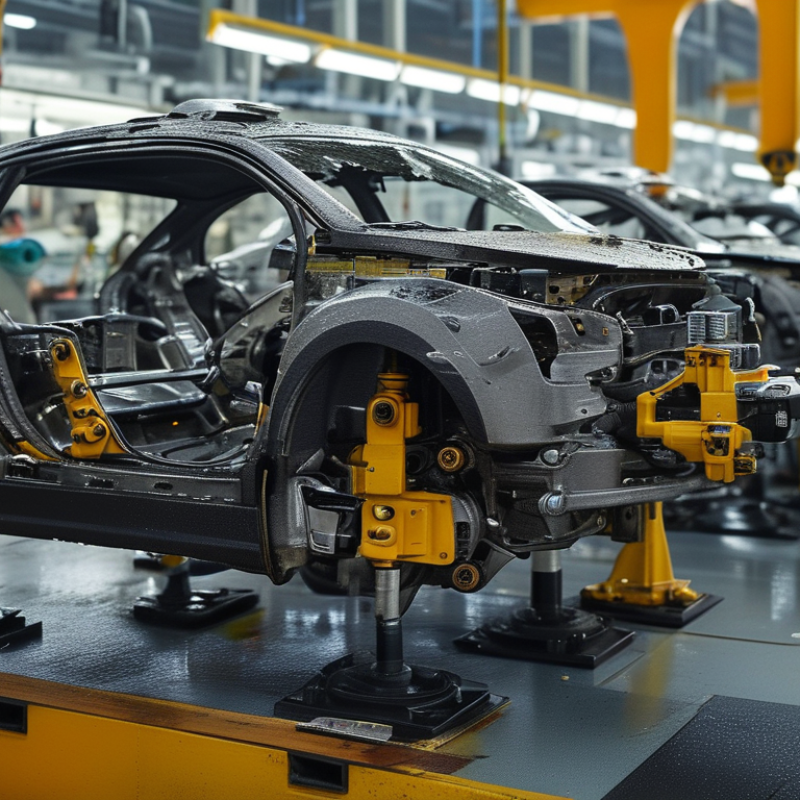
Understanding the main components of automotive systems is crucial for any car owner or enthusiast. Each vehicle consists of various parts that work together seamlessly. However, challenges often arise within these components, impacting performance and safety. For instance, the engine relies heavily on its fuel system to operate efficiently. If the fuel injectors are clogged or malfunctioning, the engine may struggle to run smoothly. This scenario can lead to decreased fuel efficiency and increased emissions, highlighting the need for routine maintenance.
Another essential aspect is the braking system. It comprises components such as discs, pads, and calipers that ensure effective stopping power. Over time, brake pads wear out, reducing their effectiveness. Inadequate attention to this can result in longer stopping distances and potential accidents. Regular inspections of these components can prevent serious issues that stem from neglect. Vehicle owners should be proactive in understanding how these systems function and where they might fail.
Suspension systems are also vital for ride quality and vehicle handling. They absorb shocks from the road, providing comfort and stability. However, worn-out shock absorbers or springs can compromise handling. Drivers might notice increased bumps and sways during the ride. Ignoring such signs can lead to further damage to the vehicle. Understanding these components can empower owners to make informed decisions, ensuring their automotive systems remain in optimal condition.
: Regular maintenance prevents serious issues and improves vehicle safety and performance. Many failures stem from suspension problems.
Symptoms include uneven tire wear, difficulty steering, and excessive bouncing over bumps. Ignoring these can lead to costly repairs.
Many drivers neglect to inspect these systems regularly. Aim for at least once a year to prevent issues.
Look out for steering wheel vibrations or unresponsiveness. These can lead to a loss of vehicle control.
Check for squeaking sounds and vibrations. A decrease in responsiveness means urgent attention is needed.
Neglecting inspections leads to reduced performance and longer stopping distances. This can be dangerous and costly.
Yes, using reliable components enhances durability. It's a worthwhile investment for your vehicle’s safety.
Educating yourself about warning signs and maintaining schedules can encourage safer driving. Regular checks are essential.
In the automotive industry, understanding what are common automotive component challenges is crucial for ensuring optimal vehicle performance and safety. Key components such as the engine, electrical systems, suspension, steering, and brake systems often experience failures that can significantly impact driving experience. Common engine performance issues can arise due to a variety of factors including wear and tear, while electrical system challenges may lead to malfunctions that affect the vehicle's functionality.
Moreover, maintenance of suspension and steering components is essential to ensure proper handling, and neglecting these can result in safety hazards. Brake systems, vital for vehicle safety, also undergo wear and tear over time, demanding regular checks and timely replacements to prevent accidents. By being aware of these challenges, vehicle owners can take proactive measures to maintain their vehicles effectively.

 Mayumi Auto