Electric vehicles are changing more than powertrains. They are reshaping the parts surrounding the battery, motor, charging system, and thermal architecture. A copper busbar must carry high current safely. A cooling plate must remove heat without adding unnecessary weight. Seals, connectors, sensors, and lightweight structural components also influence vehicle reliability.
This raises a practical question: how can automotive parts support electric vehicle development? The answer begins with coordinated engineering, not isolated component upgrades. Parts suppliers and vehicle manufacturers must consider conductivity, insulation, vibration resistance, corrosion protection, manufacturability, and lifecycle performance. For example, an aluminum housing can reduce mass, but it may require careful treatment against corrosion. A polymer connector can simplify assembly, yet its heat resistance must match real operating conditions.
Experience from automotive production shows that small design decisions can create large effects. A poorly positioned sensor may complicate maintenance. An inefficient cooling interface may shorten battery life. These details deserve attention during early development, when testing is less expensive and design changes remain practical. Industry standards, validated laboratory methods, and field data should guide decisions rather than marketing claims.
The answer is not always simple.
Electric vehicle development also involves trade-offs. Higher performance can increase cost, material demand, or repair complexity. Some “green” solutions may appear convincing but need stronger lifecycle evidence. This article will examine how automotive parts contribute to safety, efficiency, durability, and sustainable production. It will also consider limitations, because reliable progress requires questioning assumptions instead of celebrating every new component.
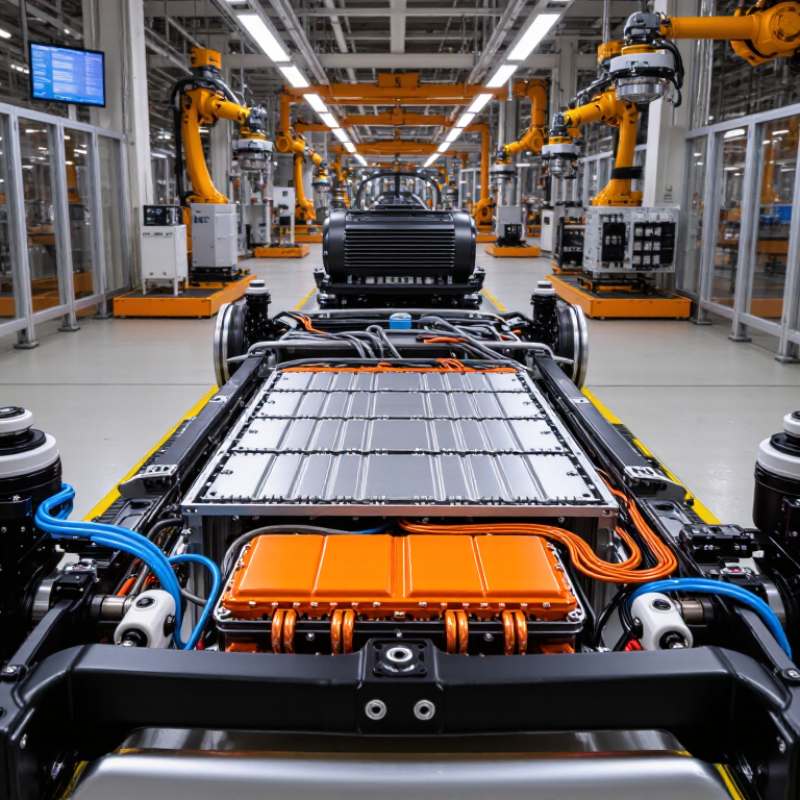
Automotive parts shape how electric vehicles perform, survive, and feel on the road. Their role extends far beyond replacing engine components.
Battery enclosures protect high-voltage cells from impact, water, dust, and vibration. They also support thermal control during charging and steep climbs. A sealed connector can prevent moisture-related failures. Small details matter. During development, engineers test parts through heat cycles, road vibration, and repeated charging conditions. These tests reveal weaknesses that computer models may miss.
Electric motors need precise shafts, bearings, housings, and cooling channels. Power electronics depend on durable connectors and controlled heat dissipation. Lightweight materials can improve efficiency, but they may complicate repair or recycling. A lighter part is not automatically better. Designers must balance weight, strength, cost, and service access. This balance remains imperfect. Some components still receive more attention than their maintenance needs.
Automotive parts also affect cabin comfort and driving confidence. Improved insulation can reduce motor noise, while stronger suspension parts manage the added battery weight. Sensors require stable mounting and accurate calibration. A small alignment error can influence braking or energy management. Engineers should document material limits, inspection methods, and replacement procedures clearly. Clear records support safer production and more consistent field service. The industry is learning that EV development depends on many ordinary parts working reliably together.
Battery, motor, and power electronics components shape an electric vehicle’s safety, range, and driving feel. A battery pack needs stable cells, strong busbars, and accurate temperature sensors. Its enclosure must resist vibration, moisture, and road debris. Thermal management matters during fast charging and steep climbs. A few degrees can change charging speed and battery life. Lighter is not always better. Engineers sometimes reduce material weight, then discover weaker protection during impact testing.
The motor converts electrical energy into controlled wheel movement. Its magnets, windings, bearings, and cooling channels must work together. Precise manufacturing reduces noise and unwanted vibration. Power electronics connect the battery with the motor and charging system. Inverters control current, while converters manage voltage for auxiliary systems. Efficient switching reduces heat loss. However, compact electronics can create difficult cooling problems. A design may look excellent on paper but perform poorly in traffic, where airflow is limited. Reliable testing should include cold starts, repeated acceleration, long climbs, and uneven roads.
Tips: Match battery cooling with motor and inverter demands. Check connectors after vibration testing. Measure heat at real operating loads, not only laboratory conditions. Leave room for service access. Small diagnostic errors can become expensive repairs. Keep questioning the design.
Electric vehicles turn every kilogram into an engineering decision. A lighter body can reduce energy demand, improve handling, and create space for battery protection. Yet weight reduction cannot weaken crash performance. Engineers often begin with load paths, not material fashion. High-strength steel, aluminum alloys, and fiber-reinforced composites each solve different problems. A reinforced door beam may weigh little, but it must manage impact forces near the passenger cell. Small details matter.
Structural design also shapes battery safety. A rigid floor frame can limit pack deformation during a collision. Cross-members distribute loads around cells instead of pushing force through one narrow point. Engineers use computer simulations, physical prototypes, and repeated fatigue testing. Real roads surprise. Potholes, temperature swings, and moisture expose weaknesses that clean laboratory models may miss. In supplier reviews, joining methods deserve equal attention. Adhesives, rivets, and welds alter stiffness, repair access, and corrosion behavior. A clever material choice can become a service problem.
Manufacturers should measure more than curb weight. They should track energy use, recyclability, manufacturing waste, and repair time. A lighter component is not automatically sustainable. Nor is a complex composite automatically durable. Early design compromises often survive into production. That is uncomfortable. Teams need clear test data and honest failure reviews. Sometimes a slightly heavier structure offers better lifetime value. The best EV part is predictable under stress, practical to assemble, and responsible to maintain.
Lower-density materials can reduce vehicle mass, which may help extend driving range or allow more battery capacity. High-strength steel remains useful for safety-critical structures, while aluminum, magnesium, and carbon-fiber composites can support lightweight body, chassis, and battery-enclosure designs when manufacturing cost and joining complexity are acceptable.
Thermal management is a practical foundation for electric vehicle development. Battery cells perform best within a controlled temperature range. Cooling plates, heat exchangers, pumps, valves, and thermal interface materials work together around the pack. During testing, engineers monitor cell temperature spread, coolant pressure, and heat rejection at different speeds. A few degrees can affect charging time, battery life, and safety margins. Small losses matter.
Charging hardware also depends on reliable automotive parts. High-voltage connectors need low electrical resistance and secure sealing. Cable assemblies require strong insulation, accurate routing, and protection from vibration. Sensors can detect abnormal temperature rises near charging interfaces. Engineers should validate these parts through thermal cycling, moisture exposure, vibration tests, and insulation checks. A connector that works on a clean bench may behave differently after months of road debris and repeated charging.
Energy efficiency comes from many modest improvements. Low-friction bearings reduce mechanical losses. Efficient electric compressors limit cabin climate loads. Lightweight brackets and optimized wiring can lower vehicle mass without weakening protection. However, lighter is not always better. A thinner component may increase noise, heat, or maintenance risk. That trade-off deserves honest review. In field evaluations, data from real traffic often challenges laboratory assumptions. Engineers should compare simulations with measured temperatures, charging curves, and energy use before approving production parts. They should also document failure patterns, even when the results are inconvenient.
How Can Automotive Parts Support EV Development?
Electric vehicle components now carry stricter safety and connectivity demands. The IEA’s Global EV Outlook 2024 reports over 14 million electric car sales in 2023. Electric models represented about 18% of global car sales. This growth changes how suppliers design even small parts. A battery enclosure needs impact resistance, thermal control, and reliable sealing. A connector must prevent arcing during high-voltage service. Small failures can create serious risks.
Safety engineering must continue across the component’s entire life. ISO 26262 supports functional safety processes for electrical and electronic systems. UNECE Regulation No. 155 also requires structured vehicle cybersecurity management. Parts with sensors, controllers, or communication interfaces need traceable software and testing records. Connectivity is not just a convenience. It affects diagnostics, charging control, over-the-air updates, and emergency response. Poor data validation can mislead technicians. That assumption can fail.
Manufacturing requirements are becoming more demanding. The IEA reports that global electric vehicle battery demand exceeded 750 GWh in 2023, rising by about 40% from 2022. Production lines therefore need consistent cell handling, precise torque control, and stronger inspection routines. Traceability should connect each critical part to its material batch and test result. This sounds straightforward. It is not always practical. Smaller suppliers may lack advanced monitoring equipment or skilled software teams. Engineers should therefore design components for repair, testing, and controlled assembly, not only for peak laboratory performance.
Parts affect efficiency, safety, comfort, durability, and repair access. A lighter component may reduce energy use but weaken serviceability.
A sealed battery enclosure shields cells from impacts, water, dust, and vibration. It also supports temperature control during charging and steep climbs.
Reliable connectors limit moisture damage and electrical faults. High-voltage connectors must prevent arcing during servicing.
Engineers use heat cycles, road vibration, and repeated charging tests. Physical testing can reveal weaknesses that computer models miss.
Precision shafts, bearings, housings, and cooling channels support motor operation. Small alignment problems can cause noise, wear, or reduced output.
Lightweight materials can improve efficiency and handling. They may also complicate repairs, recycling, or long-term durability. Lighter is not always better.
Improved insulation can reduce motor noise. Stronger suspension parts help manage the battery’s added weight. The ride may still feel different.
Sensors need stable mounting and accurate calibration. A small alignment error can affect braking or energy management.
Production lines need consistent cell handling, precise torque control, and careful inspections. Records should connect each critical part with its material batch and test result.
Peak laboratory performance is not enough. Components also need clear inspection methods, replacement procedures, and practical service access. Real workshops can expose design flaws.
Automotive parts play a central role in advancing electric vehicle development by improving performance, efficiency, safety, and reliability. Key systems such as batteries, electric motors, inverters, controllers, and power electronics determine how effectively an EV stores, converts, and delivers energy. Lightweight materials and optimized structural designs can reduce vehicle weight, extend driving range, and improve handling without compromising strength. At the same time, advanced thermal management parts help control temperatures in batteries, motors, and charging systems, supporting stable operation and longer component life.
Understanding how can automotive parts support electric vehicle development also requires attention to charging efficiency, energy recovery, passenger protection, connectivity, and manufacturing quality. Safety-focused components, smart sensors, communication systems, and precise production processes contribute to dependable and intelligent vehicles. By integrating efficient materials, reliable electronics, effective cooling, and consistent manufacturing standards, automotive parts can accelerate the development of cleaner, safer, and more practical electric transportation.

Mayumi Auto