How Long Do Automotive Parts Last?

Time:2026-11-02 Author:Sophia
0%

A car can look dependable in the driveway while hidden wear builds beneath the hood. So, how long do automotive parts last? There is no single mileage or calendar date that answers it. A battery, brake pad, tire, and timing belt age differently, depending on design, climate, driving habits, and maintenance. Short trips and stop-and-go traffic can add wear that a dashboard odometer does not explain.

The vehicle fleet itself is getting older. S&P Global Mobility reported that the average age of U.S. light vehicles reached 12.6 years in 2024. That figure does not tell us when any one component will fail, but it shows why practical maintenance guidance matters. AAA commonly places car-battery life at roughly three to five years; heat, cold, and usage can shift that range. Tires require a different kind of judgment: tread depth, visible damage, pressure, and the tire maker’s age guidance all matter. One number cannot replace an inspection.

This guide explains typical service-life ranges for major automotive parts, what can shorten them, and which warning signs deserve prompt attention. It draws on industry and automotive-service guidance, while treating estimates as estimates—not promises. That distinction matters. A part may fail early, or keep working beyond its expected range, and appearance alone can be misleading. When safety-critical components are involved, a qualified technician and the vehicle’s owner’s manual are better references than a generic lifespan chart.
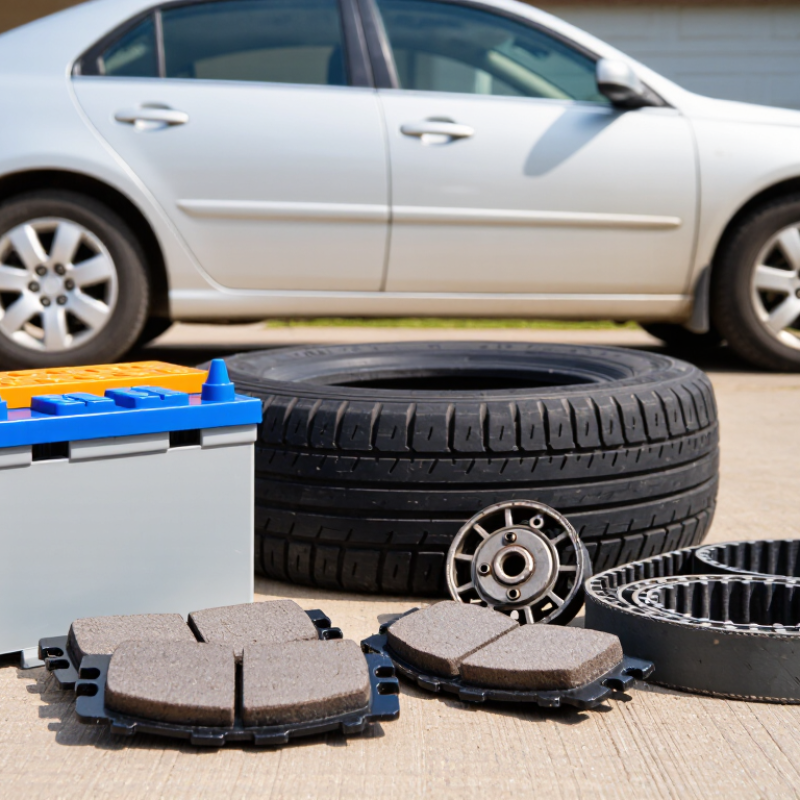
How Long Do Automotive Parts Last?

What Does Automotive Part Lifespan Mean?

How Long Do Automotive Parts Last?
What Does Automotive Part Lifespan Mean?

An automotive part’s lifespan is the period it remains safe and useful under particular conditions. Not a countdown. It is usually an estimate, not a guaranteed replacement date. A brake pad, battery, hose, or wheel bearing can wear at different rates in the same vehicle.

Lifespan may mean time, mileage, or the point when wear reaches a service limit. For example, a mechanic may measure brake-pad thickness rather than judge it by age alone. Dust, heat, rough roads, frequent short trips, heavy loads, and delayed maintenance all affect wear. So do installation quality and the condition of nearby parts. One number rarely tells the whole story.

A part can still work while becoming unreliable. A cracked belt may look minor, but visible fraying deserves prompt inspection. A slow battery start on a cold morning is useful evidence, though it does not prove the battery is failing. Drivers can compare symptoms with the vehicle’s maintenance schedule and ask a qualified technician to inspect uncertain parts. Records help: note dates, mileage, unusual sounds, leaks, and repairs. Estimates are imperfect; even careful tracking cannot predict every sudden failure. Yet good records can help owners decide whether to monitor, test, or replace a component.

How Long Do Automotive Parts Last? — What Does Automotive Part Lifespan Mean?

Automotive part lifespan is the approximate period or mileage a part remains in service before it needs replacement. The chart shows typical mileage intervals; actual lifespan varies with vehicle design, driving habits, climate, road conditions, and maintenance.

Typical Replacement Intervals (Miles)

Intervals are general estimates, not guaranteed service lives. Follow your vehicle’s maintenance schedule and inspect parts regularly.

What Factors Affect How Long Parts Last?

How Long Do Automotive Parts Last?

A part’s service life depends on more than its age or mileage. Heat, moisture, road salt, dust, and vibration all affect materials differently. Rubber seals may dry and crack in hot weather, while damp conditions can encourage corrosion on exposed metal. Rough roads add repeated jolts to suspension components. Small stresses build up.

Driving habits matter, too. Frequent hard braking can wear brake components faster, and stop-and-go traffic puts more strain on some systems than steady highway travel. Short trips may prevent the engine from reaching its usual operating temperature. It is easy to blame age alone, but the way a vehicle is used can change the picture considerably.

Maintenance and installation also influence durability. Correct fluid levels, timely inspections, and parts fitted to the vehicle’s specifications can help prevent avoidable wear. A poorly installed component may fail early, even if it is new. Watch for changes such as unusual noises, leaks, vibration, or slower braking, and have them checked by a qualified technician. These signs do not always point to one specific fault. Service records help reveal patterns, though they are not a perfect forecast. Some parts simply wear sooner than expected.

How Long Do Common Automotive Parts Typically Last?

How Long Do Common Automotive Parts Typically Last?

A car battery commonly lasts three to five years, according to AAA battery-care guidance. Heat, short trips, and repeated deep discharges can shorten that range. Brake pads often last roughly 25,000 to 70,000 miles; frequent stop-and-go driving wears them faster. That estimate is broad, not a promise. A faint squeal or a longer stopping distance deserves attention.

Tires may look usable while aging beneath the surface. The U.S. Tire Manufacturers Association recommends annual professional inspection once tires reach five years, and replacement at ten years from manufacture, even if tread remains. Wiper blades often need replacement every six to twelve months, especially after hot, sunny seasons. Check your vehicle’s maintenance schedule, too; engine air-filter intervals can vary widely with driving conditions.

Tips: Look for a four-digit date code on the tire sidewall, and note battery installation dates. Ask a qualified technician to measure brake-pad thickness rather than guessing from sound alone. These checks take minutes. One caveat: lifespan ranges can make maintenance seem more predictable than it is; road grit, climate, and driving habits change the answer.

How Long Do Automotive Parts Last? - How Long Do Common Automotive Parts Typically Last?

Typical service-life estimates for common passenger-vehicle parts. Actual life varies by vehicle, driving conditions, maintenance, and part design.

Automotive Part Typical Service Life Factors That Affect Lifespan
Engine air filter About 15,000–30,000 miles Dusty roads, heavy traffic, and driving conditions can require more frequent replacement.
Cabin air filter About 15,000–25,000 miles, or roughly 1–2 years Dust, pollen, smoke, and frequent use of the ventilation system can shorten its life.
Windshield wiper blades About 6–12 months Sun exposure, temperature extremes, and frequent use can wear or crack the rubber.
12-volt battery About 3–5 years Heat, cold, short trips, and charging-system condition can affect battery life.
Brake pads About 30,000–70,000 miles Stop-and-go traffic, hills, vehicle load, and driving habits strongly affect wear.
Brake rotors Often about 50,000–70,000 miles, but condition varies Rotor life depends on braking habits, corrosion, heat, and whether the rotors meet minimum thickness specifications.
Tires Often about 25,000–50,000 miles Tire design, alignment, inflation, rotation, road conditions, and driving style all matter. Replace based on wear and condition, not mileage alone.
Spark plugs About 30,000–100,000 miles Replacement intervals depend on plug type and the vehicle manufacturer's maintenance schedule.
Timing belt, if equipped Commonly about 60,000–100,000 miles The correct interval is vehicle-specific. Follow the maintenance schedule because a failed belt can cause serious engine damage on some engines.
Water pump Often about 60,000–100,000 miles Coolant condition, maintenance, operating temperature, and vehicle design affect service life.
Alternator Often about 80,000–150,000 miles Heat, electrical load, belt condition, and battery or wiring problems can contribute to failure.
Starter motor Often about 100,000–150,000 miles Frequent starting, electrical-system condition, and heat exposure can affect longevity.
Clutch, on manual-transmission vehicles Often about 60,000–100,000 miles Stop-and-go driving, hill starts, towing, and riding the clutch can cause faster wear.
These figures are general estimates, not guaranteed replacement intervals. Always check the vehicle owner's manual and have parts inspected when there are signs of wear, damage, or reduced performance.

What Signs Indicate a Part Is Wearing Out?

A wearing part often gives small clues before it fails. Listen for new squeals, grinding, rattles, or repeated clicking. Notice changes in steering, braking, or how the vehicle rides. A brake pedal that pulses, pulls to one side, or feels unusually soft deserves prompt attention. These symptoms can have several causes, so sound alone is not a diagnosis.

Look for uneven tire wear, cracks in rubber belts, or fluid spots beneath the vehicle. A slow engine start may point to a weak battery, especially when headlights dim during startup. Worn suspension parts can cause extra bouncing after a bump or a dull knock over rough pavement. Small clues matter. Still, some wear is hard to see without proper tools, and warning lights may appear late. Check your owner’s manual for inspection intervals, and ask a qualified technician to examine safety-related parts when symptoms persist. A vehicle can feel normal on a short drive while a component is already deteriorating.

How Can Maintenance Help Extend Part Lifespan?

Regular maintenance cannot make every automotive part last forever, but it can reduce avoidable wear. Check tire pressure when the tires are cold, using the figures in your vehicle manual. Underinflated tires flex more and may wear unevenly. Rotate tires at the recommended interval, and ask a technician to check tread and alignment if the car pulls to one side. Small clues matter. Listen closely.

Fresh fluids protect parts that often go unnoticed. Follow the service schedule for engine oil, coolant, brake fluid, and transmission fluid; intervals vary by vehicle and driving conditions. Short trips, dusty roads, heavy loads, and stop-and-go traffic may call for more frequent checks. Confirm the correct fluid type before topping anything up. A leak under the car, a new grinding sound, or a warning light deserves prompt attention. It is tempting to postpone maintenance when a car still feels normal. That judgment can be wrong. Keep simple records of dates, mileage, repairs, and unusual changes, then share them during inspections. A mechanic may spot wear early, though no inspection can predict exactly when a part will fail.

FAQS

What affects how long automotive parts last?

Heat, moisture, road salt, dust, and vibration wear materials in different ways. Small stresses add up.

How can driving habits shorten part life?

Hard braking can wear brake parts faster, while stop-and-go traffic adds strain. Short trips may keep the engine from reaching its usual operating temperature.

How long does a car battery usually last?

A battery commonly lasts three to five years. Heat, frequent short trips, and deep discharges can shorten that range.

How long do brake pads and wiper blades typically last?

Brake pads often last about 25,000 to 70,000 miles. Wiper blades may need replacement every six to twelve months, especially after hot, sunny weather.

When should aging tires be inspected or replaced?

Have tires professionally inspected each year once they reach five years old. Replacement is recommended at ten years from manufacture, even if tread remains. Not a promise.

What signs may point to a wearing part?

Listen for new squeals, grinding, rattles, or repeated clicking. Notice uneven tire wear, fluid spots, extra bouncing, or a slow engine start.

Does a noise identify the exact problem?

No. A squeal or knock can have several causes, so sound alone is not a diagnosis. I might overread one clue.

What can help identify wear early?

Check maintenance records and your owner’s manual, and have safety-related parts inspected when symptoms persist. A technician can measure brake-pad thickness instead of guessing from sound.

Conclusion

“How long do automotive parts last” depends on what a part does, how it is made, and the conditions in which a vehicle is driven. Heat, road conditions, driving habits, mileage, climate, and the quality of installation can all affect service life. Some components may work reliably for many years, while items exposed to friction, pressure, or frequent use may need attention sooner. There is no single lifespan that applies to every vehicle or driver.

Drivers can look for warning signs such as unusual noises, vibration, reduced performance, leaks, dashboard alerts, or visible wear. Regular inspections and following the vehicle’s recommended maintenance schedule can help catch problems early and reduce unnecessary strain on components. Keeping parts clean, maintaining proper fluid levels and tire pressure, and addressing small issues promptly may help extend their useful life. When a part shows signs of failure, a qualified inspection can help determine whether it needs repair or replacement.

Sophia

Sophia

Sophia is a dedicated marketing professional with an exceptional depth of knowledge about her company's products and services. With a keen understanding of market trends and customer needs, she crafts insightful blog posts that not only inform but also engage readers, enriching the company’s online......