Why Are Automotive Parts Crucial for Vehicle Performance?

Time:2026-06-09 Author:Amelia
0%

In the automotive industry, understanding "why are automotive parts important for vehicle performance" is essential. According to Dr. Emily Thomson, a renowned automotive engineer, "The quality and compatibility of parts are crucial for optimizing performance." Each component of a vehicle plays a pivotal role in how it operates. For instance, the engine delivers power, while brakes ensure safety during stops.

As vehicles become more complex, the significance of high-quality automotive parts cannot be overlooked. They directly affect factors like efficiency, safety, and longevity. A mismatched part can lead to performance issues, resulting in costly repairs and unsafe driving conditions. However, many vehicle owners remain unaware of this connection.

Innovation in automotive technology highlights the critical nature of parts. Yet, some manufacturers prioritize cost over quality. This raises questions about durability and reliability from consumers. Thus, understanding the implications of automotive parts on vehicle performance is vital for safety and satisfaction.
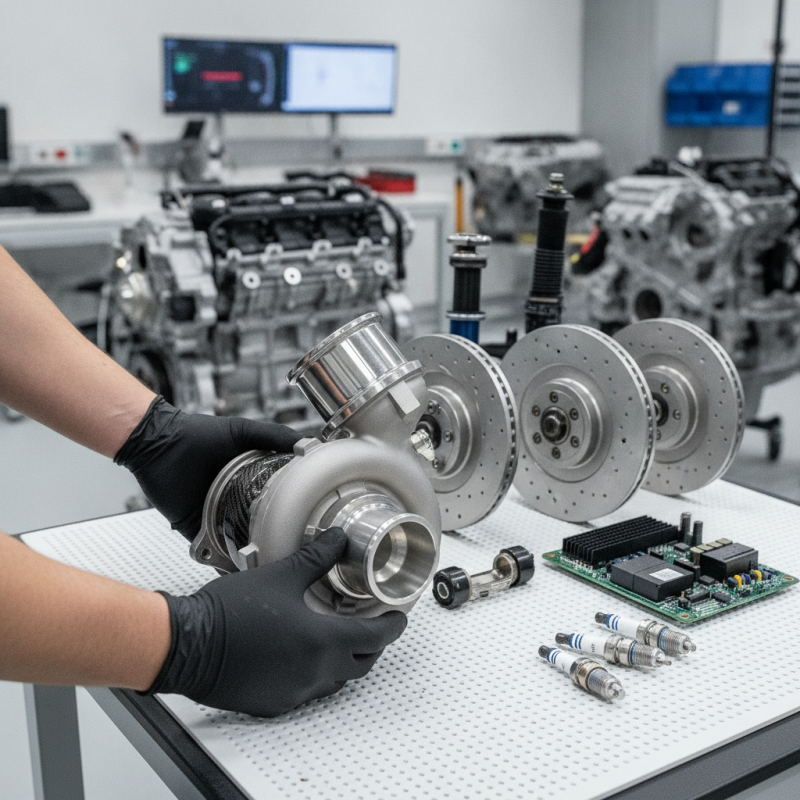
Why Are Automotive Parts Crucial for Vehicle Performance?

The Role of Automotive Parts in Overall Vehicle Performance

Automotive parts are vital components that directly impact vehicle performance. Each part works in harmony to ensure efficiency, safety, and responsiveness. For instance, the braking system relies on precise engineering to provide effective stopping power. A malfunction in a brake pad can lead to increased stopping distances, dramatically affecting safety. Regular inspection and maintenance of such components are necessary for optimal performance.

The engine, transmission, and suspension system are equally crucial. An optimized engine delivers power and fuel efficiency. Even minor issues in ignition coils or fuel injectors can hinder engine performance. Similarly, the suspension ensures a smooth ride. Worn-out shocks and struts can drastically reduce handling ability. These parts are often overlooked until a problem arises, demonstrating the importance of proactive maintenance.

Understanding these relationships fosters vehicle care awareness. Many motorists underestimate the connection between parts and performance. Knowledge about how components work together directly impacts driving experiences. As a driver, appreciating the engineering behind these systems encourages responsible ownership. Regular check-ups can save money and enhance overall vehicle safety.

Why Are Automotive Parts Crucial for Vehicle Performance? - The Role of Automotive Parts in Overall Vehicle Performance

Part Type Function Impact on Performance Frequency of Maintenance
Engine Converts fuel into mechanical energy Directly influences horsepower and torque Every 5,000 - 10,000 miles
Transmission Transfers power from engine to wheels Affects acceleration and fuel economy Every 30,000 - 60,000 miles
Brakes Slows down or stops the vehicle Critical for safety and control Every 20,000 - 50,000 miles
Suspension Supports vehicle weight and absorbs shocks Influences ride comfort and handling Every 50,000 miles
Tires Provides traction and stability Affects handling, braking distance, and fuel efficiency Every 6,000 - 12,000 miles

Key Components and Their Impact on Fuel Efficiency

Automotive parts play a vital role in vehicle performance. Key components such as the engine, transmission, and exhaust system directly affect fuel efficiency. If one part underperforms, the vehicle can consume more fuel than necessary, leading to increased costs and environmental impact.

Regular maintenance is essential for optimizing fuel efficiency. Clean air filters and properly inflated tires can enhance mileage. Even simple actions, like timely oil changes, can ensure the engine runs smoothly. It’s crucial to watch for worn-out parts that may not work as effectively.

Consider the impact of weight on fuel efficiency. Heavy components can lower performance and increase fuel consumption. Therefore, selecting lighter materials where possible can contribute to better efficiency. Evaluate your vehicle's needs carefully. Some modifications might not yield the expected results, leading to extra expenses and wasted time. Always reflect on choices made regarding parts and their potential long-term effects on your vehicle's performance.

The Relationship Between Parts Quality and Vehicle Safety Ratings

The quality of automotive parts plays a significant role in vehicle safety ratings. A study by the National Highway Traffic Safety Administration (NHTSA) reveals that nearly 30% of crashes are linked to vehicle failures. Often, these failures arise from subpar components. Thus, manufacturers must prioritize parts quality to enhance safety.

In addition, research indicates that vehicles equipped with high-quality parts receive better ratings in crash tests. According to a report from the Insurance Institute for Highway Safety (IIHS), cars with superior braking systems reduce the likelihood of severe accidents by 50%. This statistic highlights the direct correlation between parts quality and overall vehicle safety.

Not all parts meet manufacturing standards. Many aftermarket components lack rigorous testing, leading to safety risks. It's crucial for consumers to choose wisely. Even minor component failures can escalate into serious safety issues. Prioritizing quality can save lives and improve overall vehicle performance. Understanding this relationship can guide informed purchasing decisions.

Impact of Automotive Parts Quality on Vehicle Safety Ratings

Performance Enhancements Through Upgraded Automotive Components

Upgrading automotive components can significantly enhance vehicle performance. Each part plays a vital role in how a vehicle operates. Enhanced brakes, for instance, improve stopping power. Lightweight materials reduce overall weight. This contributes to better fuel efficiency.

Engine components are central to performance upgrades. A high-performance air intake can increase airflow, leading to more power. Similarly, a remapped engine control unit can optimize fuel delivery. However, the benefits vary depending on the vehicle's existing setup. Some upgrades may not provide noticeable improvements without additional modifications.

Choosing the right parts requires careful consideration. Compatibility and quality are essential factors. Not all upgrades are suitable for every driver; some might even be counterproductive. Balancing performance and reliability is crucial. Therefore, researching components wisely can lead to better decision-making.

Understanding the Lifespan of Automotive Parts and Maintenance Impacts

Automotive parts play a vital role in vehicle performance. Their lifespan directly influences overall functionality and safety. According to the Automotive Aftermarket Industry Association, approximately 70% of vehicles on the road are older than 10 years. This means older parts may not perform optimally, affecting handling and fuel efficiency.

Regular maintenance can extend the lifespan of critical components like brakes and tires. A well-maintained brake system should last between 30,000 to 70,000 miles, but neglect can shorten this significantly. For example, failing to replace worn brake pads can lead to rotor damage, resulting in costly repairs. Surveys show that about 25% of drivers delay maintenance, putting performance at risk.

Moreover, environmental factors affect automotive parts longevity. Heat, moisture, and road conditions can accelerate wear. A study from the Society of Automotive Engineers indicates that proper inspections and care could prevent up to 60% of part failures. However, many drivers overlook the importance of routine checks. Ignoring the signs of wear can lead to serious performance issues and safety hazards.

FAQS

: Why are automotive parts crucial for vehicle performance?

: Automotive parts impact vehicle efficiency, safety, and responsiveness. Each component must work together effectively.

What happens if brake pads malfunction?

Malfunctioning brake pads increase stopping distances, significantly compromising safety. Regular inspections are essential to prevent such issues.

How can engine issues affect driving?

Minor problems in ignition coils or fuel injectors can hinder engine performance. This impacts power and fuel efficiency.

What role does the suspension system play?

The suspension system ensures a smooth ride. Worn shocks and struts can drastically reduce handling ability.

How does part quality influence vehicle safety ratings?

High-quality parts lead to better safety ratings. Subpar components can result in vehicle failures linked to many crashes.

Are aftermarket components always safe?

Not all aftermarket parts meet manufacturing standards. Poor quality can pose significant safety risks and should be chosen carefully.

How can regular maintenance benefit automotive parts?

Regular maintenance extends the lifespan of critical components. Ignoring maintenance risks costly repairs and declines in performance.

What factors affect parts longevity?

Environmental factors like heat and moisture accelerate wear on parts. Proper inspections can prevent many issues associated with this wear.

Why do some drivers delay vehicle maintenance?

Surveys show about 25% of drivers delay maintenance. This neglect can lead to performance issues and create safety hazards.

How does routine inspection impact part failures?

Routine checks could prevent up to 60% of part failures. Ignoring wear signs risks serious performance and safety concerns.

Conclusion

Automotive parts play a critical role in determining a vehicle's overall performance. Understanding why automotive parts are important for vehicle performance involves recognizing how each component contributes to the functionality and efficiency of the vehicle. Key components such as the engine, transmission, and braking systems directly impact fuel efficiency and driving safety. Ensuring high-quality parts can significantly enhance a vehicle's safety ratings, as they are designed to withstand stress and perform optimally under various conditions.

Moreover, upgrading automotive components can lead to substantial performance enhancements, allowing for better acceleration, handling, and overall driving experience. Maintenance plays a vital role in extending the lifespan of these parts, emphasizing the importance of regular checks and timely replacements to avoid performance decline. In conclusion, the quality and maintenance of automotive parts are essential in achieving optimal vehicle performance, efficiency, and safety.

Amelia

Amelia

Amelia is a seasoned marketing professional with a wealth of expertise in our company’s core offerings. With an unwavering passion for driving growth and innovation, she plays a pivotal role in shaping our marketing strategies and enhancing brand visibility. A key aspect of her responsibilities......