In recent years, automation has significantly changed the landscape of automotive parts production. Renowned industry expert, David Johnson, stated, "Automation is not just a tool; it is a catalyst for efficiency." This highlights the critical role automation plays in enhancing productivity and reducing costs. Companies are increasingly leaning into automated processes to streamline operations and respond to market demands.
As the question arises, "how does automation impact automotive parts production?" it's essential to recognize both the benefits and challenges. On one hand, automation boosts efficiency, speed, and precision. On the other, it introduces a need for robust systems to manage these advanced tools. Transitioning to automation requires careful planning and training. Many companies face difficulties in integrating technology smoothly into existing workflows.
While automation paves the way for innovation, it also raises concerns about job displacement. Striking a balance between technology and human labor is a crucial aspect that deserves reflection. The journey toward automation is ongoing, with evolving methods and practices that continue to shape the future of automotive parts production.
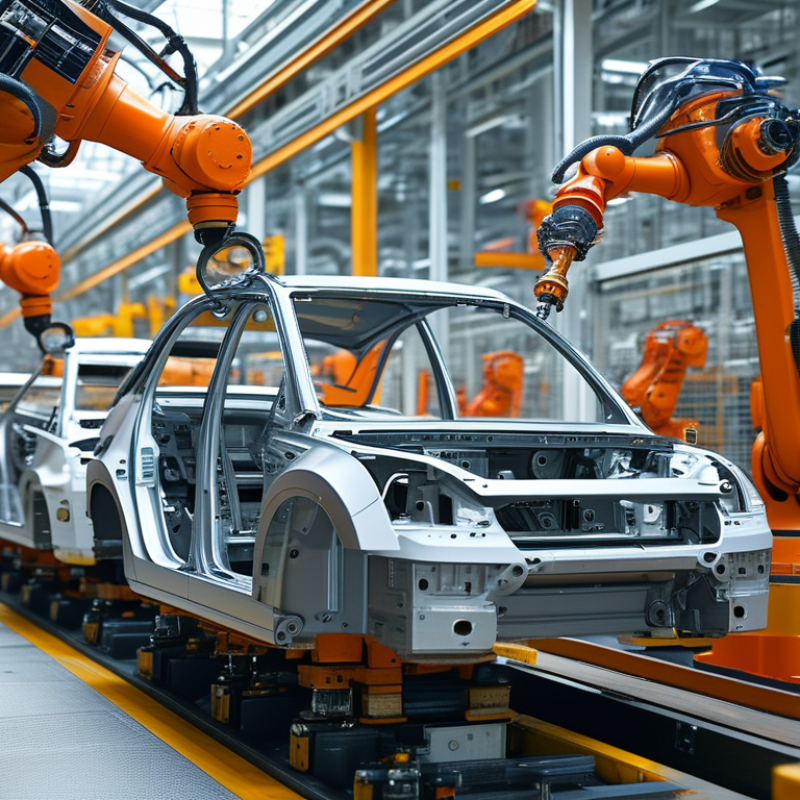
The automotive parts manufacturing industry is undergoing significant changes due to the rise of automation. Robotics and artificial intelligence transform production lines, enhancing efficiency and precision. However, the shift is not flawless. Early implementations faced challenges such as integration issues and workforce adaptation. Some companies struggled with skills gaps among employees, leading to delays in full operational capacity.
Automation streamlines many processes, reducing human error and increasing production speed. For instance, automated machinery can handle repetitive tasks with consistency that humans may find difficult. Yet, this reliance on technology raises questions about job displacement. As roles evolve, workers may need retraining to adapt to new technologies. This transition demands ongoing education to ensure employees remain relevant in an automated environment.
While automation has clear advantages, it also calls for careful consideration of its implications. The automation of the manufacturing process can lead to increased efficiency, but it may also create a reliance on consistent updates and maintenance. Companies must reflect on their strategies to balance technology with human input. The ongoing integration of automation will shape the future of automotive parts production, leading to both opportunities and challenges.
: Automation significantly increases production speed. Continuous operation reduces downtime, leading to higher output in less time.
Some automation systems may face maintenance issues. These issues can disrupt production schedules unexpectedly.
Automation enhances precision with minimal variance. However, it can overlook subtle defects if there is no human oversight.
Human oversight is crucial to check for quality and subtle defects. Teams need to collaborate closely with automated systems.
Workers must retain critical thinking and problem-solving skills. Training is essential to bridge gaps between humans and machines.
Smart factories use IoT devices to monitor processes in real-time. They improve efficiency but require constant updates and maintenance.
Data security is a concern as systems become more integrated. It is important to address risks associated with real-time monitoring.
3D printing allows rapid prototyping and reduces waste. However, the initial investment can be a barrier for smaller manufacturers.
Businesses need to manage costs and workforce implications. Balancing human input and automation is essential for success.
Over-reliance on automation can lead to overlooking defects. It is necessary to maintain a balance for optimal outcomes.
Automation is revolutionizing the automotive parts manufacturing industry by significantly enhancing production efficiency. Key technologies such as robotics, artificial intelligence, and the Internet of Things (IoT) are driving this transformation, enabling manufacturers to streamline operations, reduce costs, and improve precision. How does automation impact automotive parts production? It accelerates production speed while simultaneously enhancing quality, leading to a reduction in defects and waste.
However, implementing automation is not without its challenges. Manufacturers often face issues related to integration, workforce training, and initial investment costs. To overcome these hurdles, companies are developing innovative solutions that combine human expertise with automated systems. Looking ahead, the future of automated automotive parts production is expected to include further advancements in smart manufacturing technologies, ensuring that efficiency and quality continue to meet the demands of an ever-evolving market.

 Mayumi Auto