Vehicle performance depends on more than horsepower or an impressive exhaust note. It begins with reliable automotive parts working together under heat, pressure, vibration, and changing road conditions. This guide, “2026 Top Automotive Parts for Vehicle Performance,” examines practical upgrades that can improve power delivery, handling, braking, efficiency, and driving confidence.
Why are automotive parts important for vehicle performance? Quality components influence how efficiently an engine breathes, how quickly a vehicle stops, and how steadily it responds through corners. High-flow air filters, performance spark plugs, upgraded brake pads, capable suspension systems, durable tires, and efficient cooling parts each serve a specific purpose. However, performance gains should match the vehicle’s design and the driver’s needs. More power is not always better.
Fitment matters.
A poorly matched part may create noise, uneven wear, or disappointing results. Technical specifications, material quality, manufacturer testing, and installation guidance deserve careful attention. Certified components and professional inspections also support safety and legal compliance. In practical evaluations, small details often matter, such as correct tire pressure, clean electrical connections, and proper torque on fasteners. These details are easy to overlook.
The strongest recommendations should come from verified data, experienced technicians, and reputable manufacturers. Still, no upgrade guarantees perfection. Road conditions, maintenance habits, climate, and driving style can change the outcome. This overview therefore focuses on balanced choices, realistic expectations, and parts that support dependable performance in everyday driving.
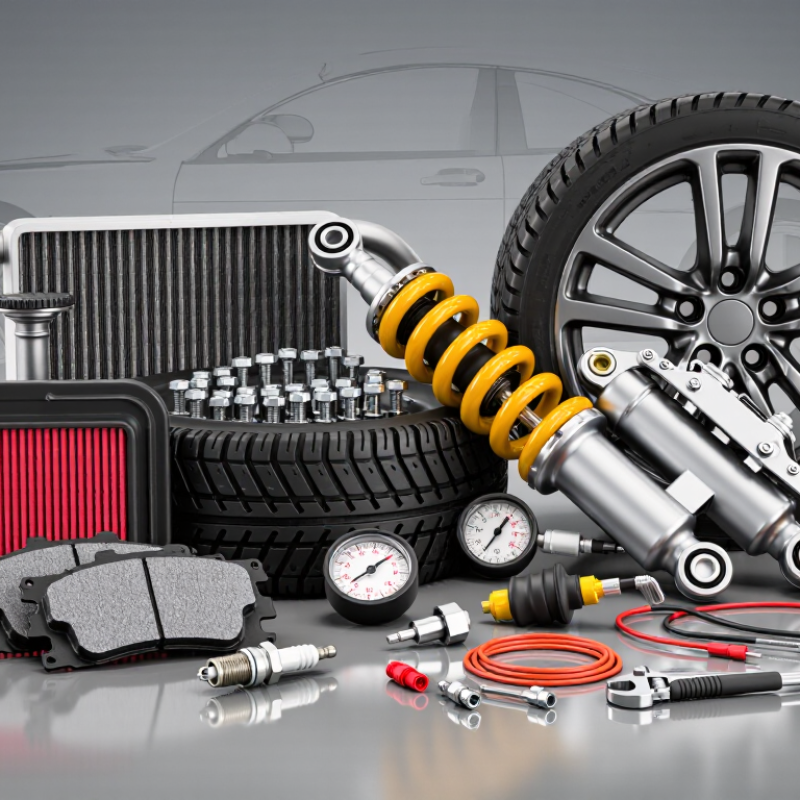
2026 Top Automotive Parts for Vehicle Performance?
Performance parts improve a vehicle by managing power, grip, heat, and control. Better tires can shorten stopping distances and maintain traction on wet roads. Upgraded brake pads and rotors help resist fade during repeated braking. A useful upgrade should match the vehicle’s weight, driving conditions, and factory specifications.
Suspension components can reduce body roll and make steering feel more predictable. Adjustable dampers also allow drivers to balance comfort with sharper handling. Engine air and exhaust improvements may increase response, but results depend on proper calibration. More power is not always better. Extra output can expose weak cooling, drivetrain, or braking systems.
I have found that careful testing reveals more than a dramatic first impression. Record tire pressure, braking behavior, temperatures, and fuel use before changing parts. Then test one modification at a time in controlled, legal conditions. A certified technician can verify installation quality and alignment settings. Small errors matter. For example, incorrect suspension geometry may cause uneven tire wear within a few hundred miles. Some parts also reduce comfort or increase maintenance needs. That trade-off deserves honest consideration before purchase. Reliable performance comes from compatible components, documented testing, and regular inspections, not from appearance alone.
Performance parts improve different aspects of vehicle capability. The chart shows representative engineering ranges for potential gains or reductions compared with a standard setup; actual results depend on vehicle design, installation, tires, road conditions, and calibration.
Typical benchmark ranges: higher values indicate improved capability, while braking distance and body roll represent reductions.
Choosing engine parts starts with matching performance goals to the vehicle’s actual use. A high-flow cylinder head can improve breathing, but it may reduce low-speed torque. A properly selected camshaft should suit the engine’s displacement, compression ratio, and driving range. Numbers matter.
Airflow is often overlooked. A smooth intake path can reduce turbulence before air reaches the throttle body. A correctly sized filter should protect the engine without restricting volume. Larger parts are not always better.
An oversized throttle body may weaken response during daily driving. The intake manifold should also match the camshaft and cylinder head design.
I once assumed the biggest airflow components would create the fastest result. That assumption was wrong. The engine felt lazy below the powerband. A calibrated airflow sensor and careful fuel adjustment restored smoother acceleration.
Check for leaks around clamps, gaskets, and vacuum lines after installation. Record intake temperature, fuel trims, and torque changes before judging the upgrade. Small improvements are easier to trust when testing remains consistent.
2026 Top Automotive Parts for Vehicle Performance?
Upgrading Suspension, Brakes, and Tires for Better Control
Better control begins with parts that work together. A firmer suspension can reduce body roll during quick lane changes. However, excessive stiffness may reduce comfort and grip on uneven roads. In my workshop experience, balanced dampers and correctly matched springs often outperform extreme upgrades. Check bushings, mounts, and alignment before replacing major components. Worn hardware can hide the real problem.
Brakes deserve equal attention. High-quality pads, fresh fluid, and properly inspected rotors improve pedal response and stopping consistency. Larger components are not always better for daily driving. Tire choice also changes steering feel, wet-road grip, and braking distance. Select tires for your climate, vehicle load, and normal driving speed. Keep pressures close to the vehicle maker’s recommendation. A small pressure error can make the car feel nervous.
Tips: Measure tread depth regularly. Inspect tires for uneven wear. Test the brakes on a quiet, legal road. After suspension work, confirm wheel alignment. Listen for new noises. I once blamed soft tires for vague steering, but a worn control-arm bushing caused it. That mistake reinforced a useful lesson: diagnose first, then upgrade. Check changes gradually, because more performance can reveal weaker parts elsewhere.
| Performance System | Recommended Component | Primary Function | Typical Performance Benefit | Best Application | Important Trade-Offs | Installation and Safety Considerations | Overall Control Value |
|---|---|---|---|---|---|---|---|
| Suspension | Monotube Gas-Pressurized Dampers | Control spring movement and reduce repeated bouncing after bumps, braking, and cornering. | More consistent damping, improved tire contact on uneven roads, and reduced body oscillation during transitional maneuvers. | Daily-driven vehicles that also see mountain roads, autocross, or occasional track use. | Can transmit more road impact and may feel firmer than standard twin-tube dampers. | Use dampers matched to the vehicle’s spring rate and ride height. Replace in axle pairs and verify wheel alignment after installation. | Very High |
| Suspension | Progressive-Rate Lowering Springs | Lower the center of gravity while increasing spring resistance as compression increases. | Reduced body roll and pitch; a moderate ride-height reduction can sharpen turn-in when suspension travel remains adequate. | Street vehicles needing a lower stance and more responsive cornering without full competition suspension. | Excessive lowering can reduce bump travel, increase bottoming, and cause uneven tire wear. | Pair with compatible dampers. Confirm bump-stop clearance, suspension geometry, headlamp aim, and alignment settings. | High |
| Suspension | Adjustable Anti-Roll Bars | Limit independent suspension movement between the left and right sides during cornering. | Faster steering response and adjustable handling balance between understeer and oversteer. | Drivers who want to tune handling for street driving, autocross, or track conditions. | Overly stiff settings can reduce grip on rough surfaces and may make the vehicle less forgiving. | Set both sides evenly, lubricate serviceable bushings, and make changes incrementally. Confirm that the bar does not contact nearby components. | High |
| Suspension | High-Quality Alignment Bushings | Reduce unwanted compliance in control-arm or trailing-arm mounting points. | More stable alignment under braking and cornering, with improved steering precision and reduced wandering. | Older vehicles with worn rubber bushings or vehicles used for spirited driving. | Harder materials may increase vibration, noise, and harshness, especially on damaged roads. | Inspect related ball joints and mounts before installation. Tighten suspension fasteners at the manufacturer’s specified ride height and torque. | Medium-High |
| Brakes | High-Friction Performance Brake Pads | Convert vehicle motion into heat through friction at the rotor surface. | Shorter repeated-stop distances and improved fade resistance when the compound is appropriate for operating temperature. | Frequent mountain driving, towing within rated limits, autocross, and occasional track use. | Track-oriented compounds can be noisy, dusty, less effective when cold, and harder on rotors. | Choose a pad designed for the vehicle and expected temperature range. Follow the bedding procedure and inspect rotor thickness before fitting. | Very High |
| Brakes | Ventilated and Directional Brake Rotors | Provide a stable friction surface and dissipate heat generated during braking. | Better thermal consistency during repeated braking, with lower risk of friction loss caused by excessive heat. | Vehicles experiencing high brake temperatures or repeated heavy stops. | Performance rotor designs do not automatically shorten one emergency stop; tire grip and pad compound remain critical. | Replace rotors when below minimum thickness or excessively damaged. Clean the hub face, check runout, and bed the new rotor and pads together. | High |
| Brakes | Low-Expansion Braided Brake Lines | Limit flexible-line expansion under hydraulic pressure for a firmer pedal feel. | Improved pedal consistency and modulation; they do not increase tire-road friction by themselves. | Performance-oriented street vehicles with aging or soft original flexible lines. | Incorrect routing, damaged protective coating, or poor fittings can cause leaks or unsafe brake failure. | Use vehicle-specific lines, inspect for chafing through full steering and suspension travel, bleed the system thoroughly, and check for leaks before driving. | Medium-High |
| Tires | Ultra-High-Performance Summer Tires | Increase available dry-road grip through a performance-oriented tread compound and casing design. | Higher cornering grip, stronger braking traction, and quicker steering response in warm conditions. | Drivers prioritizing dry-road control and operating mainly above approximately 7°C / 45°F. | Reduced cold-weather grip, faster wear, increased road noise, and limited performance in snow or ice. | Maintain the recommended cold inflation pressure, check tread depth regularly, and avoid using summer tires in freezing or snowy conditions. | Very High |
| Tires | Max-Performance Summer Tires | Prioritize maximum dry and warm-weather traction over long tread life and comfort. | The greatest potential increase in braking and cornering grip among street-legal tire categories, subject to temperature and road conditions. | Track-day vehicles, autocross cars, and drivers who accept reduced daily-driving comfort. | Shorter service life, higher cost per mile, more sensitivity to temperature, and reduced wet-weather margin compared with less aggressive designs. | Use only with adequate tread and suitable weather. Check load and speed ratings, and allow tires to reach operating temperature during performance driving. | Very High |
| Tires | Performance All-Season Tires | Balance dry handling, wet traction, moderate cold-weather usability, comfort, and tread life. | More predictable year-round control than summer tires in changing conditions, with less extreme dry grip. | Daily drivers in regions with mild winters and occasional cold or wet roads. | Not a substitute for dedicated winter tires in frequent snow, ice, or sustained freezing temperatures. | Match all four tires by size and category where possible. Monitor pressure monthly and replace tires when tread, age, or damage requires it. | High |
| Tires and Setup | Performance Wheel and Alignment Package | Combines suitable wheel width, tire sizing, camber, toe, and tire pressure for a balanced contact patch. | More even tire loading and improved steering accuracy, provided clearances and geometry remain within safe limits. | Complete handling upgrades where suspension or tire changes alter the original geometry. | Incorrect wheel offset, excessive negative camber, or aggressive toe settings can reduce stability and accelerate tire wear. | Verify load rating, brake clearance, fender clearance, steering lock, and alignment before road use. Use a qualified alignment technician. | Very High |
Exhaust, drivetrain, and electronic parts will define practical vehicle performance in 2026. A louder exhaust is not automatically faster. The U.S. EPA’s 2024 Automotive Trends Report projects average new-vehicle fuel economy near 27 mpg for model year 2023. That trend rewards efficient airflow, not noise. A properly sized manifold, compliant catalytic converter, and low-restriction muffler can improve gas velocity. Emissions compliance remains essential.
Drivetrain upgrades should manage torque, heat, and traction together. Stronger half-shafts, suitable differential fluid, and improved transmission cooling can protect performance during repeated acceleration. During testing, monitor fluid temperature after several hard pulls, not only peak power. The weak point is often heat soak. A lighter driveshaft may reduce rotating mass, but poor balancing can create vibration and shorten component life.
Electronic performance parts now require deeper judgment. The International Energy Agency’s Global EV Outlook 2025 reports more than 17 million electric cars sold worldwide in 2024, exceeding 20% of new-car sales. That growth increases demand for battery cooling, inverter control, regenerative-braking calibration, and accurate wheel-speed sensors. Diagnostic data should confirm gains under road conditions, including cold starts and climbing grades. More software does not guarantee better response. My own preference is cautious calibration, because a small timing error can damage drivability, efficiency, or durability. Test logs matter. Fancy dashboards do not.
Choosing the best automotive parts in 2026 starts with the vehicle’s job, not a popularity list. A daily commuter needs predictable braking, quiet tires, and reliable cooling. A pickup carrying tools needs stronger suspension control and load-rated tires. A track-focused car needs heat resistance, but those parts may feel harsh during normal driving. S&P Global Mobility reported that the average vehicle age in the United States reached about 12.6 years in 2024. Older vehicles often need maintenance before performance upgrades.
Tires usually offer the clearest improvement. Choose compound, sidewall strength, and wet-grip ratings for local roads and weather. The U.S. Department of Energy’s 2024 Fuel Economy Guide states that properly inflated tires can improve fuel economy by about 0.6%, and sometimes up to 3%. That gain is modest, but daily. NHTSA also reports roughly 11,000 tire-related crashes each year. A tire upgrade without correct pressure is incomplete. Very simple.
Brake pads, rotors, dampers, and brake fluid must match the vehicle’s weight and use. A family SUV may benefit more from fade-resistant brakes and fresh dampers than from aggressive engine parts. Drivers using advanced safety systems should verify sensor alignment after suspension changes. This step is easy to overlook. I would not call the most powerful part the best part. A lighter wheel can sharpen steering, yet a poor tire choice can reduce wet-road control. Professional installation, documented specifications, and a post-installation inspection make the upgrade more trustworthy. My own preference would still change after measuring temperature, wear, and stopping distance in real use.
They manage power, grip, heat, braking, and steering response. Better parts should match vehicle weight and driving conditions. More power is not always better.
Tires often provide the most noticeable change. Choose suitable wet grip, sidewall strength, and compound. Check pressure regularly. A tire upgrade is incomplete without correct inflation.
Better pads and rotors can resist heat-related fading. They support repeated braking and shorter stopping distances. Parts must match the vehicle’s weight and intended use. Aggressive brakes may feel unnecessary during quiet commuting.
Springs, dampers, and related components can reduce body roll. They may make steering feel more predictable. Adjustable dampers can balance comfort and sharper handling. Incorrect geometry may cause uneven tire wear within a few hundred miles.
No. Results depend on calibration, engine design, and component compatibility. A larger throttle body may weaken low-speed response. A high-flow cylinder head may reduce low-speed torque.
Match the camshaft, cylinder head, compression ratio, and engine displacement. Use measured clearances and verified torque specifications. Stronger valve springs can support higher engine speeds. Guesswork becomes expensive quickly.
Record tire pressure, braking behavior, temperatures, fuel use, and tire wear. Measure one modification at a time. Use controlled, legal conditions. Small improvements are easier to trust.
Leaks may develop around clamps, gaskets, or vacuum lines. An oversized intake part can make daily driving feel lazy. I once expected the biggest components to work fastest. That assumption was wrong.
Yes. Track-focused parts may feel harsh on normal roads. Extra power can expose weak cooling or drivetrain components. Some upgrades increase maintenance needs. The trade-off deserves honest consideration.
Seek qualified inspection after installation, especially following suspension changes. Technicians can check alignment, sensor positioning, and installation quality. This step is easy to overlook. Regular inspections protect long-term reliability.
The best automotive parts for vehicle performance in 2026 are those that work together to improve power, responsiveness, control, and safety. Engine components and airflow upgrades can help the vehicle produce and manage power more efficiently, while improved suspension, brakes, and tires support sharper handling, stronger stopping ability, and greater road stability. This explains why are automotive parts important for vehicle performance: each system affects how effectively a vehicle accelerates, turns, stops, and responds to changing driving conditions.
Exhaust and drivetrain improvements can help transfer power more smoothly, while electronic performance components may refine throttle response, shifting, and vehicle control. However, upgrades should always match the vehicle’s design, driving environment, intended use, and safety requirements. A balanced approach is more valuable than focusing on a single high-performance component, because reliable results depend on compatibility, proper installation, regular maintenance, and responsible operation.

Mayumi Auto